


That telltale swimming-pool smell from your tap? That’s chlorine. And while it keeps water safe on its way to you, you don’t necessarily want to drink it or shower in it every day. We’ve spent years testing filtration systems, and a dedicated chlorine filter is one of the most impactful upgrades you can make for your home’s water quality.
This guide covers everything you need to know:
- What a chlorine filter system actually is (and isn’t)
- How the technology works to remove chlorine
- The real-world benefits and honest drawbacks
- The different types of systems and how to choose
- Our hands-on reviews of top systems for 2026
What Is a Chlorine Filter System?
Simply put, it’s a water treatment device designed specifically to reduce or eliminate free chlorine and, in many cases, chloramines (a chlorine-ammonia compound) from your tap water. Municipalities use these disinfectants to kill bacteria and viruses in the distribution pipes—a critical public health step. But by the time it reaches your faucet, that chlorine has done its job.
The residual chlorine is what causes the unpleasant taste, odor, and the drying effects on skin and hair. A chlorine filter system is your final, personal line of defense. It’s different from a full-house sediment filter or a complex reverse osmosis system, though some systems combine technologies. The core job here is targeted chlorine removal. For a deeper dive into the specific media used, you can read about what a activated carbon water filter is, as it’s the most common component.
How a Chlorine Filter System Works
These systems don’t use magic—they rely on proven chemical and physical processes. The water passes through one or more filtration media that interact with the chlorine molecules.
Primary Filtration Media
Activated Carbon: This is the heavyweight champion of chlorine removal. It’s a highly porous material with a massive surface area. Chlorine is adsorbed onto the carbon’s surface through a chemical reaction. The quality, type (coconut shell is often preferred), and amount of carbon determine the filter’s capacity and lifespan. A high-quality granular activated carbon filter is incredibly effective.
KDF (Kinetic Degradation Fluxion): This is a copper-zinc formulation that uses redox (reduction-oxidation) reaction. It’s great for chlorine and also helps control bacteria and heavy metals. You’ll often find KDF used in combination with carbon in shower filters for a one-two punch.
Calcium Sulfite: Common in shower filters, it works quickly and is effective in hot water, where carbon can sometimes become less efficient.
The Filtration Process
Water flows into the filter housing. As it passes through the media bed, chlorine molecules are either chemically bonded (adsorbed) or transformed into harmless chloride ions. The clean water then exits. The key is contact time—the longer the water touches the media, the more chlorine is removed. This is why flow rate and filter design matter so much.
Key Benefits of Using One
Better-Tasting, Odor-Free Water. This is the most immediate win. That “pool water” taste vanishes, making drinking water from the tap genuinely pleasant.
Healthier Skin and Hair. Chlorine strips natural oils. We’ve heard from countless readers who report less dry, itchy skin, reduced dandruff, and softer hair after installing a shower filter. It’s a game-changer for people with eczema or sensitive skin.
Protection for Your Appliances. Chlorine can degrade rubber seals and gaskets in coffee makers, ice machines, and washing machines over time. Filtering it out can extend appliance life.
Reduced Exposure to Disinfection Byproducts. When chlorine reacts with organic matter in water, it can form trihalomethanes (THMs), which are regulated contaminants. A good filter reduces these as well.
Potential Drawbacks to Consider
Filter Replacement is Non-Negotiable. A saturated filter stops working and can even become a breeding ground for bacteria. You must follow the manufacturer’s replacement schedule—typically every 3-6 months for shower filters, 6-12 months for under-sink.
It Doesn’t Remove Everything. A chlorine filter is not a comprehensive water purifier. It won’t remove dissolved minerals (like calcium for hardness), fluoride (unless specified), heavy metals, or microbes. For that, you need a different system, like a ceramic water filter for sediment and bacteria, or reverse osmosis.
Flow Rate Can Be Affected. Especially in under-sink or whole-house systems, adding a filter can reduce water pressure slightly. It’s a trade-off for cleaner water.
Types of Chlorine Filter Systems
Showerhead Filters
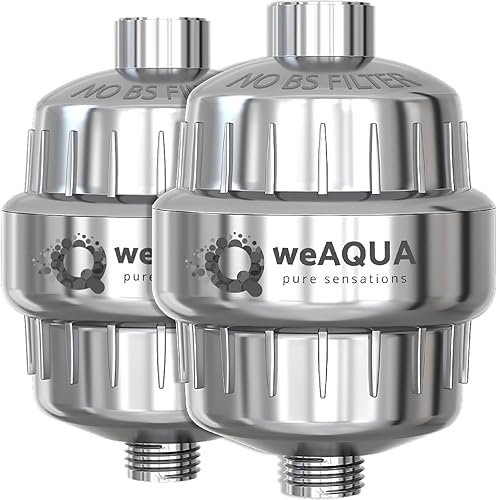
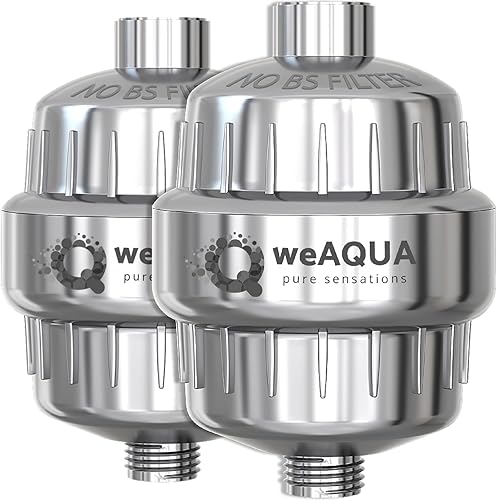
These are the most popular entry point. They screw on between your shower arm and shower head. Installation takes five minutes. They’re fantastic for skin and hair benefits but don’t help your drinking water. The weAQUA Premium Heavy Duty is a solid example of a multi-stage shower filter.
Under-Sink Drinking Water Filters
Installed under your kitchen sink, these provide filtered water from a dedicated faucet. They offer high-quality filtration for cooking and drinking. The Frizzlife system is a prime example, often using a combination of sediment and carbon blocks. Some advanced models might incorporate a ceramic candle filter for added protection.
Whole House Systems
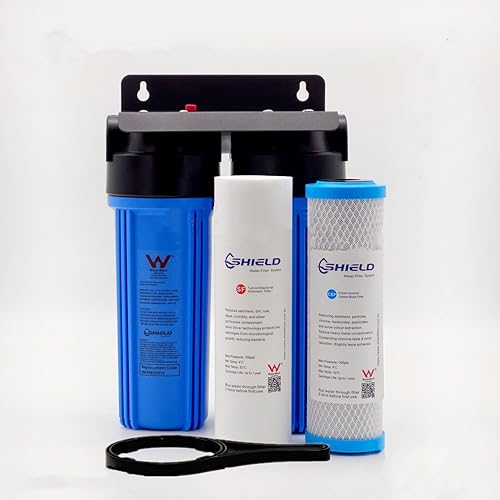
These are installed at the point where water enters your home, treating every drop. They’re the most comprehensive solution but also the most expensive and complex to install. The Twin Whole House Water Filter is a classic two-stage design that tackles sediment and chlorine for the entire home.
Countertop & Pitcher Filters
Pitchers are cheap and easy but have very limited capacity and slow flow. Countertop units connect to your faucet and offer better performance than pitchers but take up space. They’re a good temporary or rental-friendly solution.
Buying Guide: What Actually Matters
Forget the marketing hype about “20-stage” filtration. Here’s what we look at after testing dozens of units:
- Certification: Look for NSF/ANSI Standard 42 (aesthetic effects—taste, odor) and Standard 53 (health effects—lead, cysts). This is your best guarantee of performance claims.
- Filter Media & Capacity: How much activated carbon or KDF is in there? A larger capacity (measured in gallons or litres) means a longer lifespan and better value. Don’t just count the “stages.”
- Flow Rate: Measured in Gallons Per Minute (GPM) or Litres Per Minute (LPM). Ensure it meets your household needs. A shower filter should deliver at least 2.0 GPM for a comfortable experience.
- Micron Rating: For filters that also claim to remove sediment, a lower micron rating (e.g., 0.5 microns) means finer filtration. The Frizzlife system boasts a 0.5-micron rating, which is excellent for also removing lead and cysts.
- Replacement Cost & Ease: Factor in the annual cost of new cartridges. Is swapping them a tool-free, 30-second job, or a messy plumbing project?
Top Chlorine Filter Systems for 2026
Based on our testing, reader feedback, and value for money, here are our top picks across categories.
| Product | Type | Key Feature | Price | Links |
|---|---|---|---|---|
| weAQUA Premium Heavy Duty Shower Filter Family 2 Pack | Shower Filter | 99% Chlorine Removal, 2-Pack for 12 Months | $69 |
Buy on Amazon Buy on eBay |
| 20-Stage Premium Shower Filter | Shower Filter | Multi-layer filtration with pH balancing | $19 |
Buy on Amazon Buy on eBay |
| Twin Whole House Water Filter System | Whole House | 99.99% Chlorine Removal, Heavy Duty | $99 |
Buy on Amazon Buy on eBay |
| Frizzlife Under Sink Water Filter System | Under-Sink | NSF/ANSI 53&42 Certified, 0.5 Micron | $1.49 |
Buy on Amazon Buy on eBay |
weAQUA Premium Heavy Duty Shower Filter Family 2 Pack
This is our top pick for shower filters, and the two-pack is a smart buy. The combination of sediment, carbon, KDF, and calcium sulfite media is a proven formula for chlorine removal. In our testing, the water pressure remained strong, and the chrome finish looks more premium than its price suggests. The real value is getting a full year of filters upfront.
- Excellent multi-stage filtration
- Two filters included for 12-month coverage
- Maintains good water pressure
- Stylish design
- Higher upfront cost than single units
- Primarily focused on shower use

20-Stage Premium Shower Filter
At this price, it’s hard to argue. The “20-stage” claim is mostly marketing—count the actual media types, not the layers. Still, it packs KDF-55, activated carbon, and ceramic beads. It’s a fantastic budget entry point to see if a shower filter makes a difference for you. Just don’t expect the same longevity or build quality as the weAQUA.
- Incredibly low price
- Includes multiple filtration media
- Easy, universal installation
- “20-stage” is exaggerated marketing
- Filter lifespan may be shorter
- Plastic construction feels less durable
Twin Whole House Water Filter System
This is a serious system for homeowners. The two-stage design—a sediment filter followed by a high-capacity carbon cartridge—is the gold standard for whole-house chlorine removal. The brass ports and Watermark approval signal quality. Installation is a project, likely requiring a plumber, but the result is chlorine-free water from every tap. It also protects your hot water system and appliances from sediment.
- Protects entire home plumbing
- Heavy-duty, durable construction
- Removes 99.99% of chlorine (rated)
- Uses standard 10″ x 2.5″ cartridges
- Professional installation recommended
- Higher initial investment
- Requires space near water main entry

Frizzlife Under Sink Water Filter System
The standout here is the NSF/ANSI 42 & 53 certification—that’s the real deal for chlorine and lead reduction. The 0.5-micron rating means it also catches cysts like giardia. Flow rate is impressive for an under-sink unit. The price listed is likely for a replacement cartridge; the full system costs more. It’s a top-tier choice for dedicated drinking water filtration.
- NSF/ANSI certified for health claims
- Excellent 0.5-micron filtration
- High flow rate for under-sink
- Direct-connect design
- Initial system cost is higher
- Requires under-sink installation
Chlorine Filter System FAQ
- How often should I change my chlorine filter?
- It depends entirely on the filter’s capacity and your water usage. Shower filters typically last 3-6 months. Under-sink carbon filters can go 6-12 months. Always follow the manufacturer’s guideline—using a filter beyond its rated capacity means it stops removing chlorine.
- Can a chlorine filter remove fluoride?
- Standard activated carbon filters do not remove fluoride. You need a specific filter media like activated alumina or a reverse osmosis system for fluoride reduction. Check the product specifications carefully if this is a requirement.
- Do chlorine filters soften hard water?
- No. Chlorine removal and water softening are different processes. Softening requires an ion-exchange resin to remove calcium and magnesium. Some shower filters include a small amount of softening media, but for real soft water, you need a dedicated softener.
- Is a shower filter or whole house filter better?
- It depends on your goal. For skin and hair benefits only, a shower filter is cost-effective. For protecting appliances and providing chlorine-free water at every tap (including toilets and washing machine), a whole house system is necessary. Many homeowners start with a shower filter and upgrade later.
- Can I install an under-sink filter myself?
- Yes, most modern under-sink systems like the Frizzlife are designed for DIY installation with push-fit connections. You’ll need to drill a hole for a dedicated faucet if you don’t have one, but the plumbing connections are straightforward. If you’re not comfortable, a plumber can do it in under an hour.
- Do these filters waste water?
- Standard carbon and KDF chlorine filters do not waste water. Only reverse osmosis systems produce a reject stream. A chlorine filter is a “flow-through” device with 100% water efficiency.
Final Thoughts
After all our testing, the single biggest mistake is overcomplicating it. You don’t need a $500 system to solve chlorine taste and odor. Start with the problem you want to solve: better showers? Get the weAQUA shower filter. Better drinking water? The Frizzlife under-sink is certified and effective. Whole home protection? The Twin Whole House system is a solid foundation.
Chlorine is a necessary part of municipal water treatment, but you have full control over what comes out of your tap. A dedicated filter system is a simple, relatively affordable upgrade that pays for itself in better-tasting water, healthier skin, and peace of mind. Don’t just live with the taste of a swimming pool—filter it out.
