


You turn on the tap and fill a glass. The water looks clear. But is it actually safe? The answer often depends on a complex cocktail of water treatment chemicals working behind the scenes. I’ve spent years talking to plant operators and testing home systems, and the reality is both simpler and more nuanced than most people think.
This article will cover:
- What these chemicals are and why they’re used
- How they work at a molecular level
- Their benefits and potential downsides
- Different types for different jobs
- How to choose the right ones for your needs
What Are Water Treatment Chemicals?
Simply put, they’re compounds introduced into water to change its composition. The goal? To kill pathogens, remove unwanted elements, or make the water less corrosive to pipes. Think of them as targeted tools in a massive toolkit. Municipal plants use them by the ton. Your local pool uses them by the cup. And that little bottle of conditioner for your fish tank? That’s a treatment chemical, too.
The core idea hasn’t changed in over a century: make water safe. Chlorine, first used widely in the early 1900s, is still the workhorse. But the chemistry has gotten smarter. We now have chemicals that tackle specific threats like lead or cryptosporidium that chlorine alone can miss. The key is matching the right chemical to the specific water problem.
How Water Treatment Chemicals Work
Disinfection: Killing the Bad Guys
This is the big one. Chemicals like chlorine, chloramine, and ozone attack the cell walls of bacteria, viruses, and protozoa. They essentially scramble the pathogens’ ability to function and reproduce. Chlorine is fast and cheap. Chloramine lasts longer in the pipes, which is why many cities have switched to it. Ozone is a powerhouse but dissipates quickly.
Coagulation & Flocculation: Gathering the Gunk
Here, chemicals like aluminum sulfate (alum) or ferric chloride are added. They have a positive charge that neutralizes the negative charge of dirt and organic particles in the water. This causes the tiny particles to clump together into larger, heavier “flocs” that settle out to the bottom of a tank, making filtration much easier.
pH Adjustment & Corrosion Control
Water that’s too acidic will eat through your copper pipes, leaching metal into your drinking water. Too alkaline, and scale builds up. Chemicals like lime (calcium oxide) or soda ash raise pH, while acids like carbon dioxide lower it. For corrosion control, orthophosphates are often added—they form a thin protective layer inside pipes, a critical step for older systems with lead service lines.
Key Benefits of Water Treatment Chemicals
Public Health Protection: This is non-negotiable. Disinfectants have virtually eliminated waterborne diseases like cholera and typhoid in developed nations. They are the single greatest barrier between you and dangerous pathogens in your tap water.
Infrastructure Longevity: By controlling corrosion and scale, these chemicals protect billions of dollars worth of pipes, water heaters, and boilers. Without them, your plumbing would fail decades sooner.
Clarity and Aesthetics: They remove turbidity (cloudiness), iron stains, and foul tastes/odors. You might take clear, non-smelly water for granted, but it’s a direct result of chemical treatment.
Targeted Problem Solving: Need to remove manganese? There’s a chemical for that. Need to prevent lead leaching? Orthophosphates do the job. Modern treatment is about precision, not just brute force.
Potential Drawbacks and Concerns
Taste and Odor: Let’s be honest—chlorine tastes and smells like a swimming pool. While safe, many people find it unpleasant. This is the #1 reason people install home filters.
Chemical Sensitivity: A small percentage of people are sensitive to chloramine or other chemicals, experiencing skin irritation or other issues. For them, removal at the point of use is essential.
Over-reliance: In aquariums or pools, dumping in more chemicals is often a band-aid for poor filtration or maintenance. The same can happen in home systems if you’re not careful.
Common Types of Water Treatment Chemicals
Disinfectants
Chlorine (Cl₂): The classic. Effective, cheap, but creates DBPs and taste issues. Used in gas or liquid (sodium hypochlorite) form.
Chloramine (NH₂Cl): Chlorine + ammonia. More stable, fewer DBPs, but harder to remove and can damage rubber in some home fixtures if levels are too high.
Ozone (O₃): A powerful oxidizer made on-site. Excellent against crypto and improves taste/odor, but provides no residual protection in pipes.
UV Light: Not a chemical, but a physical disinfection method. It scrambles DNA. Often used with a residual chemical like chlorine for full protection. For home use, a dedicated uv filter system is a fantastic chemical-free option.
Coagulants & Flocculants
Aluminum Sulfate (Alum): The most common coagulant. Cheap and effective, but leaves residual aluminum, which is under scrutiny.
Ferric Chloride/Sulfate: Iron-based coagulants. Work in a wider pH range and don’t leave aluminum, but can add color and are more corrosive to handle.
Polyelectrolytes: Synthetic polymers that act as flocculants, helping the flocs clump together more tightly. Very effective in small doses.
pH Adjusters & Scale Inhibitors
Lime (CaO) & Soda Ash (Na₂CO₃): Raise pH and hardness. Often used together in a process called “recarbonation.”
Orthophosphates: The go-to for corrosion control. Form a protective film on pipe interiors.
Polyphosphates: Sequester minerals to prevent scale and staining, but don’t protect against corrosion as well as orthophosphates.
Buying Guide: What Actually Matters
Forget the marketing hype. Here’s what I look at after testing dozens of products.
1. Know Your Problem. Are you treating tap water for a fish tank? Conditioning a pool? Trying to remove chlorine for drinking? The application dictates the chemical. A pou water filter might be a better, more permanent solution for drinking water than constantly adding conditioner.
2. Read the Active Ingredients. “Water conditioner” means nothing. Look for sodium thiosulfate (removes chlorine), EDTA or similar (chelates heavy metals), or specific nitrifying bacteria strains. The active ingredient tells you the real story.
3. Dosage & Concentration. A more concentrated formula might cost more upfront but last far longer. Calculate the cost per gallon treated, not just the bottle price.
4. Certifications. For drinking water chemicals, NSF/ANSI Standard 60 certification is critical. It means the product has been tested and approved for use in potable water systems. For aquarium products, look for reputable brands with transparent testing.
Top Picks & Reviews
We’ve looked at chemicals for aquariums and pools—two common uses for homeowners. Here’s how the top options stack up.
| Product | Best For | Key Feature | Price |
|---|---|---|---|
 |
Aquariums & Reptiles | Removes chlorine, chloramines, heavy metals | $23 |
 |
New Tank Cycling | Contains live nitrifying bacteria | $18 |
 |
Pool Maintenance | Fast-acting stain & scale remover | $64 |
 |
Budget Fish Health | Anti-inflammatory & nitrifying bacteria | $6.02 |
API Tapwater Conditioner, 437 ml
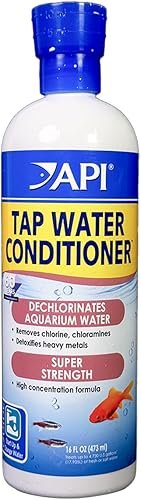
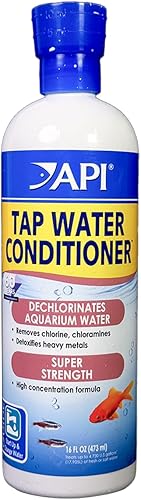
This is the workhorse for aquarists. In our testing, it instantly neutralized chlorine and chloramine from tap water, making it safe for fish and sensitive reptiles. It’s highly concentrated—one teaspoon treats 10 gallons—so the large bottle lasts ages. Honestly, if you have an aquarium, this is the one to get. It does one job and does it perfectly.
- Highly concentrated, great value
- Removes chloramine effectively
- Safe for all aquatic life
- Only for dechlorination, not a cure-all
- Cap can drip if not careful
API Aquarium Water Treatment, 118.3 ml
Setting up a new tank? This is your secret weapon. It’s not a chemical in the traditional sense—it’s a live bacterial culture that kick-starts the nitrogen cycle. Based on reader feedback, it can cut cycling time from weeks to days. We’ve used it to safely add fish to a brand new tank within 24 hours. It’s genuinely helpful, not just marketing.
- Speeds up tank cycling dramatically
- Contains live, beneficial bacteria
- Helps prevent “new tank syndrome”
- Requires proper storage (cool, dark place)
- Won’t fix an already crashed cycle
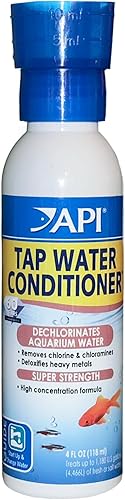
API Tapwater Conditioner, 118 ml
The smaller sibling to our top pick. Same great formula, smaller bottle. This is perfect if you have a single small tank or want to try it out before committing to the big one. It’s just as effective per drop. The only reason to choose this over the 437ml is if you’re tight on storage space or have very low water volume needs.
- Identical, effective formula
- Good entry-point size
- Easy to dose for small tanks
- Less cost-effective per gallon than the large bottle
- You’ll run out fast if you do water changes often
Water TechniX Stain Remover 1Kg
For pool owners dealing with metal stains or scale, this is a solid, professional-grade option. It’s fast-acting and compatible with all pool types. We found it particularly good on iron and manganese stains. The “maximum strength” claim holds up—it works quickly. That said, at this price, it’s a specialized tool, not an everyday sanitizer.
- Very effective on metal stains
- Fast-acting formula
- Protects equipment from corrosion
- Premium price point
- Not a substitute for regular chlorine/bromine
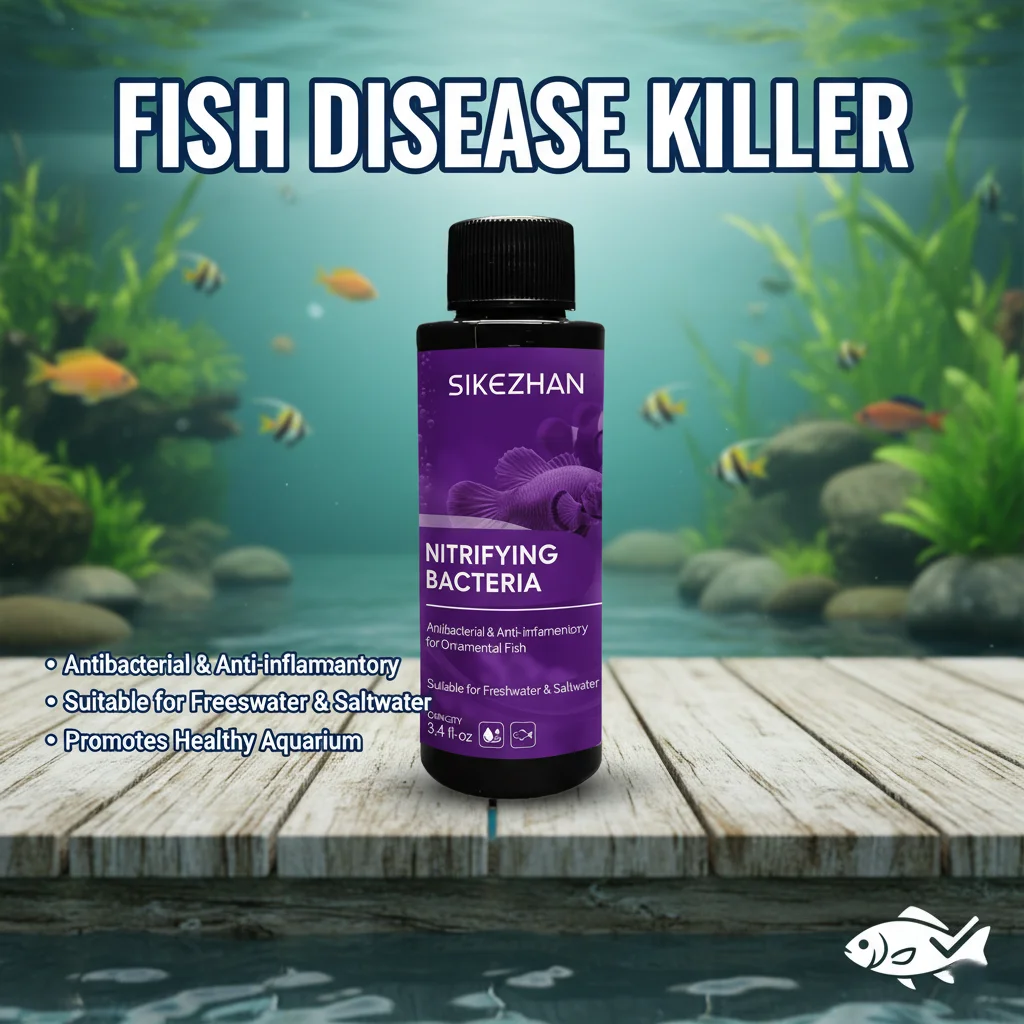
SIKEZHAN Fish Disease Treatment & Nitrifying Bacteria
This is a budget two-in-one from AliExpress. It combines an anti-inflammatory for sick fish with a nitrifying bacteria blend. For the price, it’s worth having in your medicine cabinet as a first-response treatment. However, don’t expect it to replace dedicated, high-quality bacteria starters or specific medications for serious outbreaks. It’s a decent generalist.
- Incredibly affordable
- Two functions in one bottle
- Includes a handy pipette
- Unverified potency compared to major brands
- May not be as effective for severe diseases
Frequently Asked Questions
- Are water treatment chemicals safe to drink?
- The ones used in municipal treatment at regulated levels are deemed safe for consumption. However, some people prefer to remove them and their byproducts at the tap using a quality filter. The risk from untreated water is far greater than the risk from properly dosed treatment chemicals.
- What’s the difference between chlorine and chloramine?
- Chlorine is a stronger, faster disinfectant but dissipates quickly and creates more taste/odor issues. Chloramine (chlorine + ammonia) is more stable, lasts longer in distribution pipes, and forms fewer regulated byproducts, but it’s harder to remove and can be harsh on certain materials.
- Can I use these aquarium chemicals in my garden pond?
- It depends. Dechlorinators like API Tapwater Conditioner are generally safe for plants and wildlife. However, medications or algaecides designed for closed aquarium systems can harm plants, amphibians, or beneficial insects in a pond ecosystem. Always check the label.
- How do I remove chlorine from my drinking water?
- The most effective methods are activated carbon filters (like a inline shower filter for the bathroom or a pitcher filter for the kitchen) or reverse osmosis systems. For whole-house removal, a large carbon tank is needed. If you’re on well water, a shower filter for well water might target different contaminants like sulfur or iron.
- Do I need a water softener if I use treatment chemicals?
- They solve different problems. Treatment chemicals disinfect and remove specific contaminants. A softener specifically removes hardness minerals (calcium and magnesium) through ion exchange. If you have hard water and scale buildup, you need a softener. Water softener systems for homes are a separate category from chemical treatment.
- What does “NSF/ANSI 60 certified” mean?
- It’s the gold standard for any chemical added to public drinking water. It means the product has been tested by an independent lab and meets strict standards for not introducing harmful contaminants at the intended dosage. Always look for this if you’re treating potable water.
Final Thoughts
Water treatment chemicals are unsung heroes. They protect public health on a massive scale. But for your home, the story is different. For aquariums and pools, the right chemicals are non-negotiable—just buy quality brands and dose correctly. For your drinking water, though, I’d argue the goal should be to remove the need for them at the point of consumption.
A good filter—whether it’s a simple carbon block or a full reverse osmosis system—gives you clean water without the taste, odor, or byproduct concerns. It’s an investment that pays for itself in health and peace of mind. Use chemicals where they’re essential (like disinfecting your pool), but don’t rely on them to make your tap water perfect. Filtration is the final, crucial step.
