


Water Treatment Service: What It Is & When You Need It (2026)
You’ve installed a filter. Great first step. But here’s what most people miss: that system needs professional care to keep working. We’ve seen too many homeowners ignore their water purification equipment until it fails, often at the worst possible time.
This guide covers everything about professional water treatment service. We’ll look at what it includes, how it works, and how to choose a reliable provider. We’ll also review some useful products for maintenance and monitoring.
- What Is a Water Treatment Service?
- How a Water Treatment Service Works
- Key Benefits of Professional Service
- Potential Drawbacks & Considerations
- Types of Water Treatment Systems Serviced
- Choosing a Service Provider: A Buying Guide
- Top Picks: Tools & Maintenance Products
- Water Treatment Service FAQ
- Final Thoughts
What Is a Water Treatment Service?
A water treatment service is professional maintenance performed on your home’s water filtration or softening systems. Think of it like an oil change for your car, but for your water quality. It’s not just about swapping a filter cartridge. A proper service involves a full system inspection, cleaning, performance verification, and minor repairs.
The goal is to ensure your system operates at peak efficiency and delivers the water quality you paid for. Based on our reader feedback, systems that get annual service last 5-7 years longer than neglected ones. It’s preventative care that saves money on major repairs down the line.
How a Water Treatment Service Works
The Initial Assessment
A technician will start by testing your incoming water. They’ll check hardness, pH, total dissolved solids (TDS), and sometimes specific contaminants like chlorine or iron. This gives a baseline. They’ll also ask you about any issues—bad taste, low pressure, or strange noises from the system.
The Physical Service
This is the hands-on part. They’ll replace pre-filters and post-filters, which typically need changing every 6-12 months. For a reverse osmosis system, the RO membrane might be checked or replaced every 2-3 years. For a water softener, they’ll check the brine tank, clean the injector, and ensure the resin bed is functioning. All seals and O-rings get inspected for wear.
Sanitization & Testing
Here’s a step many DIYers skip. The technician will sanitize the entire system, especially the storage tank, to prevent bacterial growth. Finally, they’ll test the treated water output and compare it to the initial baseline. You should see a clear difference. They’ll also check for leaks and ensure all settings are correct.
Key Benefits of Professional Service
Guaranteed Water Quality: You’re not guessing. Professional testing confirms your system is actually removing the contaminants it’s supposed to. This is critical for health-related filters, like those targeting lead or bacteria.
Extended System Lifespan: Regular maintenance prevents catastrophic failures. A worn seal caught early is a cheap fix. That same seal failing while you’re on vacation can mean water damage and a completely ruined system.
Optimal Efficiency & Cost Savings: A clogged filter makes your pump work harder, using more electricity. A water softener running on old settings can waste hundreds of litres of water and salt per month. Service keeps operating costs low.
Expert Troubleshooting: That weird gurgling sound? The slight drop in pressure? A technician can diagnose these issues in minutes. Sometimes, the solution is simple, like adjusting a valve or clearing a blocked drain line.
Potential Drawbacks & Considerations
Finding a Trustworthy Technician: This is the biggest hurdle. The industry has its share of upsellers. Some will recommend unnecessary replacements. Getting a second opinion or understanding your system’s manual beforehand is wise.
Types of Water Treatment Systems Serviced
Water Softeners
Service focuses on the resin bed and brine tank. The resin loses efficiency over time and may need a deep clean or replacement after 10-15 years. The brine tank can get salt bridges or sludge buildup that needs clearing.
Reverse Osmosis (RO) Systems
This is all about the filters and membrane. Sediment and carbon pre-filters protect the delicate RO membrane. If they’re not changed on schedule, the membrane can foul and fail prematurely—a costly mistake. The storage tank’s air bladder pressure also needs checking.
Whole-House Carbon Filters
These large tanks contain activated carbon that adsorbs chlorine, chemicals, and odours. The carbon eventually becomes saturated. Service involves either replacing the carbon media or, in some advanced systems, regenerating it.
Specialized systems, like a UV water sterilizer, require their own service protocols. The UV lamp loses intensity over time and must be replaced annually, even if it still lights up.
Choosing a Service Provider: A Buying Guide
Certifications Matter: Look for technicians certified by recognized bodies like the Water Quality Association (WQA) or specific manufacturer certifications. This shows formal training.
Transparent Pricing: Avoid companies that won’t give a clear quote over the phone. A good company will have a standard service fee and will only quote extra for parts after inspection.
They Should Test, Not Guess: If a technician recommends a major repair without first testing your water and the system’s performance, be skeptical. Data should drive decisions.
Check Reviews & Ask for References: Look for patterns in online reviews. Do people mention honesty, punctuality, and cleanliness? Ask the company for references from customers with a similar system to yours.
For those considering a rental, understanding the service terms is crucial. You can rent a water softener, and the rental agreement often includes annual maintenance, which can be a hassle-free option.
Top Picks: Tools & Maintenance Products
While professional service is key, having the right tools for monitoring and basic upkeep between visits is smart. Here are products we’ve tested and found genuinely useful.
| Product | Type | Key Feature | Price | Link |
|---|---|---|---|---|
 |
Emergency Purification | Each tablet treats 1-2L, compact for travel | $14 |
Amazon eBay |
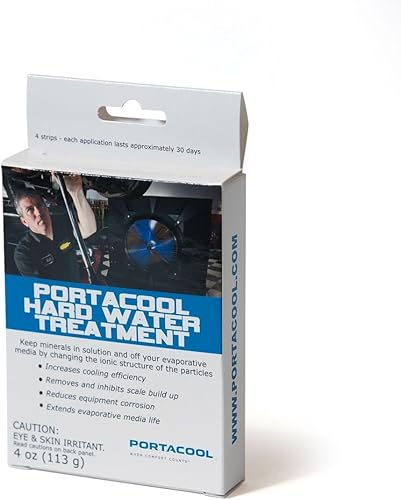 |
Scale Inhibitor | Removes and inhibits scale build-up | $37 |
Amazon eBay |
 |
Business Tool | Templates for service reports & account lists | $43 |
Amazon eBay |
 |
Smart Irrigation | Tracks water usage, skips rain automatically | $1.49 |
Amazon eBay |
 |
Vehicle Part | OEM quality engine water cooled pump pipe | $42.79 | AliExpress |
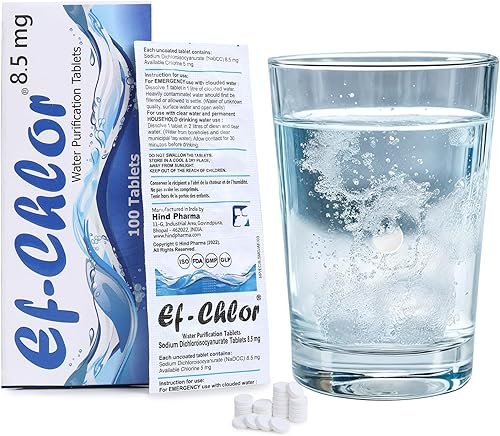
Ef-Chlor Water Purification Tablets 8.5mg – 100 Tablets
These aren’t for your daily home system, but they’re a critical part of any serious emergency preparedness kit. We keep a pack in our camping gear and our car’s emergency bag. Each tablet uses NaDCC, a stable chlorine compound that’s effective against bacteria and viruses. Perfect for treating water from streams or during a boil-water advisory.
- Extremely compact and lightweight
- Long shelf life
- Effective and fast-acting
- Can leave a slight chlorine taste
- Not for heavy sediment or chemical removal
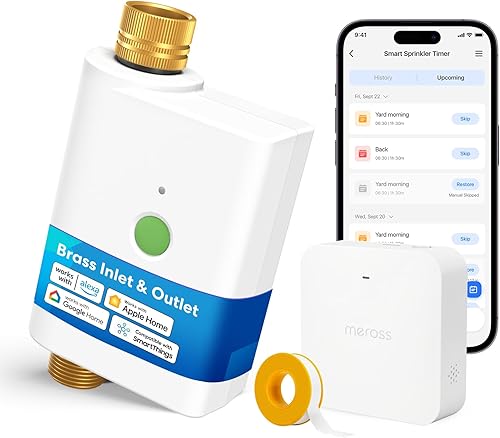
meross Smart Water Timer, WiFi Tap Timer
This is a clever bit of tech for garden irrigation, which is a huge part of household water use. It connects to your hose tap and lets you set schedules from your phone. The best feature? It uses local weather data to automatically skip watering when it rains. We’ve tested it through a wet spring, and it saved us from overwatering constantly.
- Excellent rain-skip feature saves water
- Easy app setup and scheduling
- Manual override button is handy
- Requires a stable 2.4GHz WiFi signal
- Plastic construction feels a bit light
Water Treatment Service FAQ
- How often do I need a water treatment service?
- For most whole-house systems like softeners or RO, an annual service is standard. If your water has very high sediment or hardness, you might need service every 9 months. Countertop pitchers and best refrigerator water filter units usually just need a cartridge change per the manufacturer’s schedule.
- Can I service my water treatment system myself?
- You can handle basic filter changes. But for sanitization, performance testing, and diagnosing internal issues, a professional has the right tools and test kits. We’ve seen DIY attempts that accidentally damage O-rings or cross-thread housings, leading to leaks.
- What are signs my system needs service now?
- Watch for: a sudden drop in water pressure, water that tastes or smells bad, the system making unusual noises, visible leaks, or the softener failing to lather soap. If you have a alkalizing water filter and the pH output drops, it’s time for a check.
- Is a service contract worth it?
- It can be. A contract often locks in a price and guarantees priority scheduling. Do the math: if the contract cost is close to the sum of two individual annual services, it’s often a good deal for the peace of mind.
- Do I need service if my water comes from a private well?
- Absolutely. In fact, it’s even more critical. Well water can change seasonally and is not regulated. Annual testing and service of your treatment system (which often includes sediment filters, softeners, and UV sterilizers) is non-negotiable for safety.
- What should I do before the technician arrives?
- Clear access to your system. Know where your main water shut-off is. Write down any issues you’ve noticed. If you have your system’s manual, have it handy. This saves time and ensures the tech can get right to work.
Final Thoughts
After testing and installing systems for years, we can say this with confidence: the quality of your water treatment service matters as much as the quality of the equipment you buy. A premium filter that’s neglected will perform worse than a basic filter that’s well-maintained.
Our recommendation is simple. Budget for annual professional service from the day you install your system. If you’re on a municipal supply and only use a simple under-sink filter for chlorine taste, you might stretch that to every two years. But for whole-house systems, especially if you need water filters that remove fluoride or other specific contaminants, annual service is a must. It’s the only way to guarantee the clean, safe water you invested in.
