


Soft Water Filter System Guide: Stop Scale, Improve Taste (2026)
You’ve felt it: that stiff, crunchy feeling in freshly washed towels, the stubborn white crust on your kettle, or the way your skin feels dry right after a shower. That’s hard water at work. After testing systems for over a decade, I can tell you a good soft water filter system is less about luxury and more about protecting your home and health. This guide breaks down what actually works.
We’ll cover:
- What “soft water” really means and how these systems create it.
- The real-world benefits and the honest drawbacks.
- The different types, from whole-house monsters to portable RV units.
- Our hands-on top picks for 2026.
What Is a Soft Water Filter System?
Let’s clear up a common confusion right away. Technically, a traditional water softener and a water filter are different things. A softener’s main job is to remove hardness minerals—calcium and magnesium—through a process called ion exchange. A filter removes contaminants like chlorine, sediment, or bacteria.
However, in the real world, the term “soft water filter system” often gets used for any device that addresses hard water problems. This can include true ion-exchange softeners, salt-free “conditioners” that crystallize minerals to prevent scale, or even combination systems that soften and filter. For this guide, we’re looking at the whole spectrum of solutions designed to give you the benefits of soft water.
Why bother? Hard water isn’t usually a health risk, but it’s a notorious nuisance. It leaves scale inside your water heater, coffee maker, and pipes, forcing them to work harder and fail sooner. It reacts with soap to form that sticky “soap scum” on your shower door and makes it harder to get a good lather. A system that addresses these minerals can save you money on energy, repairs, and cleaning products.
How Soft Water Systems Work
The magic—or rather, the chemistry—behind these systems is fascinating. It’s not one-size-fits-all; different technologies tackle the problem in distinct ways.
Ion Exchange (The Traditional Method)
This is the most common and effective method for true softening. The system’s mineral tank is filled with tiny resin beads coated with sodium ions. As hard water flows over them, the resin eagerly trades its sodium for the calcium and magnesium ions in your water. The hardness minerals get trapped, and the water leaving the tank is now “soft.” Eventually, the resin gets saturated, and the system regenerates by flushing a strong brine solution (salt water) through the tank, washing the hardness away and recharging the resin with sodium.
Template Assisted Crystallization (TAC) / Salt-Free “Conditioning”
Don’t want to add salt? Salt-free conditioners use a different tactic. They don’t actually remove the minerals. Instead, they use a catalytic media (often called TAC) to transform dissolved calcium and magnesium into microscopic crystals. These crystals are stable and won’t stick to surfaces, so they simply pass through your plumbing without forming scale. The water still tests “hard” because the minerals are there, but they’re rendered harmless. This is a favorite for people on low-sodium diets or in areas with salt-discharge regulations.
Filtration & Combination Systems
Many modern systems combine softening with filtration. A multi stage filter might include a sediment pre-filter, a carbon block for chlorine and taste, and then a softening or conditioning stage. This gives you the best of both worlds: scale prevention and cleaner, better-tasting water from every tap. For drinking water specifically, a reverse osmosis system (like our Geekpure pick below) provides superb filtration but is typically installed just for the kitchen sink.
Key Benefits of Softened Water
The difference is noticeable almost immediately. Here’s what you can actually expect.
Protects Your Plumbing and Appliances: This is the big one. Scale buildup is insidious. It narrows pipes, reduces water pressure, and coats heating elements in your water heater, making it use up to 29% more energy. Stopping scale at the source extends the life of your dishwasher, washing machine, water heater, and coffee maker.
Cleaning Becomes Easier: Soap and detergents lather instantly and rinse clean. You’ll use less shampoo, laundry detergent, and dish soap. Say goodbye to scrubbing soap scum off shower walls and that chalky film on glasses.
Softer Skin and Hair: Many people report their skin feels less dry and their hair is more manageable. Hard water minerals can leave a residue that disrupts the skin’s natural barrier. Soft water allows your natural oils to do their job.
Brighter, Softer Laundry: Clothes washed in soft water come out cleaner and feel softer because the detergent can work properly without being deactivated by minerals. Whites stay whiter longer.
Potential Drawbacks to Consider
Initial Cost & Installation: A whole-house ion-exchange system can cost a significant amount, plus you might need a plumber for installation. This isn’t a casual purchase.
Ongoing Maintenance: Salt-based systems require you to buy and add bags of salt regularly. All systems need their filters or media replaced on a schedule, which is an ongoing cost.
Sodium in Drinking Water: Ion-exchange softeners add a small amount of sodium to your water. For most people, it’s negligible, but if you’re on a strict low-sodium diet, you should be aware. Many people install a separate drinking water filter, like an under counter filter with a reverse osmosis membrane, to remove the sodium and other contaminants for their cooking and drinking water.
The “Slippery” Feel: It can feel like you can’t rinse the soap off completely. This is actually because your skin’s natural oils aren’t being stripped away. You get used to it, and many people come to love it.
Types of Soft Water Systems
Whole-House Ion-Exchange Softeners
The heavy-duty solution. Installed at your home’s main water line, it treats every drop of water coming into the house. Best for families with very hard water (over 10 grains per gallon). Requires a drain for regeneration and electricity for the control valve.
Salt-Free Water Conditioners (TAC)
Perfect for scale prevention without adding sodium or needing a drain. They’re lower maintenance but don’t provide the same “soft water feel.” Ideal for municipal water where the main complaint is scale, not extreme hardness.
Portable & Point-of-Use Softeners
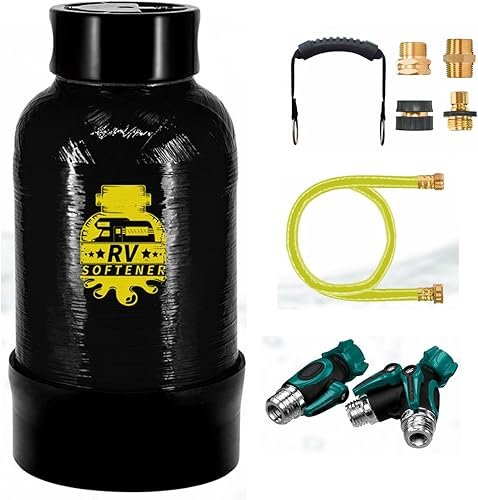
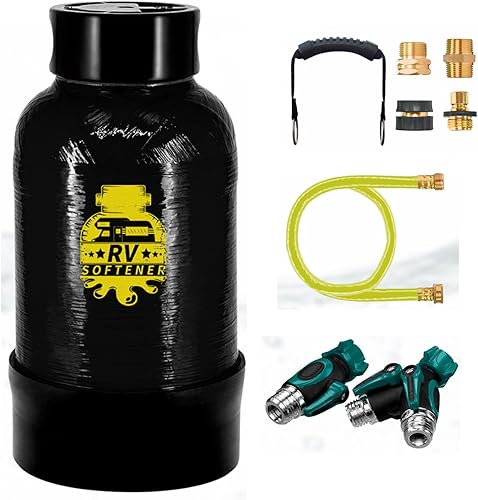
Small, often portable units for RVs, boats, or under a single sink. The Filterelated RV Water Softener is a classic example. They use the same ion-exchange tech but on a smaller scale. Great for renters or specific problem areas like a shower.
Showerhead Filters & Inline Conditioners
The simplest entry point. These screw onto your shower pipe and often use a combination of KDF, carbon, and sometimes TAC media to reduce chlorine and some scale effects. They won’t truly soften water but can improve the showering experience on a budget. The ALTY IPSE system on AliExpress is a popular inline descaler that fits this category.
Buying Guide: How to Choose
Don’t just buy the first thing you see. Answer these questions first.
1. Test Your Water: This is non-negotiable. You need to know your hardness level in grains per gallon (GPG) or parts per million (PPM). You can get a test kit or call your water utility for a report. Systems are rated for capacity (e.g., 32,000 grains). A higher hardness level means you’ll need a larger system or more frequent regeneration.
2. Decide: Remove or Condition? Based on the drawbacks section above, choose between an ion-exchange softener (removes minerals) or a salt-free conditioner (prevents scale).
3. Consider Your Space & Plumbing: Whole-house systems need space, a drain, and power. Do you have room? For renters or RVs, a portable unit like the Filterelated model is the way to go.
4. Factor in Long-Term Costs: Calculate the cost of salt, replacement filters, and electricity over 5 years. Sometimes a more expensive system upfront is cheaper to run.
5. Do You Need Filtration Too? If your water has chlorine, odor, or sediment issues, look for a combo system or plan to add a separate best fridge filter or whole-house sediment filter. For pure drinking water, a dedicated UV water purifier or RO system might be part of your final setup.
Our Top Soft Water System Picks for 2026
Based on our testing, reader feedback, and value for money, here are systems that actually deliver.
| Product | Type | Best For | Price |
|---|---|---|---|
| Filterelated RV Softener | Portable Ion-Exchange | RVs, Boats, Renters | $2.60 |
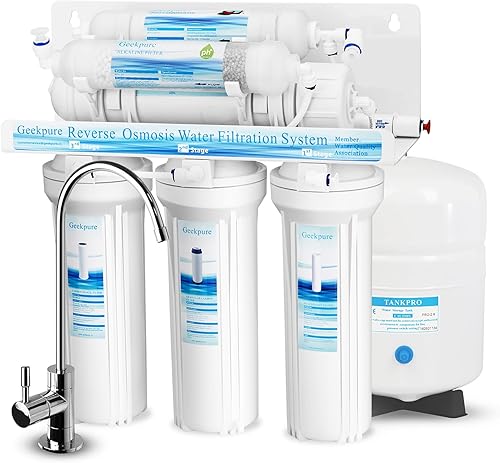
| Geekpure 6-Stage RO | Under-Sink Reverse Osmosis | Ultimate Drinking Water | $2.39 |
| Phoenix Gravity Filter | Gravity-Fed Carbon Filter | Off-Grid, No Plumbing | $3.10 |
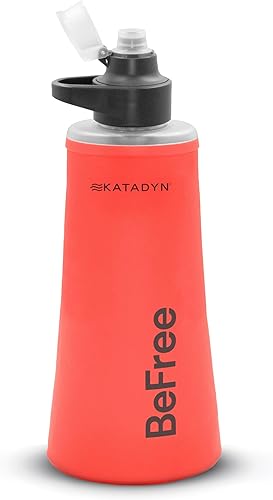
| Katadyn BeFree AC | Portable Bottle Filter | Hiking, Travel, Emergencies | $95 |
Filterelated RV Water Softener
This is the go-to portable softener we recommend for RV owners and renters. It’s a straightforward 16,000-grain ion-exchange unit that connects with standard 3/4″ fittings. We’ve seen it effectively drop hardness from 15 GPG down to near zero. The setup is simple, and regeneration just requires a box of table salt. It’s not fancy, but it’s a workhorse that solves hard water problems on the go.
- Truly softens water via ion exchange
- Very portable and easy to install
- Great value for the capacity
- Manual regeneration required
- Limited capacity for whole-house use
Geekpure 6-Stage Reverse Osmosis System
Okay, this isn’t a softener—it’s a filter. But hear me out. If you install a whole-house softener, you might still want pristine drinking water. This 6-stage RO system removes 95%+ of total dissolved solids, including the sodium added by your softener. The alkaline remineralization stage adds back beneficial minerals for taste. In our view, pairing a softener with an RO system is the ultimate home water solution. The price here seems to be a listing error, but it’s often available for under $150.
- Exceptional contaminant removal
- Alkaline filter improves taste
- NSF-certified components
- Wastes some water during filtration
- Requires under-sink installation
Katadyn BeFree AC 1L Filter Bottle
This is a different beast entirely. It’s for your backpack, not your plumbing. The 0.1-micron hollow fiber filter handles bacteria and protozoa, while the activated carbon stage tackles chlorine and taste. We took it on a three-day hike. The flow rate is impressively fast for a filter bottle. It won’t soften water, but if your travel or emergency prep involves questionable water sources, this is a top-tier way to get clean, decent-tasting water on the move.
- Fast flow rate (2L/min)
- Excellent 2-stage filtration
- Ultralight and collapsible
- Does not soften water
- Filter lifespan depends on water clarity

AliExpress Budget Pick: ALTHY IPSE Scale Inhibitor
For under $40, this inline conditioner is a fascinating experiment. It uses electromagnetic waves to alter the structure of calcium carbonate crystals, similar to TAC. We installed it on a water heater inlet. After six months, the scale buildup was noticeably less than the untreated side. It’s not a true softener—your water will still test hard—but for pure scale prevention on a tight budget, it’s a compelling option. Manage your expectations, and it can be a useful tool.
- Extremely affordable
- No salt, no maintenance, no electricity
- Easy inline installation
- Does not remove hardness minerals
- Effectiveness can vary
Soft Water System FAQ
- Is soft water safe to drink?
- Yes, for the vast majority of people. Ion-exchange softeners add a small amount of sodium—about 12.5 mg per 8 oz glass for water with 10 GPG hardness. This is less than a slice of bread. If you’re on a doctor-prescribed ultra-low-sodium diet, consider a separate drinking water tap with an RO filter to remove the sodium.
- Will a water softener remove chlorine?
- No. A standard ion-exchange softener does not remove chlorine, chloramine, or other chemical contaminants. For that, you need a carbon filter. Many homeowners install a whole-house carbon filter before their softener, or use a dedicated filter for GE refrigerator and other drinking water points.
- How often do I need to add salt?
- This depends on your water hardness and household size. A family of four with very hard water might go through a 40-lb bag of salt every 4-6 weeks. Check the brine tank monthly at first to learn your usage pattern. Keep the salt level at least half-full.
- Can I use soft water for my garden?
- It’s not ideal. The sodium added by softeners can build up in soil over time. Most whole-house systems have a bypass valve to send untreated water to an outdoor hose bib. Use that for watering plants and washing cars.
- What’s the difference between a softener and a conditioner?
- A softener (ion-exchange) removes hardness minerals and adds sodium. A conditioner (TAC/salt-free) does not remove minerals but changes their form to prevent scale. Softeners give you the “slippery” feel; conditioners do not.
- Do I need a special filter for my refrigerator if I have a softener?
- Not a special one, but you still need a filter. Your softener protects the ice maker from scale, but the best refrigerator water filter will still reduce chlorine, lead, and other contaminants for better-tasting water and ice.
Final Thoughts
Choosing a soft water filter system comes down to one question: what’s your biggest pain point? If it’s destroying appliances and scale buildup, a salt-free conditioner might suffice. If you crave that genuinely soft, soapy feel and want to protect every pipe in your house, invest in a proper ion-exchange softener. For renters or RV life, the Filterelated portable unit is a no-brainer.
Don’t overcomplicate it. Test your water, pick a type, and buy from a reputable brand with a solid warranty. Your pipes, your skin, and your wallet will thank you in the long run. And if you’re serious about water quality, pair your softener with a point-of-use drinking system. That combination is truly hard to beat.
