


Choosing between a water softener and a water filter feels like a plumbing puzzle. I’ve spent years testing systems, and the confusion is real. This guide clears it up. We’ll cover what each does, how they work together, and which setup makes sense for your home.
- What a water softener and water filter actually do
- How they work and key benefits
- The main types and how to choose
- Our top product picks for 2026
What Is a Water Softener and Water Filter?
Let’s get the basics straight. A water softener is a specific type of treatment system designed to remove hardness minerals—primarily calcium and magnesium—from your water. It uses a process called ion exchange, swapping those hardness ions for sodium or potassium ions. The result is “soft” water that doesn’t leave scale on your fixtures or inside your pipes.
A water filter is a broader category. It removes a wide range of contaminants to improve water quality for drinking, cooking, and bathing. This can include chlorine, sediment, heavy metals like lead, volatile organic compounds (VOCs), and even some microbes. Filters use various media like activated carbon, sediment membranes, and sometimes UV water disinfection for biological threats.
The core difference? A softener changes water’s mineral composition. A filter cleans it of unwanted substances. Many homes, especially those with hard water and municipal supplies, benefit from having both. Think of it this way: the softener protects your plumbing and appliances, while the filter protects you.
How They Work
The Softening Process
Most whole-house softeners use a mineral tank filled with resin beads and a brine tank. The resin beads are charged with sodium ions. As hard water flows through, the calcium and magnesium ions stick to the beads, displacing the sodium into your water. It’s a simple swap. Eventually, the resin gets saturated. The system then regenerates, flushing the brine tank’s salt solution through the mineral tank to recharge the beads and wash the hardness ions down the drain.
This process is highly effective for scale prevention. But it doesn’t remove contaminants. That’s why you’ll often see a water softener salt bridge mentioned in maintenance guides—it’s a common issue where salt forms a hard crust in the brine tank, interrupting regeneration.
The Filtration Process
Filtration is more varied. A basic sediment filter acts like a screen, catching dirt and rust particles. Activated carbon filters work through adsorption—contaminants stick to the carbon’s vast surface area. This is excellent for chlorine, which causes bad taste and odor, and many organic chemicals.
For serious purification, reverse osmosis (RO) forces water through a semipermeable membrane with incredibly tiny pores (0.0001 microns). It blocks most dissolved solids, including salts, fluoride, and lead. Some whole-house systems combine sediment, carbon, and sometimes KDF media for a multi-stage approach. For a dedicated point-of-use solution, a bathroom sink water filter can target drinking water at a single tap.
Key Benefits
Softer Skin and Hair: This is the benefit people notice first. Soft water allows soaps and shampoos to lather properly and rinse clean, preventing the dry, itchy feeling hard water causes. Filtered water, free of chlorine, further reduces skin irritation.
Appliance Longevity: Scale buildup is a killer for water heaters, coffee makers, and dishwashers. A softener can extend their lifespan by years. We’ve seen heating elements caked with scale fail in half the time.
Cleaner Dishes and Fixtures: Say goodbye to those chalky white spots on glasses and shower doors. Soft water prevents them. Filters that remove sediment also keep your faucets and showerheads from clogging.
Better-Tasting, Safer Water: A good filter removes the chlorine taste and odor from municipal water. More importantly, certified filters reduce harmful contaminants like lead, PFAS, and cysts, giving you genuine peace of mind about what you’re drinking.
Potential Drawbacks
Sodium in Softened Water: The ion exchange process adds a small amount of sodium to your water. For most people, it’s negligible. But if you’re on a strict low-sodium diet, you might want to use potassium chloride salt instead, or consider a point of entry treatment system that conditions water without adding sodium.
Maintenance and Cost: Both systems require upkeep. Softeners need salt and periodic cleaning. Filters need cartridge replacements. Neglect them, and they stop working—or worse, become a breeding ground for bacteria. There’s also the upfront cost to consider.
Wastewater: Traditional softeners use water during their regeneration cycle. Reverse osmosis systems also produce a brine wastewater stream. It’s a trade-off for the benefits they provide.
Types of Systems
Water Softeners
Ion-Exchange Softeners: The most common and effective type for true water softening. They’re what we recommend for moderate to very hard water. You can get metered systems that regenerate based on actual water use, saving salt and water.
Salt-Free “Conditioners”: These don’t remove hardness minerals. Instead, they alter their structure so they don’t stick to surfaces as scale. They work better in some water conditions than others and don’t provide the same “slippery” feel of soft water.
Water Filters
Whole-House Filters (Point of Entry): Installed where the water line enters your home. They treat all the water you use—showering, laundry, and taps. A large kinetico water filter system is a classic example of a comprehensive whole-house solution.
Point-of-Use Filters: These are installed at a specific tap, like under the kitchen sink. Reverse osmosis systems are popular here. A dedicated shower water filter is another point-of-use option that targets chlorine and vapors you inhale while bathing.
Shower Filters: A specific point-of-use filter that attaches between the shower arm and head. They’re great for renters or as a first step. They primarily reduce chlorine and some sediment, which can help with dry skin and hair.
Buying Guide
First, test your water. You can’t choose the right system without knowing what’s in it. Get a lab test or a reliable home test kit. Look for hardness in grains per gallon (GPG) and contaminants like chlorine, lead, or nitrates.
For Softeners: Size it based on your water hardness and family size. A family of four with 15 GPG water needs a different capacity than a couple with 25 GPG. Look for NSF/ANSI 44 certification for performance.
For Filters: Match the filter to your contaminants. NSF/ANSI 42 covers aesthetic effects like chlorine taste. NSF/ANSI 53 covers health effects like lead reduction. For the best protection, NSF/ANSI 58 is the standard for reverse osmosis systems.
Flow Rate: Make sure the system can handle your home’s peak demand. Nothing’s worse than a weak shower because your filter can’t keep up. Check the gallons per minute (GPM) rating.
Budget: Include ongoing costs. A cheap system with expensive replacement filters isn’t a bargain. Factor in salt for softeners and cartridges for filters over a 5-year period.
Top Picks for 2026
| Product | Type | Key Feature | Price |
|---|---|---|---|
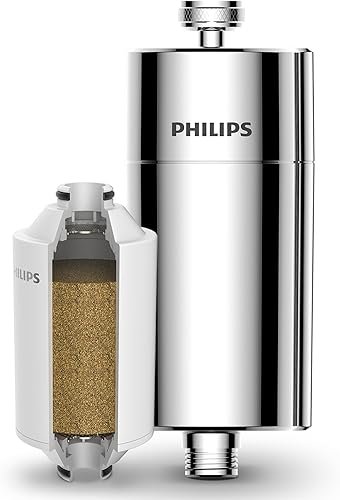
 Philips 3-Stage Shower Filter |
Shower Filter | 50,000L capacity, handles hot & cold water | $59 |
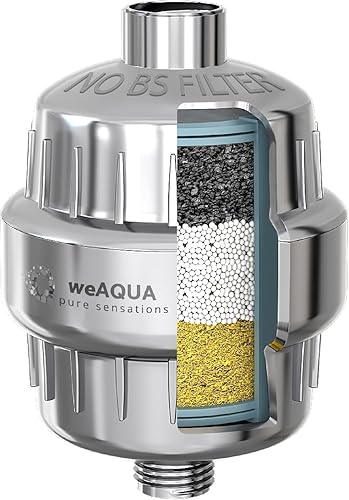 weAQUA Premium Shower Filter |
Shower Filter | 99% removal claim, 6-month life | $35 |
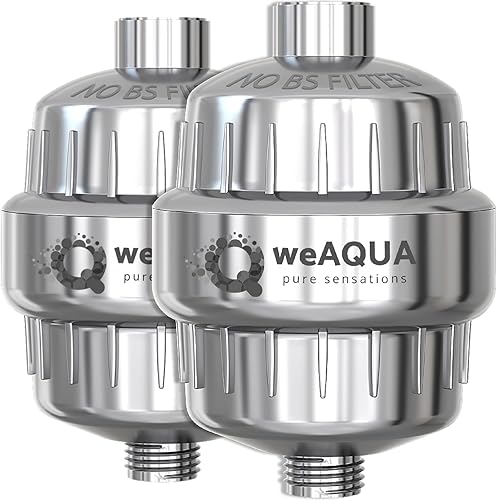 weAQUA Family 2-Pack |
Shower Filter (2-Pack) | 12 months of filtration, best value | $69 |
 Waterdrop X8 RO System |
Under-Sink RO | 800 GPD, 9-stage, NSF certified | $719 |
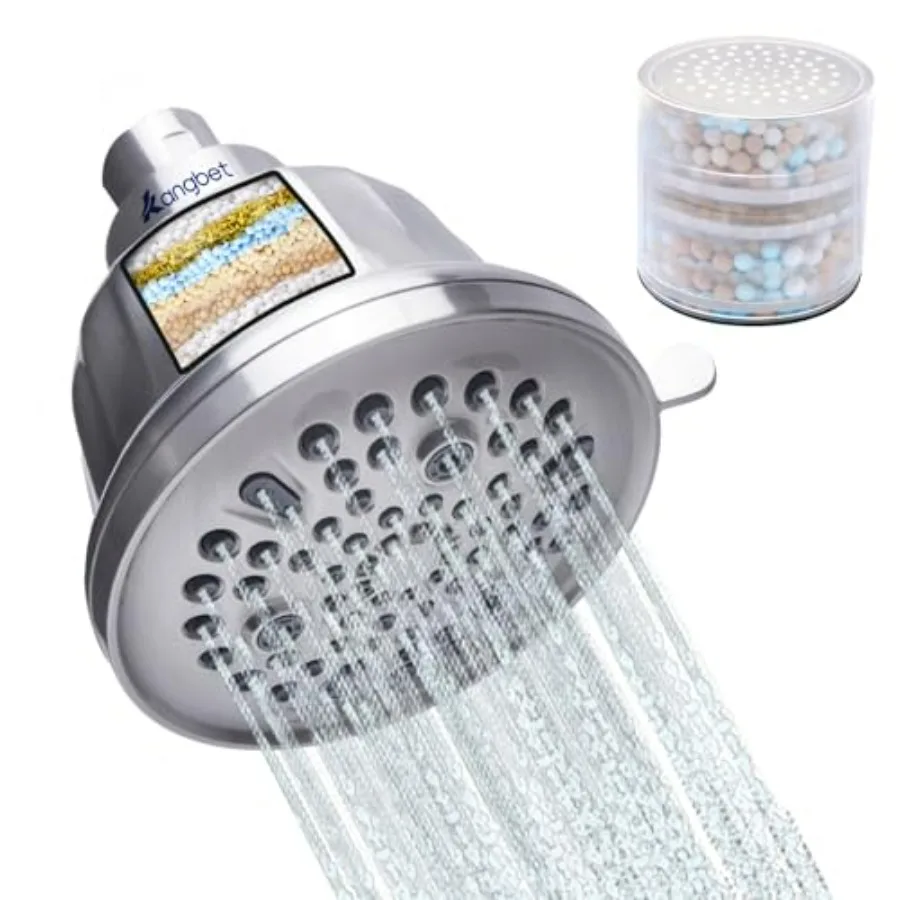 Filtered Shower Head (AliExpress) |
Shower Filter | Budget option, brushed nickel finish | $61.09 |
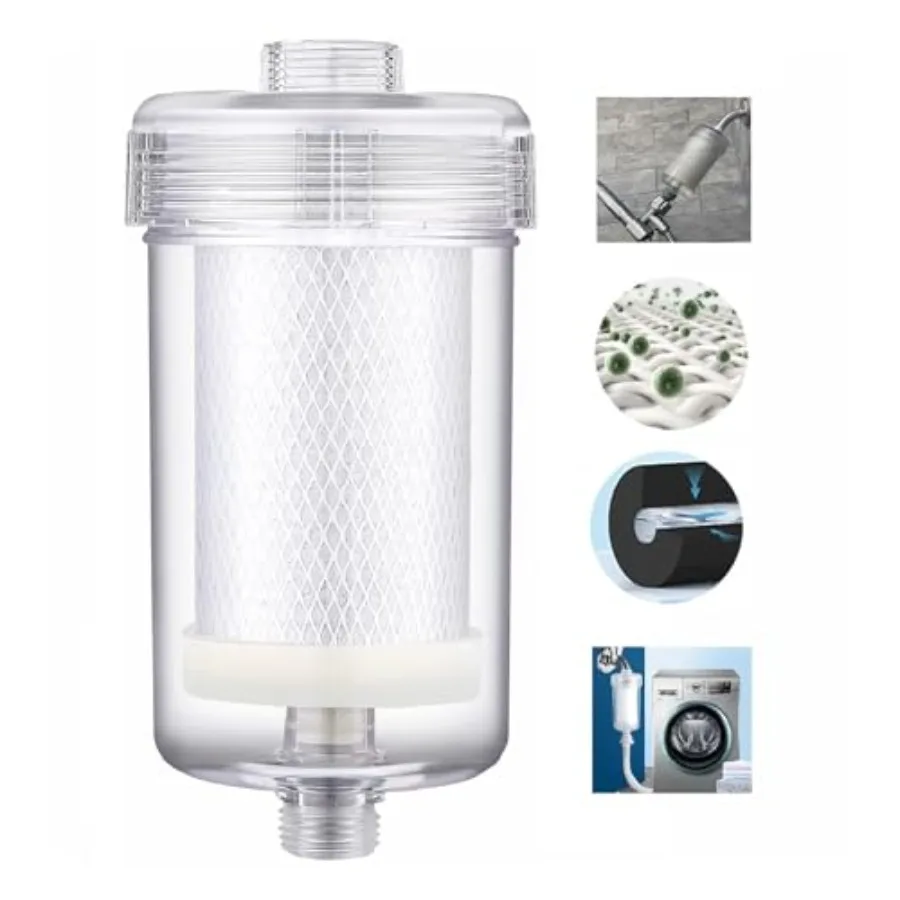 FA10 Washer Water Filter |
Washing Machine Filter | 1-micron filtration, protects clothes | $51.65 |
Philips Shower Filter 3-Stage Water Softener
This is a solid, no-fuss shower filter from a brand you know. The 50,000-liter capacity is impressive—it should last most families 4-6 months easily. We like that it’s rated for both hot and cold water, which isn’t always a given. The KDF and double mesh filtration handle chlorine and sediment well. Just know it’s a filter, not a true softener; it won’t remove hardness minerals, but it will reduce the chlorine that exacerbates dry skin.
- High filtration capacity
- Works with hot water
- Trusted brand
- Does not reduce TDS
- Primarily a chlorine/sediment filter
weAQUA Premium Heavy Duty Shower Filter
For the price, this weAQUA filter packs a lot of media: sediment, carbon, KDF, and calcium sulfite. The 99% removal claim is bold, but the multi-stage approach is legit for chlorine and heavy metals. The chrome design looks decent, and the 6-month lifespan is standard. It’s a great entry point if you want to test shower filtration without a big investment. Reader feedback on skin improvement has been positive.
- Multiple filtration media
- Very affordable
- Sleek design
- 6-month filter life
- Claims need independent verification
weAQUA Premium Heavy Duty Shower Filter Family 2 Pack
Honestly, this is the one I’d buy. The 2-pack gives you a full year of filtration upfront, which is just convenient. You put one in the main bathroom and have a spare for the guest bath or for later. The performance is identical to the single pack. If you have multiple showers, this is the smarter buy and saves you a few bucks per unit.
- 12 months of filtration included
- Best value per filter
- Same great filtration
- Higher upfront cost
- Same filter life as single pack
Waterdrop Reverse Osmosis Water Filter System (WD-X8)
This is a serious under-sink system. The 800 GPD (gallons per day) flow rate is massive—no waiting for a slow trickle to fill your glass. The 2:1 pure-to-drain ratio is excellent for an RO system, meaning less water waste. The NSF/ANSI 42, 58, and 372 certifications are the real deal, covering chlorine taste, TDS reduction, and lead-free materials. If you want the best drinking water, this is a top contender.
- High flow rate (800 GPD)
- Low wastewater ratio
- Comprehensive NSF certifications
- High upfront cost
- Requires under-sink installation
Filtered Shower Head for Hard Water (AliExpress)
This is a pure budget play. The brushed nickel finish looks good in the photos, and it claims to remove impurities. At this price, manage your expectations. It’s likely a basic carbon/KDF filter cartridge inside. It might help with chlorine odor, but don’t expect it to soften water or handle heavy metals. Worth a try if you’re curious about shower filtration and don’t want to spend much.
- Very low cost
- Includes shower head
- Brushed nickel finish
- Unknown filtration quality
- No certification data
- Long shipping times possible
FA10 Washer Water Filter (AliExpress)
This is a niche product, but clever. It filters water before it enters your washing machine. The 1-micron carbon+PP filter claims 99.5% chlorine removal, which can help protect clothes from harsh chemicals and keep colors from fading. It could also help with sensitive skin reacting to laundry detergent. If your washing machine is a high-end model, this cheap add-on might be a smart protective investment.
- Protects clothes and machine
- May help sensitive skin
- Easy to install on hose
- Unverified performance claims
- Filter life unknown
- Not a whole-house solution
FAQ
- Can a water filter also soften water?
- No, not unless it’s specifically designed as a softener. Standard filters remove contaminants but leave hardness minerals behind. Only an ion-exchange softener or a specific conditioner can address scale. Check the product specs for “softening” versus “filtering.”
- Do I need a water softener if I have a whole-house filter?
- It depends on your water hardness. A whole-house filter won’t stop scale buildup. If you have hard water (over 7 GPG), you’ll likely see benefits from adding a softener to protect your plumbing, water heater, and appliances from damage.
- How often do I need to change the filters?
- It varies wildly. Shower filters last 6 months typically. Under-sink carbon filters might last 6-12 months. Reverse osmosis membranes can last 2-4 years. Always follow the manufacturer’s schedule based on your water usage and quality.
- Is softened water safe to drink?
- For most people, yes. The added sodium is minimal—often less than a slice of bread. However, if you’re on a doctor-prescribed low-sodium diet, consider using potassium chloride salt or installing a reverse osmosis system for your drinking water tap to remove the sodium.
- What’s the most important certification to look for?
- For health-related contaminant reduction, look for NSF/ANSI 53. For reverse osmosis systems, NSF/ANSI 58 is key. NSF/ANSI 42 covers aesthetic effects like chlorine taste. These independent certifications verify the manufacturer’s claims.
Final Thoughts
After years of testing, the single biggest mistake I see is buying the wrong tool for the job. A filter won’t stop your shower glass from spotting. A softener won’t make your tap water taste better. Get your water tested, identify the problem, then choose.
For most homes with hard municipal water, a combo is ideal: a whole-house softener followed by a point-of-use drinking water filter. Start with a quality shower filter like the weAQUA 2-pack—it’s a low-risk way to feel the difference soft, filtered water makes on your skin and hair today.
