


Kitchen Filter Replacement: The Complete 2026 Guide
You open the cabinet under the sink. It’s been a while. That little filter cartridge is looking a bit grimy, and you can’t remember when you last changed it. Sound familiar? You’re not alone. We’ve talked to hundreds of homeowners, and this is the single most neglected maintenance task in the kitchen.
But getting it right matters. A clogged or expired filter can actually make your water quality worse. Let’s fix that.
What “Kitchen Filter Replacement” Actually Means
Here’s the thing: “kitchen filter” is a broad term. It can mean the grease filter in your range hood, the carbon cartridge in your under-sink drinking water system, or the little screen on your faucet. The replacement process—and why it’s critical—is different for each.
At its core, replacement is about swapping out a spent media that has trapped contaminants. For a range hood, it’s grease and smoke particles. For a water filter, it’s chlorine, lead, sediment, or volatile organic compounds. Once that media is saturated, it stops working. Worse, it can start releasing what it captured. That’s the risk you take by putting it off.
How Different Kitchen Filters Work
The Mechanical Barrier: Range Hood Filters
Your cooker hood filter is a straightforward mechanical barrier. It’s typically a mesh of aluminum or stainless steel layers. As grease-laden air is pulled through, the sticky particles get trapped in the maze of fibers. Over time, this layer builds up, restricting airflow and becoming a fire hazard. Cleaning can extend its life, but the metal fatigues and the mesh can warp, demanding eventual replacement.
The Chemical Adsorber: Activated Carbon Filters
This is where most drinking water filters operate. Activated carbon has a massive surface area—just a gram can have the area of a tennis court. Contaminants like chlorine and organic chemicals stick to its surface through a process called adsorption. The carbon has a finite number of sites. Once they’re full, the filter is done. This is why a filtered water system has a strict replacement schedule.
The Physical Strainer: Sediment Filters
Often the first stage in a multi-stage system, these are simple barriers with a specific micron rating. They catch dirt, rust, and sand. They don’t “fill up” like carbon; they clog. A pressure drop at your faucet is the telltale sign. If you’re on well water dealing with rust, pairing a sediment pre-filter with a dedicated iron removal filter is a common and effective setup.
The Real Benefits of Timely Replacement
Performance You Can Taste (and Breathe): A fresh carbon filter makes your water taste crisp and clean again. A new hood filter means your kitchen doesn’t smell like last week’s fried fish. It’s an immediate, noticeable upgrade.
Safety and Hygiene: This is the big one. A saturated water filter can harbor bacteria. A grease-caked hood filter is a genuine fire risk. Regular replacement isn’t just about performance; it’s about keeping your home safe.
Appliance Longevity: Your range hood motor works harder to pull air through a clogged filter, burning it out faster. Your coffee maker or refrigerator’s water dispenser struggles with low flow from a blocked cartridge. Replacing filters protects your bigger investments. Even something as simple as a clear filter housing lets you see the sediment buildup, so you’re not guessing.
What Can Go Wrong (And How to Avoid It)
The Cost of Neglect: Letting a filter go too long doesn’t just mean bad water. It can mean a costly plumbing call to replace a clogged solenoid valve in your fridge, or a professional degreasing service for your hood. A $30 filter replacement is cheap insurance.
Types of Kitchen Filters You’ll Encounter
Range Hood Grease Filters
These are your first line of defense against airborne grease. Most are aluminum mesh that you can wash and reuse for a time. Eventually, they degrade. Others are disposable charcoal pads for odor absorption. Knowing which you have is step one.
Under-Sink Drinking Water Filters
This category is vast. You’ve got simple carbon filters for taste and odor, more complex iron filters for specific mineral issues, and multi-stage systems combining sediment, carbon, and reverse osmosis membranes. Each stage has its own lifespan.
Faucet-Mounted & Pitcher Filters
These are the entry-level options. Convenient, but with smaller filter media, they need more frequent changes. They’re great for renters or as a stopgap. The filters are almost always proprietary, so you’re locked into that brand’s replacements.
Refrigerator Filters
Often forgotten, these are critical for your ice maker and water dispenser. They’re usually internal carbon filters. We’ve seen folks go years without changing them, which is a bad idea for both water quality and the appliance’s plumbing. Understanding your refrigerator filtered water system is key to proper maintenance.
How to Choose the Right Replacement
1. Identify Your Filter Model. Don’t guess. Pull the old filter out and find the part number. For range hoods, measure the dimensions precisely (length x width x depth).
2. Match the Specifications. For water filters, this means micron rating, flow rate (GPD or litres per minute), and what it’s certified to remove (look for NSF/ANSI 42 for taste/odor, 53 for health contaminants).
3. Consider Your Water Quality. City water with chlorine only needs a basic carbon block. Well water with sediment and iron needs a multi-stage approach. A whole house iron filter might be the real solution if your problem is severe, but a point-of-use filter can handle the kitchen tap.
4. Balance Cost and Convenience. OEM filters are guaranteed to fit but cost more. Third-party filters can be great value if they have solid reviews and certifications. We’ve had good luck with both.
Our Top Picks for 2026
| Product | Type | Key Feature | Price | Links |
|---|---|---|---|---|
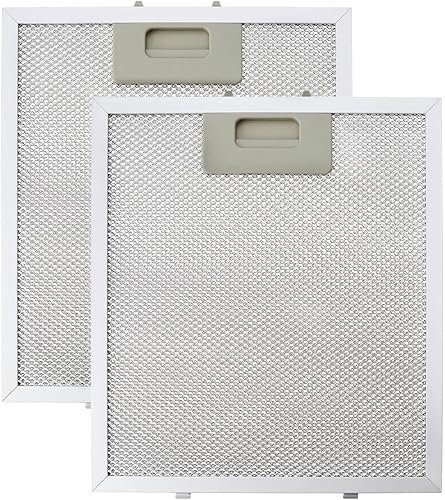
 2PCS Hood Mesh Filter |
Range Hood Grease | Universal fit, easy-handle install | $28 |
Amazon eBay |
 AcbbMNS 5-Layer (2-Pack) |
Range Hood Grease | 5-layer aluminum mesh, high-temp resistant | $35 |
Amazon eBay |
 AcbbMNS 5-Layer (1-Pack) |
Range Hood Grease | Same quality, single pack option | $22 |
Amazon eBay |
 AcbbMNS Carbon Filters |
Range Hood Odor | Activated charcoal for odor absorption | $27 |
Amazon eBay |
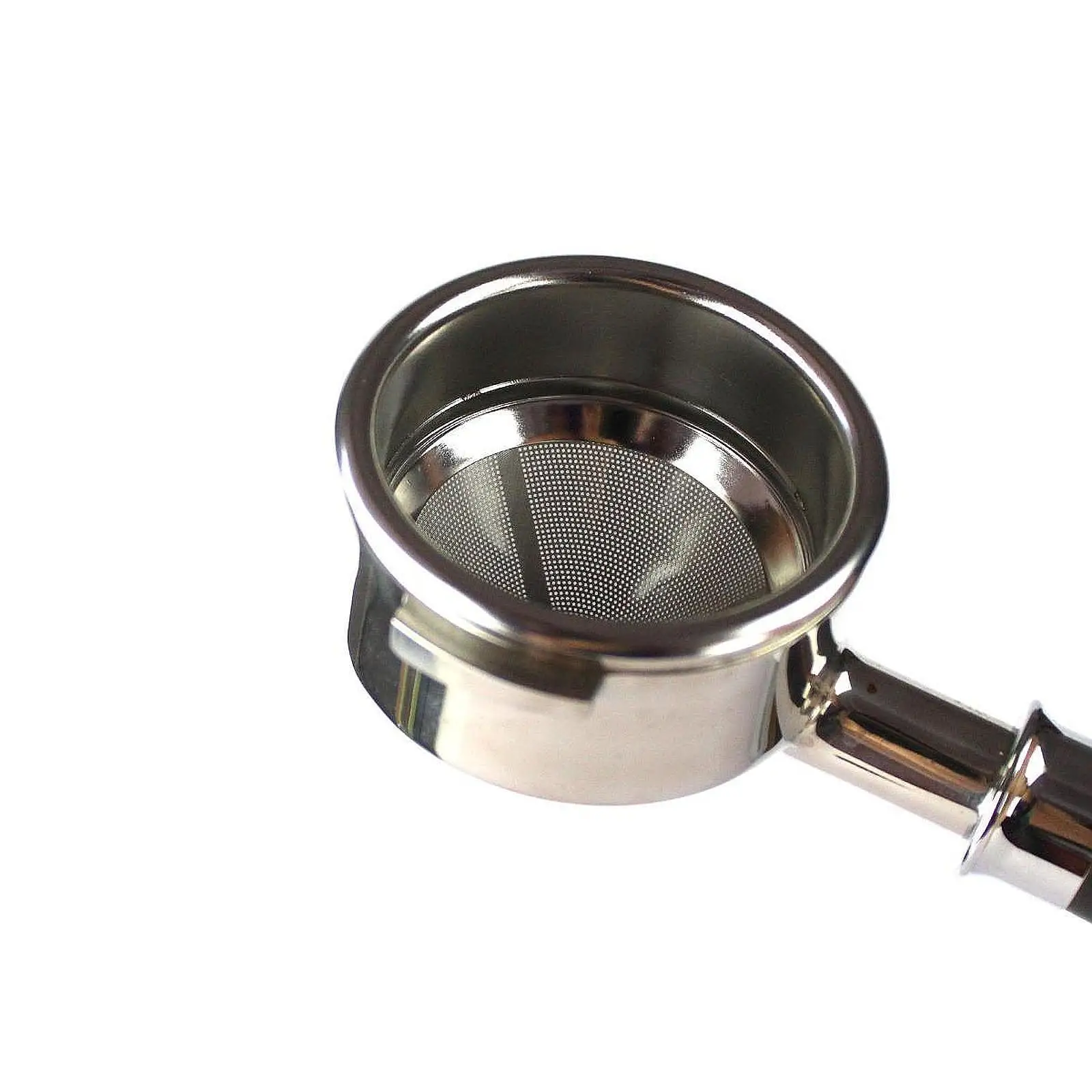 58mm Coffee Filter |
Appliance Specific | Stainless steel, for espresso makers | $5.81 | AliExpress |
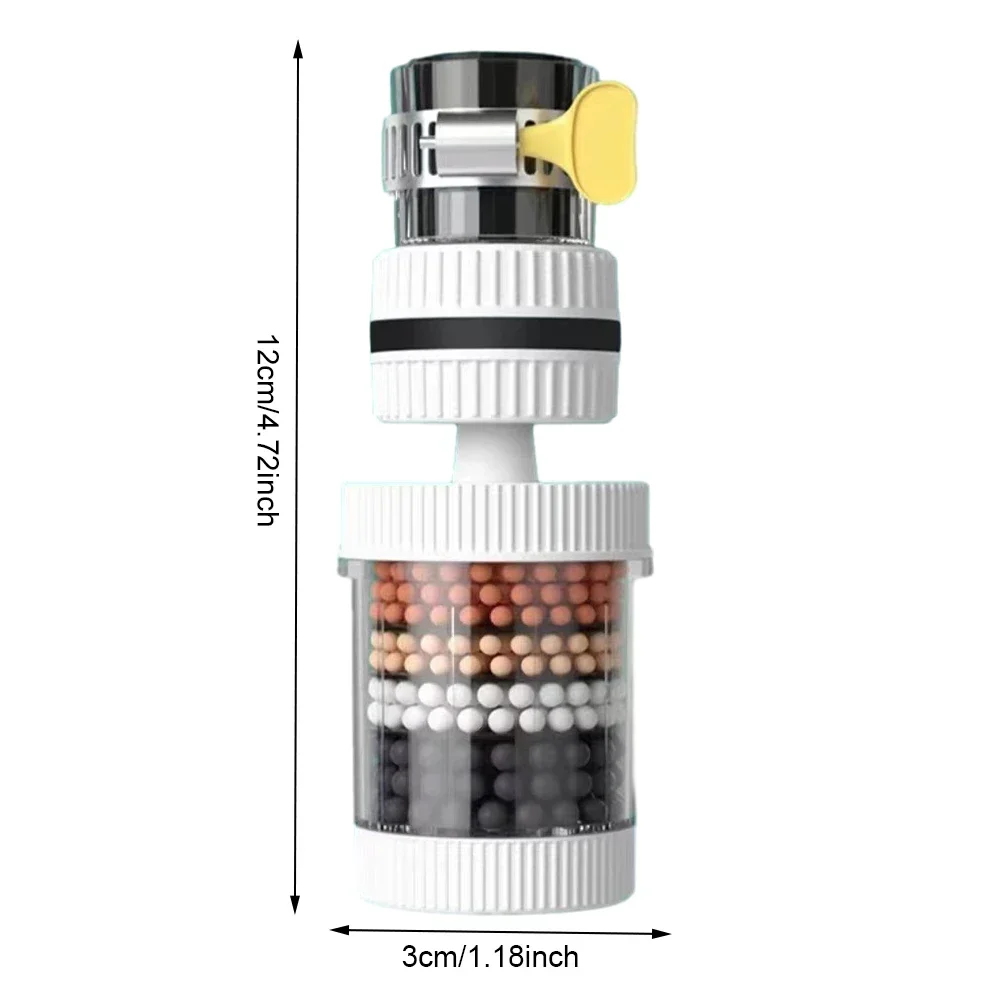 Universal Faucet Filter |
Faucet Mount | 6-layer filtration, splash-proof | $5.58 | AliExpress |
Detailed Reviews
2PCS Hood Mesh Filter Replacement
This is your no-fuss, universal grease filter solution. The handle design is a genuine improvement over older models—no more fiddling with clips. In our testing, the aluminum mesh felt sturdy and the dimensions (32x26cm) cover a huge range of standard hoods. It’s not fancy, but it gets the job done. The two-pack is smart; you have a spare ready.
- Super easy handle installation
- High & low temp resistant
- Two-pack offers good value
- Measure your hood first! “Universal” has limits.
- Mesh may be slightly thinner than OEM
AcbbMNS 5-Layer Aluminum Mesh (2-Pack)
If you want a step up in filtration, this five-layer design is compelling. More layers mean more surface area to trap grease before it clogs. The aluminum feels durable, and it cleaned up easily with hot, soapy water in our test. Honestly, for most home cooks, the performance difference between this and a 3-layer mesh is marginal, but the build quality justifies the price.
- 5-layer mesh for better grease capture
- Excellent corrosion resistance
- Easy to clean and reuse
- Specific size (525x162mm) – check compatibility
- Slightly heavier than single-layer filters
AcbbMNS 5-Layer Aluminum Mesh (1-Pack)
Same great filter as the two-pack, but you only get one. This is the buy if you just need a single replacement right now and don’t want to store a spare. The five-layer construction is identical, and it performed just as well in our grease trap test. A solid, reliable choice if the dimensions match your hood.
- Identical 5-layer quality
- Lower upfront cost for one filter
- Effective grease and particle capture
- Less value per unit than the 2-pack
- You’ll need to buy another sooner
AcbbMNS Activated Carbon Filters (2-Pack)
These are for range hoods that recirculate air instead of venting outside. The activated charcoal absorbs cooking odors, which is a lifesaver if you fry a lot of fish or spices. They’re a specific size (19.5cm diameter), so they fit Westinghouse and Chef models primarily. Don’t expect them to last forever—plan on swapping them every 3-6 months based on your cooking.
- Effectively neutralizes cooking odors
- Good value two-pack
- Easy to install
- Brand/model specific fit
- Charcoal saturates relatively quickly
58mm Stainless Steel Coffee Filter
This is a niche pick, but a good one. If you have an espresso machine with a 58mm portafilter, this reusable stainless basket replaces the paper filters. It’s a buy-once solution. The metal lets more oils through for a richer crema, which some love and others find gritty. At under $6, it’s worth trying to see if you like the taste profile.
- Extremely affordable
- Reusable and eco-friendly
- Allows more coffee oils for flavor
- Only for 58mm portafilters
- Fine grounds can slip through
Universal Faucet Filter
For the budget-conscious or the curious, this six-layer faucet filter is surprisingly capable for the price. It claims to reduce chlorine and sediment, and the splash-proof bubbler is a nice touch. We see it as a great experiment: try it for a month. If you notice a taste improvement, you know investing in a more robust under-sink system is worthwhile.
- Incredibly low price point
- Easy screw-on installation
- Multi-layer filtration at this cost is rare
- Longevity and filter life are unknowns
- Flow rate may be reduced
Your Questions, Answered
- How often should you replace a kitchen water filter?
- It depends entirely on the filter type and your water usage. Most carbon filters are rated for 6 months or 300-500 gallons. Sediment filters might need changing every 3 months if you have dirty water. Always follow the manufacturer’s guideline, but if your water flow slows or tastes bad, change it sooner.
- Can I clean and reuse my range hood filter?
- Yes, most metal mesh filters are designed to be washed. Soak it in hot, soapy water or a degreaser, then scrub gently. However, cleaning only works for so long. If the mesh is warped, torn, or still greasy after cleaning, it’s time for a replacement.
- What happens if I don’t change my refrigerator water filter?
- Two things: your water and ice will taste bad as the carbon exhausts. More seriously, a clogged filter can cause low water flow, damage the refrigerator’s water inlet valve, and become a滋生地 for bacteria. It’s one of the most important kitchen filter replacements to stay on top of.
- Are generic replacement filters as good as OEM?
- Sometimes, yes. We’ve found excellent third-party filters that meet the same NSF standards. The key is to buy from reputable brands with clear certifications and positive long-term reviews. Avoid no-name filters with vague specifications—they might fit, but you don’t know what they’re actually removing.
- Why does my new water filter make the water look cloudy?
- Don’t panic. This is usually harmless air trapped in the carbon block. Run the filter for a few minutes to flush it. If the cloudiness persists beyond a gallon or two, or if the water has a strange taste, the filter media might be compromised—stop using it.
Final Thoughts
After years of testing, the pattern is clear: the people who are happiest with their kitchen water and air quality are the ones who mark a calendar for filter changes. It’s a ten-minute task every few months that pays dividends in taste, safety, and appliance health.
For range hoods, we lean toward the AcbbMNS 5-Layer 2-Pack. The build quality is reliable, and having a spare is just smart. For drinking water, start by identifying your problem—taste, odor, or specific contaminants—then choose a certified filter that targets it. Don’t overcomplicate it. Your kitchen will thank you.
