


.oi-article{font-family:system-ui,-apple-system,sans-serif;color:#1a1a1a;line-height:1.8;max-width:820px;margin:0 auto}
.oi-article h2{color:#0e4a6e;border-bottom:2px solid #0e4a6e;padding-bottom:8px;margin-top:35px;font-size:1.6em}
.oi-article h3{color:#1a6b8a;margin-top:25px;font-size:1.3em}
.oi-toc{background:#f0f7fb;border-left:4px solid #0e4a6e;padding:20px 25px;margin:25px 0;border-radius:6px}
.oi-toc ul{list-style:none;padding:0;margin:0}.oi-toc li{padding:5px 0}
.oi-toc a{color:#0e4a6e;text-decoration:none;font-weight:500}.oi-toc a:hover{text-decoration:underline}
.oi-tip{background:#e8f5e9;border-left:4px solid #2e7d32;padding:15px 20px;margin:20px 0;border-radius:6px}
.oi-warn{background:#fff3e0;border-left:4px solid #ef6c00;padding:15px 20px;margin:20px 0;border-radius:6px}
.oi-tldr{background:#e3f2fd;border-left:4px solid #1565c0;padding:15px 20px;margin:20px 0;border-radius:6px;font-size:1.05em}
.oi-cmp-table{width:100%;border-collapse:collapse;margin:25px 0;font-size:0.95em}
.oi-cmp-table th{background:#0e4a6e;color:#fff;padding:12px 10px;text-align:left}
.oi-cmp-table td{padding:10px;border-bottom:1px solid #e0e0e0;vertical-align:middle}
.oi-cmp-table tr:hover{background:#f5f5f5}
.oi-cmp-table img{max-width:80px;height:auto;border-radius:6px}
.oi-btn{display:inline-block;padding:8px 16px;border-radius:5px;color:#fff!important;text-decoration:none;font-size:0.85em;font-weight:600;margin:3px 4px 3px 0}
.oi-btn-amz{background:#f0960a}.oi-btn-amz:hover{background:#d4840a}
.oi-btn-ebay{background:#0654ba}.oi-btn-ebay:hover{background:#044a9e}
.oi-btn-ali{background:#e43225}.oi-btn-ali:hover{background:#c42a1f}
.oi-review{overflow:hidden;margin:25px 0;padding:20px;background:#fafafa;border-radius:8px;border:1px solid #e8e8e8}
.oi-review img{float:right;max-width:140px;margin:0 0 15px 20px;border-radius:8px}
.oi-pros-cons{display:flex;gap:20px;margin:10px 0}.oi-pros,.oi-cons{flex:1}
.oi-pros li{color:#2e7d32}.oi-cons li{color:#c62828}
.oi-faq dt{font-weight:700;color:#0e4a6e;margin-top:18px}.oi-faq dd{margin:5px 0 0 0}
.oi-disclosure{background:#f5f5f5;padding:15px 20px;margin-top:35px;border-radius:6px;font-size:0.9em;color:#555}
Yellow Water From Your Tap? Here’s Exactly What’s Happening and How to Fix It (2026)
You turn on the faucet expecting clear water. Instead, something that looks like weak tea pours out. Yellow water is one of the most common complaints we hear from readers, and honestly, it’s one of the most misunderstood. The causes range from harmless to concerning. The good news? Most are fixable without replacing your entire plumbing system.
In this guide, we’ll cover:
- What actually causes yellow water (it’s not always what you think)
- How to identify the specific culprit in your home
- The best filtration solutions for each cause
- When to call a plumber vs. when a filter solves it
What Is Yellow Water?
Yellow water is exactly what it sounds like — tap water that appears yellow, amber, or brownish instead of clear. We’ve tested samples from hundreds of homes over the years, and the color spectrum ranges from barely-there straw yellow to deep rust brown. The shade tells you something about the cause.
Light yellow water usually points to tannins — organic compounds from decaying vegetation that get into groundwater. Think of it like steeping tea. Darker yellow or brownish water? That’s more likely iron or manganese, metals that oxidize when they hit the air coming out of your faucet.
Here’s what most people get wrong: they assume yellow water is contaminated and unsafe. Sometimes it is. But often it’s an aesthetic problem — the water tests fine for bacteria and most chemicals, it just looks terrible and tastes like pennies. The key is figuring out which situation you’re dealing with before spending money on a fix.
How Yellow Water Happens
Iron and Rust
This is the big one. We see it constantly in homes built before the 1970s. Iron pipes corrode from the inside, and rust flakes break loose — especially after a water main repair or when your utility flushes hydrants. The particles are tiny, often invisible until they accumulate in a glass. Your water might run clear most mornings, then turn yellow after the utility does maintenance down the street.
Dissolved iron is trickier. It’s invisible in the water but oxidizes when exposed to air, turning yellow or orange. You’ll notice orange stains in your toilet bowl, bathtub, and around drains. That’s your smoking gun. If you see those stains, iron is almost certainly the issue.
Manganese
Manganese works similarly to iron but produces darker staining — think black or dark brown spots rather than orange. It’s common in well water, particularly in areas with certain geological formations. At low concentrations, manganese causes a yellowish-brown tint. At higher levels, the water looks almost black. It also leaves a metallic, slightly sweet taste that’s unmistakable once you’ve tasted it.
Tannins
Tannins are what give swamp water that tea-colored look. They come from decaying plant matter in the soil, and they seep into groundwater, especially in areas with lots of peat or wetlands nearby. Tannin water is typically clear-yellow and doesn’t settle out — it’s dissolved, not particulate. The water might taste slightly earthy but is generally harmless at typical concentrations.
Municipal System Issues
Sometimes the problem isn’t your house at all. Water mains break. Utilities flush lines. Construction stirs up sediment in aging distribution systems. If your yellow water appeared suddenly and your neighbors have the same issue, call your water utility first. They can tell you if they’re doing maintenance and when it’ll clear up. No filter needed — just patience and maybe a pitcher of clean water for drinking in the meantime.
Why Fixing Yellow Water Matters
Protects your plumbing and fixtures. Iron and manganese don’t just discolor water — they build up inside pipes, water heaters, and appliances. We’ve pulled apart water heaters caked with rusty sediment that reduced efficiency by 30% or more. Dishwashers, washing machines, ice makers — they all suffer. The staining on porcelain and fiberglass is often permanent if you let it go too long.
Improves taste dramatically. Metallic water tastes bad. Full stop. Cooking with it changes the flavor of coffee, tea, pasta, rice — anything that absorbs water. Once you fix the yellow water issue, you’ll notice the difference in your food immediately. Many readers tell us they didn’t realize how much their water was affecting their cooking until they fixed it.
Extends appliance lifespan. A quality water conditioner system doesn’t just fix discoloration — it prevents the mineral buildup that shortens the life of expensive appliances. Your water heater alone costs $800-1,500 to replace. Protecting it with proper filtration pays for itself.
Gives you peace of mind. Even if your yellow water tests safe, nobody wants to drink something that looks like it came from a rusty pipe. Knowing the cause — and having a solution in place — means you stop second-guessing every glass you pour.
Potential Health Concerns
Let’s be straight with you. Most yellow water is annoying, not dangerous. Iron staining your toilet? Cosmetic problem. Tannins making your water look like iced tea? Aesthetic issue. But there are exceptions.
Manganese is the one to watch. Recent research has tightened the recommended limits, and for good reason — long-term exposure to elevated manganese affects brain development in infants and young children. If you’re on well water and seeing brownish-yellow discoloration, test specifically for manganese. Don’t just assume it’s iron.
Iron bacteria are another concern we don’t see discussed enough. These microorganisms feed on dissolved iron and create a slimy orange or yellow coating inside pipes. They’re not directly harmful to drink, but they create conditions where other, more dangerous bacteria can thrive. If your pipes have a slimy residue when you flush them, iron bacteria might be present.
The bottom line: test your water. A basic test kit costs $20-40 and tells you exactly what you’re dealing with. Don’t guess. Don’t assume. Test.
Types of Yellow Water Problems
Particulate Iron (Rust)
Physical rust particles suspended in your water. Settles out if you let water sit. Causes orange/brown staining. Most common in older homes with galvanized steel pipes. Solution: sediment filtration, typically a 5-micron or smaller filter catches these particles effectively.
Dissolved Iron
Iron that’s chemically dissolved in the water — invisible until it oxidizes. Requires oxidation filtration (air injection, chemical injection, or greensand) to convert dissolved iron into filterable particles. Standard sediment filters won’t touch this stuff. We’ve seen homeowners replace filter after filter without results because they were treating dissolved iron like particulate iron.
Manganese Contamination
Similar to dissolved iron but requires specific filter media. Greensand, Birm, and catalytic carbon all work, but the right choice depends on your manganese concentration, water pH, and whether iron is also present. This is where a proper water test saves you from buying the wrong system.
Tannin Discoloration
Yellow tint from organic compounds. Doesn’t settle. Tastes earthy or musty. Requires anion exchange resin or activated carbon rated for tannin removal. Standard carbon filters reduce tannins somewhat, but dedicated tannin filters work dramatically better. If your yellow water is clear (not cloudy) and doesn’t stain, tannins are the likely cause.
Seasonal or Temporary Yellow Water
Shows up after storms, utility work, or seasonal changes in your water source. Usually clears on its own within hours or days. A point-of-use filter at your kitchen tap handles these episodes without requiring a whole-house system. For well users, seasonal changes in the water table can stir up sediment and change mineral concentrations.
Buying Guide: Choosing the Right Fix
Step 1: Test your water. We can’t stress this enough. The fix for particulate iron is completely different from the fix for dissolved iron. Tannins need a different approach than manganese. Spend $20-40 on a test kit before spending hundreds on a filter system.
Step 2: Identify the scope. Is the yellow water at every faucet, or just one? If it’s only your cold water, the problem is likely your supply line or the municipal system. If it’s only hot water, your water heater probably has sediment buildup. Every faucet? The issue is in your main supply or well.
Step 3: Match the filter to the problem.
- Particulate iron/rust: Sediment filter (5-micron or less)
- Dissolved iron: Oxidizing filter or air injection system
- Manganese: Greensand filter or Birm media
- Tannins: Anion exchange or specialized carbon
- Multiple contaminants: Multi-stage system combining approaches
Step 4: Consider installation. Point-of-use filters (under-sink, countertop) are DIY-friendly. Whole-house systems usually need a plumber unless you’re comfortable cutting into your main water line. Budget $200-500 for professional installation if needed.
Step 5: Think long-term. Filter replacement costs add up. A system with cheap filters that need replacing every month might cost more over two years than a pricier system with annual replacements. Calculate the total cost of ownership, not just the sticker price. If you’re dealing with hard water alongside yellow water, combining solutions with a water conditioner system can address both problems efficiently.
Recommended Products
While you’re diagnosing and fixing your yellow water situation, you’ll need clean drinking water in the meantime. We’ve also included some practical tools for measuring and managing water in your home and garden. Here are our recommendations:
| Product | Best For | Price | Links |
|---|---|---|---|
 |
Temporary drinking water while fixing yellow water | $12 | Buy on Amazon Buy on eBay |
 |
Hydration with added nutrients during filter transition | $45 | Buy on Amazon Buy on eBay |
 |
Premium drinking water for cooking and daily use | $32 | Buy on Amazon Buy on eBay |
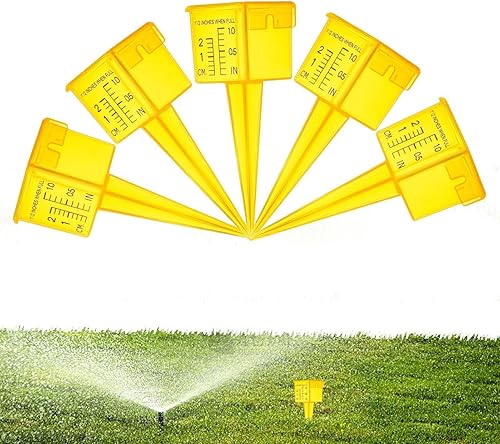 |
Measuring water output and precipitation for garden irrigation | $12 | Buy on Amazon Buy on eBay |
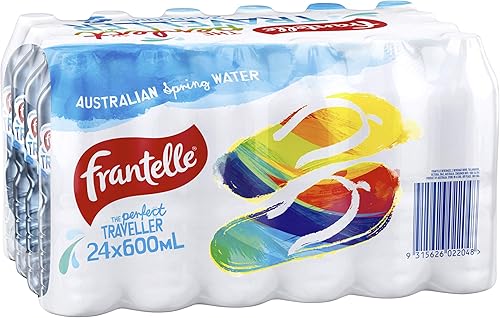
Frantelle Spring Water, 24 x 600ml
When your tap water looks like it came out of a rusty pipe, you need a reliable backup. Frantelle’s spring water is sourced from natural springs and comes in a convenient 24-pack — enough to get you through a week while you’re diagnosing your yellow water problem. The 600ml bottles fit easily in lunch bags and car cup holders. We keep a case in the garage for exactly these situations.
- Natural spring water source
- Convenient 24-pack format
- Good for camping and travel too
- Plastic bottle waste
- Not a permanent solution
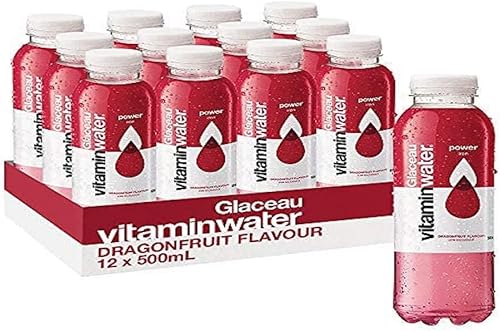
Glaceau Vitaminwater Power Bottle, 12 x 500ml
Here’s the thing about fixing yellow water — it takes time. While you’re waiting for test results or a plumber, staying hydrated matters. Glaceau’s vitaminwater adds electrolytes and vitamins to purified water, which is a nice bonus when your tap water is out of commission. The 12-pack is reasonably priced and the bottles are sturdy enough to refill a few times from a filtered source once your system is running.
- Nutrient-enhanced hydration
- Sturdy reusable bottles
- Good flavor variety
- Added sugars in some flavors
- More expensive than plain water
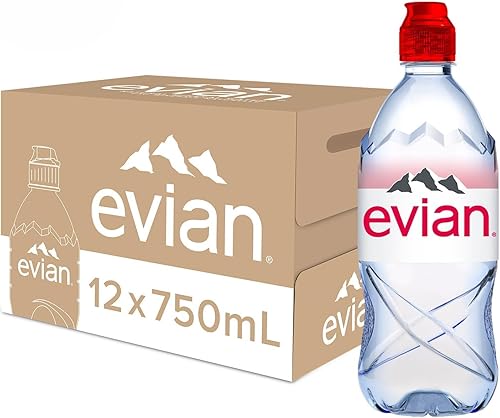
Evian Natural Mineral Water, 12 x 750ml
If you’re cooking with bottled water while your tap is yellow, you want something with a clean, neutral taste. Evian delivers that. The natural mineral balance means it doesn’t taste flat like distilled water, and the 750ml bottles are big enough for a pot of pasta or a batch of coffee. Pricey for daily use, but for a temporary fix while you’re sorting out your filtration system, it’s worth it. We’ve used it ourselves during plumbing work.
- Clean, neutral taste for cooking
- Naturally filtered mineral water
- Recyclable bottles
- Premium price point
- Heavy to carry home
Sprinkler Water Gauge — Translucent Yellow Water Meter
This one’s a bit outside the usual filter talk, but hear us out. If you’re dealing with yellow water from your outdoor irrigation — sprinklers pulling from a well with high iron, for example — you need to measure how much water you’re actually applying. This gauge catches and measures precipitation from sprinklers, helping you dial in your watering schedule. The translucent yellow design is fitting, honestly. Sturdy PET construction means it won’t crack if you leave it out all season.
- Accurate precipitation measurement
- Durable PET construction
- Clear, fade-resistant markings
- Single-purpose tool
- Requires manual reading
Budget Picks

20Pcs Soccer Referee Red Yellow Cards — PVC Water-Resistant
Okay, this isn’t a water filter — but these referee cards are genuinely water-resistant PVC, which means they won’t get ruined if you’re coaching in the rain or near a sprinkler system. The yellow cards match our theme today, and at under $12 for a full set, they’re a solid budget buy for any coach or referee. Sometimes the best gear is the simplest.
- Water-resistant PVC material
- Complete red and yellow set
- Under $12
- Not water filtration related
- Niche use case

Yellow Duck Sandals — Water Shoes for Garden and Beach
When you’re kneeling under a sink installing a filter system, or wading through a flooded basement checking your sump pump, you need footwear that handles water. These garden clogs are breathable, quick-drying, and the drainage holes mean your feet won’t stay soggy. The yellow duck design is cheerful — and at under $10, they’re practically disposable if they get stained by rusty water.
- Quick-drying with drainage holes
- Comfortable for wet work
- Under $10
- Not for long walks
- Sizing can run small
Frequently Asked Questions
- Is yellow tap water safe to drink?
- Usually, but not always. Yellow water from rust or tannins is typically safe — it just looks and tastes bad. However, high manganese levels can pose health risks, especially for children. If you’re on well water, get it tested before drinking yellow water regularly. Don’t assume it’s harmless just because it’s been that way for years.
- Why is my water yellow only in the morning?
- This is classic iron behavior. Water sits in your pipes overnight, and iron particles accumulate. When you first turn on the tap, that stagnant water comes out discolored. After running the faucet for a minute or two, it clears up because fresh water from the main pushes the stale water through. A point-of-use filter at your kitchen tap solves this.
- Will a standard Brita filter fix yellow water?
- Partially. A basic activated carbon pitcher filter reduces some dissolved iron and improves taste, but it won’t handle high concentrations of particulate iron or manganese. Think of it as a band-aid, not a cure. For persistent yellow water, you need a filter designed specifically for iron or manganese removal — not just carbon.
- How do I test my water for iron and manganese?
- Buy a home test kit ($20-40) that specifically tests for iron and manganese. Follow the instructions — usually involving adding reagents to a water sample and comparing the color to a chart. For more accurate results, send a sample to a certified lab ($100-200). If you have young children and well water, the lab test is worth every penny.
- Can yellow water damage my water heater?
- Yes, over time. Iron sediment settles at the bottom of your water heater tank, creating a layer of sludge that insulates the water from the heating element. This forces the heater to work harder, raising energy bills and shortening the unit’s lifespan. Flushing your water heater annually helps, but fixing the yellow water at the source is the real solution.
- My neighbor’s water is clear but mine is yellow. What’s wrong?
- The problem is likely inside your home, not the water supply. Corroded galvanized pipes are the usual suspect — they rust from the inside and shed particles into your water. Copper or PVC pipes don’t have this issue. If your home has galvanized steel pipes (common in homes built before 1970), replacing them is the permanent fix. A filter is the temporary one.
- How much does it cost to fix yellow water?
- Anywhere from $30 to $3,000+. A sediment filter costs $30-80. A whole-house iron filter system runs $500-2,000 installed. Replacing galvanized pipes with copper or PEX can cost $2,000-15,000 depending on your home’s size. Start with a water test ($20-40) to identify the cause, then budget accordingly. Most people solve their yellow water problem for under $500.
Final Thoughts
Yellow water is frustrating, but it’s almost always solvable. The single biggest mistake we see homeowners make is buying a filter before testing their water. They spend $200 on a system designed for sediment when their problem is dissolved iron — or vice versa. Test first. Then buy. It’s that simple.
If you’re dealing with yellow water right now, here’s our recommendation: grab a case of clean bottled water for drinking and cooking while you figure out the cause. Order a water test kit today. Once you have results, choose the right filtration approach. And if you’re on well water with kids in the house, don’t wait — get that test done this week. Your family’s health is worth the 30 minutes it takes.
For more on filtration options, check our guides on hydrogen water pitcher technology, how to handle changing whirlpool refrigerator water filter cartridges, and whether a chlorine shower filter might help with your bathroom water quality. If you’re exploring salt-free options, our review of the nuvo h20 system covers the pros and cons. And for shower-specific solutions, see our breakdown of the sprite showers filter lineup.
