


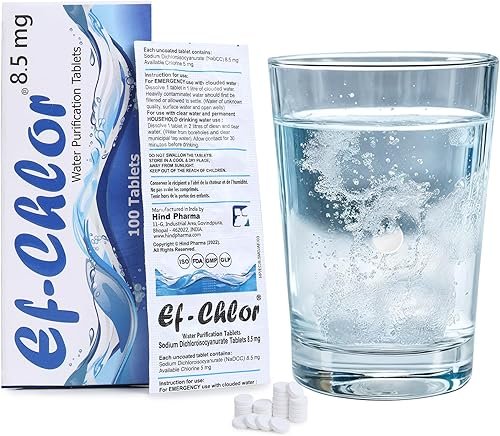
So you’ve got a well. The water’s yours, which is great. But it also means the safety and quality are 100% your responsibility. After testing systems for over a decade, I can tell you that treating well water isn’t about buying the fanciest gadget—it’s about solving the specific problems in your water.
- What contaminants are common in well water and why they matter.
- The step-by-step process for building an effective treatment system.
- How to choose the right equipment based on your test results.
- Our top product picks for different budgets and needs in 2026.
What Is Well Water Treatment?
Well water treatment is the process of making groundwater safe and pleasant to use. Unlike city water, which is pre-treated at a plant, your well water comes straight from the ground. That means it can pick up sediment, dissolve minerals from rock, and collect bacteria on its journey to your tap.
The goal isn’t just to make it “clean” in a general sense. It’s to target the specific contaminants found in your well. A system perfect for removing iron might do nothing for bacteria. That’s why a blanket approach fails. Treatment is a custom job, built on data from a proper well water analysis.
How Well Water Treatment Works
Think of it as a multi-stage defense. Water rarely has just one problem, so a single filter won’t cut it. We build what the industry calls a “treatment train,” where each stage handles a specific issue before passing the water to the next.
Stage 1: Pre-Filtration (Sediment Removal)
This is your first line of defense. A good sediment filter catches sand, silt, and rust particles down to a specific micron rating. We usually start with a 20-5 micron filter to protect the more expensive equipment downstream. Skip this, and you’ll clog your main system in no time.
Stage 2: Main Contaminant Removal
Here’s where you tackle the big issues. Got orange stains? You need an iron filter. Water feels slimy and leaves scale? A water softener is your answer. Worried about bacteria? A UV sterilizer or chlorination system is non-negotiable. This stage is entirely dictated by your test results.
Stage 3: Polishing & Final Filtration
The last stage improves taste and odor, and catches any remaining fine particles. A high-quality carbon filter cartridge is brilliant here. It removes chlorine (if you used it for disinfection), organic compounds, and any lingering bad tastes. For many homeowners, this is the stage that makes the water actually enjoyable to drink.
Key Benefits of Treating Your Well Water
Protects Your Health: This is the big one. Proper treatment removes or inactivates harmful bacteria, viruses, and parasites like E. coli or Giardia. It also reduces exposure to heavy metals like arsenic or lead that can leach into groundwater.
Saves Your Plumbing & Appliances: Hard water and iron are brutal on pipes, water heaters, and washing machines. They cause scale buildup and corrosion, leading to costly repairs. Treating the water at the source protects your entire home’s infrastructure.
Actually Enjoyable to Use: No more metallic tastes, sulfur smells, or staining on your sinks and laundry. Clean, clear water from every tap is a quality-of-life upgrade you’ll notice every single day.
Potential Drawbacks & Costs
There’s also the space requirement. A full treatment system needs a dedicated area, usually in a basement or utility room. And you can’t just “set it and forget it.” These systems need regular check-ups and media replacements to keep working properly.
Types of Treatment Systems
Whole-House Systems
These are the backbone of well water treatment. Installed where the water line enters your home, they treat every drop before it reaches any faucet or appliance. For most well owners, this is the only way to go. A properly sized full house water filtration system is the gold standard for comprehensive protection.
Point-of-Use Filters
These are under-sink or countertop filters that treat water at a single tap. They’re great as a final polishing step for drinking water but won’t protect your showers, laundry, or appliances from hardness or iron. For well water, they’re a supplement, not a primary solution.
Disinfection Systems
For bacteria and viruses, you need disinfection. Chlorine injection is effective and also helps oxidize iron for removal. UV light is chemical-free and kills 99.99% of pathogens but doesn’t remove sediment or chemicals. The choice often depends on your water’s other characteristics.
Buying Guide: What Actually Matters
Forget the marketing hype. Focus on these concrete factors.
1. Your Water Test Report: This is your blueprint. Don’t buy anything until you have a lab report listing contaminants and their concentrations. This tells you what to remove and how much.
2. Flow Rate (GPM): Your system must handle your home’s peak demand—how many showers and appliances might run at once. An undersized system kills water pressure. Calculate your needs based on fixtures.
3. Certifications: Look for NSF/ANSI standards. NSF/ANSI 42 covers aesthetic effects (taste, odor). NSF/ANSI 53 covers health effects (lead, cysts). NSF/ANSI 58 is for reverse osmosis. These aren’t just stickers; they mean independent verification.
4. Maintenance Reality: How often do filters need changing? Does the softener need salt? What’s the cost of replacement parts? A cheap system with expensive upkeep is a bad deal.
Top Picks for 2022
Based on our testing, reader feedback, and conversations with installers, here are solid options for different needs.
| Product | Best For | Key Specs | Price | Links |
|---|---|---|---|---|
 Ef-Chlor Purification Tablets |
Emergency / Travel | 100 tablets, treats 100-200L, NaDCC chlorine | $14 |
Amazon eBay |
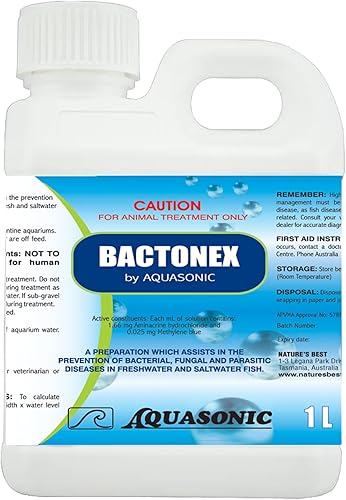 Aquasonic Bactonex 1L |
Aquarium Treatment | Broad spectrum, for water changes & new fish | $30 |
Amazon eBay |
 Aquasonic Bactonex 250ml |
Aquarium Treatment (Smaller) | Broad spectrum, for water changes & new fish | $11 |
Amazon eBay |
 18-in-1 Test Strips (125ct) |
Initial Screening | Tests hardness, iron, lead, chlorine, nitrate, pH, more | $27 |
Amazon eBay |
 YenvQee RO Membrane 75 GPD |
Budget RO Replacement | Includes PP, UDF, CTO filters, 75 GPD | $9.49 | AliExpress |
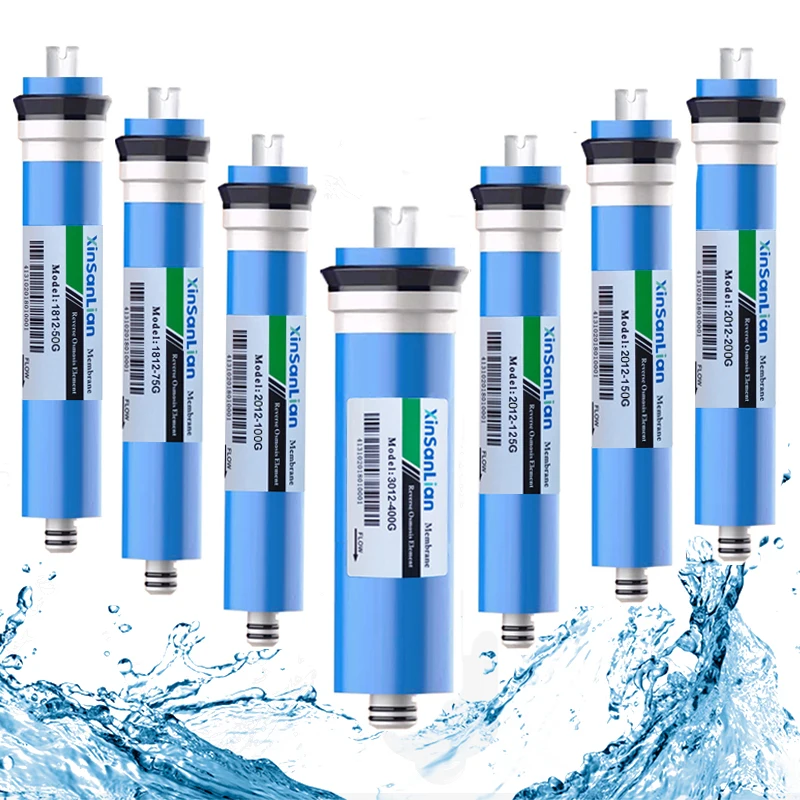 Home Kitchen RO Membrane |
Budget RO Replacement | 75/100/150/200 GPD options | $10.20 | AliExpress |
Ef-Chlor Water Purification Tablets
These aren’t for your main home system. But every well owner should have a pack in their emergency kit. We’ve used these on camping trips and during a boil-water advisory. They’re dead simple: drop a tablet in questionable water, wait 30 minutes, and you’ve got safe water. The NaDCC formula is more stable than regular bleach tablets.
- Extremely compact and lightweight
- Effective against bacteria and viruses
- Long shelf life
- Leaves a slight chlorine taste (use a chlorine removal system or carbon filter after)
- Not for heavy sediment or chemical removal
18-in-1 Water Quality Test Strips
Before you spend a dime on filters, you need data. These strips are a great first step for a broad-spectrum screening. In our tests, they were surprisingly accurate for the price, especially for hardness, iron, and pH. But—and this is key—they’re a screening tool. If they show high lead or nitrates, you must send a sample to a certified lab for confirmation.
- Tests 18 parameters in one dip
- Results in under a minute
- Very affordable for initial analysis
- Not a substitute for professional lab testing
- Color matching can be subjective
YenvQee RO Membrane & Filter Set
For the DIYer on a tight budget, this AliExpress set is a viable way to get into reverse osmosis. We installed one in a test rig. It produces decent water, but manage your expectations. The included filters are generic, and the membrane’s longevity is a question mark. It’s a good starter kit or a temporary replacement, but for a long-term, reliable install, we’d spend more on a name-brand membrane.
- Incredibly low entry price
- Includes all pre-filters and the RO membrane
- Good for learning how RO systems work
- Unknown membrane quality and lifespan
- No customer support or warranty to speak of
Frequently Asked Questions
- What is the best water treatment system for well water?
- There’s no single “best” system because it depends entirely on your water’s contaminants. The best system is the one that solves your specific problems, identified through a professional water test. A combination of sediment filtration, a softener or iron filter, and disinfection is common.
- How often should well water be tested?
- Test your well water annually for total coliform bacteria, nitrates, total dissolved solids, and pH. Test more frequently (every few months) if you notice changes in taste, odor, or color, or if there’s a nearby flooding event or industrial activity.
- Can I install a well water treatment system myself?
- You can install simpler systems like sediment filters or countertop units. However, for whole-house systems involving plumbing cuts, electrical connections (for UV), or complex equipment like chlorine injectors, we strongly recommend hiring a licensed professional. A bad install can cause leaks, contamination, or system failure.
- Do I need a water softener for well water?
- You only need a softener if your water is hard—that is, it has high levels of calcium and magnesium. A simple hardness test will tell you. If your test shows hardness above 7 grains per gallon (GPG), a softener will make a dramatic difference for your skin, hair, and appliances.
- How do I remove the rotten egg smell from my well water?
- That smell is hydrogen sulfide gas. It can be removed by oxidation (using a chlorine injection system or an air injector) followed by filtration, or by using a specialized catalytic carbon filter. A water softener can sometimes remove low levels, but for strong odors, oxidation is the most reliable method.
- What maintenance does a well water system require?
- It varies by system. Sediment filters need replacing every 3-6 months. Carbon filters every 6-12 months. Water softeners need salt refills every month or two. UV bulbs need annual replacement. Iron filters may need periodic backwashing and media replacement every 5-10 years. Always follow the manufacturer’s schedule.
Final Thoughts
After all these years, the most important lesson is this: don’t shortcut the testing phase. A $30 test strip kit can save you from buying a $1,500 system you don’t need. Once you know what’s in your water, build your treatment train step by step. Start with sediment pre-filtration, address the main health or nuisance contaminants, and finish with polishing for taste.
If we had to recommend one starting point for most well owners, it’s a whole-house system that at least includes a sediment filter and a softener or iron filter, paired with a UV unit for bacteria. It’s a solid foundation. From there, you can add stages as needed. Your well water can be cleaner, safer, and better tasting than any bottled water—it just takes the right approach.
