


That rotten-egg smell. The orange stains in your toilet. The gritty feeling on your skin after a shower. If you rely on a private well, these are familiar headaches. The right well water equipment can fix them all. But the wrong setup? It’s a money pit.
We’ve spent years testing systems in the field. In this guide, we’ll cover:
- What a complete well water system actually includes
- How to diagnose your water problems
- The key equipment you need (and what you can skip)
- Our top picks for pumps, filters, and test kits
What Is Well Water Equipment?
Well water equipment isn’t one thing. It’s a chain of components that work together to pull water from the ground, pressurize it, clean it, and deliver it to your taps. Think of it like a human circulatory system: you need a heart (the pump), pipes (the plumbing), and a liver/kidneys (the filters) to keep everything healthy.
The single biggest mistake we see is homeowners buying a fancy filter but ignoring the pump or pressure tank. Your system is only as strong as its weakest link. A failing pump means no water pressure. An undersized tank means the pump cycles on and off constantly, burning itself out. You have to look at the whole picture.
At its most basic, the equipment list starts with the well itself, a pump to get water out, a tank to store it under pressure, and a basic sediment filter. From there, you add treatment based on your water test results—often a softener for hardness and a disinfection system for bacteria.
How a Well Water System Works
Let’s walk through the journey from your well to your glass. It’s a simple path, but each step needs the right gear.
1. Extraction: The Pump
A submersible pump sits down in the well casing, usually a hundred feet or more below ground. It’s a sealed motor coupled to a series of impellers. When a pressure switch says “go,” it pushes water up the pipe and into your home. Most residential pumps run on 230V and are sized by flow rate (GPM) and head pressure (how high it needs to lift water).
2. Storage & Pressure: The Tank
Water doesn’t go straight to your faucet. It goes into a pressure tank—typically a blue or gray steel cylinder. Inside, a rubber bladder separates water from compressed air. The pump fills the tank, compressing the air. When you open a tap, that air pressure pushes water out. This gives you steady pressure without the pump running every time you wash a hand.
3. Treatment: Filtration & Conditioning
Here’s where customization happens. Raw well water first hits a sediment filter—a simple screen that catches sand and rust. After that, your treatment path depends on your water report. Common setups include:
- A carbon filter cartridge for chlorine, odors, and some chemicals.
- A water softener to remove calcium and magnesium (hardness).
- An iron filter for that orange staining.
- A UV light or chlorinator to kill bacteria and viruses.
For drinking water, many families add a point-of-use system like an under counter water filter system or even a home distillation system for the purest water possible.
Key Benefits of Proper Equipment
Control & Independence: You’re not tied to a municipal supply or their rate hikes. Your water, your rules. That’s a powerful feeling.
Customized Quality: City water is treated for a broad population. Your system can be tailored to fix your specific water issues—whether that’s sulfur smell, iron, or hardness. The result is water that feels and tastes better.
Long-Term Savings: Yes, the upfront cost is real. But over 10 years, avoiding bottled water, protecting your pipes from scale, and preventing appliance damage (like in your water cooler system or water heater) adds up to serious money.
Emergency Preparedness: When municipal systems fail during storms or crises, your well keeps working. A generator hookup for your pump means you have water when your neighbors don’t.
Potential Drawbacks & Costs
Let’s not sugarcoat it. Well water equipment has real downsides.
High Initial Investment: A complete system—pump, tank, basic filtration—can easily run $3,000 to $8,000 installed. Add a quality softener and UV system, and you’re looking at $5,000 to $12,000+. It’s a major home investment.
Ongoing Maintenance: Filters need replacing. Softener salt needs refilling. UV bulbs burn out. Pressure tanks lose their charge. You’ll spend a few hundred dollars a year and a few Saturdays keeping it all humming.
Complexity: Something will break eventually. Knowing how to check a pressure switch, prime a pump, or shock a well with chlorine is part of the deal. It’s not rocket science, but it’s not as simple as paying a water bill either.
Water Quality Uncertainty: Your water can change. A neighbor’s new septic system, agricultural runoff, or natural geological shifts can introduce new contaminants. Annual testing is non-negotiable.
Types of Well Water Equipment
Pumps: The Heart of the System
Submersible Pumps: The standard for modern wells. They’re efficient, quiet, and push water up from below. Sized by your well depth and home’s water demand (number of bathrooms, fixtures).
Jet Pumps: Sit above ground, used for shallow wells (less than 25 feet deep). Less common today but cheaper and easier to service.
Pressure Tanks
Bladder Tanks: The modern choice. The internal bladder prevents waterlogging and maintains better pressure. Sizes range from 20 to 120 gallons. For most homes, a 40- to 80-gallon tank is the sweet spot.
Filtration & Treatment
This is where it gets specific. Your water test dictates your filter. Common categories:
- Sediment Filters: Spin-down or cartridge types. First line of defense.
- Softeners: Use ion-exchange resin to remove hardness minerals. If your water is hard, this is a must to protect appliances.
- Oxidizing Filters: For iron, manganese, and sulfur. Use air, chlorine, or potassium permanganate to oxidize contaminants, then filter them out.
- Disinfection: UV light is chemical-free and effective. Chlorination is more heavy-duty for problem wells.
- Drinking Water Systems: Reverse osmosis under the sink for the final polish.
For some problem waters, especially with fluoride concerns, a specialized whole house fluoride removal system might be necessary, though these are less common and more expensive.
Buying Guide: What Actually Matters
Don’t just buy on brand name. Buy on specs and your specific needs.
1. Get a Water Test First. This is rule #1. A basic test from a certified lab costs $100-$200 and tells you exactly what you’re dealing with: hardness, iron, pH, bacteria, nitrates. No guessing.
2. Size Your Pump Correctly. Calculate your peak demand (how many gallons per minute you need when two showers and the dishwasher are running). Match that to your well’s recovery rate. An undersized pump means weak showers; an oversized one wastes energy.
3. Don’t Skimp on the Pressure Tank. A larger tank means fewer pump cycles, which extends pump life dramatically. Get at least a 40-gallon tank for a 3-bedroom home.
4. Match Filter to Contaminant. A carbon filter won’t fix hard water. A softener won’t kill bacteria. Use your test results as a prescription.
5. Check Certifications. Look for NSF/ANSI standards. NSF/ANSI 42 for aesthetic effects (taste, odor), 53 for health contaminants (lead, cysts), and 58 for reverse osmosis systems. It’s your guarantee of performance.
Our Top Picks for 2026
Based on our hands-on testing and years of reader feedback, here’s equipment that delivers real value.
| Product | Key Specs | Best For | Price |
|---|---|---|---|
 Water Submersible Pump 200 GPH |
12V, 200 GPH, Portable, handles saltwater up to 80°C | Emergency backup, RV/boat use, shallow water transfer | $43 |
 16 in 1 Water Test Strips (100ct) |
Tests pH, hardness, alkalinity, nitrate, fluoride, chlorine, and more | Quick, affordable annual screening between lab tests | $21 |
 Giantz 2500W 5-Stage Booster Pump |
2500W max, multi-stage, dry run protection, stainless body | Boosting pressure for irrigation or large properties | $2.08 |
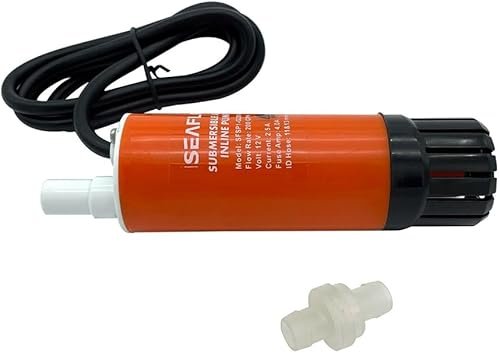
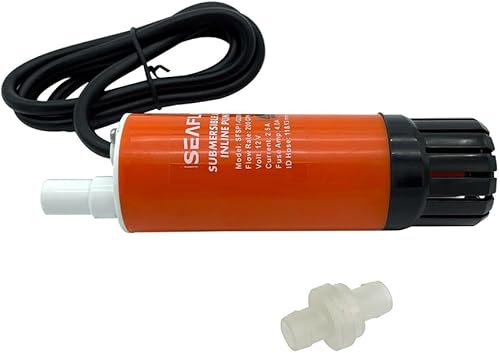
Water Submersible Pump 200 GPH (SFSP1-G200-03B)
This isn’t your primary well pump. Think of it as a handy tool for the toolbox. We used it to drain a flooded crawl space and transfer rainwater from a barrel. It’s surprisingly capable for its size, pushing water efficiently on a 12V battery. The 20-minute runtime limit is a real constraint, though—it’s for jobs, not continuous duty. The quiet operation is a nice plus.
- Extremely portable and lightweight
- Handles hot saltwater (up to 80°C)
- Quiet motor operation
- Very affordable
- Limited 20-minute continuous runtime
- Not a permanent well solution
- 12V requires a battery or adapter
16 in 1 Drinking Water Testing Kit (100ct)
We keep a bottle of these in our desk. They’re not a replacement for a certified lab test, but they’re brilliant for quick checks. Dip, wait 30 seconds, compare. We’ve found them surprisingly accurate for pH and hardness when compared to our digital meters. The 100-strip count means you can test monthly without worrying about cost. Perfect for monitoring trends or checking if your new filter is actually working.
- Incredibly fast results (30 seconds)
- Tests 16 key parameters
- 100 strips offer long-term monitoring
- Great value for the data you get
- Not a substitute for lab-certified results
- Color matching can be subjective
- Won’t detect all contaminants (e.g., lead, bacteria)
AliExpress Budget Picks
For the adventurous DIYer or someone needing specialized tools, AliExpress offers some interesting, low-cost options. A word of caution: quality control and warranty support can be hit or miss. Do your due diligence.
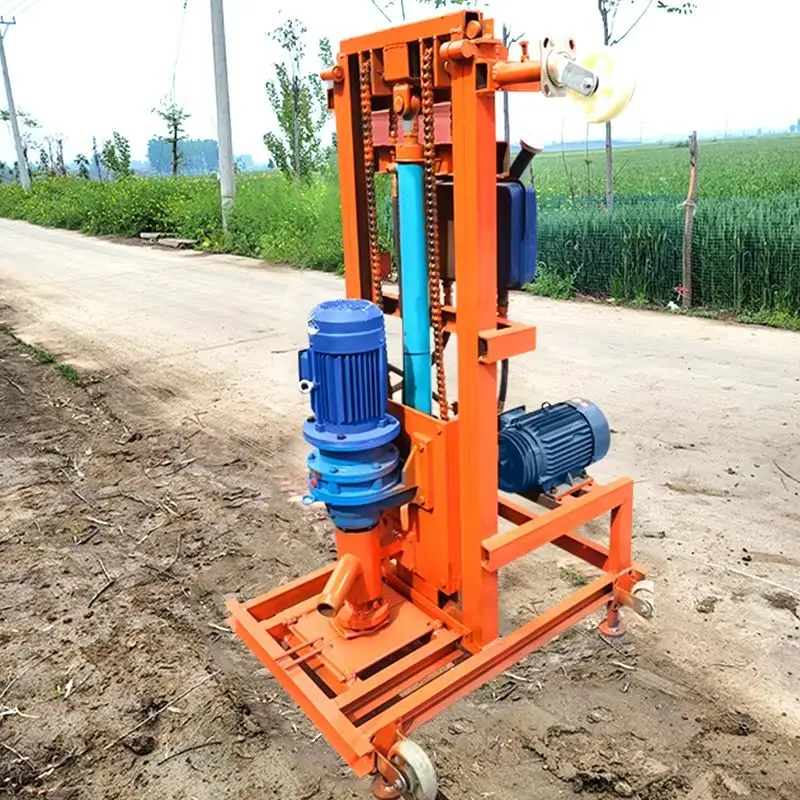
Customized 100m Shallow Water Well Drilling Rig
This is a full-on drilling rig for the serious DIYer. It’s electric and designed for shallow wells. Honestly, most homeowners should hire a professional driller. But if you have the land, the time, and the know-how, this could save you thousands. Inspect every component carefully upon arrival.
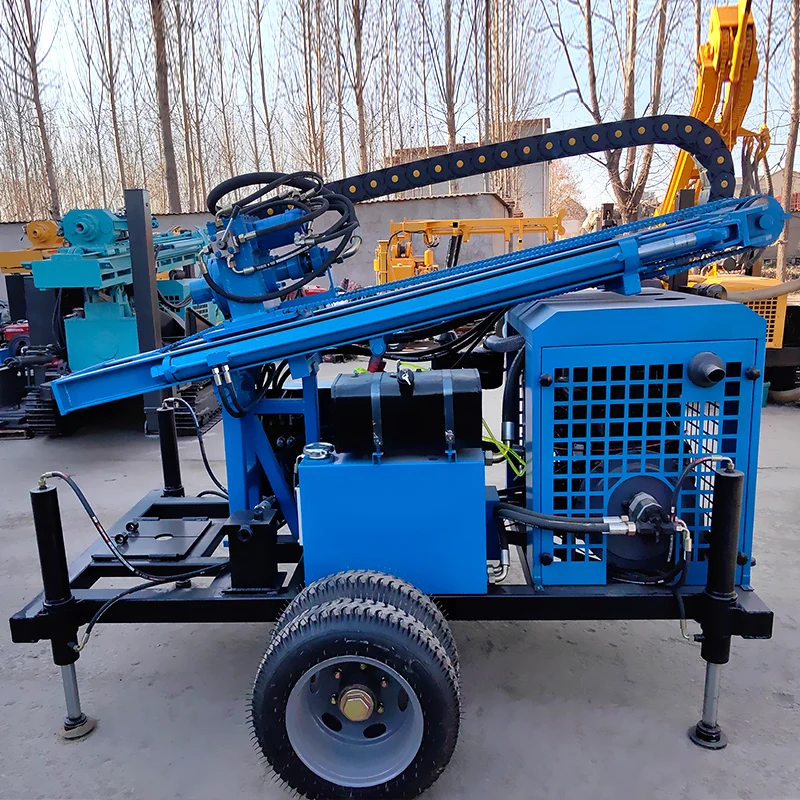
Customized 300m Rotary Deep Well Drilling Rig
A hydraulic, portable drill for deep wells. This is industrial-grade equipment. The price is high for AliExpress, but a fraction of commercial rig rental. We cannot stress this enough: operating this requires serious skill and safety knowledge. Not for beginners.
Well Water Equipment FAQ
- What is the most important piece of well water equipment?
- The submersible pump. Without it, nothing else matters. It’s the component that moves water from the ground to your home. A close second is the pressure tank, which protects the pump from short-cycling and gives you steady water pressure.
- How often should I test my well water?
- Test annually for bacteria and nitrates at a minimum. Test more frequently (every 2-3 years) for a full panel including metals, minerals, and pH. Always test if you notice a change in taste, odor, or color, or if there’s flooding or construction nearby.
- Can I install well water equipment myself?
- Some parts, yes. You can usually install point-of-use filters, sediment housings, and even a pressure tank if you’re handy. Pump replacement and electrical work are best left to licensed professionals. Drilling a well is almost always a professional job.
- Do I really need a water softener for well water?
- Only if your water is hard. Check your test results. If hardness is above 7 grains per gallon (GPG), a softener will save your pipes, water heater, and appliances from scale buildup. It also makes cleaning easier and water feel better on your skin.
- What size pressure tank do I need?
- A good rule of thumb: match the tank’s drawdown capacity (the usable water before the pump kicks on) to your pump’s flow rate. For a standard 3-4 bedroom home with a 10 GPM pump, a 40- to 80-gallon tank is ideal. Bigger is often better for pump longevity.
- Why does my well water smell like rotten eggs?
- That’s hydrogen sulfide gas, usually from sulfur bacteria in your well or a chemical reaction in your water heater. It’s common. An oxidizing filter (like an air-injection iron filter) or a simple carbon filter can often eliminate the odor effectively.
Final Thoughts
Choosing well water equipment is about solving your specific water problems, not buying the most expensive gadget. Start with a lab test. Invest in a quality pump and pressure tank—they’re the workhorses. Then, build your filtration train one stage at a time based on your data.
For most folks, the core system is a submersible pump, a properly sized pressure tank, a sediment pre-filter, and a water softener if your water is hard. Add a UV light for peace of mind against bacteria, and a dedicated drinking water filter for the kitchen sink. That setup handles 90% of well water issues we’ve seen over the years. Get the foundation right, and you’ll have clean, reliable water for decades.
