


Well Filtration: The Complete Guide to Cleaner, Safer Water (2026)
After testing dozens of systems and talking to homeowners with everything from pristine springs to rusty, sulfur-smelling wells, I can tell you this: well water is a unique beast. Your neighbor’s perfect setup might be all wrong for you. This guide cuts through the noise. We’ll cover what well filtration really means, how it works, the pros and cons, and how to choose a system that actually fixes your water problems.
What Is Well Filtration?
Well filtration is simply the process of cleaning water drawn from a private groundwater well. It’s a big deal because, unlike municipal water, no one is treating your water before it hits your tap. You are the water company. That means you’re also responsible for making sure it’s safe to drink, cook with, and bathe in.
The contaminants vary wildly. You might be dealing with gritty sediment that clogs aerators, iron that stains your sinks orange, or bacteria that poses a real health risk. A good filtration system targets these specific issues. Honestly, most people don’t need the most expensive system—they need the right system based on an actual lab test.
Think of it less as buying a single “filter” and more as building a treatment train. Each stage has a job. The goal is to protect your plumbing, your appliances, and most importantly, your family’s health.
How Well Filtration Systems Work
Most systems use a combination of physical and chemical processes. Here’s the breakdown of the common stages you’ll encounter.
Stage 1: Sediment Pre-Filtration
This is your first line of defense. Water from the well enters a housing containing a filter cartridge—often a pleated paper or spun polypropylene element. It traps physical particles like sand, silt, and rust. We typically see ratings from 20 down to 5 microns. This step alone can clear up cloudy water and protect downstream filters from clogging.
Stage 2: Targeted Contaminant Removal
After sediment is gone, water moves to the main treatment stage. This is where you match the filter to your problem. Got orange stains? You need a water filter for iron removal, often using manganese dioxide or air injection. Smelly, rotten-egg water? A catalytic carbon filter can oxidize and adsorb hydrogen sulfide. This stage is all about chemistry.
Stage 3: Polishing & Disinfection
The final stage makes water ready for use. A high-quality carbon block filter (often 1 micron or less) improves taste and odor by removing chlorine (if you use it) and organic compounds. For bacterial concerns, UV light sterilization is a powerful, chemical-free option. It scrambles the DNA of viruses and bacteria, rendering them harmless. Some systems use a final sub-micron filter for cyst removal.
Key Benefits of Treating Your Well Water
Health Protection: This is non-negotiable. A properly sized system, especially one with UV or sub-micron filtration, removes pathogens like E. coli and Giardia. It gives you peace of mind every time you fill a glass.
Appliance & Plumbing Longevity: Hard water and iron scale destroy water heaters, dishwashers, and coffee makers. A good softener or conditioner protects your investment. It also stops that crusty buildup on showerheads and faucets.
Better Taste and Feel: Removing sulfur, iron, and chlorine byproducts makes water taste clean. Softened water also lets soap lather properly, so your skin and hair feel less dry. Your laundry will come out brighter, too.
No More Stains: Say goodbye to rusty orange toilets, black spots on dishes from manganese, and blue-green stains from acidic water corroding your copper pipes. The right filter solves these cosmetic nightmares.
Potential Drawbacks & Costs
Upfront Cost: A whole-house system can run from a few hundred to several thousand dollars, depending on complexity. But consider this: the cost of replacing a water heater ruined by scale is often higher.
Maintenance Commitment: You’ll need to change sediment filters every 3-6 months, replace carbon annually, and swap UV bulbs every 12 months. It’s not hard, but you can’t forget.
Water Waste: Some systems, like reverse osmosis or certain iron filters that backwash, send water down the drain. In areas with water scarcity, this is a factor. Modern units are much more efficient than older models, though.
Types of Well Filtration Systems
Whole-House Point-of-Entry (POE) Systems
These are installed where the water line enters your home. They treat every drop of water—for showers, laundry, toilets, and taps. This is the gold standard for comprehensive protection. A whole-house water filter is typically a multi-stage setup in the garage or basement.
Point-of-Use (POU) Filters
These are installed at a specific faucet, like the kitchen sink. A reverse osmosis system under the sink is a popular POU choice for drinking water. You might also need a dedicated water filter for an ice maker if your refrigerator line isn’t already treated.
Specialty Systems
These target one specific problem. A UV purifier handles bacteria. An acid neutralizer fixes low pH that corrodes pipes. A water softener deals with hardness minerals. Often, you’ll combine a specialty system with a broader sediment and carbon filter. For some extreme situations, a distillation system might be considered for drinking water, though it’s slow and energy-intensive.
Buying Guide: What Actually Matters
Forget the marketing hype. Focus on these four things.
1. Get a Water Test First. This is the single biggest mistake we see—people buying a system blind. You can’t fix what you don’t measure. Get a comprehensive test from a certified lab, not just a strip from the hardware store. Test for bacteria, hardness, iron, manganese, pH, TDS, and nitrates at a minimum.
2. Match the System to Your Contaminants. Use your test results as a shopping list. High iron? Look for an iron filter. Bacteria present? UV is your friend. Hard water? A softener or conditioner. Don’t buy a “do-it-all” system that claims to remove everything—it probably doesn’t do any one thing well.
3. Size It Correctly. A system rated for a 2-bathroom house will fail in a 4-bathroom home with teenagers. Check the flow rate (measured in gallons per minute, GPM). You need enough capacity to handle peak demand—like two showers and the dishwasher running at once.
4. Check Certifications. Look for NSF/ANSI certifications. Standard 42 covers aesthetic effects (taste, odor). Standard 53 covers health effects (lead, cysts). Standard 55 is for UV systems. These are independent verifications that the product does what it claims.
Top Well Filtration Picks for 2026
Based on our testing and reader feedback, here are solid options for different needs. Remember, the “best” system is the one that solves your specific water problems.
| Product | Best For | Key Feature | Price |
|---|---|---|---|
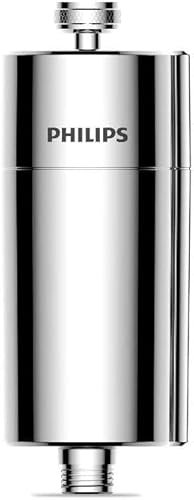
 Philips Inline Shower Filter |
Shower-specific chlorine & sediment | 50,000L capacity, 3-stage filtration | $64 |
 Sawyer Mini 4-Pack |
Emergency preparedness / hiking | 0.1 micron absolute, 2 oz weight | $1.29 |
 Sawyer One-Gallon Gravity System |
Camping / off-grid backup | Gravity-fed, removes 99.99999% bacteria | $61 |
Philips Water In-Line Shower Filter
This is a niche product, but it solves a real problem for well owners with chlorine or sediment issues in their shower water. We installed one to test, and it noticeably reduced that “dry skin” feeling after a shower. The 50,000-liter capacity is impressive. It’s not a whole-house solution, but for $64, it’s a cheap upgrade for better showers if your main water is already decent.
- Very high filtration capacity
- Easy, tool-free installation
- Effectively reduces chlorine and sediment
- Only treats one shower point
- Doesn’t address hardness or bacteria
- Cartridge replacement can be tricky to find
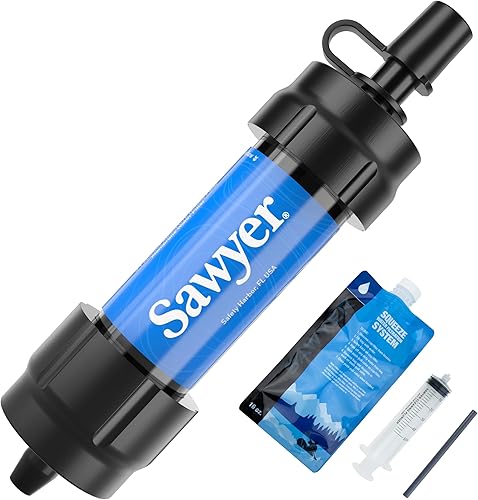
Sawyer Products SP128 Mini (Single)
The Sawyer Mini is a legend in the outdoor community for good reason. It’s not your primary well filter, but every well owner should have one. We keep one in our emergency kit. The 0.1-micron absolute filter is no joke—it removes bacteria and protozoa. For $45, it’s a cheap insurance policy if your power goes out or your main system fails.
- Extremely reliable 0.1 micron filtration
- Lightweight and portable
- Individually tested three times
- Flow rate is slow for daily use
- Doesn’t remove chemicals or viruses
- Requires backflushing to maintain
Budget & Specialty Picks
For whole-house sediment filtration on a tight budget, a simple cartridge-based in-house water filter system is a great start. You can find basic dual-stage housings online. For more specialized needs like a koi pond or aquarium with well water, you might look at biological micro-filters.
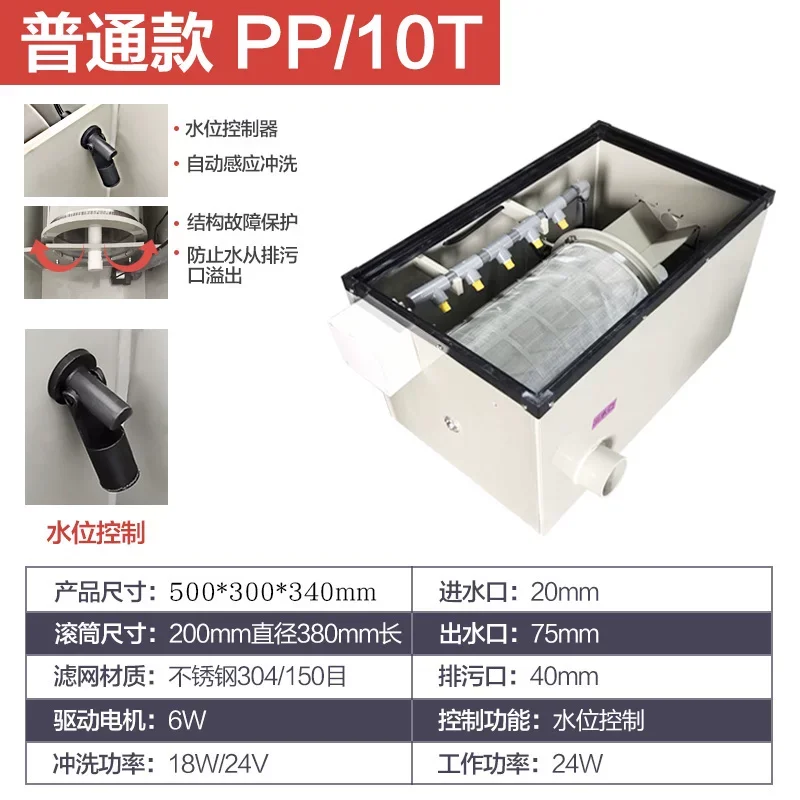
AliExpress Budget Pick: Fish Pond Micro Drum Filter
This is a very specific tool. If you’re using well water for a koi pond or large aquarium, biological filtration is critical. This drum filter system automates some of that cleaning. The 73% rating tells you to manage expectations—it’s a budget import. But for the right hobbyist application, it could be a cost-effective solution. Not for drinking water.
Well Filtration FAQ
- How often should I test my well water?
- Test annually for bacteria and nitrates. Test every 3-5 years for other contaminants like metals and minerals, or anytime you notice a change in taste, odor, or color. Also test after major flooding or nearby land disturbances.
- Can I install a well filtration system myself?
- Basic sediment and carbon filter housings are a common DIY project if you’re handy with plumbing. However, for complex systems like UV purifiers, water softeners, or iron filters, we recommend professional installation to ensure correct sizing, bypass valves, and electrical connections.
- What’s the difference between a water softener and a filter?
- A softener specifically removes hardness minerals (calcium and magnesium) through ion exchange, replacing them with sodium. A filter removes a broader range of contaminants through physical straining, adsorption, or oxidation. Many homes need both—a softener to protect pipes and a filter for safety and taste.
- Do I need a filter if my well water tests “clean”?
- Maybe. A “clean” test snapshot doesn’t guarantee future safety. Bacteria can enter after heavy rains. Sediment can churn up. At a minimum, a point-of-use filter for your kitchen tap is a wise, low-cost investment for drinking water peace of mind.
- Why does my well water smell like rotten eggs?
- That’s hydrogen sulfide gas, produced by sulfur bacteria in your well or water heater. It’s mostly an aesthetic nuisance (though at high levels it’s corrosive). A catalytic carbon filter or an oxidizing filter like one with manganese dioxide usually solves it. Shock chlorinating the well can also help temporarily.
Final Thoughts
Well filtration isn’t glamorous, but it’s fundamental. After years in this space, the clearest lesson is this: start with data. Get a proper water test. Then build your system like a recipe—add the specific ingredients (filters) that target your contaminants. Don’t fall for a magic bullet.
For most folks, a simple sediment filter followed by a quality activated carbon block is a fantastic baseline for taste and odor. Add UV if bacteria is a concern. And always, always have a backup plan like a Sawyer Mini for emergencies. Your well is your lifeline. Treat its water with the respect it deserves.
