


Thinking about drilling a well? You’re not just buying water. You’re investing in self-sufficiency. But the process can feel opaque. Who do you call? What should it cost? And how do you avoid getting ripped off? We’ve spent years talking to drillers and testing the water that comes from the ground. This guide covers everything from finding a qualified contractor to understanding what happens after the drill bit stops spinning.
What Is “Well Drilling Near Me”?
It’s more than a Google search. It’s the first step in a complex project to access groundwater on your property. When you search for “well drilling near me,” you’re looking for a specialized contractor with the heavy machinery and geological know-how to reach an aquifer. This isn’t like calling a plumber. These crews operate drill rigs, handle permits, and understand local water tables.
The goal is a permanent, sanitary water source. A properly drilled well bypasses surface contamination and municipal restrictions. It’s your private reservoir. But it’s a permanent alteration to your land. That’s why finding a local expert is critical—they know the rock formations, the typical depths, and the county health department rules inside and out. If a boil notice ever affects your area, a well-insulated private system is your best defense, though you must still test your own water quality.
How Well Drilling Works
The process is methodical. First, the driller will assess your property, often using geological survey maps and sometimes even a preliminary “witching” or resistivity test to estimate water depth and yield.
The Drilling Phase
A large truck-mounted drill rig bores a hole, typically 4 to 8 inches in diameter, into the earth. As it goes down, the crew installs steel or PVC casing to prevent the hole from collapsing. They’ll hit water eventually—but finding a productive vein is part science, part local experience.
Development and Testing
Once the well is drilled, it needs to be “developed.” This involves surging, bailing, or pumping to flush out fine sediment and improve water flow into the well. Then comes the pump test. They’ll run a pump for several hours to measure the gallons per minute (GPM) yield and the water level recovery rate. A good residential well usually yields 5-10 GPM. This data is crucial for sizing your pump and pressure tank later. You’ll also need a sturdy filter housing bracket to secure any pre-filtration you add to handle sediment.
Finalization
The driller installs a sanitary well cap above ground and a submersible pump downhole. They’ll grout the outer annulus of the casing to seal out surface contaminants. You’ll get a well report detailing the depth, yield, and geological log. Keep this document forever.
Key Benefits of a Private Well
Cost Savings Over Time. No more monthly water bills. After the initial investment, your water is essentially free, minus electricity for the pump and maintenance. For a family of four, the payback period can be under a decade.
Water Independence. You’re not subject to municipal restrictions, rate hikes, or main breaks. During a drought or infrastructure failure, a reliable well is a game-changer for your household.
Often Better Quality. Groundwater is naturally filtered through rock. It’s typically harder (more minerals) but free of the chlorine and fluoride added to city water. Many people prefer the taste. For targeted filtration of specific contaminants like lead or arsenic, a dedicated system like a hydroviv water filter can be a perfect point-of-use solution.
Property Value. A productive, well-maintained well is a significant asset, especially in rural areas where municipal water isn’t an option.
Potential Drawbacks to Consider
Upfront Cost. This is the big one. Drilling is expensive, and there’s no guarantee of water quantity or quality until you’re already committed. You could spend $10,000 and get a low-yield well.
Water Quality Variability. Your water might have iron, sulfur, manganese, or hardness minerals that require treatment. A simple filter for faucet won’t cut it. You may need a whole-house sediment filter, a softener, or an iron remover. Always opt for a clear filter housing so you can visually monitor sediment buildup without disassembling the system.
Types of Wells You Might Drill
Dug Wells
These are shallow, wide-diameter holes (often 3+ feet) lined with stone or tile. They’re antiquated and highly susceptible to surface contamination. We don’t recommend them for new construction.
Driven Wells
Created by hammering a small-diameter pipe into sandy or gravelly soil. They’re relatively cheap but shallow (typically <50 feet) and vulnerable to drought and pollution.
Drilled Wells
The modern standard. Created by a drill rig, they can be hundreds of feet deep, cased in steel or PVC, and are the most reliable and sanitary option. This is what 99% of “well drilling near me” searches are for. For most homeowners, a drilled well paired with a proper treatment system, like a robust GE under sink water filter system for drinking water, is the ideal setup.
How to Hire the Right Driller
Get Multiple Bids. Talk to at least three licensed, insured contractors. Ask neighbors with wells for referrals. The cheapest bid is rarely the best.
Ask the Right Questions. What’s their estimated depth based on nearby wells? What’s their per-foot drilling rate? What’s the cost per foot for casing? Do they handle the permit? What’s their warranty on workmanship?
Verify Everything. Check their license with your state’s contractor board. Ask for proof of insurance. Get a detailed written contract that specifies the total estimated cost, the “grouting” procedure, and what happens if they hit rock or don’t find adequate water.
Essential Post-Drilling Gear
Once the well is in, your work isn’t over. You need to treat and maintain your water. While we focus on filtration, some practical tools help you monitor and maintain your system’s health.
| Product | Why It’s Useful | Price | Link |
|---|---|---|---|
 |
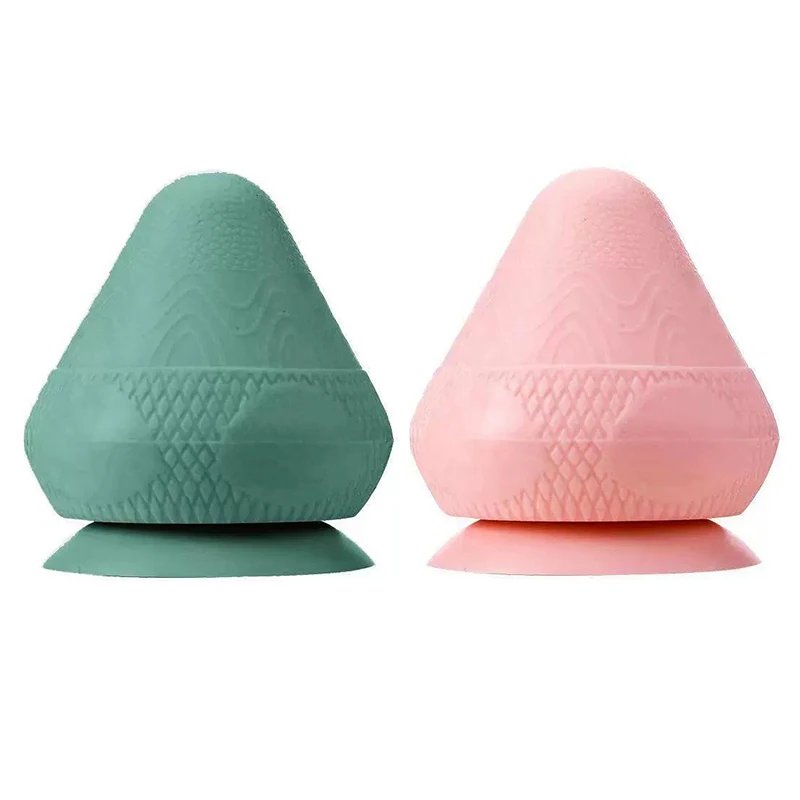
Well House Maintenance. Not what you think. This silicone tool is perfect for manually working out kinks in tight spaces around your pressure tank or filter housings during DIY maintenance. A weird pick, but oddly useful. | $7.29 | Buy on AliExpress |
 |
Energy for Big Projects. Drilling a well is a marathon, not a sprint. Staying energized for the planning, meetings, and setup is key. This supplement with shilajit is a natural option some homeowners use for stamina during major DIY phases. | $10.79 | Buy on AliExpress |
Well Drilling FAQ
- How much does it cost to drill a well near me?
- Costs vary wildly by region, depth, and geology. Expect $15 to $30 per foot for drilling, plus $50 to $100 per foot for casing. A complete 200-foot well with pump and pressure tank often lands between $8,000 and $15,000. Always get a detailed, per-foot quote.
- How long does well drilling take?
- The actual drilling for a standard residential well often takes 1 to 3 days. However, the entire process—from permitting and finding a contractor to installation and testing—can span 2 to 6 weeks. Plan for delays due to weather or equipment issues.
- How do I find a reputable well driller?
- Start with your state’s Water Well Association or Department of Natural Resources for a licensed contractor list. Then, ask for references from jobs done in your immediate area in the last year. Local knowledge is everything.
- What maintenance does a drilled well need?
- Annual water testing for bacteria and nitrates is essential. Have a professional inspect the pump, pressure tank, and electrical components every 3 to 5 years. Keep the area around the wellhead clean and clear of contaminants.
- Can I drill a well on my property?
- In most areas, yes, but you almost always need a permit. Regulations govern setback distances from septic tanks, property lines, and bodies of water. Your local health department or building department is the first call to make.
Final Thoughts
Searching for “well drilling near me” is the start of a significant journey. It’s not a casual purchase. It’s a commitment to managing your own water infrastructure. The freedom from municipal water is real, but so is the responsibility.
Our advice? Invest in the best driller you can find, not the cheapest. Then, budget for proper water treatment from day one. Get a comprehensive water test after drilling and choose filtration based on those specific results. Your well is a 50-year asset. Treat it with the planning and respect it deserves.
