


So you’re thinking about drilling a well. It’s a big step toward water independence, but the first question is always the same: what’s this going to cost me? After talking to drillers and homeowners for years, I can tell you the range is wide, but the factors that drive it are predictable. We’ll break down every dollar, from the first borehole to the final drop from your tap.
- The real cost drivers: depth, rock, and location
- A detailed breakdown of the drilling process and its price tag
- The equipment you need (and what you can skip)
- How to budget for the long haul, including treatment
What Is Well Drilling?
Well drilling is the process of boring a hole into the ground to access a trapped aquifer—a natural underground layer of water-bearing rock. It’s not like digging a pond. You’re tapping a pressurized source that can provide clean, reliable water for decades. This isn’t a DIY project for most people; it requires heavy machinery, geological knowledge, and permits.
The core cost isn’t just for the hole. You’re paying for a water-tight steel or PVC casing to keep the borehole from collapsing, a sanitary seal to block surface contaminants, and a pump system to bring water to your home. Think of it as buying a permanent, private water utility connection. The quality of your final water will depend on what’s in that aquifer, which is why testing is non-negotiable. A good water test kit for well water is your first line of defense.
How Well Drilling Works & Costs Add Up
Understanding the process helps you see where your money goes. It’s not one flat fee; it’s a series of stages, each with its own cost.
1. Site Survey & Permits ($200 – $800)
Before any equipment arrives, a hydrologist or the driller will survey your property to find the best spot. They’ll look for signs of water and avoid underground utilities. You’ll also need a drilling permit from your local authority. Don’t skip this—it’s illegal to drill without one in most places, and it can cause major headaches if you ever sell your home.
2. Drilling the Borehole ($15 – $50 per foot)
This is the big variable. The cost per foot depends on the drilling method and the hardness of the ground. Soft soil might be $15/ft. Hard, fractured granite? That can jump to $50/ft or more. Most residential wells end up between 100 and 500 feet deep. So, drilling alone can run from $1,500 to $25,000. In our experience, the national average lands around $3,500 for this phase.
3. Casing & Grouting ($1,000 – $3,000)
The driller will insert steel or PVC pipe (the casing) into the hole to keep it open. The space between the casing and the borehole wall is sealed with bentonite clay grout. This stops surface water from leaking down and contaminating your aquifer. This step is critical for water safety.
4. Well Pump & Pressure System ($1,000 – $3,000+)
A submersible pump is lowered into the well, connected to a pitless adapter (which allows the pipe to exit the well below ground for freeze protection). This ties into your home’s well pressure tank and switch, which maintains consistent water pressure. The pump’s horsepower and depth rating are major cost factors.
5. Yield & Water Quality Test ($100 – $500)
The driller will perform a “yield test” to measure how many gallons per minute (GPM) your well can produce sustainably. They’ll also take a water sample for a basic quality test. This tells you what you’re dealing with. Is there iron? Bacteria? Hardness? You need to know this to choose the right treatment, whether that’s a simple well pump filter or a full-house system for how to remove iron from well water.
Key Benefits of Having Your Own Well
Water Independence: You’re not tied to municipal water restrictions or rate hikes. Your water comes from your land. During a boil-water advisory in town, you’re often unaffected.
Long-Term Savings: After the initial investment, your ongoing costs are just electricity for the pump and maintenance. No monthly water bill. Over 10-15 years, the well often pays for itself.
Quality Control: You decide exactly what goes into your water. You’re not at the mercy of a city’s treatment choices. With the right setup, you can have exceptionally pure water. This is a big deal for people with sensitivities or who just want great-tasting water.
Potential Drawbacks & Hidden Costs
Maintenance Responsibility: If the pump dies at 2 AM, you’re calling an emergency plumber. There’s no city utility to fix it. You need a contingency fund for repairs.
Water Quality Can Change: Seasonal changes, nearby construction, or agricultural runoff can affect your water. That’s why annual testing is so important. What was perfect last year might need adjustment this year.
Property Impact: A drilling rig is massive. It will tear up your yard. Landscaping repairs are an often-overlooked cost.
Types of Wells & Drilling Methods
Dug Wells (Shallow)
These are the old-fashioned holes, usually less than 50 feet deep. They’re cheaper to dig but are highly vulnerable to surface contamination and can go dry in a drought. Not recommended for new construction.
Driven Sand-Point Wells
A perforated pipe is literally hammered into the ground. Only works in sandy, shallow water table areas. Very low cost ($500-$1,500), but low yield and poor water quality are common.
Drilled Bedrock Wells (The Standard)
This is what we’re talking about for a modern home. A rotary drill cuts through soil and rock. It’s the most expensive method but gives you depth, protection from contamination, and high yield. This is the $3,000-$15,000 system.
Buying Guide: Getting Quotes & Saving Money
Getting the best value isn’t about finding the cheapest driller. It’s about finding the most competent one for your specific geology.
Get 3+ Quotes: Always. Compare not just price, but what’s included. Does the quote cover the pump? The pressure tank? The grouting?
Ask About Their Rig: A driller with a newer, well-maintained rig is less likely to have costly breakdowns on your job.
Check Depth Guarantees: Some drillers offer a “depth guarantee”—if they have to go deeper than quoted to find water, you pay the extra per-foot cost. Others might cap it. Understand this clause.
Consider Future Needs: If you have a large property or might add irrigation, tell the driller. They might recommend a larger casing diameter or a higher-yield pump now, which is cheaper than upgrading later.
Don’t Skimp on the Pump: A cheap pump fails faster. We’ve seen homeowners save $300 on a pump only to pay $800 to replace it two years later. Get a reputable brand with a good warranty.
For serious water quality issues, you might even look at industrial water treatment concepts scaled down for residential use. The principles are the same.
Top Picks: Essential Tools for Well Owners
Once the well is drilled, you become the utility manager. Here are a couple of handy tools we’ve used for maintaining the area around your wellhead and doing basic landscaping.
| Product | Price | Rating | Best For |
|---|---|---|---|
Small Garden Hoe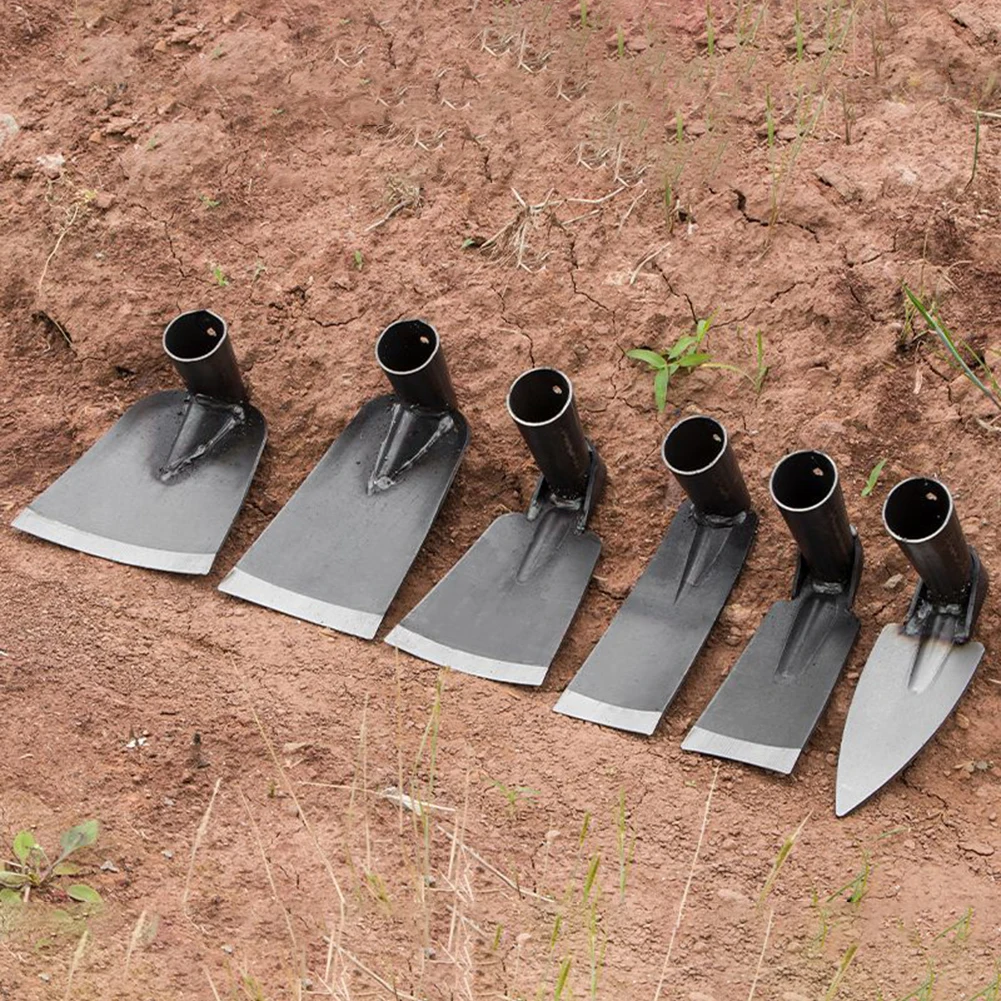 |
$6.96 | 90% | Clearing weeds around the wellhead pad |
All-Steel Hardened Hollow Hoe |
$10.81 | N/A | Heavier-duty soil breaking and trenching |
AliExpress Budget Pick: Small Garden Hoe
For under seven bucks, this little hoe is a no-brainer for quick jobs. It’s perfect for keeping the grass and weeds from overtaching your well cap and any visible piping. The handle is short, so it’s best for detail work, not breaking new ground. We keep one in the shed specifically for wellhead maintenance.
- Extremely affordable
- Lightweight and easy to handle
- Good for tight spaces
- Not for hard soil
- Handle may be too short for tall users
AliExpress Budget Pick: Premium All-Steel Hardened Hollow Hoe
This feels like a serious upgrade. The all-steel construction means it won’t snap when you hit a root or a rock—something that happens around well sites. It’s heavier, which helps with breaking up compacted soil. If you need to dig a small drainage trench away from your wellhead, this is the tool for the job.
- Durable steel construction
- Good weight for breaking soil
- Rust-resistant
- Heavier than a standard hoe
- May be overkill for light weeding
Frequently Asked Questions
- How much does it cost to drill a well per foot?
- It typically ranges from $15 to $50 per foot. Soft soil is at the low end, while hard rock like granite can be at the high end or even higher. This price usually just covers the drilling itself.
- Is drilling a well worth the investment?
- For many, yes. If you use a lot of water, have high municipal rates, or value independence, the payback period is often 10-15 years. It also adds value to rural properties.
- What is the most expensive part of drilling a well?
- The drilling labor and the well pump are usually the two biggest costs. The deeper you have to go, the more the drilling costs, and the more powerful (and expensive) the pump you’ll need.
- How long does a drilled well last?
- A properly constructed drilled well can last 50 years or more. The pump will typically need replacement every 15-25 years, depending on water quality and usage.
- Can I drill a well myself?
- It’s strongly discouraged. It requires specialized, heavy equipment, knowledge of geology and hydrology, and permits. Mistakes can lead to a collapsed borehole, contamination, or a dry hole that wastes thousands.
Final Thoughts
Drilling a well is a major project with a price tag to match. But it’s an investment in your property’s infrastructure and your family’s self-reliance. The key is going in with your eyes open. Get multiple quotes, understand the geology, and—this is critical—budget for a proper water treatment system from day one. The cost of the well is just the entry fee; the treatment system is what makes the water safe and pleasant to use.
If you’re ready to take the plunge, start by talking to local well drillers and getting a professional site assessment. And once that water starts flowing, you’ll want to dive into filtering well water to make sure what comes out of your tap is as good as what you imagined. It’s a journey, but for millions, it’s absolutely worth it.
