


Water Well Drilling Cost: What You’ll Actually Pay in 2026
Thinking about drilling a well? You’re not just paying for a hole in the ground. You’re investing in water independence. But the quotes can be all over the map. I’ve seen homeowners get blindsided by costs they never anticipated. Let’s break down exactly where your money goes.
- Understanding the core cost factors
- A detailed breakdown of drilling expenses
- How to budget and avoid hidden fees
- A look at DIY vs. professional drilling
What Is Water Well Drilling?
Water well drilling is the process of excavating a vertical shaft into the earth to access a groundwater aquifer. It’s not just about the drilling itself. The complete project includes site assessment, the drilling operation, installing a casing and screen to keep the hole open, a pump system, and all the necessary testing and permits. The water well drilling cost is the total price tag for this entire system to deliver safe, potable water to your home.
Think of it like building a house. The foundation (drilling) is a huge part of the cost, but you also need plumbing, electrical, and a roof (casing, pump, treatment). Every property is different. The geology under your feet—whether it’s soft soil, clay, or solid rock—is the single biggest factor that will swing your final estimate.
How Well Drilling Works & Cost Breakdown
The process starts long before the rig shows up. A hydrogeologist or experienced driller will often assess your land and historical well data in the area. This gives you a rough depth estimate. From there, the real work begins.
The Drilling Phase
A truck-mounted rotary drill or cable tool rig will bore the hole. They’ll drill through different soil and rock layers, constantly checking for water. The cost here is almost always calculated by the foot. You’ll pay for every foot drilled, whether they hit water at 50 feet or 200 feet. This is where surprises happen.
Casing, Screen, and Grout
Once the hole is at depth, they’ll insert a steel or PVC casing to prevent the walls from collapsing. At the aquifer level, a well screen filters out sediment. The space around the casing is sealed with grout to prevent surface contaminants from seeping down. Materials matter—a stainless steel screen costs more but lasts decades longer.
Pump, Storage, and Treatment
The visible part of your system. A submersible pump sits in the well, pushing water to a pressure tank in your home. Depending on your water quality, you might need a carbon removal filter for taste and odor, or an arsenic filter if tests show contaminants. These treatment systems are often an additional, but critical, cost.
Key Benefits of Drilling Your Own Well
Water Independence: No more monthly water bills. Over 20 years, the savings can be substantial, often paying back the initial investment.
Quality Control: You control the source and the treatment. Municipal water has chlorine and other additives. With your own well, you decide what goes into your water, which is especially important for families with specific health concerns.
Property Value: A reliable, productive well is a major asset. It’s a permanent improvement that adds value, particularly in rural areas where municipal water isn’t an option.
Potential Drawbacks & Hidden Costs
Upfront Capital: The initial outlay is high. You’re paying for a 30-year asset all at once. Financing can be tricky for wells.
Maintenance & Repairs: Pumps fail. Pressure tanks leak. You’re now the water utility, responsible for all repairs. A replacement pump alone can cost $1,000-$2,500 installed.
Water Quality Responsibility: You must test your water regularly. If contaminants like bacteria or nitrates appear, you’ll need to invest in treatment. For example, if you have hard water, you’ll need to research the best water filter and softener systems and the best water softener salt to maintain it.
Types of Wells & Drilling Methods
Driven Sand Point Well
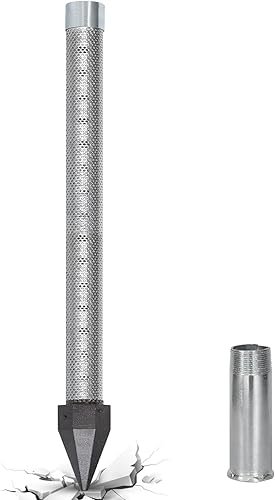
The most affordable option. A pointed screen is literally hammered into the ground. It’s only suitable for shallow water tables (under 25 feet) and soft soil. The Well Drive Point, 1-1/4 Stainless Steel Drive Point Well Kit is a classic example of this DIY-friendly method. Cost is minimal, but yield and reliability are limited.
Drilled Bedrock Well
The most common and reliable type. A rotary drill bores through overburden and into bedrock, where water flows through fractures. This is what you’re paying the big money for. It accesses deeper, cleaner, and more consistent aquifers.
Bored or Dug Well
A large-diameter hole, historically dug by hand or with a backhoe. They’re shallow and highly susceptible to surface contamination. Not recommended for new construction due to water quality risks.
Buying Guide: How to Budget & Hire
First, research. Talk to your local health department. Get records of nearby wells—their depth and yield. This data is gold.
Get 3+ Quotes: Always. Compare not just the per-foot drilling price, but the casing schedule (what thickness steel?), pump brand and warranty, and what’s included in the “complete” price.
Ask About ‘Extras’: Does the quote include the pump, pressure tank, and wiring? What about the pitless adapter? Is a water test included? These are common line items that add thousands.
Permits and Setbacks: Your driller should handle permits, but you need to know the rules. How far must the well be from septic systems, property lines, and buildings? Violating setbacks can cost a fortune to fix.
For those considering a very small-scale project or backup water source, looking into portable water filtration might be a more cost-effective first step before committing to a full well.
Top Picks: Useful Tools & Resources
While we don’t sell drills, here are some tools and resources that can help you understand the process and costs better.
| Image | Product | Price | Best For | Links |
|---|---|---|---|---|
 |
Well Drive Point, 1-1/4″ Stainless Steel Kit 36-inch length, 60-mesh screen for shallow wells. |
$1.26 | DIYers in soft soil areas wanting a basic, low-cost water point. | Buy on Amazon Buy on eBay |
 |
Portable Small Well Drilling Rig Electric motor, drills up to 80m, compact frame. |
$6,060 | Small farms or rural families needing a capable, movable drilling platform. | Buy on Amazon Buy on eBay |
 |
Well Construction and Drilling for Water – A Practical Guide Step-by-step manual for dry drilling method. |
$21 | Anyone wanting deep knowledge before hiring a contractor or attempting DIY. | Buy on Amazon Buy on eBay |
 |
Well Construction and Drilling for Water – Practical Guide (E-book) Digital version for quick reference. |
$4 | Budget-conscious learners who want the core information instantly. | Buy on Amazon Buy on eBay |
Well Drive Point, 1-1/4″ Stainless Steel Kit
This is the absolute entry point for well drilling. Honestly, for most people seeking a primary water source, this isn’t enough. But for a garden irrigation point, a remote cabin, or a learning project? It’s a cheap way to understand the basics. The stainless steel construction is a must for longevity. Just know its limits: shallow water tables and soft soil only.
- Extremely low cost of entry
- DIY-friendly installation
- Stainless steel resists corrosion
- Very limited depth and yield
- Only works in ideal soil conditions
- Not suitable for whole-house supply
Portable Small Well Drilling Rig
This is a serious piece of kit. The price is just for the base unit—accessories will add up. But if you have multiple sites, a small farm, or want to offer drilling services locally, this could be a game-changer. The ability to drill 80 meters in common strata covers most residential needs. We like the compact design for moving between tight rural properties. Get a full quote before buying.
- Capable of drilling professional-depth wells
- Electric motor for consistent power
- Transportable by 1-2 people
- High upfront cost for base model
- Requires skill and additional tools to operate
- Custom accessories increase final price
Well Construction and Drilling for Water – A Practical Guide
Knowledge is the best investment you can make before spending thousands on a well. This guide walks you through the dry drilling method, which is a specific technique. It won’t make you a professional driller, but it will make you an incredibly informed consumer. You’ll know what questions to ask and what the driller is talking about. That alone is worth the price.
- Demystifies the drilling process
- Empowers you to have informed conversations
- Practical, step-by-step approach
- Focuses on one specific drilling method
- Not a substitute for professional experience
Frequently Asked Questions
- What is the average cost per foot to drill a well?
- In 2026, expect to pay between $15 and $60 per foot. The wide range depends on your region’s geology. Drilling through sand and clay is cheaper ($15-$30/ft). Drilling through solid granite or basalt can cost $50-$60 per foot or more due to slower progress and bit wear.
- Does the well drilling cost include the pump?
- Usually not. Most quotes separate the “drilling and casing” cost from the “pump and equipment” cost. Always clarify. A complete pump system (submersible pump, pressure tank, wiring, controls) typically adds $2,000 to $5,000 to the total project cost.
- How can I reduce my water well drilling cost?
- Research is key. Use public well logs to estimate a realistic depth. Get multiple bids. Consider a smaller diameter well if your yield needs are modest. Sometimes, drilling in a slightly different location on your property can hit the same aquifer at a shallower depth.
- What are the ongoing costs after the well is drilled?
- Electricity to run the pump is the main recurring cost, usually $20-$50 per month. Budget $100-$300 annually for water testing and minor maintenance. You should also set aside money for the eventual pump replacement, which happens every 10-20 years.
- Is it cheaper to drill a well or connect to municipal water?
- It depends. If municipal water is available, the connection fee might be $5,000-$15,000. Compare that to your well quote. Over 20 years, add the monthly water bill to the connection fee. A well often wins long-term if you plan to stay put, but the upfront cost is higher.
Final Thoughts
Drilling a water well is a major project, but it’s a tangible one. The water well drilling cost is not a mystery—it’s a calculation based on depth, materials, and labor. Your job is to become an informed buyer. Use neighbor well data, get detailed quotes, and never choose a driller based on the lowest per-foot price alone. Look at their equipment, their warranty, and their reputation.
If you’re on the fence, start with the educational resources. Understand the process. Then, when you’re ready to get quotes, you’ll be speaking the driller’s language. That confidence is priceless and will save you money and headaches down the road. Here’s to your future water independence.
