


Can You Drink Softened Water? The Clear Truth (2026)
I’ve lost count of how many homeowners have asked me this exact question after installing a new system. The short answer is yes, but there are a few important details you need to know about sodium, taste, and your health. We’ll break down exactly what softening does to your water, when you might want a separate tap for drinking, and how to choose the right setup for your home.
What Is Water Softening?
Water softening is a specific treatment process designed to remove hardness minerals—primarily calcium and magnesium—from your water supply. It’s not a general filter. A softener doesn’t target bacteria, chlorine, or most contaminants. Its sole job is to tackle scale buildup that clogs pipes, ruins water heaters, and leaves spots on your dishes.
The process uses an ion exchange. Your hard water flows through a tank filled with resin beads. These beads are charged with sodium ions. As water passes, the calcium and magnesium ions swap places with the sodium, which gets released into your water. The result is “soft” water that’s kinder to your plumbing and appliances.
How Water Softening Works
The Ion Exchange Process
This is the heart of most residential systems. Imagine the resin beads as tiny magnets coated with sodium. The hardness minerals in your water have a stronger “pull” than sodium. So, they stick to the beads, and the sodium gets knocked off into the water. It’s a simple, effective chemical swap.
The Regeneration Cycle
Eventually, the resin beads get saturated with calcium and magnesium. The system then flushes a concentrated brine solution (from the salt tank) through the resin. This brine washes away the hardness minerals and “recharges” the beads with fresh sodium ions. The wastewater, full of hardness minerals and excess salt, gets flushed down the drain.
What’s Actually in Your Water Post-Softening
After treatment, your water is low in scale-forming minerals but contains added sodium. The exact amount depends on how hard your water was to start. For very hard water (20 grains per gallon), you might see an increase of about 30-40 mg of sodium per quart. For moderately hard water, it’s often less than 12 mg per quart. That’s less sodium than a slice of bread.
Key Benefits of Softened Water
Appliance Protection: This is the biggest win. Scale buildup is a water heater’s worst enemy. Soft water can extend the life of your dishwasher, washing machine, and water heater by years. It also keeps showerheads and faucets flowing freely.
Cleaner Dishes and Surfaces: Say goodbye to soap scum and those chalky white spots on your shower doors and dishes. Soap lathers better in soft water, so you’ll use less of it for cleaning and laundry.
Softer Skin and Hair: Many people report that their skin feels less dry and their hair is more manageable after installing a softener. Hard water can leave a residue that clogs pores and makes hair brittle.
Potential Drawbacks for Drinking
Taste Alteration: This is what we hear about most from readers. Softened water can taste slightly salty, flat, or “slippery.” It’s not harmful, but it’s a noticeable change. Some people get used to it; others never do. If your water tastes sweet or metallic after softening, it’s often due to other factors in your plumbing or source water.
Not a Purifier: A softener leaves chlorine, lead, pesticides, and bacteria completely untouched. It’s a treatment for hardness, not for safety. You need a dedicated filter for that. A simple sink with water filter can handle your drinking and cooking water perfectly.
Types of Softening Systems
Traditional Salt-Based Ion Exchange
This is the workhorse we described above. It’s the most effective and common method for true water softening. Requires regular salt top-ups and a drain for the regeneration cycle.
Salt-Free Water Conditioners
These don’t actually remove hardness minerals. Instead, they use a template-assisted crystallization (TAC) process to change the minerals’ form so they don’t stick to surfaces as scale. They’re better called “descalers.” They don’t add sodium and require no regeneration, but they don’t provide the same “soft water” feel or cleaning benefits.
Dual-Tank Systems
Great for large households or very hard water. While one tank is regenerating, the other is online, so you never have a period without soft water. They’re more expensive and take up more space.
Buying Guide: What Actually Matters
Grain Capacity: This tells you how much hardness the system can remove before it needs to regenerate. Match it to your water hardness and household size. A family of four with 15 gpg water typically needs a 32,000-48,000 grain unit.
NSF/ANSI Certification: Look for certification to NSF/ANSI Standard 44 for softener performance. This ensures it does what it claims.
Efficiency: Check the salt efficiency rating (grains of hardness removed per pound of salt). More efficient systems save you money on salt and are better for the environment.
Installation & Maintenance: Consider if you need a professional install. Also, think about long-term upkeep—adding salt, checking the brine tank. Some modern systems have smart features that track usage and alert you for maintenance.
If you’re building a new home or doing a major remodel, it’s worth thinking about your entire house water system layout to integrate the softener seamlessly.
Top Picks for Your Home
While we test dedicated water softeners extensively, staying properly hydrated is a huge part of enjoying your home’s water. Here are some top-rated, convenient options for pure drinking water and refreshment that pair perfectly with your softened household supply.
| Product | Key Features | Price | Links |
|---|---|---|---|
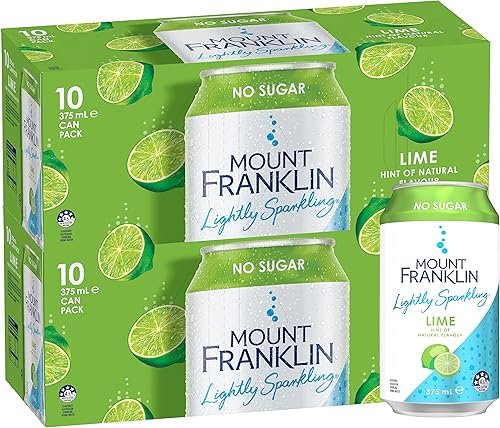
 Mount Franklin Lightly Sparkling Water Lime |
20 x 375mL cans. No sugar, sweeteners, or preservatives. Perfect for on-the-go hydration. | $25 |
Buy on Amazon Buy on eBay |
 Mount Franklin Lightly Sparkling Water Passionfruit |
20 x 375mL cans. No sugar, sweeteners, or preservatives. Ideal for sharing. | $25 |
Buy on Amazon Buy on eBay |
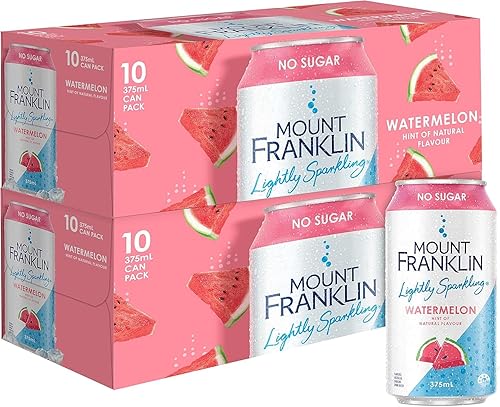 Mount Franklin Lightly Sparkling Water Watermelon |
20 x 375mL cans. No sugar, sweeteners, or preservatives. Great for meals. | $25 |
Buy on Amazon Buy on eBay |
 Schweppes Zero Sugar Blood Orange & Mango Sparkling Water |
10 x 375mL cans. Zero sugar. Perfect balance of sweetness and refreshment. | $10 |
Buy on Amazon Buy on eBay |
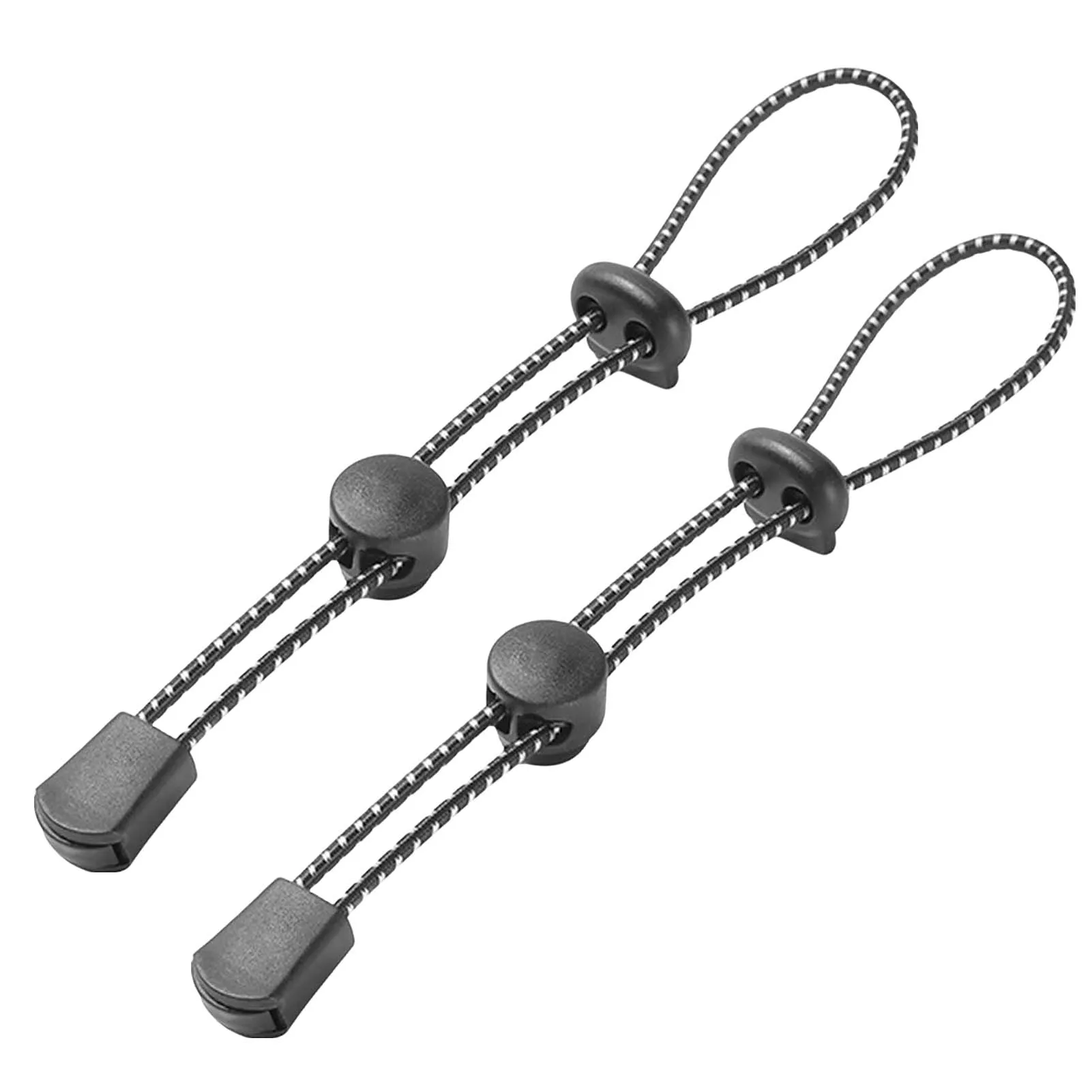
Camping Hiking Stick Holder Walking Pole Buckle
For the adventurer who needs reliable gear. This elastic rope lanyard and fixing buckle is a simple, cheap solution to secure your hiking poles to your pack. We’ve found it surprisingly durable for the price. It’s not a water product, but staying hydrated on the trail is key, and this keeps your hands free for your water bottle.
- Extremely affordable
- Simple, effective design
- Lightweight and packable
- Basic functionality only
- Not for heavy-duty tactical use
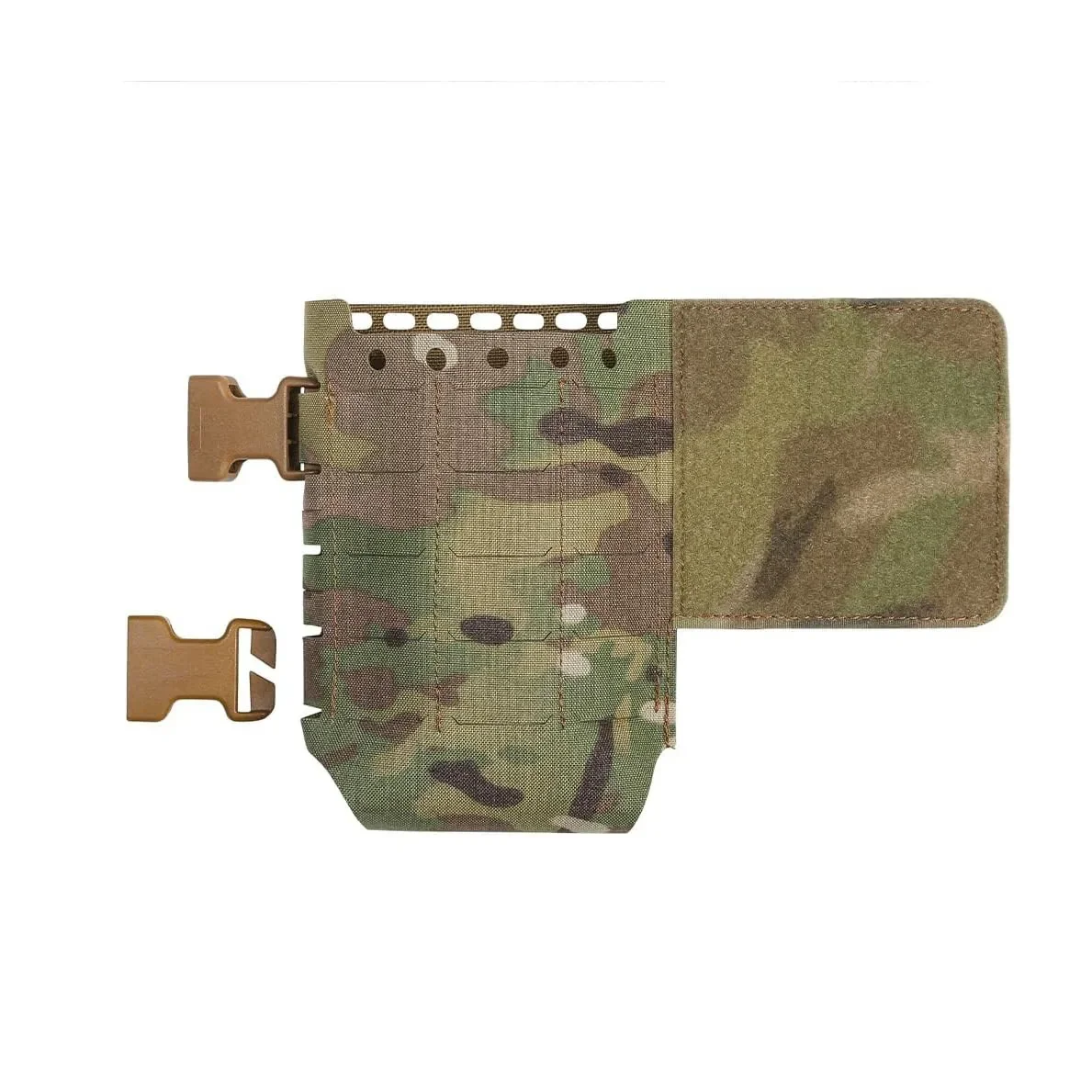
Cross-Border CS Tactical Extension Wing Bag
This is a multi-tool storage bag designed for radios, water bottles, or other gear. It’s a niche product for tactical or outdoor enthusiasts who need modular, MOLLE-compatible storage. The build quality seems decent for the cost, though we haven’t stress-tested it in extreme conditions.
- Versatile storage compartments
- Modular attachment system
- Good value for a tactical pouch
- Limited real-world reviews
- Not a water-specific product
Frequently Asked Questions
- Is softened water safe for babies and children?
- For mixing infant formula, it’s recommended to use low-sodium water. You can use a separate drinking water filter for the tap you use for formula, or use bottled water. For general cooking and drinking for older children, the sodium levels in softened water are typically considered safe.
- Does softened water taste salty?
- It can. The sodium added isn’t enough to taste like seawater, but some people detect a slight salty or flat taste, especially if their incoming water was very hard. A carbon filter on a dedicated drinking tap completely removes this taste.
- Can I use softened water in my aquarium?
- This is tricky. Softened water has elevated sodium and lacks the essential minerals fish need. It’s generally not recommended for freshwater aquariums. You should use reverse osmosis water re-mineralized for your specific fish, or untreated tap water if it’s suitable.
- Do salt-free conditioners work as well as softeners?
- They work differently. A conditioner prevents scale, which is great for protecting pipes and heaters. However, it won’t give you the slick “soft water” feel, improve soap lathering, or reduce spotting on dishes the way a true ion-exchange softener does.
- How often do I need to add salt to my softener?
- This depends on your water hardness, household size, and the system’s efficiency. For a typical family, checking the brine tank monthly and adding a 40-lb bag of salt every 4-8 weeks is common. Modern systems with indicators make this much easier.
- Will a softener remove chlorine or improve my water’s safety?
- No. A water softener does not remove chlorine, chloramines, lead, bacteria, or pesticides. For that, you need a separate filtration stage. Many people install a carbon filter after the softener for their drinking water line, which handles both taste and contaminants.
Final Thoughts
So, can you drink softened water? Absolutely, for the vast majority of people. The health concerns are minimal, and the benefits for your home’s plumbing and appliances are massive. The real decision point is taste. If you or your family don’t like the taste of the softened water from your main taps, the solution is simple and cheap: install a dedicated drinking water filter at your kitchen sink.
My advice after years of testing? Get the softener to protect your investment in your home. Then, add a quality carbon block filter under your kitchen sink for crisp, clean-tasting drinking water. It’s the best of both worlds. For homes with complex water issues, consulting a specialist about a full kinetico water treatment system or adding a UV water treatment system for bacteria might be the next step. But for most, the softener-plus-filter combo is the gold standard.
