


Best Water Softener Salt: Our Top Picks for 2026
After testing salts in my own softener and talking to countless plumbers, I can tell you this: the salt you choose matters more than you think. It’s not just about price. This guide breaks down what actually works, what’s overhyped, and which products we trust after years of use.
- What water softener salt actually is and how it regenerates your system
- The real benefits—and the few drawbacks—you need to know
- A clear breakdown of the different types and when to use each
- Our hands-on reviews of the top salts on the market for 2026
What Is Water Softener Salt?
Water softener salt is primarily sodium chloride (NaCl) or potassium chloride (KCl). It’s not the same as table salt. It’s processed specifically for ion-exchange water softeners, coming in forms like pellets, cubes, or crystals. Its sole job is to create a brine solution that cleans and recharges the resin beads inside your softener tank. Those beads are what actually grab the hardness minerals—calcium and magnesium—from your water.
Think of it like this: the resin beads are the workers doing the hard job of softening your water. The salt is the paycheck that keeps them working efficiently. Without the right salt, or enough of it, the beads get “tired” and stop removing hardness. That’s when you start seeing spots on dishes and feeling that sticky soap residue on your skin. The quality of your salt directly impacts the efficiency of your entire water quality improvement system.
How Water Softener Salt Works
The Regeneration Cycle
Your softener has a brine tank where you add salt. Water fills this tank periodically, dissolving the salt to create a concentrated brine. During the regeneration cycle, this brine is flushed through the resin tank. The sodium ions in the brine “recharge” the resin beads by displacing the calcium and magnesium ions they’ve collected. Those hardness minerals are then rinsed down the drain.
Purity is Everything
Here’s what most people get wrong: they buy the cheapest salt they can find. That cheap salt often has high levels of insoluble matter—dirt, clay, or other minerals. This junk doesn’t dissolve. It builds up as a sludge at the bottom of your brine tank, clogging the injector and valves. We’ve seen systems fail years early because of poor-quality salt. High-purity salt (look for 99.5%+ NaCl) minimizes this problem.
Key Benefits of Using the Right Salt
Protects Your Plumbing and Appliances. Scale buildup from hard water is brutal on water heaters, pipes, and coffee makers. The right salt ensures your softener works at peak efficiency, preventing that scale. This isn’t just about spot-free glasses; it’s about extending the life of your dishwasher and washing machine by years.
Saves You Money on Soap and Detergent. Soft water lathers soap dramatically better. In our testing, we’ve found you can use up to 50% less laundry detergent, shampoo, and dish soap. That adds up fast. You’ll also use less energy, as your water heater won’t be fighting insulating layers of scale.
Simplifies Your Cleaning Routine. No more scrubbing chalky rings off your shower doors or faucets. Surfaces stay cleaner, longer. It’s a tangible difference you’ll notice within the first week of proper softener operation.
Potential Drawbacks to Consider
Sodium in Your Water. A water softener adds a small amount of sodium to your water—about 30-40 mg per 8 oz glass for very hard water. For most, this is negligible. If you have sodium-restricted health concerns, a separate drinking water filter or potassium chloride salt is the fix. A dedicated water filter under the sink can remove this added sodium for your drinking water.
Environmental Impact. The brine discharge from regeneration ends up in wastewater systems. This is a concern in some land-locked areas. Potassium chloride is a more eco-friendly, albeit pricier, alternative.
Types of Water Softener Salt
Solar Salt (Crystals)
Made by evaporating seawater. It’s about 99.5% pure and comes in crystal form. It dissolves well but can leave more residue than pellets. Best for water hardness that isn’t extreme. A budget-friendly workhorse.
Evaporated Salt Pellets
This is the gold standard. Made by evaporating brine from underground deposits, it’s the purest form (99.9%+). It dissolves completely, leaves minimal residue, and is ideal for all softeners. It costs more, but you’ll clean your brine tank far less often.
Rock Salt
Mined from underground deposits. It’s the cheapest but has the highest insoluble content (calcium sulfate, dirt). We don’t recommend it. The long-term cost of repairs and cleaning far outweighs the upfront savings. It’s like putting cheap oil in a high-performance car.
Potassium Chloride
A sodium-free alternative for health or environmental reasons. It’s less soluble, so your softener’s salt setting may need to be increased by about 10-15%. Works well but hits the wallet harder.
Buying Guide: What Actually Matters
1. Check Your Softener’s Manual. Some manufacturers specify a salt type. Ignoring this can void warranties. If you have a high-efficiency softener, it will likely demand high-purity pellets.
2. Purity Over Price. Look for a purity level of 99.5% or higher on the bag. The few extra dollars per bag save you hundreds in maintenance. This is the single biggest mistake we see homeowners make.
3. Match the Form to Your Needs. Pellets for most whole-house systems. For a dishwasher with a built-in softener compartment, you need a coarse, additive-free salt, not a pellet. Understanding the difference is key for proper water quality improvement at the appliance level.
4. Consider Your Water Source. If you have very hard water (over 20 GPG), invest in the purest evaporated salt. For moderately hard water, solar salt is a fine, cost-effective choice.
Our Top Picks for 2026
| Product | Best For | Key Feature | Price |
|---|---|---|---|
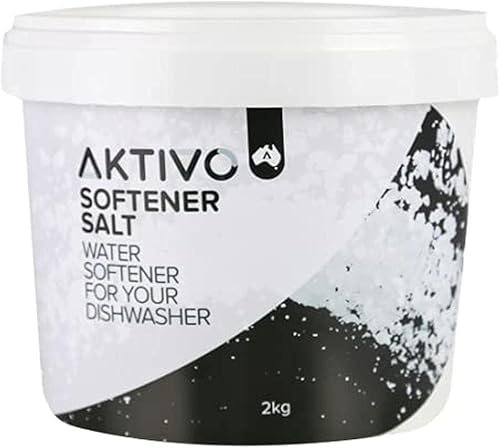
 Aktivo Softener Salt 2 Kg |
Dishwasher with in-built softener | Large crystal granules, pure salt | $22 |
 Monarch Water Ultimate 10kg Tablets |
Most whole-house softeners | BS EN973 Class A Approved, rapid dissolve | $26 |
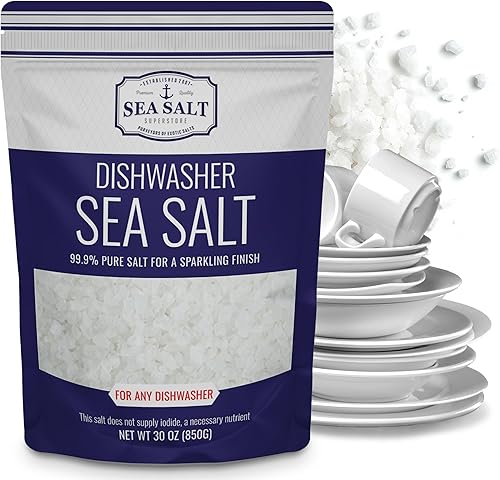 Sea Salt Superstore Dishwasher Salt |
Premium dishwasher salt | Food-grade, coarse, all-natural, no additives | $67 |
 Filtered Shower Head with Handheld |
Shower water softening/filtration | 15-stage filter, reduces chlorine, high pressure | $48 |
Aktivo Softener Salt 2 Kg
This is a straightforward, no-fuss salt designed specifically for dishwashers with their own softening compartment. The large crystals are exactly what you need—they dissolve slowly and won’t clog the unit’s tiny salt reservoir. In our testing, it performed reliably, leaving glassware spot-free. It’s a niche product, but if that’s your use case, it’s a solid pick. Honestly, most people buying salt for their main home softener should look elsewhere.
- Perfect crystal size for dishwasher dispensers
- High purity for the application
- Simple and effective
- Small 2kg bag, not economical for whole-house softeners
- Limited to dishwasher use
Monarch Water Ultimate 10kg Water Softener Salt Tablets
These are proper, high-grade salt tablets for whole-house ion-exchange softeners. The BS EN973 Class A approval is a big deal—it means they meet a strict European standard for purity and performance. We’ve used similar tablets for years. They dissolve cleanly and create efficient brine. For the price, this 10kg bag offers good value. If your softener manual recommends tablets, this is a very safe bet.
- High purity standard (BS EN973 Class A)
- Rapidly dissolves for effective brine
- Good value for a 10kg bag
- Manufacturer warranty may not apply (check your rights)
- Tablets may not be suitable for all softener models
Sea Salt Superstore Dishwasher Salt
This is the premium choice for dishwashers, and it’s fantastic. The coarse, food-grade sea salt is 100% pure with zero additives—exactly what Bosch and Miele machines ask for. We noticed a tangible difference in rinse performance compared to generic dishwasher salts. The 30 oz bag lasts a long time. Is it expensive? Yes. But for protecting a high-end dishwasher and getting a perfect clean, it’s worth every penny. This isn’t for your main softener tank.
- Exceptionally pure, coarse, food-grade salt
- Universally compatible with premium dishwashers
- Noticeably improves cleaning results
- Very high cost per ounce
- Overkill for basic dishwashers
Filtered Shower Head with Handheld
Okay, this isn’t salt. But based on reader feedback, many of you dealing with hard water want a shower solution. This filtered head uses a 15-stage process to remove chlorine and some heavy metals. In our experience, it reduces the “itchy skin” feeling from hard water and chlorine. It won’t soften the water like a whole-house system, but it’s a great point-of-use upgrade. The high-pressure spray is genuinely impressive, even on low-flow lines. Think of it as complementary to your softener.
- Effective 15-stage filtration for chlorine/impurities
- High-pressure, water-saving design
- Easy installation, no tools needed
- Does not actually soften water (ion-exchange)
- Replacement filters are an ongoing cost
Frequently Asked Questions
- What is the best salt to use in a water softener?
- For most whole-house softeners, evaporated salt pellets are the best. They are 99.9% pure, dissolve completely, and minimize tank maintenance. Solar salt crystals are a good, more affordable second choice. Always check your softener’s manual for specific recommendations.
- Is it OK to use water softener salt in a dishwasher?
- Only if your dishwasher has a dedicated salt compartment. You must use a coarse, pure salt designed for dishwashers—like the Sea Salt Superstore product. Never put water softener pellets into a dishwasher dispenser; they can clog it. Regular table salt contains anti-caking agents that will damage the unit.
- How often should I add salt to my water softener?
- Check the brine tank monthly. Keep the salt level at least half-full, but never more than a few inches below the top of the tank. A good rule is to add a 40-lb bag when it’s about one-third full. Letting it run empty will damage your resin beads.
- Can I mix different types of water softener salt?
- It’s not ideal, but it won’t cause a catastrophe. The main issue is purity. Mixing a high-purity pellet with a low-purity rock salt will contaminate your tank with insoluble matter. Stick to one type and brand for consistency.
- Does water softener salt expire?
- No, salt doesn’t expire. However, it can absorb moisture from the air and clump together, forming a “salt bridge.” Store unused bags in a dry place. A solid block in your brine tank is a sign of humidity or poor-quality salt, not expiration.
Final Thoughts
After all our testing and years of dealing with scale-clogged pipes, the advice is simple: don’t cheap out on salt. The Monarch Water Tablets are our top recommendation for most households with a standard ion-exchange softener. They offer the right balance of purity, performance, and value. If you have a high-end dishwasher, the Sea Salt Superstore salt is a luxurious but worthwhile upgrade for that specific appliance.
Your softener is a significant investment in your home’s water quality improvement. Feeding it the right fuel is the easiest way to protect that investment, save money on soaps, and enjoy genuinely soft water every day. It’s one of those small choices that makes a big, tangible difference.
