


You’ve probably heard someone mention water pH. Maybe it was a pool guy, a fish tank forum, or an ad for fancy bottled water. But what does it actually mean for the water coming out of your tap? And more importantly, should you bother testing it? After years of testing filters and talking to plumbers, I can tell you this: knowing your pH is foundational. It’s the first clue in diagnosing water problems.
- What pH really is and why it matters for your home.
- How to test it yourself—two main methods compared.
- Our top product picks for accurate, easy testing.
- What to do with your results once you have them.
What Is Water pH?
pH is a scale from 0 to 14 that measures how acidic or alkaline your water is. A pH of 7 is neutral—pure water sits right here. Anything below 7 is acidic (like lemon juice), and anything above is alkaline (like baking soda solution). It’s a logarithmic scale, which sounds fancy but just means a pH of 5 is ten times more acidic than a pH of 6.
For your tap water, the sweet spot is typically between 6.5 and 8.5, according to most water quality guidelines. Why the range? Slightly acidic water (below 7) can corrode copper pipes and leach metals into your drinking water. We’ve seen this cause blue-green stains in sinks. Highly alkaline water (above 8.5) can cause scale buildup, make your water taste bitter, and reduce the effectiveness of chlorine disinfection. So what does this mean for you? It’s not just about taste—it’s about the health of your entire plumbing system.
How Testing Water pH Levels Works
You don’t need a lab coat. Modern home testing is straightforward. The core principle is simple: a reactive material in the test strip or meter probe interacts with the hydrogen ions in your water, producing a measurable change—either a color shift or an electrical voltage.
The Color-Comparison Method (Test Strips)
These are litmus-style papers or plastic strips impregnated with a mixture of indicator dyes. You dip the strip into your water sample for a second, wait a specified time (usually 15-60 seconds), and then compare the resulting color(s) to a chart. The big variable here is your own eyesight and lighting. We always recommend doing this in natural daylight if possible. They’re cheap and great for a quick check.
The Electronic Method (Digital Meters)
A digital pH meter uses a glass electrode probe. It measures the voltage difference between your water and a reference solution inside the probe. The meter then converts this voltage into a pH number on the screen. They’re more precise (often to 0.01 pH) but require care. The probe must be kept clean and calibrated regularly with buffer solutions, or your readings will drift. Honestly, most people don’t need this precision for basic home use.
Key Benefits of Knowing Your pH
Protect Your Plumbing: This is the big one. Acidic water (low pH) is corrosive. It can eat away at copper pipes, leading to pinhole leaks and costly repairs. It can also leach lead from older solder joints. Testing tells you if you need a neutralizer, like a calcite filter, which is a core part of many ecowater systems reviews for problem water.
Optimize Filtration & Softening: Many treatment systems are pH-sensitive. For example, fluoride filtration using activated alumina works best in a specific pH range. Water softeners can struggle with high pH water. Knowing your starting point helps you choose and set up equipment correctly.
Improve Taste & Safety: Water that’s too alkaline can taste soda-like or bitter. Very acidic water can taste metallic. While pH itself isn’t a direct health hazard, it influences the effectiveness of disinfectants like chlorine and can affect the solubility of toxic metals like lead and copper.
Potential Drawbacks & Limitations
Accuracy Varies Wildly: Cheap test strips can be off by a full pH point or more. User error—like waiting too long to compare colors—is common. Digital meters that aren’t calibrated are essentially useless. You get what you pay for.
It’s a Snapshot: Your water’s pH can change throughout the day based on temperature and what’s happening at the treatment plant. A single test is a starting point, not a permanent diagnosis.
Types of pH Testers
Test Strips (Litmus Paper)
The most affordable entry point. Best for occasional testing, aquariums, pools, or getting a general idea. A pack of 100 strips for $10 is hard to beat. The downside is subjective color matching and lower precision.
Digital pH Pens
The step up for hobbyists and serious homeowners. Offers numerical precision and is easier to read than a color chart. Requires maintenance (calibration, storage solution) and costs more upfront. A good pen with calibration powders will run you $15-$30.
Multi-Parameter Test Kits
These kits, often using strips, test for pH along with other things like hardness, chlorine, nitrites, and alkalinity. They’re excellent for aquarium owners or if you’re troubleshooting multiple water issues at once. They give you a broader picture.
Buying Guide: What Actually Matters
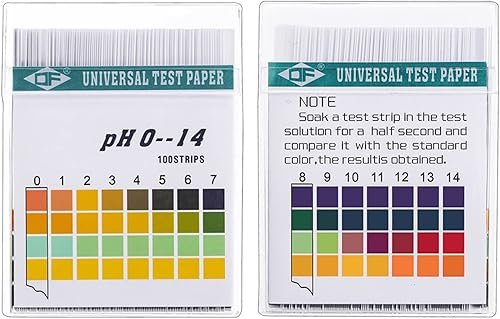
For most homeowners: Start with a reliable pack of test strips. Look for a clear, non-bleeding color chart and a range that covers at least 5-9 pH. The Yotsuba 100PCS pH Test Strips are a solid, affordable choice we’ve used for quick checks.
If you need precision: Invest in a digital meter. Key features are automatic temperature compensation (ATC), a replaceable probe, and included calibration powders. The Digital pH Meter with 0.01 Precision we tested comes with everything you need to start.
For aquarium or pool owners: A multi-parameter strip kit saves time and money. Testing pH, chlorine, and alkalinity in one dip is efficient. The 7 Way Aquarium Test Strips are a great example.
Don’t forget: Whatever you buy, follow the instructions exactly. Timing and technique matter more than the price tag.
Our Top Picks for 2026
| Product | Type | Best For | Price |
|---|---|---|---|
| Yotsuba 100PCS pH Test Strips | Test Strips | General home use, budget-friendly | ~$10 |
| pH Test Strips Full Range 1-14 (80 Strips) | Test Strips | Basic, no-frills testing | ~$5 |
| Digital pH Meter, 0.01 Precision | Digital Pen | Accuracy, hobbyists | ~$18 |
| 7 Way Aquarium Test Strips (125ct) | Multi-Parameter Strips | Aquariums, pools, multi-issue checks | ~$16 |

Yotsuba 100PCS pH Test Strips
This is our go-to recommendation for anyone starting out. You get 100 strips for about ten bucks—enough to test your tap, your shower, your aquarium, and your garden soil. The color chart is detailed and includes ranges for low-level impurities, which is a nice bonus. We found the results consistent and the pads don’t bleed excessively like some cheaper brands.
- Excellent value for the quantity
- Clear, detailed color chart
- Fast results (under 60 seconds)
- Versatile for multiple uses
- Subjective color matching
- Less precise than a digital meter
- Strips can degrade if container left open

pH Test Strips Full Range 1-14 (80 Strips)
These are the definition of basic. They work. If all you want is a dirt-cheap way to see if your water is roughly acidic or alkaline, they’ll do the job. Don’t expect lab-grade accuracy. The color chart is simpler, and the strips are a bit flimsy. For a quick once-a-year check on your well water, they’re fine. For regular monitoring, spend a little more.
- Extremely affordable
- Simple to use
- Good for educational purposes
- Lower build quality
- Less accurate color matching
- Limited instructions
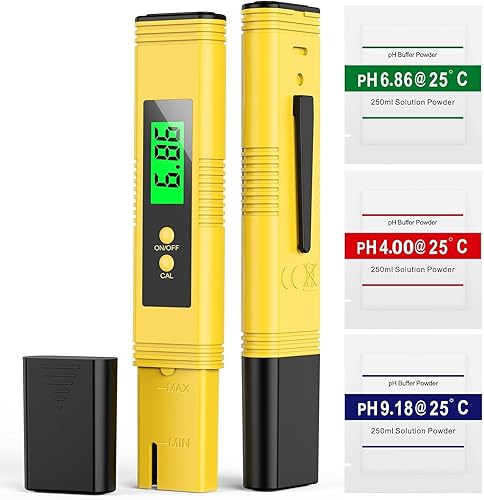
Digital pH Meter, 0.01 Precision
This pen-style meter is a step up in commitment but also in clarity. No guessing at colors—you get a number. It comes with three calibration powder packets, which is critical. You must calibrate it before first use and periodically after. The instructions are clear about the need to stir gently and wait for stabilization. It’s not instant, but the precision is worth it if you’re adjusting a culligan water softener or monitoring a reef tank.
- High precision (0.01 pH)
- Easy-to-read digital display
- Includes calibration materials
- Automatic Temperature Compensation (ATC)
- Requires regular calibration
- Probe is fragile
- Must be stored properly (often in solution)
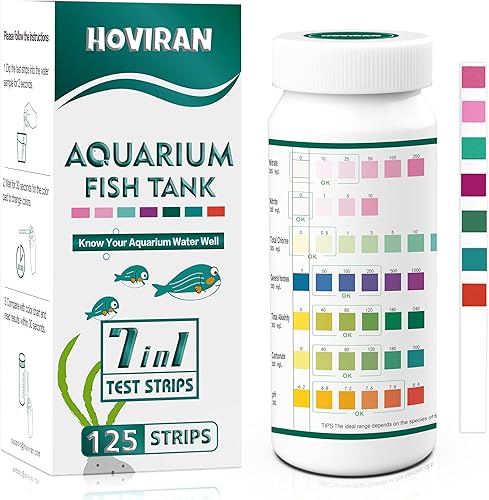
7 Way Aquarium Test Strips (125 Count)
If you have an aquarium, a pool, or are dealing with complex water issues, testing pH in isolation isn’t enough. These strips let you check pH, chlorine, alkalinity, hardness, nitrite, nitrate, and carbonate in one dip. We’ve used them to diagnose cloudy pool water and fish tank problems. The 125-count bottle means you can test frequently without worrying about running out. The results are comparative, not absolute, but they’re perfect for spotting trends and imbalances.
- Tests 7 key parameters at once
- Great value per strip
- Fast and easy for routine checks
- Ideal for aquarium hobbyists
- Color charts can be busy
- Not for ultra-precise measurements
- Some parameters may not be needed by all users
Frequently Asked Questions
- What is the ideal pH for drinking water?
- Most guidelines recommend a pH between 6.5 and 8.5. The sweet spot for taste and pipe safety is often right around 7.0 to 7.5. Slightly alkaline is generally preferable to slightly acidic for plumbing health.
- How often should I test my water’s pH?
- For municipal water, testing once or twice a year is usually sufficient unless you notice changes in taste or appearance. For well water, test at least quarterly. Aquarium and pool owners should test weekly or bi-weekly.
- Can I test pH with stuff from my kitchen?
- Red cabbage juice can give a very rough, qualitative indication (it changes color with pH), but it’s not reliable for a numerical reading. For actionable data, spend the $5-$10 on proper test strips.
- My water pH is 6.2. What should I do?
- That’s acidic. It can corrode pipes. Consider installing a neutralizing filter, often filled with calcite or magnesium oxide, which raises the pH. This is different from a sulfur filtration system, which addresses odor, not acidity.
- Are digital pH meters worth the hassle?
- If you need precision for hydroponics, aquariums, or frequent monitoring, yes. For a one-off check on your tap water, strips are simpler. The key with meters is maintenance—calibrate them!
- Does boiling water change its pH?
- Very slightly. Boiling can drive off dissolved carbon dioxide, which can make the water marginally more alkaline (the pH might rise by 0.1-0.2). It’s not a significant change for practical purposes.
Final Thoughts
Testing your water’s pH is one of the simplest, most informative things you can do as a homeowner. It’s the diagnostic starting point. Is your water eating your pipes? Is it making your expensive filter work harder? A quick test gives you the answer.
For most of you, grab a pack of the Yotsuba test strips. They’re cheap, easy, and accurate enough. If you find your pH is off, that’s when you dig deeper—maybe into a neutralizer or a more advanced filter system. Don’t overthink it. Just test. The knowledge is worth the ten minutes and few dollars it takes.
