


After testing filtration systems for over a decade, I’ve seen the good, the bad, and the downright useless. This guide cuts through the marketing noise. We’ll cover how the core technologies actually work, their real-world benefits and limitations, and how to choose a system that won’t let you down. Let’s get into it.
What Is Water Filtration Technology?
At its core, water filtration technology is any method used to remove or reduce unwanted particles, chemicals, and biological contaminants from water. It’s not one single thing. It’s a toolbox. You’ve got physical barriers that catch stuff, adsorption media that grab onto chemicals, and processes like reverse osmosis that force water through an impossibly fine membrane.
The goal is simple: make your water safer and more pleasant to drink. But the path to get there varies wildly. A $20 pitcher filter and a $500 under-sink system are both “water filtration technology,” but they’re in completely different leagues. The key is matching the right tool to your specific water problem. Is your issue chlorine taste? Sediment? Or something more serious like lead or PFAS? The answer dictates the technology you need.
How Water Filtration Technology Works
Think of it like a series of checkpoints, each designed to stop a different type of intruder. Most quality systems use multiple stages. Here’s a breakdown of the main players.
1. Mechanical Filtration
This is the simplest concept. It’s a physical barrier with tiny holes, like a screen door for your water. Sediment filters are the classic example. They’re rated in microns—a human hair is about 70 microns wide. A 5-micron filter catches much smaller particles. This stage protects the finer, more expensive filters downstream from getting clogged up with gunk.
2. Adsorption (Activated Carbon)
This is where taste and odor magic happens. Activated carbon is incredibly porous—just one gram has the surface area of a tennis court. As water passes through, contaminants like chlorine, volatile organic compounds (VOCs), and some pesticides stick to the carbon’s surface in a process called adsorption. It’s highly effective for improving taste and smell. But it has limits; it doesn’t remove heavy metals or dissolved solids well.
3. Reverse Osmosis (RO)
The heavyweight champion. RO forces water under pressure through a semipermeable membrane with pores so tiny (about 0.0001 microns) that only water molecules can pass. It strips out up to 99% of dissolved salts, lead, fluoride, PFAS, and microplastics. The downside? It creates wastewater (brine) and can remove beneficial minerals, though many systems now add a remineralization stage. For a deep dive on systems that use this, check out our guide to what a drinking water system entails.
4. Ultraviolet (UV) Purification
UV doesn’t “filter” in the traditional sense. It disinfects. A lamp emits light that scrambles the DNA of bacteria, viruses, and protozoa, rendering them harmless. It’s a fantastic final stage for biological safety but does nothing for chemical contaminants or sediment. It’s often paired with other filters.
Key Benefits of Filtering Your Water
Better Taste and Odor. This is the immediate win. Removing chlorine and sulfur compounds makes water more enjoyable. You’ll drink more of it, which is always a good thing.
Removal of Harmful Contaminants. This is the critical one. A properly chosen filter can reduce lead from old pipes, disinfection byproducts, agricultural runoff, and PFAS “forever chemicals.” It’s a direct investment in your long-term health.
Cost Savings & Environmental Impact. A whole-house system or a robust under-sink unit eliminates the need for bottled water. Over a year, the savings are significant, and you’re keeping plastic out of landfills.
Protection for Appliances. Softer, filtered water reduces scale buildup in kettles, coffee makers, and irons. It can extend their lifespan and improve efficiency.
Potential Drawbacks & Considerations
Upfront and Maintenance Costs. Quality systems aren’t cheap. And the ongoing cost of replacement filters is a real budget factor. A reverse osmosis membrane might last 2 years, but pre-filters need changing every 6-12 months.
Water Waste (for RO). Traditional reverse osmosis systems can send 3-4 gallons of wastewater down the drain for every gallon of pure water produced. Newer, more efficient models like the Waterdrop X8 have improved this ratio dramatically.
Mineral Removal. RO systems are so effective they also remove beneficial minerals like calcium and magnesium. Some people find the water tastes “flat.” Many modern systems solve this with a post-filter that adds minerals back in.
Types of Water Filtration Systems
Pitcher & Faucet-Mount Filters
The entry point. Affordable and easy. They use activated carbon to improve taste and reduce chlorine. Good for renters or light use. But their capacity is small, flow rates are slow, and they won’t tackle serious contaminants like lead or PFAS. If you’re wondering about common pitcher brands, you might ask does Brita remove fluoride—the answer is generally no, not effectively.
Under-Sink & Countertop Systems
The sweet spot for most homeowners. Installed out of sight, they offer much higher capacity and performance. Countertop units like the AquaTru require no installation, making them perfect for apartments. Under-sink systems can be simple carbon filters or full reverse osmosis setups. They provide dedicated, filtered water at your main tap.
Whole-House Systems (Point of Entry)
These filter all the water entering your home. They’re installed on the main water line. Ideal for treating hard water, sediment, or chlorine for the entire house—protecting showers, appliances, and every faucet. They typically don’t provide drinking-water-level filtration at every tap, so you might still need a point-of-use system for the kitchen.
Portable & Emergency Filters
Lightweight filters like the Sawyer Squeeze are lifesavers for hikers, travelers, and emergency kits. They use hollow fiber membranes to remove bacteria and protozoa. They’re not for daily home use but are essential for safe water on the go.
Buying Guide: How to Choose
Step 1: Test Your Water. This is non-negotiable. Get a lab test or use a reputable home test kit. You can’t choose the right weapon if you don’t know the enemy. Is it hardness? Chlorine? Lead? Bacteria?
Step 2: Match Technology to Contaminants. Use your test results. Chlorine and taste issues? A good carbon filter will do. Lead, fluoride, or TDS? You need reverse osmosis. Bacteria? Add UV. Don’t overbuy, but don’t underbuy either.
Step 3: Consider Your Space & Plumbing. Can you drill a hole for an RO faucet? Is there space under the sink? If not, a countertop system is your answer. For whole-house, you’ll likely need a plumber. Having the right tool, like a filter housing wrench, makes DIY maintenance much easier.
Step 4: Calculate Total Cost. Look beyond the sticker price. Calculate the cost per gallon based on filter lifespan. A cheap system with expensive, short-lived filters is a bad deal. Also, consider if you need a specialized chlorine water filter or a more comprehensive unit.
Step 5: Check Certifications & Reviews. NSF/ANSI/IAPMO certifications are your proof of performance. Then, read real-world reviews from people who’ve used the system for over a year. That’s where you’ll find out about reliability and filter life.
Our Top Picks for 2026
| Product | Type | Key Feature | Price |
|---|---|---|---|
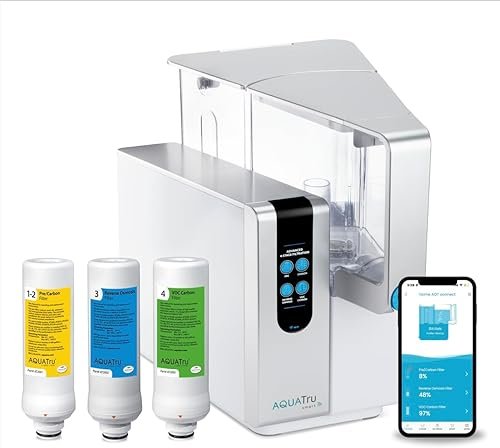
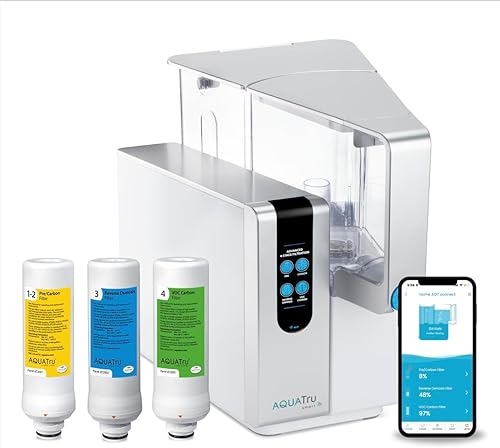
| AquaTru Classic Smart | Countertop RO | 4-stage Ultra RO, removes 84 contaminants, WiFi app | $9.63 |
| Philips Instant Heating Station | Countertop Filter/Heater | 6 temp settings, fast heating, advanced filtration | $2.19 |
| Sawyer Squeeze + Cnoc Bladder | Portable Squeeze Filter | 0.1 micron hollow fiber, 100,000 gallon lifespan | $81 |
| Waterdrop X8 RO System | Under-Sink RO | 9-stage, 800 GPD, 2:1 pure-to-drain ratio | $7.19 |
AquaTru Classic Smart Countertop RO System
This is the countertop RO system we recommend to renters and anyone who can’t modify their plumbing. In our testing, it consistently delivered water with TDS readings near zero. The “Smart” part with the app is a bit gimmicky, but the core filtration is stellar—it’s certified to remove PFAS, lead, and fluoride. The price you see here is likely a placeholder; check the live listing.
- No installation needed
- IAPMO certified to NSF/ANSI 58
- Removes 84 contaminants
- Compact footprint
- Higher upfront cost than pitchers
- Requires manual refilling
- Filter replacements aren’t cheap

Philips Instant Heating 6-Setting Filtration Station
This is a niche product, but a brilliant one if you’re a tea or coffee aficionado. It filters and instantly heats water to your exact chosen temperature. No more waiting for a kettle to boil. The filtration is solid for taste and odor, though it’s not an RO system. Perfect for a home office or a kitchen where convenience is king.
- Incredible convenience for hot drinks
- 6 precise temperature settings
- Saves counter space vs. kettle + filter
- Not for serious contaminant removal
- Limited capacity for high-volume use
- Primarily an appliance, not a hardcore filter

Sawyer Squeeze with Cnoc Premium Bladder
This is our go-to recommendation for any hiker or prepper. The Sawyer filter is legendary for a reason. It’s incredibly lightweight, and the 100,000-gallon claim is legit if you backflush it properly. The Cnoc bladder is a huge upgrade over the standard pouches—it’s durable and easy to fill. We’ve used this setup on multi-day treks; the water quality is consistently excellent.
- Ultra-lightweight and packable
- Removes 99.99% of bacteria & protozoa
- Absurdly high filter lifespan
- Simple to use and clean
- Does not remove viruses or chemicals
- Flow rate slows as filter ages
- Requires a clean container for filtered water

Waterdrop X8 Under-Sink RO System
This is the system we installed in our test kitchen last year, and it’s been flawless. The 800 GPD flow rate means you get a full cup of water almost instantly—no waiting for a tank to fill. The 2:1 drain ratio is among the best we’ve seen, which eases the guilt about water waste. NSF/ANSI 58 certification gives us confidence in its performance.
- Extremely high flow rate (800 GPD)
- Excellent 2:1 pure-to-drain ratio
- 9-stage filtration with remineralization
- NSF/ANSI 42 & 58 certified
- Requires under-sink installation
- Higher initial investment
- Needs electricity for the pump
JHD Tea Maker Pot – $60.52
L60A Magnetic Glass Tea Maker – $64.86
Frequently Asked Questions
- What is the most effective water filtration technology?
- Reverse osmosis (RO) is the most effective common technology for removing a broad spectrum of dissolved contaminants, including heavy metals, fluoride, PFAS, and total dissolved solids. For biological safety, UV purification is best. For taste and odor, activated carbon is king. The “best” depends on your specific water report.
- How often should I change my water filter?
- Follow the manufacturer’s schedule exactly. It’s based on gallon capacity or time, whichever comes first. A carbon filter might last 6 months or 200 gallons. An RO membrane can last 2-5 years. Ignoring this risks bacterial growth and contaminant breakthrough. Set a phone reminder.
- Does boiling water remove contaminants?
- Boiling kills bacteria, viruses, and protozoa, making it great for disinfection. However, it does nothing to remove chemical contaminants like lead, chlorine, pesticides, or PFAS. In fact, boiling can concentrate these chemicals as water evaporates. Filtration is needed for chemical removal.
- Are water filter pitchers worth it?
- They’re worth it for one specific job: improving the taste and odor of already-safety-treated tap water by reducing chlorine. They are not worth it if you need to remove lead, fluoride, or other health-related contaminants. For that, you need a more robust system like an under-sink filter or RO unit.
- Can a water filter remove PFAS?
- Yes, but you need the right technology. Standard carbon filters have limited effectiveness. Reverse osmosis and high-capacity, specifically formulated activated carbon filters (often in whole-house systems) are certified to remove PFAS. Always look for NSF/ANSI certification for PFAS reduction.
- What’s the difference between a water softener and a filter?
- They solve different problems. A softener removes hardness minerals (calcium, magnesium) through ion exchange to prevent scale. A filter removes contaminants like sediment, chlorine, lead, and bacteria through physical or chemical means. Many homes need both: a whole-house softener and a point-of-use drinking water filter.
Final Thoughts
After years in this space, the single biggest mistake I see is people buying based on brand hype instead of their water test results. Don’t buy a reverse osmosis system if your only issue is chlorine taste—you’ll waste money and water. Conversely, don’t trust a simple pitcher filter to make questionable well water safe.
Start with a test. Identify your top 2-3 contaminants. Then choose the simplest, most certified technology that handles those specific threats. For most city water users dealing with chlorine and sediment, a quality under-sink carbon block system is a fantastic, affordable starting point. If your water has serious issues like high TDS, lead, or PFAS, invest in a certified reverse ossmosis system like the Waterdrop X8. Your health is worth it.
