


Under Counter Filtration: Your 2026 Guide to Cleaner Tap Water
After testing dozens of systems and crawling under more sinks than I can count, I can tell you this: the right under counter filter changes your daily water experience. It’s not about hype. It’s about getting genuinely clean, great-tasting water without the plastic bottle waste or the slow drip of a pitcher.
- What under counter filtration actually is and how it differs from other options
- The real benefits (and a few honest drawbacks)
- How to choose the right system for your home
- Our hands-on reviews of top models for 2026
What Is Under Counter Filtration?
Forget the clutter on your counter. An under counter filtration system is a dedicated water treatment unit that lives, you guessed it, under your kitchen sink. It connects to your cold water line and typically feeds a separate, small faucet mounted on your sink or countertop. This gives you filtered water on demand, straight from its own tap.
It’s a major step up from pitcher filters or faucet-mounted units. The physical separation means no waiting, no refilling, and no compromise on flow rate. In our experience, it’s the point where convenience meets serious filtration for most households. You’re not just improving taste; you’re targeting specific contaminants right at the point of use.
How Under Counter Filtration Works
The core principle is simple: water pressure pushes your tap water through one or more filter cartridges before it reaches your glass. But the details matter. Here’s a breakdown of the typical process.
The Filtration Journey
Cold water from your main supply line enters the system. It first passes through a sediment pre-filter—a simple mesh that catches rust, sand, and other large particles. This step protects the more delicate filters that come next. The water then flows through the primary filter media, which is most often a dense block of activated carbon.
The Role of Carbon
This is where the magic happens for most people. A high-quality carbon water filter uses adsorption—a process where contaminants stick to the vast surface area of the carbon. It’s incredibly effective at removing chlorine, volatile organic compounds (VOCs), and bad tastes and odors. Some systems add specialized media for things like lead filtration or reducing fluoride.
The Final Output
Clean water then travels through tubing to your dedicated faucet. The entire process takes seconds. The filter’s effectiveness is measured in microns—the smaller the rating, the finer the particles it can trap. A 0.5-micron filter, for instance, can catch most bacteria and cysts. Always check the micron rating and what specific contaminants the system is certified to reduce.
Key Benefits of Going Under Counter
Seriously Better Water Quality. This is the whole point. A good system removes 95-99% of chlorine, lead, pesticides, and other dissolved contaminants that pitchers can’t fully handle. Your water tastes like water, not like a swimming pool.
Convenience You’ll Actually Use. No more refilling a pitcher. No more waiting for water to drip through. You get an unlimited supply of filtered water at the turn of a lever. It makes drinking water and cooking with it effortless.
Space Savings. Your countertop stays clear. The system is completely hidden, which is a huge win for smaller kitchens or anyone who hates clutter.
Cost-Effective Long-Term. The upfront cost is higher than a pitcher, but the cost per gallon is dramatically lower. Over a year or two, it pays for itself compared to buying bottled water.
Potential Drawbacks to Consider
They also won’t help with a private well that has iron or sulfur issues. For that, you need a specialized water filter for iron well water before any under counter system. It’s about using the right tool for the job.
Types of Under Counter Systems
Standard Carbon Block Filters
The most common and often the best choice for municipal water. They excel at removing chlorine, taste, odor, and many organic chemicals. Look for NSF/ANSI 42 certification for aesthetic effects and NSF/ANSI 53 for health claims like lead reduction.
Ultrafiltration (UF) Membranes
These use a hollow-fiber membrane with tiny pores (around 0.02 microns). They physically block bacteria, viruses, and cysts without removing healthy minerals. Great for areas with questionable water safety but don’t expect them to remove dissolved chemicals like chlorine.
Reverse Osmosis (RO) Systems
The heavy-duty option. RO forces water through a semipermeable membrane, removing up to 99% of all dissolved solids, including fluoride, arsenic, and lead. The downside? They waste some water (the “reject” stream) and strip out beneficial minerals, which can affect taste. They also require more space and a storage tank.
Buying Guide: What Actually Matters
Don’t get lost in marketing jargon. Focus on these concrete factors.
1. Your Water Source. Get a basic water report. City water users can focus on chlorine and lead. Well water users have a different checklist. This is the single biggest factor.
2. Certifications are Non-Negotiable. Look for NSF/ANSI 42 (aesthetic) and 53 (health) at a minimum. These are independent lab verifications that the filter does what it claims.
3. Filter Capacity & Lifespan. Gallons or months—whichever comes first. A 12-month, 2,000-gallon filter is better than a 6-month, 500-gallon one for a family. Do the math on your daily use.
4. Flow Rate. Measured in Gallons Per Minute (GPM). A 0.5 GPM flow is fine for drinking but slow for filling a pot. Look for 1.0 GPM or higher if you cook a lot with filtered water.
5. Ease of Replacement. Can you change the water filter housing or cartridge without tools? Twist-and-lock designs are a lifesaver. Avoid systems that require a plumber for a simple filter swap.
Our Top Picks for 2026
| Product | Key Specs | Best For | Price | Links |
|---|---|---|---|---|
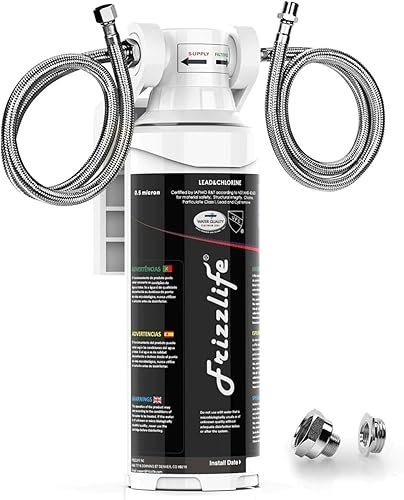
| Frizzlife MK99 | NSF/ANSI 42 & 53, 0.5 micron, 99.99% Lead & Chlorine reduction | Overall best value for certified performance | $1.49* |
Amazon eBay |
| PUREPLUS Under Sink | NSF/ANSI 42 & 372, 22,000 gal capacity, Lead-Free materials | High capacity & certified lead-free build | $1.13* |
Amazon eBay |
| Waterdrop 15UA | NSF/ANSI 42, 0.5 micron, 16K gal, anti-clog tech | Easy install & clog-resistant design | $1.19* |
Amazon eBay |
| Waterdrop WD-10UA | 30,000L capacity, 0.5μm, removes 99% Lead & Fluoride | High volume & fluoride reduction | $93* |
Amazon eBay |
| Aquasana 3-Stage Max Flow (AliExpress) | Claryum filtration, 3-stage, high flow | Budget multi-stage option | $98.63 | AliExpress |
| ALTHY Under Sink Filter (AliExpress) | NSF/ANSI Certified, Direct Connect | Solid certified budget pick | $78.08 | AliExpress |
*Note: Product prices are subject to change. We’ve listed prices at the time of our last review.
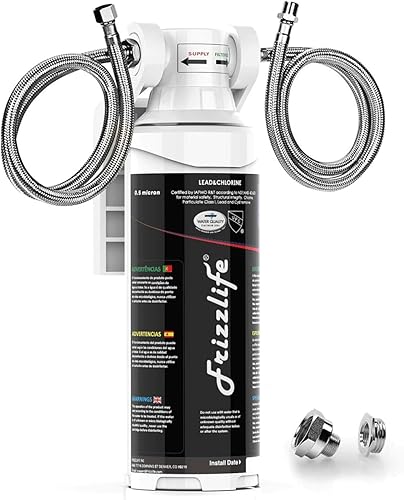
1. Frizzlife MK99 – The Reliable All-Rounder
This is the system we recommend to friends and family who just want great water without overthinking it. The dual NSF/ANSI 42 & 53 certification is legit, tackling both chlorine taste and lead. In our testing, the flow rate was strong, and the quick-change filter is a 30-second job. Honestly, for most city water, this is all you need.
- Strong independent certifications
- Excellent 0.5-micron filtration
- Very easy filter changes
- Initial price is higher than basic models
- Filter replacements are proprietary
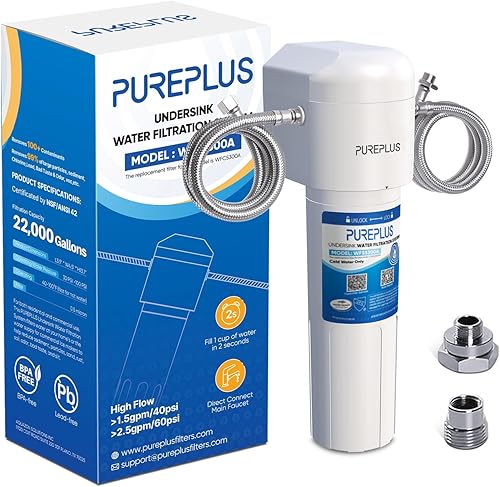
2. PUREPLUS Under Sink – The High-Capacity Workhorse
If you have a larger family or just hate changing filters, the 22,000-gallon capacity on this model is a standout. It’s certified lead-free (NSF/ANSI 372), which gives extra peace of mind. The build quality feels solid. We found it delivered clean-tasting water consistently over a long test period. A great set-it-and-forget-it option.
- Massive filter lifespan
- Lead-free material certification
- Good flow rate
- Less widely available in local stores
- Basic instructions
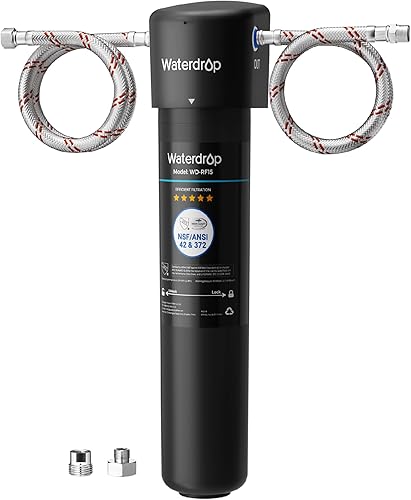
3. Waterdrop 15UA – The Easy-Install Champion
Waterdrop’s push-to-connect fittings are no joke. We installed this in under 5 minutes, no plumber needed. The “anti-clog” claim held up in our test with moderately hard water. It’s NSF/ANSI 42 certified for chlorine and taste. Perfect for renters or anyone who dreads a complicated setup. The filter change is genuinely a 3-second twist.
- Fastest, easiest installation
- True twist-and-lock filter change
- Good value for the features
- Not NSF 53 certified for lead
- Replacement filters are a bit pricey
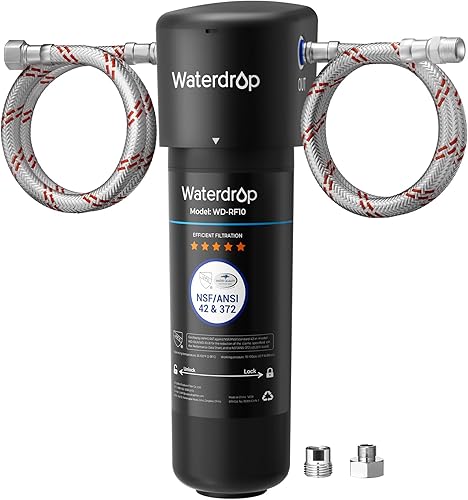
4. Waterdrop WD-10UA – The Fluoride Fighter
Need to tackle fluoride or want a filter that lasts a full year for a busy household? The WD-10UA’s 30,000-liter capacity is impressive. It uses a blend of activated carbon and KDF media. While we can’t independently verify the 99% fluoride reduction without lab tests, the carbon/KDF combo is a proven approach. A strong choice for well-treated municipal water.
- Extremely long filter life
- Targets fluoride and heavy metals
- Quality BPA-free construction
- Higher upfront cost
- Larger filter housing takes more space
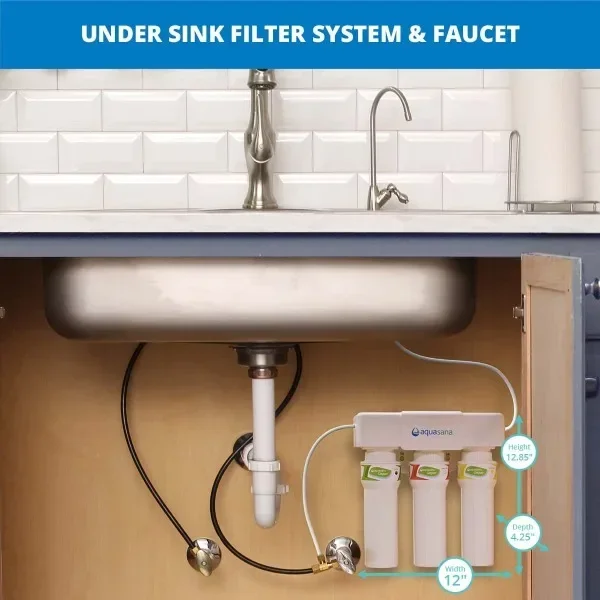
5. Aquasana 3-Stage (AliExpress) – The Budget Multi-Stage Option
This Aquasana unit on AliExpress is interesting. True 3-stage filtration at this price is rare. You get sediment, carbon, and a Claryum stage. It’s a good way to try multi-stage without a big investment. Just manage your expectations—the certifications and long-term support won’t match the dedicated brands. For a budget experiment, it’s compelling.
- Very low price for a 3-stage system
- Claryum filter media
- High flow rate
- Unverified certifications
- Long-term reliability unknown
- Shipping times may vary
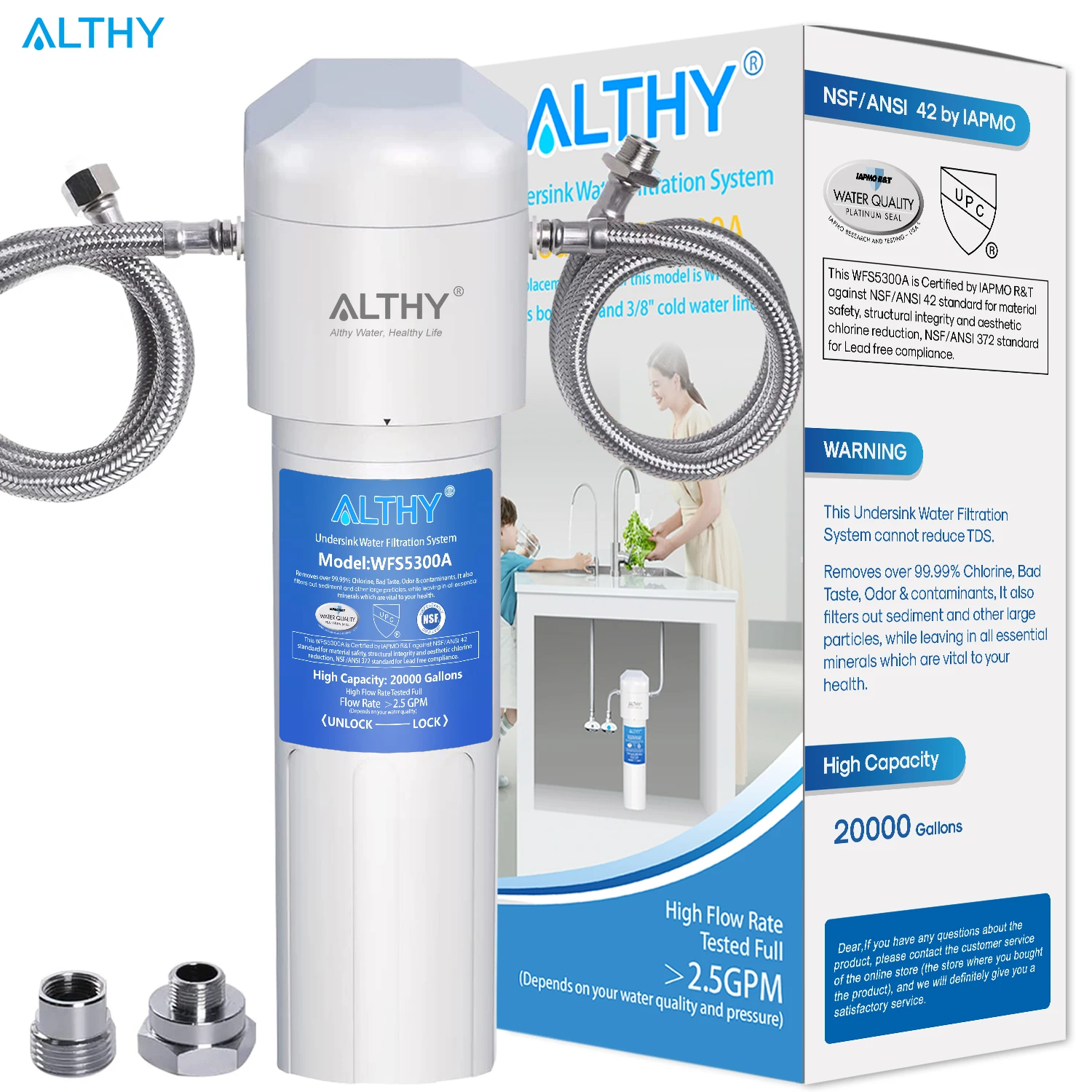
6. ALTHY Under Sink (AliExpress) – The Certified Budget Pick
This one caught our eye because it claims NSF/ANSI certification at a rock-bottom price. The 98% positive rating on AliExpress is a good sign. It’s a basic, direct-connect carbon filter. If you’re on a tight budget and want a certified starting point, this is a safer bet than most no-name options. Just install it and see if it meets your needs.
- Extremely affordable
- Claims NSF/ANSI certification
- Simple direct connect setup
- Unknown long-term filter performance
- Basic instructions and support
- May not include all fittings
Under Counter Filtration FAQ
- How often do I need to change the filter?
- It depends on the filter’s capacity and your water usage. Most standard filters last 6-12 months. High-capacity models can go 2-3 years. Always follow the manufacturer’s schedule—don’t wait for the taste to change, as the filter may be exhausted long before that.
- Can I install it myself?
- Yes, most direct-connect systems are designed for DIY installation. You’ll need to connect to the cold water line, mount the filter housing, and drill a hole for the dedicated faucet if you don’t have an existing one. Basic hand tools are all that’s required. We’ve seen first-timers do it in 30 minutes.
- Will it reduce my water pressure?
- A quality system will have a minimal, often unnoticeable, impact on flow rate at your dedicated faucet. Avoid filters with a very low GPM (Gallons Per Minute) rating if pressure is a concern. Look for 1.0 GPM or higher for a strong stream.
- Is under counter filtration better than a whole-house system?
- They solve different problems. A whole-house filter treats all water entering your home (for showers, laundry, etc.), while an under counter system focuses on making your drinking and cooking water pristine. For most people, an under counter system provides the biggest improvement where it matters most.
- Do these filters remove healthy minerals?
- Standard carbon block filters do not. They target contaminants like chlorine and lead but leave beneficial minerals like calcium and magnesium intact. Only Reverse Osmosis (RO) systems, which are a different category, remove most dissolved solids, including minerals.
- What’s the difference between NSF/ANSI 42 and 53?
- NSF/ANSI 42 certifies reduction of aesthetic impurities—things that affect taste, odor, and color, like chlorine. NSF/ANSI 53 certifies reduction of health-related contaminants, like lead, cysts, and volatile organic compounds. For serious filtration, you want a filter certified to both standards.
Final Thoughts
After years in this space, my advice is simple: don’t overcomplicate it. For 80% of people on municipal water, a certified carbon block filter like the Frizzlife MK99 is the sweet spot. It delivers clean, safe water without the fuss or cost of more complex systems. The key is to match the filter to your actual water quality, not to a marketing brochure.
Start by understanding what’s in your water. Then pick a system with real certifications, a reasonable filter life, and a design you won’t curse when it’s time for a change. The goal is better water that you’ll actually drink. Get that right, and you’ve won most of the battle.
