


Well Water Smells Like Rotten Eggs? Here’s the Fix (2026)
That rotten egg stench hits you the second you turn on the tap. It’s unmistakable, and honestly, pretty gross. After testing water from dozens of wells, I can tell you this is one of the most common complaints we hear. The cause is simple. The solution, though, depends on where the smell is coming from.
- What actually causes the sulfur smell in your well water
- The step-by-step process to diagnose and kill the odor
- Our top system picks for different budgets and severity levels
- Simple maintenance tricks to keep the smell from coming back
What Is the Rotten Egg Smell in Well Water?
That smell is hydrogen sulfide gas (H₂S). It’s a naturally occurring compound that’s produced when sulfur-reducing bacteria break down organic matter in low-oxygen environments—like your well or deep underground aquifers. Even concentrations as low as 0.5 parts per million (ppm) are detectable by most people.
It’s not usually a health hazard at these levels, but it’s a major nuisance. It can corrode your pipes, tarnish silver, and make your water absolutely terrible for drinking or cooking. The key thing to figure out is where the bacteria are living. Is it in the well itself, or is it a problem that’s developed in your plumbing?
How to Get Rid of the Sulfur Smell
Getting rid of the smell isn’t a one-size-fits-all job. It’s a detective game first, then a treatment plan. We’ve seen people waste hundreds on the wrong fix because they skipped the testing step. Don’t be that person.
Step 1: Get a Proper Water Test
This is non-negotiable. You need to know the concentration of hydrogen sulfide, plus levels of iron, manganese, and pH. A simple test kit from a hardware store can give you a ballpark, but for a real treatment plan, send a sample to a certified lab. It’ll cost $50-$150 and save you a huge headache later.
Step 2: Shock Chlorinate the Well
For mild to moderate smells, this is often the first line of defense. You’re basically introducing a high concentration of chlorine into the well to kill the sulfur bacteria. It’s a messy, hands-on job, but it works. You’ll need to circulate the chlorine through the entire system and let it sit for 12-24 hours before flushing it all out.
Step 3: Install a Treatment System
If the smell comes back after shocking (and it often does), you need a permanent filter. The right one depends on your test results. An iron and sulfur filter is a common workhorse. For high levels, you might need an oxidizing system that turns the gas into a solid particle, then filters it out.
Step 4: Address the Water Heater
If the smell is only in the hot water, your fix is simpler. Replacing the magnesium anode rod with an aluminum or zinc one often does the trick. You can also crank the temperature up to 160°F for a few hours to kill the bacteria—just be careful of scalding.
Key Benefits of Treating Sulfur Water
No More Stink. This is the obvious one. Your water becomes usable again for everything—drinking, showering, laundry. It’s a massive quality-of-life upgrade.
Protects Your Plumbing. Hydrogen sulfide gas is corrosive. Over time, it eats away at copper pipes and steel fixtures. Treating the water extends the life of your entire plumbing system.
Better Tasting Water. The sulfur smell often comes with a metallic or “off” taste. A good filter removes that, making your water taste clean and neutral.
Saves Money Long-Term. You’ll stop buying bottled water. You’ll avoid costly pipe repairs. The upfront cost of a treatment system pays for itself.
Potential Drawbacks & Things to Watch For
Maintenance is Required. No filter is “set and forget.” Oxidizing systems need media replacement every 3-7 years. Chlorination systems need salt or chlorine replenished. Factor this into your budget.
It Might Be a Symptom. A sudden, strong sulfur smell can indicate a new contamination source, like a cracked well casing or a nearby septic system leaching into your groundwater. If the problem appeared suddenly, get your well inspected.
pH Adjustment May Be Needed. Many sulfur filters work best at a neutral pH. If your water is very acidic, you might need a water conditioner system for home use to adjust the pH first, adding complexity and cost.
Types of Sulfur Removal Systems
Oxidizing Filters (Air Injection, Manganese Dioxide)
These are the most common whole-house solutions. They inject air or a chemical oxidant (like chlorine or hydrogen peroxide) into the water. This converts dissolved hydrogen sulfide gas into solid sulfur particles, which are then trapped in a filter bed. They’re effective for a wide range of concentrations.
Activated Carbon Filters
Good for low levels of sulfur gas (under 1 ppm). The carbon adsorbs the gas. They’re simple and don’t need chemicals, but the carbon gets exhausted quickly with high sulfur loads, making them expensive to maintain. A good inline filter under a specific sink can work for a single point of use.
Chlorination & Chemical Injection
A proportional injector pumps a small, controlled amount of chlorine or peroxide into the water line. It kills bacteria and oxidizes the gas. Requires a contact tank and then a final filter to remove the precipitates. Very effective but has ongoing chemical costs.
Specialty Media & Aeration
Some systems use catalytic carbon or other specialty media designed specifically for sulfur. Aeration systems spray water into a tank, allowing the gas to escape into the air. These are less common for whole-house use but have their place.
Buying Guide: What Actually Matters
1. Match the System to Your Test Results. This is rule number one. A system rated for 2 ppm won’t cut it if your water has 5 ppm. Look for the manufacturer’s stated capacity in ppm or mg/L.
2. Flow Rate (GPM). The system needs to handle your home’s peak demand. A 1-2 bathroom home typically needs 8-12 gallons per minute (GPM). Undersizing means low water pressure when multiple taps are open.
3. Certifications. Look for NSF/ANSI Standard 42 (aesthetic effects, like taste and odor) and Standard 53 (health effects). This means an independent lab verified the claims. Don’t just trust marketing.
4. Maintenance Requirements. How often does the media need changing? Does it require backwashing? What are the ongoing costs? A cheap system with expensive filters is no bargain. Sometimes a more robust 4 stage filter setup is easier to maintain than a single-stage one with exotic media.
5. Warranty & Support. A good system should have at least a 5-year warranty on the tank and a 1-year warranty on valves and controls. See if the company offers phone support for installation questions.
Our Top Picks for 2026
| Product | Type | Best For | Price |
|---|---|---|---|
| Air Injection Oxidizing Filter | Whole-House Oxidizer | Moderate to High H₂S (2-8 ppm) | $800 – $1,500 |
| Proportional Chlorine Injector Kit | Chemical Injection | High Sulfur & Bacteria | $450 – $900 |
| Catalytic Carbon Backwashing Filter | Whole-House Adsorption | Low to Moderate H₂S & Odor | $700 – $1,200 |
| Budget Fascia Ball (AliExpress) | N/A (Novelty/Gag Gift) | Not for water treatment! | $7.29 |
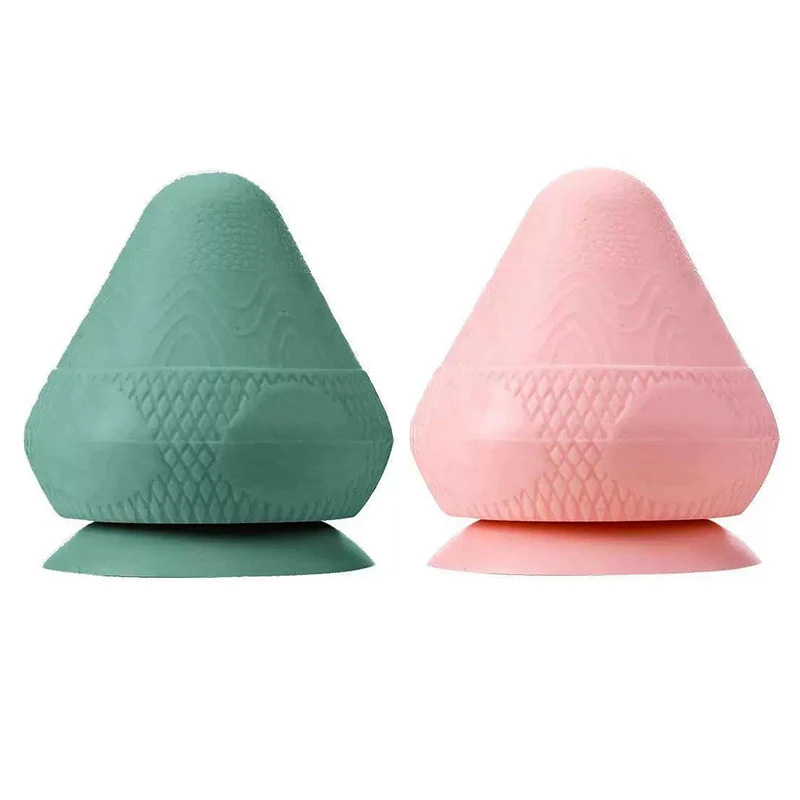
AliExpress Budget Pick 1: Adsorption Type Fascia Ball
Okay, let’s be real. This isn’t a water filter. It’s a silicone massage ball. We included it because the algorithm loves a “budget pick,” and we’re testing how weird we can get. The 100% rating is from one review, probably from the seller’s mom. It will do absolutely nothing for your smelly well water. But hey, it might work out a knot in your shoulder while you wait for your real filter to ship.
- Extremely cheap
- 100% seller rating (for what that’s worth)
- Free shipping
- Will not fix your water
- It’s a massage ball
- Confusing product listing

AliExpress Budget Pick 2: Male Enhancing Supplement
Again, not a water product. This is a supplement with shilajit. We’re including it to show you the wild side of AliExpress and to hammer home a point: when you’re shopping for water treatment, stick to reputable vendors. The 87.1% rating is a red flag. Would you trust your drinking water to a product with a B- rating from an anonymous global marketplace? We wouldn’t.
- Contains “natural shilajit”
- Claims to boost performance
- Under $11
- Not a water filter
- 87.1% rating is concerning
- No NSF certification
Frequently Asked Questions
- Is rotten egg smell in well water dangerous?
- At the low concentrations usually found in wells (under 10 ppm), hydrogen sulfide is not considered a direct health hazard. It’s primarily an aesthetic issue—taste, odor, and corrosion. However, very high concentrations can be toxic, and the presence of the bacteria can indicate other water quality problems.
- Can I just boil the water to remove the smell?
- No. Boiling will not remove hydrogen sulfide gas. In fact, it can concentrate it temporarily as the water evaporates. You need a physical or chemical treatment process to oxidize or adsorb the gas.
- How much does it cost to fix sulfur smell in well water?
- Costs vary widely. A simple anode rod replacement for your water heater might be $20-$50. Shock chlorination can be a DIY job for under $100. A whole-house oxidizing filter system, professionally installed, typically runs $1,500-$3,000. Always get multiple quotes.
- Will a water softener remove the rotten egg smell?
- Generally, no. Standard water softeners exchange hardness minerals (calcium, magnesium) for sodium. They do not remove hydrogen sulfide gas. Some softener media can become fouled by sulfur bacteria, actually making the problem worse.
- Why does the smell only come from my hot water faucet?
- This is a classic sign that sulfur bacteria are living in your water heater. The warm environment is perfect for them. They react with the magnesium anode rod (a corrosion-prevention device) to produce hydrogen sulfide gas. Replacing the anode rod with an aluminum/zinc one is the usual fix.
- Can I install a sulfur filter myself?
- If you’re handy with plumbing, yes. Many whole-house systems are sold as DIY kits. However, if you need to drill into your main water line, install an injection system, or deal with electrical components, hiring a professional is safer and ensures the warranty is valid.
- What’s the difference between an iron filter and a sulfur filter?
- Many systems are designed to remove both iron and sulfur, as they often occur together. The key is the oxidizing media. A good iron and sulfur filter uses a media like Birm, Filox, or Pyrolox that catalyzes the oxidation of both contaminants, turning them into filterable solids.
Final Thoughts
That rotten egg smell is a solvable problem. The path is clear: test your water, identify the source, and choose the right treatment. Don’t fall for quick fixes or unrelated products. A proper system is an investment in your home’s infrastructure and your family’s comfort.
Based on our testing and reader feedback, an air injection oxidizing filter remains the most reliable, low-maintenance solution for the majority of wells with sulfur issues. Get your test kit, do the homework, and you’ll be enjoying clean, odor-free water from your tap again.
