


Is It Safe to Drink Softened Water? The 2026 Guide
You’ve installed a water softener to banish scale from your pipes and shower doors. But now you’re staring at the kitchen tap, wondering: is it safe to drink softened water? After testing systems for years and talking to countless homeowners, we’ve got the clear answer. This guide breaks down the sodium question, health considerations, taste, and the smart setups we actually recommend.
What Is Softened Water?
Softened water is tap water that has undergone a process called ion exchange to remove hardness minerals—primarily calcium and magnesium. These minerals are what cause limescale buildup in your kettle, water heater, and on shower glass. The softener replaces them with sodium ions.
The result is water that feels “slippery,” creates more lather with soap, and protects your plumbing and appliances. But that sodium addition is the core of the safety question. The amount added depends on how hard your water was to begin with.
For context, a glass of very hard water might have 40-50 mg of sodium added per litre after softening. That’s less than a slice of bread. Still, if your doctor has you counting every milligram, it matters.
How Water Softening Works
The Ion Exchange Process
Inside your softener’s tank are thousands of tiny resin beads. These beads are charged with sodium ions. As hard water flows over them, the calcium and magnesium ions (which have a stronger positive charge) are attracted to and stick to the beads, knocking the sodium ions off into the water stream. This is the exchange.
Eventually, the beads become saturated with hardness minerals. The system then flushes a concentrated brine solution (from the salt tank) through the resin, washing the calcium and magnesium down the drain and “recharging” the beads with sodium. It’s a clever, automated cycle.
What Gets Removed, What Doesn’t
Here’s the critical point: a standard water softener is not a filter. It does not remove chlorine, chloramine, lead, bacteria, pesticides, or other chemical contaminants. It only tackles hardness minerals. If your water has other issues, you need additional treatment.
This is why many homes pair their softener with a whole-house carbon water filtration system to address taste, odor, and chemical contaminants before the water even reaches the softener.
Key Benefits of Softened Water
Appliance Longevity: This is the biggest win. Scale buildup in water heaters, coffee makers, and dishwashers reduces efficiency and lifespan. Soft water prevents it. We’ve seen water heaters last years longer in soft-water homes.
Cleaning Efficiency: You’ll use less soap, shampoo, and detergent. Lathers are richer, and dishes come out spot-free without rinse aid. Shower glass stays clear.
Softer Skin and Hair: Hard water leaves a film. Many people report less dry, itchy skin and more manageable hair after switching. It’s a noticeable difference.
Potential Drawbacks for Drinking
Sodium Content: The added sodium is the headline issue. For a healthy adult, it’s negligible. But for those on a medically prescribed low-sodium diet, it can be a real problem. The rule of thumb: for every grain per gallon (GPG) of hardness removed, about 8 mg of sodium is added per litre.
Taste: Many people find softened water has a slightly different, sometimes “flat” or “slippery” taste. It can make great tea or coffee taste off. This is subjective but very common in our reader feedback.
Corrosivity: Softened water can be slightly more aggressive. In homes with older copper or lead-soldered pipes, this could theoretically leach metals into the water. A sediment filter won’t fix this, but a proper drinking water filter will.
Types of Softening & Filtration Systems
Salt-Based Ion Exchange Softeners
The standard, most effective system for true hardness removal. Models like the Fleck water softener are industry workhorses. They require salt and generate brine wastewater.
Salt-Free “Conditioners”
These don’t remove hardness minerals; they alter their structure to prevent scale. They don’t add sodium, so the water is safe to drink from that perspective. But performance varies wildly, especially in very hard water areas.
Reverse Osmosis (RO) Drinking Systems
For pure drinking water, an RO system is the gold standard. It’s installed at a separate tap and removes 95-99% of all contaminants, including the sodium added by your softener. This is the combo we recommend for most families.
If your softener is a Culligan under sink water filtration system, it might already incorporate RO or carbon stages for drinking water.
Buying Guide: What to Look For
1. Know Your Water: Test hardness (GPG) and sodium levels. If you have a private well, test for contaminants like iron, manganese, and bacteria.
2. Set Your Goal: Is it for whole-house protection (softener) or drinking water purity (RO or carbon filter)? Most homes need both.
3. Check Certifications: Look for NSF/ANSI Standard 44 for softeners and Standard 58 for RO systems. These validate performance claims.
4. Consider Maintenance: Salt-based softeners need salt refills and occasional resin cleaning. RO filters need cartridge changes every 6-12 months. Don’t ignore this.
5. Plan Your Setup: The ideal layout is: whole-house sediment filter -> carbon filter -> water softener -> dedicated RO tap at the kitchen sink. This protects pipes and provides pure water.
Our Top Picks for Pure Drinking Water
If you have a softener and want the best drinking water, bypass the kitchen cold tap. Use these bottled options for on-the-go or consider a dedicated filter for your home.
| Product | Type | Best For | Price |
|---|---|---|---|
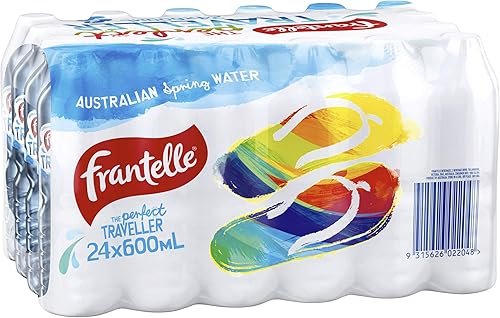
 Frantelle Spring Water |
Natural Spring Water | Everyday hydration, camping | $12 |
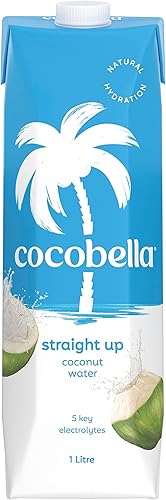 Cocobella Coconut Water |
Coconut Water | Electrolytes, post-workout | $33 |
 Mount Franklin Sparkling |
Sparkling Water | Soda alternative, meals | $25 |
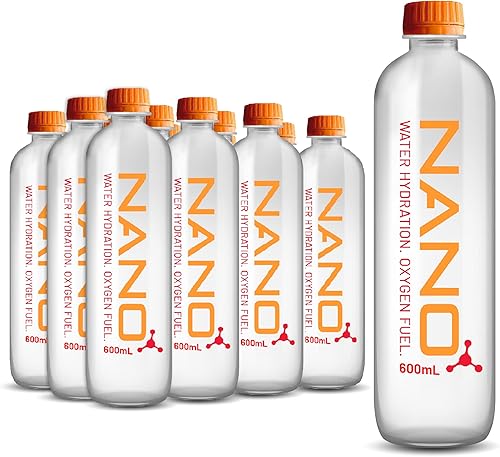 Nano Bubble Water |
Oxygenated Spring Water | Novelty, high-oxygen claim | $36 |
Frantelle Spring Water, 24 x 600ml
This is solid, no-nonsense spring water. We’ve kept cases of this in the office for years. It tastes clean and neutral, which is exactly what you want when comparing to your tap. Perfect for tossing in a bag or keeping in the car. The price is right for everyday drinking.
- Pure natural spring water
- Convenient bottle size
- Great value per bottle
- Single-use plastic bottles
- No added electrolytes
Cocobella Coconut Water Straight Up 6 X 1L
Honestly, most “enhanced” waters are marketing fluff. But coconut water is the real deal for natural electrolytes—potassium, magnesium, sodium. Cocobella’s is straight-up with no added sugar. We reach for this after a hot day working in the yard or a tough workout. It’s not a substitute for daily filtered water, but it’s a great functional drink.
- Rich in natural electrolytes
- No added sugar
- Great for rehydration
- Distinct taste isn’t for everyone
- Higher calorie than water
Mount Franklin Lightly Sparkling Water Lime 20 x 375 mL
Trying to kick a soda habit? This is your secret weapon. The lime flavor is subtle, not that fake, overpowering taste. The mini cans are perfect—you drink the whole thing while it’s still fizzy, no waste. We keep these stocked for guests and Friday nights. Zero sugar, zero guilt.
- Satisfying fizz and light flavor
- No sugar or sweeteners
- Perfect single-serve size
- Aluminum cans have an environmental cost
- Not a plain water replacement
Nano Bubble Nano Water with Billions of NANO Bubbles (12 Pack)
This one’s a bit of a head-scratcher. The marketing is heavy on “billions of nano bubbles” and “fueling your body at a cellular level.” In our testing, we couldn’t feel a difference versus regular spring water. It tastes fine, very clean. But the premium price is for the oxygenation tech, which the scientific jury is still out on. We’d spend this money on a better filter instead.
- Sourced from natural spring
- Very clean, crisp taste
- Interesting tech concept
- Very high price per litre
- Health benefits are unproven
- Heavy marketing language
Frequently Asked Questions
- Is softened water safe for babies?
- It’s best to consult your pediatrician. The added sodium, while small, is a consideration for infants. For mixing formula, many experts recommend using unsoftened, filtered water or bottled water with low mineral content to be safe.
- Does softened water cause high blood pressure?
- The amount of sodium added is unlikely to cause high blood pressure in healthy individuals. However, if you already have hypertension or are sodium-sensitive, the extra sodium from drinking softened water all day could be a contributing factor worth discussing with your doctor.
- Can I drink softened water if I’m on a low-sodium diet?
- You should avoid drinking it if you’re on a strict low-sodium diet. The sodium content can be significant over a day’s intake of water, coffee, and cooked foods. Use a separate unsoftened tap or an RO system for drinking and cooking.
- Why does softened water feel slippery?
- That slippery feeling is the absence of hardness minerals. Calcium and magnesium react with soap to form “soap scum,” which creates friction. Soft water allows soap to lather fully and rinse completely clean, leaving that slick sensation on your skin.
- Does a water softener filter bacteria or viruses?
- No. A standard water softener does not remove microbiological contaminants. If you have concerns about bacteria or viruses in your water supply, you need a UV sterilizer or a sub-micron filter certified for cyst reduction, not just a softener.
- How can I make softened water taste better for drinking?
- The best way is to install a point-of-use filter. A simple chlorine shower filter won’t help here—you need an under-sink carbon block or reverse osmosis system at your kitchen tap to improve taste and purity.
Final Thoughts
So, is it safe to drink softened water? For the vast majority of people, yes. The sodium increase is modest and not a health risk under normal circumstances. But “safe” doesn’t mean “ideal.” The taste can be off-putting, and for pure peace of mind, a dedicated drinking water solution is the way to go.
Our recommendation after all these years? Use the softener for what it’s best at—protecting your whole house from scale. Then, invest in a quality reverse osmosis or carbon block filter for your kitchen sink. That combo gives you the best of both worlds: scale-free pipes and pristine, great-tasting water straight from the tap. That’s the setup we have in our own homes.
