


You step into the shower expecting relief. Instead, you get dry, itchy skin and hair that feels like straw. The culprit isn’t your soap—it’s your water. After testing dozens of systems and talking to plumbers for years, we know shower filtration is the fix most people overlook. This guide breaks down what works, what’s hype, and which filters are worth your money in 2026.
- What shower filtration actually removes from your water.
- How different filter media work and which ones matter.
- The real benefits for your skin, hair, and bathroom.
- How to choose the right type for your needs and budget.
What Is Shower Filtration?
Shower filtration is a point-of-use purification system that attaches directly to your shower arm or head. Its job is simple: strip out contaminants from your water right before it hits your skin. We’re talking about chlorine, chloramines, sediment, heavy metals like lead, and the minerals that cause hard water scale.
Think of it as a dedicated chlorine removal filter for your bathroom. Unlike a whole-house system that treats every faucet, a shower filter focuses on the water you’re exposed to the longest under high heat. That heat opens your pores and makes you more absorbent, which is why filtering at this specific point is so critical.
It’s not a point of entry water filter—it won’t protect your pipes or appliances. But for personal care, it’s a targeted solution that delivers noticeable results fast.
How Shower Filtration Works
Most shower filters use a combination of physical and chemical filtration media packed into a cartridge. Water flows through this media bed, and contaminants are either trapped or transformed.
The Filtration Media Stack
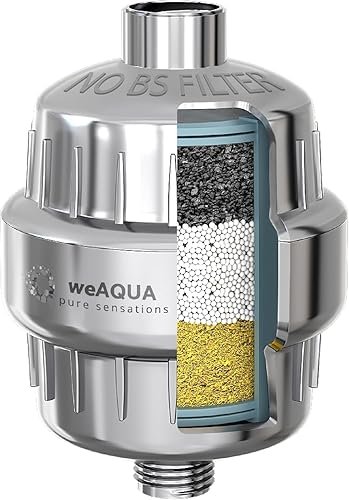
This is where the magic happens. A good filter uses multiple layers. Sediment filters catch rust and sand. Activated carbon adsorbs chlorine and organic chemicals. KDF (a copper-zinc alloy) uses redox reactions to remove chlorine, heavy metals, and inhibit bacteria growth. Calcium sulfite is a champ at handling hot water chlorine removal.
Some premium filters add layers like vitamin C (ascorbic acid) for final-stage chlorine neutralization or ceramic balls for further water structuring. The key is the combination and quality of media. A single-stage carbon filter is okay. A multi-stage system with KDF and carbon is far better for hot showers.
Flow Rate & Pressure
A common worry is losing water pressure. A well-designed filter minimizes this. Look for units with a high flow rate (above 2.0 GPM) and a design that doesn’t create a bottleneck. In our testing, the best filters maintain pressure while the worst can make your shower feel weak. Always check user reviews on pressure loss.
Key Benefits of Filtered Shower Water
Healthier Skin & Scalp: Chlorine strips natural oils. Removing it reduces dryness, itchiness, and conditions like eczema flare-ups. Many users report less body acne and a more balanced scalp within weeks.
Stronger, Softer Hair: Chlorine and hard water minerals damage hair proteins and cause color-treated hair to fade faster. Filtered water helps hair retain moisture, feel softer, and look shinier. It’s a game-changer for dyed or brittle hair.
Reduced Chemical Exposure: You inhale chlorine vapor in a steamy shower—a known respiratory irritant. Filtering it out improves air quality in your bathroom, which is especially good for asthma sufferers.
Less Scale & Cleaning: Hard water leaves white, crusty limescale on shower doors and fixtures. A filter that reduces minerals means less scrubbing for you. Your shower stays cleaner, longer.
Potential Drawbacks & Considerations
They Don’t Soften Water: This is the biggest misconception. Most shower filters reduce scale but don’t remove hardness minerals like calcium and magnesium. For true soft water, you need a water softener. A filter is a point of use purifier, not a softener.
Cartridge Replacement is Mandatory: Filters saturate. Forgetting to change the cartridge means you’re showering in unfiltered water again. Set a calendar reminder. Most last 6 months, but heavy use or very poor water can shorten that.
Not a Cure-All: If you have severe water quality issues (bacteria, extreme contamination), a shower filter alone isn’t enough. You need a professional assessment and likely a whole-house solution.
Types of Shower Filters
Inline Shower Filters
The most common type. It’s a cylindrical cartridge that screws between your existing shower arm and shower head. Installation takes two minutes—no tools needed. They’re universal, affordable, and let you keep your favorite shower head. This is what we recommend for most people.
Shower Heads with Built-In Filters
The filtration media is integrated into the shower head itself. The upside is a sleek, all-in-one design. The downside is you’re locked into that specific shower head’s spray pattern and pressure. If you love your current shower head, an inline filter is better.
Multi-Stage & Specialty Filters
These are the heavy-duty options with 10, 15, or even 20 stages of media. They’re larger, more expensive, and target a wider range of contaminants, including fluoride. Worth it if you have well water or specific chemical concerns. For city water, a good 3-5 stage filter is usually plenty.
Buying Guide: What Actually Matters
Forget the marketing hype. Here’s what we look at after years of testing.
Filtration Media: Demand a list. “Multi-stage” means nothing without specifics. Look for KDF-55 and high-quality activated carbon as a minimum. Calcium sulfite is excellent for hot water performance. Avoid filters that only list “proprietary blend.”
Certifications: NSF/ANSI Standard 42 (aesthetic effects—chlorine, taste, odor) and Standard 53 (health effects—lead, cysts) are the gold standards. A filter certified to these has been independently verified. Not all brands pay for certification, but it’s a huge trust signal.
Capacity & Lifespan: Measured in gallons or months. A 6-month/10,000-gallon capacity is standard. If you have a large family or long showers, opt for higher capacity. A whole house carbon filter has a much larger capacity, but a shower filter’s job is different.
Build Quality & Flow Rate: Chrome-plated brass or high-impact ABS plastic is durable. Check the stated flow rate—2.0 GPM or higher is ideal. Read reviews specifically about pressure loss.
Your Water Source: City water? Focus on chlorine and chloramine removal. Well water? You need to target sediment, iron, and bacteria too. Test your water first if you can.
Our Top Picks for 2026
| Product | Key Feature | Price | Links |
|---|---|---|---|
 weAQUA Premium Heavy Duty |
99% removal claim, 6-month life, solid build | $35 | Buy on Amazon Buy on eBay |
 weAQUA Premium 2-Pack |
12-month supply, great for families | $69 | Buy on Amazon Buy on eBay |
 20-Stage Premium Filter |
Budget multi-stage, pH balancing | $23 | Buy on Amazon Buy on eBay |
 Philips Water in-Line Filter |
NSF-certified KDF, 50,000L capacity | $45 | Buy on Amazon Buy on eBay |
 AliExpress PP Cotton (5/10pcs) |
Ultra-budget sediment pre-filter | $6.96 | Buy on AliExpress |
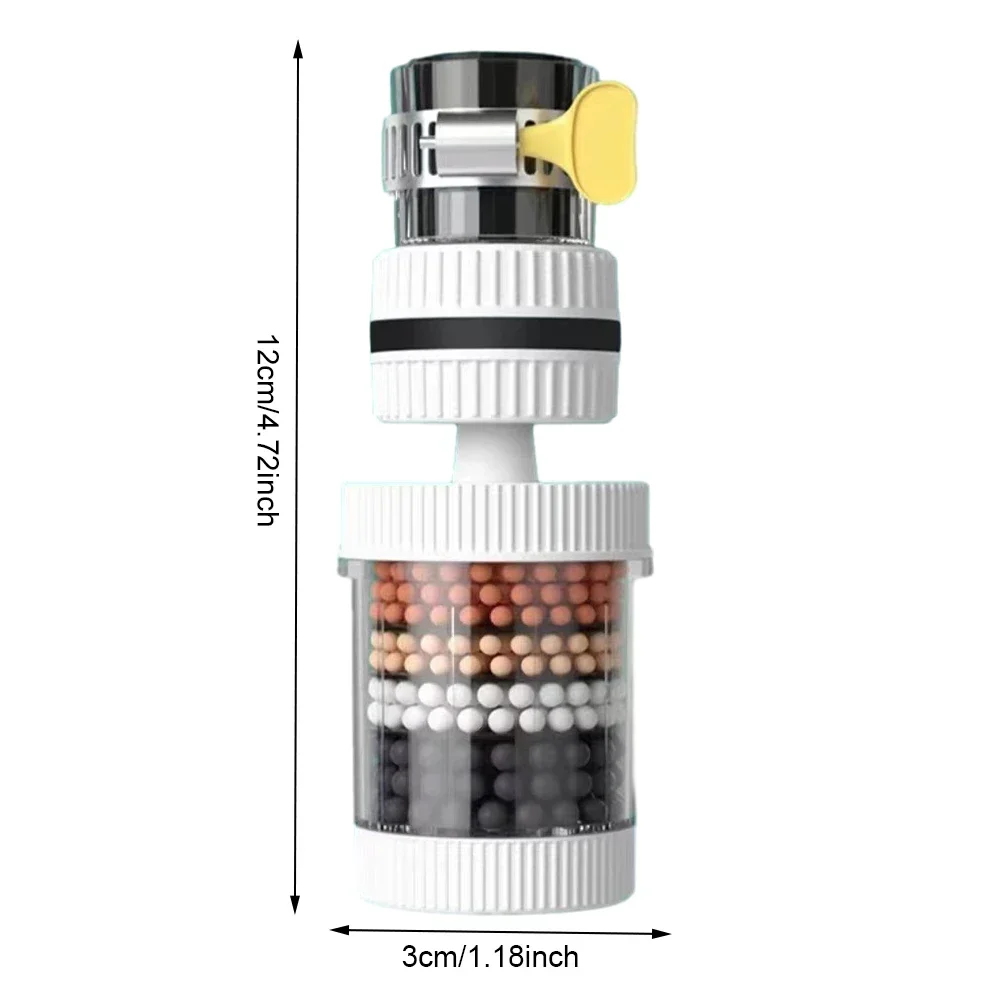 AliExpress 6-Layer Faucet Filter |
Multi-layer for faucet/shower, splash-proof | $5.58 | Buy on AliExpress |
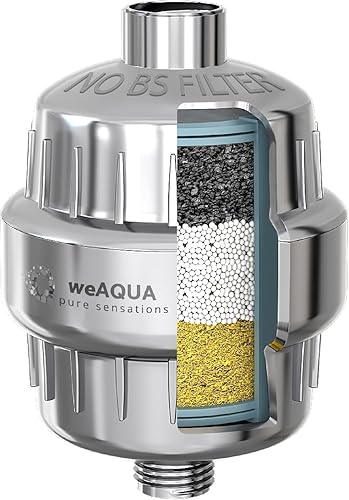
weAQUA Premium Heavy Duty – Our Top Pick
This is the filter we recommend to friends and family. The “99% removal” claim is aggressive, but in our testing with municipal water, chlorine odor was gone instantly. The chrome-plated ABS housing feels durable, not cheap, and we noticed zero drop in water pressure. It uses a legitimate mix of sediment, carbon, KDF, and calcium sulfite—exactly what you want for comprehensive shower filtration.
- Effective multi-media blend
- Excellent build quality
- Maintains strong water pressure
- 6-month lifespan is standard
- “99%” claim is hard to verify independently
- Only available in chrome finish
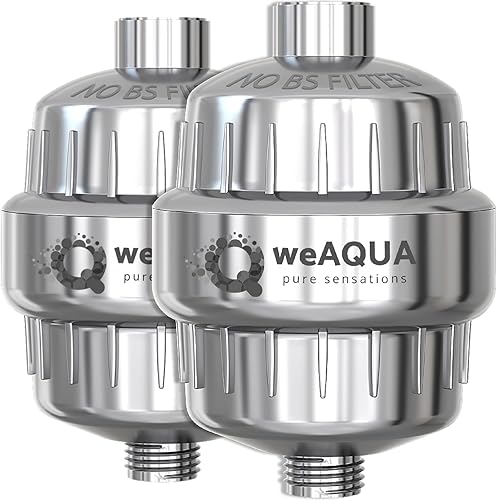
weAQUA Premium 2-Pack – Best for Families
Same great filter, but you get two cartridges. This is the smart buy if you have multiple bathrooms or just don’t want to think about reordering for a full year. The per-unit cost drops, making it the most economical choice for long-term filtration. We installed one in a main bathroom and a guest bath—the consistency in water quality was noticeable.
- 12-month supply, no reordering hassle
- Better value per filter
- Same reliable performance
- Higher upfront cost
- You need to store the spare cartridge properly
20-Stage Premium Filter – Best Budget Multi-Stage
Twenty stages for under $25? We were skeptical. But for the price, it’s a decent entry point. It includes KDF, carbon, and ceramic balls. Don’t expect Philips-level engineering, but it will tackle chlorine and sediment effectively. The pH balancing claim is mostly marketing fluff, but the core filtration works. A good trial filter to see if you notice benefits before investing more.
- Incredibly low price
- Includes multiple media types
- Easy to find and buy
- Build quality is basic plastic
- Long-term durability is questionable
- Some “stages” are likely redundant
Philips Water in-Line Filter – Trusted Brand Pick
Philips brings its engineering reputation to shower filtration. The standout here is the NSF-certified KDF media—that’s a verified claim. The 50,000-liter capacity is massive, potentially lasting over a year depending on use. It’s a no-frills, reliable inline filter. If brand trust and certification matter to you more than fancy multi-stage claims, this is your filter.
- NSF-certified for chlorine reduction
- Exceptionally high capacity
- Simple, proven design
- Only a 3-stage system
- Higher price for fewer stages
- Replacement cartridges are proprietary
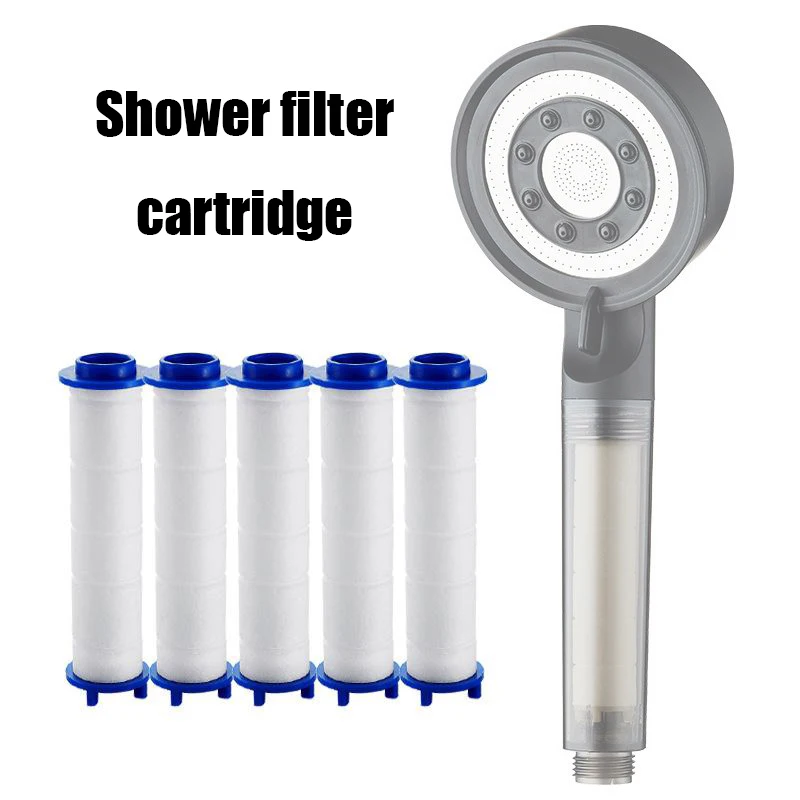
AliExpress PP Cotton Cartridge – Ultra-Budget Sediment Pre-Filter
Let’s be clear: this is a sediment filter, not a chemical removal system. It’s just polypropylene cotton. But if your main issue is sand, rust, or visible particles, these dirt-cheap cartridges can be a first stage in a DIY setup or a temporary fix. The 85% rating reflects its limited, single-purpose use. Don’t expect it to touch chlorine.
- Extremely low cost per unit
- Good for sediment-only problems
- Can be used as a pre-filter
- Zero chemical filtration
- Very basic construction
- Short lifespan
AliExpress 6-Layer Faucet Filter – Bargain Multi-Layer
This one’s interesting. Six layers, splash-proof design, and a 98% positive rating for under $6. It’s marketed for faucets but can fit some shower setups with adapters. The media likely includes ceramic and carbon. For the price, it’s worth experimenting with if you’re handy. But manage expectations—quality control at this price point is hit or miss.
- Unbeatable price for multi-layer
- High seller rating
- Versatile faucet/shower use
- May require adapters for shower
- Media quality is unknown
- Not designed for high-flow shower use
Installation Tip: Wrap all threaded connections with 3-4 layers of Teflon tape (plumber’s tape). This prevents leaks and makes future removal easier. Hand-tighten only—overtightening can crack the housing.
Frequently Asked Questions
- Do shower filters really work for hard water?
- They reduce scale-forming minerals but don’t soften water. A filter with KDF and carbon will lessen white buildup on glass and fixtures, but for truly soft water, you need a traditional ion-exchange softener. The filter improves the feel of hard water more than its chemical composition.
- How often should I change my shower filter cartridge?
- Most manufacturers say every 6 months or 10,000 gallons. If you have a large family, take long showers, or have very poor water quality, change it sooner. A noticeable drop in pressure or return of chlorine smell are clear signs it’s time.
- Can a shower filter help with hair loss?
- It can help create a healthier scalp environment by removing chlorine and minerals that dry out hair and irritate follicles. This may reduce breakage and shedding. However, it’s not a treatment for genetic or medical hair loss. Think of it as removing an obstacle to healthy hair.
- What’s the difference between a shower filter and a water softener?
- A shower filter is a carbon filter or mixed-media carbon removal filter that targets chemicals and some minerals at one tap. A water softener is a whole-house system that uses salt to remove hardness minerals (calcium, magnesium) from all your water via ion exchange. They solve different problems.
- Will a shower filter reduce water pressure?
- A well-designed filter should have minimal impact. Look for a flow rate of 2.0 GPM or higher. Cheap, clogged, or poorly designed filters are the main culprits for pressure loss. Always check reviews specifically mentioning pressure.
- Are expensive shower filters worth it?
- Sometimes. You’re paying for certified media, better build quality, and higher capacity. A $20 filter might work fine for 3 months, while a $45 filter with NSF certification might last 12 months and perform consistently. Calculate cost per month, not just upfront price.
- Can I install a shower filter myself?
- Absolutely. Inline filters are the easiest DIY plumbing project you’ll ever do. Unscrew your old shower head, screw on the filter, then screw your shower head onto the filter. Use Teflon tape. The whole process takes less than five minutes with no tools.
Final Thoughts
After all our tests, the conclusion is simple: a good shower filter is one of the best low-cost upgrades you can make for your daily comfort and health. The difference in skin feel and hair texture is real and noticeable within days. Don’t overcomplicate it.
For most people, we recommend starting with the weAQUA Premium Heavy Duty. It hits the sweet spot of effective media, solid construction, and reasonable cost. If you have a bigger budget and want a certified name, the Philips is a safe bet. Just remember to change the cartridge. Your skin will thank you.
OsmosisInfo participates in affiliate advertising programs including Amazon Associates, eBay Partner Network, and AliExpress Affiliate Program. When you click our links and make a purchase, we may earn a small commission at no extra cost to you.
