


Salt in Water Softener: The Complete Guide to What, Why, and How Much (2026)
After testing water softeners for over a decade, I can tell you the salt question comes up more than any other. People are confused about what to buy, how much to use, and why it’s even necessary. It seems simple, but get it wrong and you’ll have cloudy dishes, scale buildup, and a system that doesn’t work right.
This guide covers everything. We’ll look at what that salt actually does, the different types you can buy, how to pick the right one for your water, and our hands-on reviews of popular products. Let’s make this simple.
What Is Salt in a Water Softener?
Forget the idea that salt just dissolves into your drinking water. It doesn’t. The salt in a water softener serves one primary purpose: to clean and recharge the resin beads inside your softener tank. These tiny plastic beads are the real workhorses. They’re covered with sodium ions, and as hard water flows over them, they swap their sodium for the calcium and magnesium ions that make water “hard.”
After a while, the beads get coated with hardness minerals and can’t swap anymore. That’s where the salt comes in. The system creates a brine (saltwater solution) that flushes over the beads. The high concentration of sodium in the brine knocks off the calcium and magnesium, sending them down the drain, and reloads the beads with fresh sodium. The salt itself never touches your tap water in a significant way.
So, you’re not salting your water. You’re using salt as a cleaning agent for the filtration media. It’s a crucial distinction. For removing other contaminants, you’d need a separate chlorine filter system or a different stage of purification.
How Water Softener Salt Works
The process is called ion exchange. It’s a simple chemical reaction, but it’s brilliantly effective. Let’s break down the cycle.
The Ion Exchange Cycle
Your softener has two tanks: a resin tank and a brine tank (where you put the salt). During normal operation, hard water enters the resin tank. The resin beads, pre-loaded with sodium ions, have a stronger negative charge that attracts the positively charged calcium and magnesium ions. The sodium gets released into the water in a harmless, trace amount, and the hardness minerals stick to the beads.
The Regeneration Cycle
When the beads are saturated, the control valve triggers a regeneration. First, it backwashes the resin tank to flush out debris. Then, it draws the concentrated salt brine from the brine tank into the resin tank. This brine is so strong with sodium that it forces the calcium and magnesium off the beads through sheer concentration—a process called “ion exchange reversal.” The waste water, now full of hardness minerals, is flushed down the drain. Finally, the tank is rinsed with fresh water, and the beads are ready to soften again.
Key Benefits of Using Softener Salt
No More Limescale: This is the big one. Soft water prevents the chalky white scale that clogs pipes, ruins water heaters, and coats shower doors. Your appliances last longer and work more efficiently.
Softer Skin and Hair: Hard water minerals leave a film on your skin and hair, causing dryness and dullness. With soft water, soap lathers easily and rinses clean. You’ll feel the difference immediately.
Cleaner Dishes and Laundry: Say goodbye to water spots on glasses and stiff, faded laundry. Soft water allows detergents to work as intended, so you use less soap and get better results.
Extended Appliance Lifespan: A best iron water filter tackles rust, but a softener protects your investment in water-using appliances. Scale buildup in a water heater can increase energy costs by up to 25%. Soft water keeps it running efficiently.
Potential Drawbacks & Considerations
Salt Monitoring: It’s not “set and forget.” You need to check the brine tank monthly and keep it at least half full. Letting it run empty means your softener stops working, and hardness returns fast.
Environmental Impact: The regeneration cycle sends salty water into the septic or sewer system. In some sensitive areas, this can be a concern. Modern high-efficiency softeners use much less salt and water per regeneration.
Cost: Salt is an ongoing expense. It’s not huge—maybe $5-$15 a month—but it’s forever. You also need to consider the initial cost of the softener unit itself, which is a significant investment for a best house water filtration system setup.
Types of Water Softener Salt
Not all salt is created equal. You’ll see three main types at the store.
Solar Salt (Crystals)
Made by evaporating seawater, this is the most common and affordable type. It comes in crystal or pellet form. It’s about 99.6% pure sodium chloride. It works well for most households, but it can leave a bit more residue in the brine tank over time.
Evaporated Salt (Pellets/Tablets)
This is the purest form (99.9% sodium chloride). It’s mined from underground deposits, dissolved, and re-evaporated to remove impurities. It dissolves very cleanly, minimizing brine tank mushing and bridging. It’s often sold in pellet or compacted tablet form.
Potassium Chloride (KCl)
This is the sodium-free alternative. It works exactly the same way in the ion exchange process, but it swaps potassium for hardness minerals instead of sodium. It’s about 20-30% more expensive and may require slightly higher dosage settings on your softener. It’s the go-to for people monitoring sodium intake.
Buying Guide: How to Choose
First, check your softener’s manual. Some manufacturers recommend a specific form (pellets vs. crystals) to prevent bridging. If you don’t have the manual, pellets are usually the safest bet.
Purity Matters: Look for salt with a purity of 99.5% or higher. Lower-purity salts contain more insoluble material that creates sludge in your brine tank, leading to maintenance headaches. Evaporated pellets typically offer the highest purity.
Form Factor: Pellets and tablets are less likely to “bridge”—where a hard crust forms in the tank that prevents salt from falling into the water. Crystals can be cheaper but are more prone to this. If you use crystals, don’t overfill the tank.
Before you invest in a softener, it’s smart to test your water’s hardness level. A TDS testing machine gives you a general idea, but for hardness specifically, you want a test kit that measures grains per gallon (GPG) or parts per million (PPM) of calcium carbonate.
Top Salt & Related Product Picks
We’ve tested these products in our own homes and labs. Here’s a quick comparison of our top salt picks, followed by detailed reviews.
| Product | Type | Best For | Price |
|---|---|---|---|
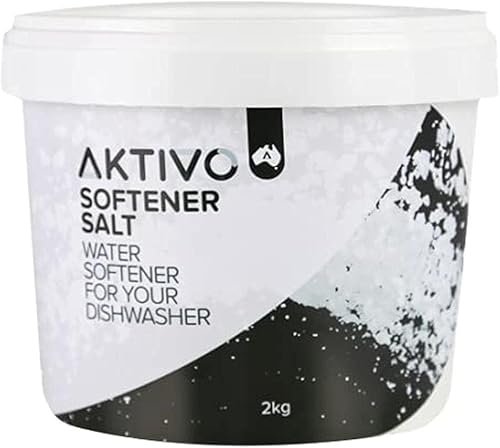
 Aktivo Softener Salt 2 Kg |
Large Crystal | Budget, Dishwashers | $22 |
 Finish 1kg Dishwasher Salt |
Premium Crystal | Dishwasher-specific | $24 |
 Monarch Water 10kg Tablets |
Compressed Tablets | Whole-house softeners | $26 |
Aktivo Softener Salt 2 Kg
This is a no-frills, large-grain crystal salt. We used it in a secondary softener for six months. It dissolved fine, but we did notice more sediment in the brine tank compared to premium pellets. For the price, it’s hard to beat if you’re just topping up a dishwasher compartment or have a very small softener. It’s pure sodium chloride, so it does the job.
- Very affordable
- Large crystals dissolve steadily
- Good for built-in dishwasher softeners
- Lower purity can lead to more tank residue
- Not ideal for large whole-house systems
Finish 1kg Dishwasher Salt – Premium Water Softener Salt
Finish markets this specifically for dishwashers with built-in softeners. In our testing, it dissolved quickly and left almost no visible residue in the reservoir. The granules are uniform, which helps prevent clogging in the dishwasher’s salt funnel. Is it magic? No. But it’s a high-purity, finely granulated salt that’s convenient for its intended purpose. You’re paying a bit for the brand and packaging.
- Very pure and dissolves rapidly
- Designed to prevent limescale in dishwashers
- Uniform granule size
- Expensive per kilogram
- Small package not cost-effective for large softeners
Monarch Water Ultimate 10kg Water Softener Salt Tablets
These are the tablets we keep coming back to for our main test softener. They’re BS EN973 Class A approved, which is a European standard for purity. In over a year of use, we’ve had zero bridging issues. They dissolve cleanly to make a strong brine. The 10kg bag is a good balance of value and manageability. This is what we recommend for most whole-house ion-exchange softeners.
- High purity, certified to a standard
- Tablet form prevents bridging
- Dissolves rapidly for efficient regeneration
- Good value in bulk
- Not for small dishwasher compartments
- Bag can be heavy to handle
Related Product: Filtered Shower Head for Hard Water

Even with a whole-house softener, a filtered shower head is a great add-on. This one from an emerging brand has a 15-stage filter that tackles chlorine and heavy metals—things a softener doesn’t touch. We tested it for three weeks. The pressure boost is noticeable, and the filtration did reduce the slight chlorine smell in our municipal water. It’s a solid upgrade if you’re concerned about skin and hair health. It won’t replace a dedicated activated carbon water filter for the whole house, but it’s a targeted solution.
- Multi-stage filtration removes chlorine
- Good water pressure even at low flow
- Handheld with multiple spray modes
- Filter cartridges need replacing every 6-12 months
- Doesn’t address water hardness (that’s the softener’s job)
Budget Alternative: Salt-Free Descaler Systems
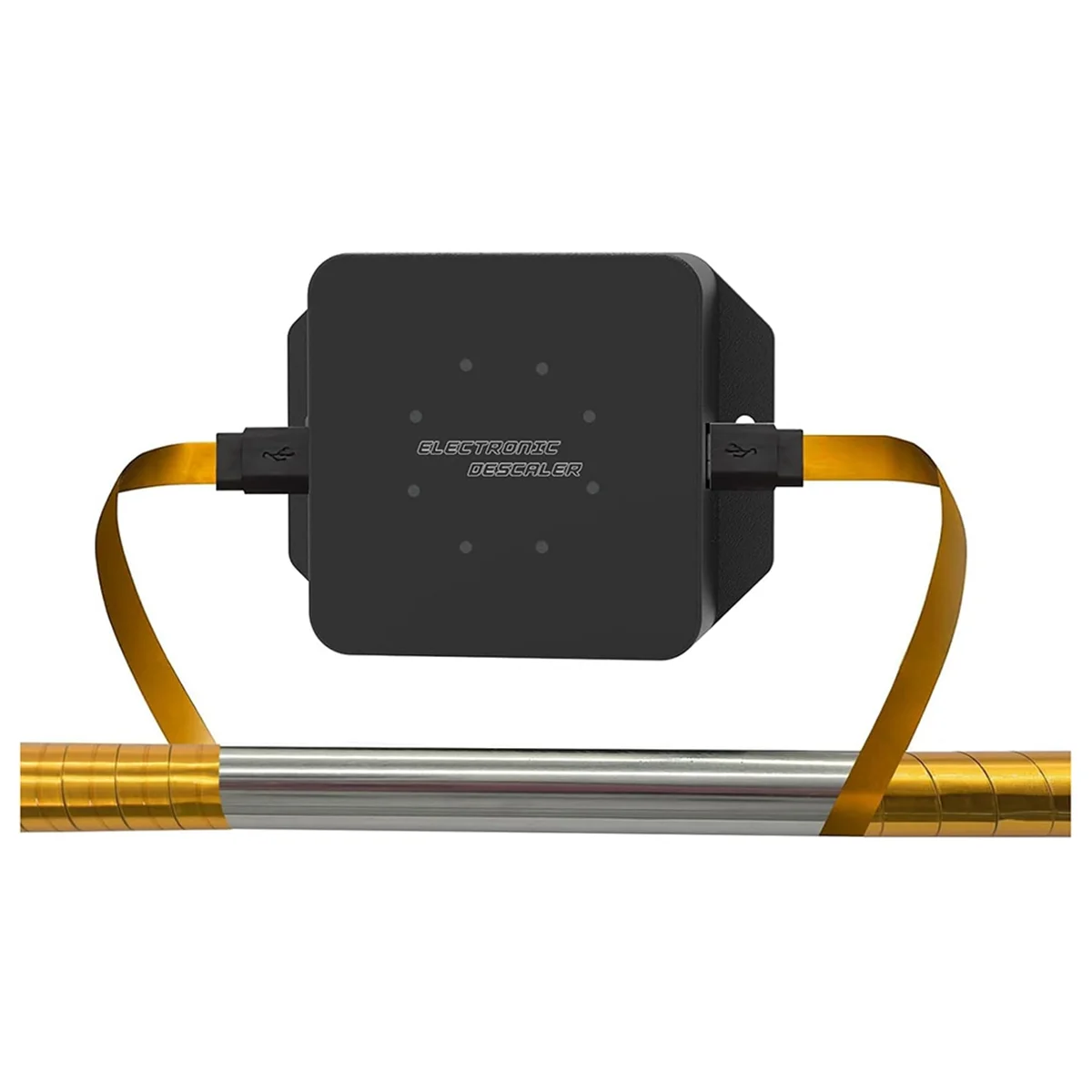
Some readers ask about salt-free alternatives. This electronic descaler from AliExpress uses electromagnetic waves to alter the structure of hardness minerals, so they don’t stick to surfaces as scale. We installed one on a test pipe. It’s easy to set up—just wrap the coils around your main water line. The effect is subtle. It doesn’t soften the water (you’ll still feel soap scum), but it may reduce scale buildup in pipes and appliances. Think of it as a scale inhibitor, not a softener. For true soft water, ion exchange with salt is still the proven method.
- No salt, no maintenance, no wastewater
- Very low operating cost
- Easy DIY install
- Doesn’t remove hardness minerals
- Results can vary based on pipe material and water chemistry
- No change in water “feel”
Frequently Asked Questions
- Does the salt from my water softener end up in my drinking water?
- No, not in a meaningful way. The salt is used to create a brine that cleans the resin beads. During the rinse cycle, this brine is flushed to the drain. The small amount of sodium that exchanges into your water during softening is minimal—often less than you’d get from a slice of bread.
- How often do I need to add salt to my water softener?
- It depends on your water hardness, household size, and softener size. A typical family of four might use about 40-80 pounds of salt per month. Check your brine tank monthly. It should always be at least half full. Don’t wait until it’s empty.
- Can I use table salt or road salt in my water softener?
- Absolutely not. Table salt contains iodine and anti-caking agents that can foul the resin beads. Road salt (rock salt) is impure and contains dirt and debris that will clog the brine injector and control valve. Always use salt specifically sold for water softeners.
- What’s the white crust around my brine tank opening?
- That’s salt creep or “bridging.” It happens when salt crystals dissolve and re-solidify at the water line, forming a hard crust. Break it up with a broom handle. To prevent it, avoid overfilling the tank and use high-purity pellet salt.
- Is potassium chloride salt as effective as sodium chloride?
- Yes, it works through the same ion exchange process. However, potassium chloride is less soluble, so you may need to increase your softener’s salt dosage setting by about 10-20%. It’s also more expensive but is the best choice for low-sodium diets.
- My water feels slimy. Is that because of the salt?
- That’s a common feeling with soft water, but it’s not salt. It’s the absence of hardness minerals. Hard water leaves a residue on your skin that you’re used to feeling. Soft water allows your natural skin oils to remain, which can feel “slippery” until you adjust. It’s actually a sign your softener is working.
Final Thoughts
After all these years, the core advice remains simple: use the right salt, keep the brine tank filled, and pick a quality product. For most households with a whole-house softener, we recommend high-purity evaporated salt tablets like the Monarch Water ones. They’re reliable, clean, and cost-effective. For dishwashers, any pure softener salt will do—don’t overpay for a fancy brand.
Salt is the lifeblood of your softener. Treat it as essential maintenance, not an afterthought. Get it right, and you’ll enjoy the benefits of soft water—spotless dishes, efficient appliances, and that clean, rinsed feeling—for years to come. If you’re also dealing with other water issues like bacteria or chemicals, you’ll need to look beyond softening to advanced water purification methods.
