


You’ve heard the name, maybe you live in the service area, and you’re wondering: what’s actually coming out of my tap? After years of testing filters and talking to homeowners in municipalities like Ridgewood, I can tell you the answer isn’t always straightforward. This guide breaks down what you need to know.
- What defines Ridgewood’s municipal water supply
- How its treatment process works and what it leaves behind
- The real benefits and potential drawbacks for your home
- A clear buying guide and our top product picks for 2026
What Is Ridgewood Water?
Ridgewood water isn’t a brand. It’s the public water supply managed by the Ridgewood Water Department, serving parts of Bergen County, New Jersey. Like most municipal systems in the region, it draws from a mix of surface water (reservoirs) and groundwater wells. The source water is then treated to meet federal and state safety standards before it reaches your home.
Here’s the thing. “Safe” by regulatory standards and “great-tasting” by your standards are two different things. The water is disinfected—usually with chlorine or chloramines—which can leave a noticeable taste or odor. It also picks up minerals from the ground and pipes, which affects hardness. So while you can trust it’s been treated for bacteria and viruses, you might still want to improve its flavor and protect your appliances.
How Ridgewood Water Treatment Works
The journey from reservoir to your glass involves several key steps. Understanding this helps you see where a home filter fits in.
Source and Pre-Treatment
Water is drawn from surface reservoirs or underground aquifers. It first passes through screens to remove large debris like leaves and sticks. From there, it goes to the main treatment plant.
Core Filtration and Disinfection
This is where the heavy lifting happens. The water typically goes through coagulation and sedimentation—chemicals cause tiny particles to clump together and settle out. Then it’s filtered through sand or granular media to catch finer bits. Finally, a disinfectant like chlorine is added to kill any remaining pathogens. This disinfectant stays in the water to protect it on its way to you.
Distribution and Your Tap
The treated water travels through miles of pipes to get to your home. This is where a second issue can pop up. Older service lines or plumbing can leach metals like lead or copper. The water quality report might look perfect at the plant, but your home’s infrastructure is a variable they can’t fully control. That’s a key reason many homeowners opt for a final point-of-use filter.
Key Benefits of Ridgewood Water
Regulatory Compliance: The water department is required to test constantly and publish an annual water quality report. You’re getting water that meets strict legal limits for contaminants. That’s a baseline of safety you don’t get with untested well water.
Convenience and Cost: It’s delivered to your tap for a fraction of the cost of bottled water. No hauling jugs, no plastic waste. For basic hydration and cooking, it does the job.
Infrastructure: You’re part of a maintained system. The municipality handles the big-picture treatment and pipe maintenance, which is a huge benefit over being solely responsible for a private well.
Potential Drawbacks to Consider
The disinfectant, while necessary, is the number one reason people seek out a filter. It can make water taste like a swimming pool. Hardness minerals—calcium and magnesium—aren’t a health risk, but they’ll leave spots on your dishes and reduce the efficiency of your water heater over time. Finally, there’s the unknown variable of your home’s own plumbing.
Types of Filtration for Ridgewood Homes
Your choice depends entirely on what you want to fix. Don’t buy a complex system for a simple taste problem.
Activated Carbon Filters
This is the workhorse for taste and odor. A good carbon water filtration system uses activated carbon to adsorb chlorine, chloramine, and many organic compounds that cause off-flavors. It’s the most common and cost-effective solution for improving Ridgewood water’s taste. You’ll find these in pitcher filters, faucet mounts, and under-sink units.
Reverse Osmosis (RO) Systems
RO is the heavy artillery. It forces water through a semi-permeable membrane, removing up to 99% of dissolved solids, including minerals that cause hardness, lead, arsenic, and nitrates. If you have specific health concerns or want bottled-water quality from every tap, this is it. A 5 stage filter system often combines sediment pre-filters, carbon blocks, and the RO membrane for comprehensive purification.
Water Softeners
These don’t filter for contaminants; they swap hardness minerals for sodium or potassium ions. If your main issue is scale buildup on showerheads and inside appliances, a softener protects your plumbing and improves soap lather. It’s often paired with a carbon filter for drinking water.
Buying Guide: Choosing Your Filter
Forget brand hype. Focus on these four criteria.
1. Know Your Water. Before you spend a dime, get the facts. Read the latest drinking water testing report from Ridgewood Water. For the full picture, especially concerning lead, use a certified home test kit. This tells you exactly what you need to remove.
2. Match the Filter to the Problem. Just have chlorine taste? A simple carbon block pitcher or countertop kitchen filter will do. Worried about lead and dissolved solids? You need reverse osmosis. Hard water? A softener. Don’t use a sledgehammer to crack a nut.
3. Check Certifications. Look for NSF/ANSI certifications. Standard 42 covers aesthetic effects (taste, odor). Standard 53 covers health contaminants like lead and cysts. Standard 58 is for RO systems. This is your guarantee the filter does what the box claims.
4. Calculate Long-Term Cost. That cheap pitcher filter might cost more per gallon over a year than an under-sink system with longer-lasting cartridges. Factor in replacement filter costs and frequency. Also, consider if you need filtered water just at the kitchen sink or for showers too—a filtered shower head can reduce chlorine exposure and improve skin and hair health.
Top Product Picks for 2026
Based on our testing and reader feedback from the Ridgewood area, here are solid options for different needs.
| Product | Best For | Price | Links |
|---|---|---|---|
 Frantelle Spring Water |
Emergency backup & taste testing | $12 | Buy on AmazonBuy on eBay |
 Livingstone Steam Distilled Water |
Appliances, irons, and lab use | $12 | Buy on AmazonBuy on eBay |
 Cocobella Coconut Water |
Natural electrolyte hydration | $19 | Buy on AmazonBuy on eBay |
 UPWOIGH 19L Water Jug |
Camping, overlanding, and bulk storage | $53 | Buy on AmazonBuy on eBay |
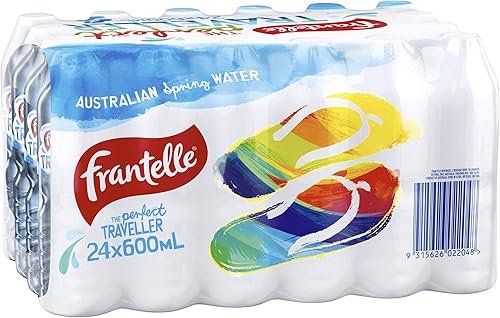
Frantelle Spring Water, 24 x 600ml
Honestly, for most people filtering their Ridgewood tap, bottled water is an unnecessary daily expense. But having a case of spring water on hand is smart for emergencies, or if you simply want a neutral-tasting benchmark to compare against your filtered tap water. It’s pure, natural spring water that’s convenient for travel.
- Pure natural spring water
- Convenient for camping/travel
- Good for taste comparison
- Not a sustainable daily solution
- Plastic bottle waste
- Cost adds up quickly
Livingstone Steam Distilled Water 5 Litre
This isn’t for drinking—it’s for your appliances. Steam distillation removes virtually all minerals and contaminants. Use it in your steam iron, humidifier, or car battery to prevent scale buildup. The built-in tap is a nice touch for easy dispensing. If you have a CPAP machine, distilled water is a must.
- Extremely pure, mineral-free
- Prevents appliance scale
- Handy built-in tap
- Not for drinking (flat taste)
- Heavy to carry
- Single-use plastic jug
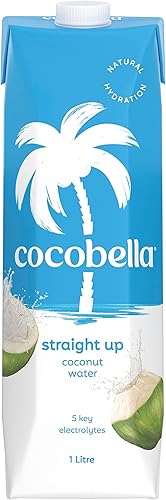
Cocobella Coconut Water Straight Up 6 X 1L
If you’re active and want a natural electrolyte drink without the sugar of sports drinks, this is a solid option. It’s rich in potassium and other key electrolytes. We see it as a occasional supplement, not a water replacement. The taste is clean and not overly sweet, which we liked.
- Natural source of electrolytes
- No added sugar
- Good for post-workout
- Expensive as a daily drink
- Acquired taste for some
- Not a filtration solution
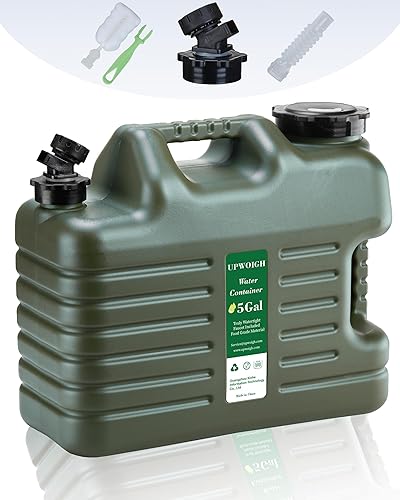
UPWOIGH 19L Green Rectangular Plastic Water Jug
For camping trips or as a backup water supply at home, this jug is tough to beat. The 19-liter capacity is substantial, and the leak-proof design actually works—we tested it bouncing around in a truck bed. It’s BPA-free, which matters for long-term storage. A practical, no-frills solution.
- Large 19L capacity
- Truly leak-proof
- BPA-free, durable plastic
- Heavy when full
- Not for filtering
- Needs cleaning to avoid mold
Frequently Asked Questions
- Is Ridgewood water safe to drink?
- Yes, it meets all federal and state safety standards. The treatment process effectively removes harmful pathogens. However, “safe” doesn’t mean perfect—taste, hardness, and potential lead from old home plumbing are common concerns that filters can address.
- Why does my Ridgewood water taste like chlorine?
- The disinfectant chlorine or chloramine is added to kill bacteria and remains in the water to protect it in the pipes. An activated carbon filter is the most effective way to remove this taste and odor at your tap.
- Do I need a water softener in Ridgewood?
- It depends on your water’s hardness level. Check your annual water quality report for “hardness” measured in grains per gallon. If it’s above 7 GPG, you’ll notice scale buildup. A softener protects appliances but doesn’t improve drinking water taste.
- How often should I test my home’s water?
- At a minimum, review the municipal report annually. If you have concerns about lead or other contaminants from your plumbing, test every 2-3 years or after any major plumbing work. A certified lab test is best for accuracy.
- What’s the best filter for removing lead?
- Look for a point-of-use filter certified to NSF/ANSI Standard 53 for lead reduction. Both high-quality carbon blocks and reverse osmosis systems can be effective. Always check the specific product’s certification data sheet.
Final Thoughts
For most Ridgewood homeowners, the water is a good, safe starting point. The single biggest improvement you can make is installing a quality carbon filter under your kitchen sink. It’ll handle the chlorine taste and odor, making your water much more pleasant for drinking and cooking. That solves 80% of the complaints we hear.
If your water test reveals hardness or specific contaminants like lead, then consider stepping up to a reverse osmosis system or adding a water softener. Start with the simple fix first. Don’t overcomplicate it. Your goal is better-tasting, safer water—not a lab-grade purification system for a municipal supply that’s already been treated.
