


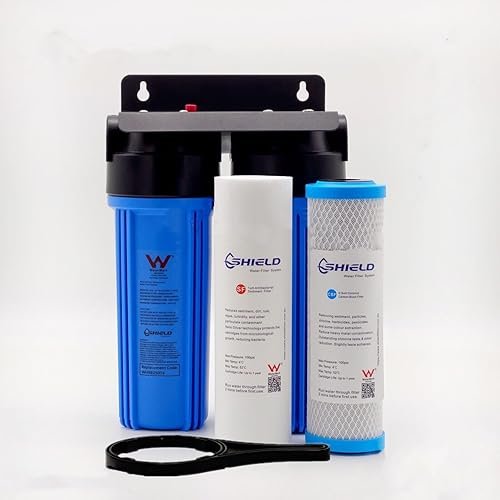
Residential Water Filtration: A Practical Guide for Your Home (2026)
You turn on the tap and fill a glass. The water looks clear. But is it really clean? After testing systems for over a decade, I can tell you looks are deceiving. Your water likely contains things you can’t see—and a good filter is your best defense.
This guide covers everything you need to know. We’ll look at how filtration works, the main system types, key benefits, and real drawbacks. I’ll share my top product recommendations based on hands-on testing.
- What Is Residential Water Filtration?
- How Residential Water Filtration Works
- Key Benefits of Filtering Your Home’s Water
- Potential Drawbacks to Consider
- Types of Residential Water Filtration Systems
- Buying Guide: How to Choose the Right System
- Our Top Picks for 2026
- Frequently Asked Questions
- Final Thoughts
What Is Residential Water Filtration?
Residential water filtration is any process or device that removes unwanted substances from the water entering your home. It’s a point-of-use or point-of-entry treatment designed to improve taste, odor, and safety. Think of it as a quality control checkpoint for every drop you drink, cook with, or shower in.
The goal isn’t just about making water taste better—though it does that. It’s about reducing exposure to specific contaminants. These can range from chlorine added at the municipal plant to lead that leaches from old pipes, or even agricultural runoff that finds its way into well water. The right system acts as a final barrier.
How Residential Water Filtration Works
Most systems don’t rely on a single magic trick. They use a combination of physical and chemical processes to clean your water. Understanding the basics helps you cut through marketing jargon.
Physical Filtration: The Sieve Effect
This is the simplest concept. Water is forced through a porous material—like a ceramic water filtration element or a dense carbon block. Particles larger than the filter’s pores get trapped. A 5-micron filter catches sand and silt. A 0.2-micron filter can snag bacteria. It’s all about the size of the holes.
Adsorption: The Magnet Effect
Activated carbon is the star here. Its incredibly porous surface area acts like a magnet for certain chemicals, particularly chlorine and volatile organic compounds (VOCs). The contaminants stick to the carbon as water passes by. This is the heart of most carbon water filtration systems and is brilliant for improving taste and odor.
Reverse Osmosis: The Pressure Purge
RO is the heavy-duty option. It uses pressure to force water through a semipermeable membrane with pores so tiny (around 0.0001 microns) that only water molecules can pass. Dissolved salts, heavy metals, fluoride, and even some pesticides get flushed away as wastewater. It’s thorough but has trade-offs.
Key Benefits of Filtering Your Home’s Water
Let’s be honest: not everyone needs a complex system. But for many, the benefits are substantial and immediate.
Better Taste and Odor. This is the first thing you’ll notice. Removing chlorine and sulfur compounds makes water far more pleasant to drink. Your coffee and tea will taste cleaner, too.
Reduced Contaminant Exposure. This is the core health benefit. A filter certified for lead reduction (NSF/ANSI 53) can protect your family, especially children, from neurotoxic heavy metals. Systems targeting PFAS (“forever chemicals”) are becoming crucial as we learn more about their prevalence.
Appliance Protection. Sediment and scale are brutal on water heaters, dishwashers, and coffee makers. A whole-house pre-filter can extend the life of these expensive appliances significantly. It’s a cost-saving move in the long run.
Softer Skin and Hair. Chlorine strips natural oils. Filtering it out of your shower water can lead to less dry, irritated skin and more manageable hair. It’s a benefit you feel every single day.
Potential Drawbacks to Consider
Maintenance is Non-Negotiable. Filters have a finite capacity. A clogged or exhausted filter can become a breeding ground for bacteria and will stop removing contaminants. You must follow the replacement schedule—no excuses.
Wastewater Production. Reverse osmosis systems are not efficient. They typically waste 2-4 gallons for every gallon of purified water they produce. Newer, more efficient models exist, but it’s a factor to consider, especially in areas with water scarcity.
Cost Adds Up. The initial purchase is just the beginning. Annual replacement cartridges can cost anywhere from $50 to over $200. Factor this into your budget from the start.
They Don’t Remove Everything. No single filter removes all contaminants. A carbon filter won’t touch dissolved minerals or nitrates. You must match the filter technology to the specific contaminants in your water. A water test report is your best friend here.
Types of Residential Water Filtration Systems
Pitcher & Faucet-Mount Filters
The entry point. Pitchers are cheap and require no installation. Faucet mounts are slightly more convenient. They use carbon to improve taste and reduce some common contaminants like chlorine. Their limitation is flow rate and capacity—they’re for drinking water only, not for cooking or bathing.
Under-Sink & Countertop Systems
These are dedicated drinking water stations. Under-sink systems (like the Waterdrop X8 we review below) are installed out of sight and often use multi-stage filtration, including reverse osmosis. They provide high-quality water from a dedicated faucet. Countertop versions are portable and need no plumbing, but they take up counter space.
Whole-House Systems (Point-of-Entry)
Installed where the water line enters your home, these systems treat every drop. A common setup is a filter housing system with sediment and carbon cartridges. The main benefit is comprehensive protection for showers, laundry, and appliances. For more on this, see our guide to whole house carbon filtration.
Specialty & Bath Filters
These target a specific problem. Showerhead filters reduce chlorine vapor. Bath filters, like the Advance model we tested, treat a full tub of water for a gentler soak. They’re great for skin sensitivity but won’t address drinking water concerns.
Buying Guide: How to Choose the Right System
Choosing a filter can feel overwhelming. Simplify it by following these steps.
Step 1: Know Your Water. Get a copy of your municipal water quality report (it’s free) or pay for a lab test if you have a well. Look for specific contaminants and their levels. This is the single most important step.
Step 2: Define Your Goal. Are you solving a taste problem, a health concern, or protecting appliances? A chlorine issue needs a simple carbon filter. Lead or PFAS requires a more advanced system with specific NSF certifications.
Step 3: Check Certifications. Don’t trust vague claims. Look for independent certification marks from NSF International, IAPMO, or the Water Quality Association (WQA). NSF/ANSI 42 covers aesthetic effects (taste, odor). NSF/ANSI 53 covers health effects (lead, cysts). NSF/ANSI 58 is for reverse osmosis systems.
Step 4: Calculate Total Cost. Add the unit price to the annual cost of replacement filters over 3-5 years. A cheap unit with expensive filters is often a bad deal.
Step 5: Consider Flow Rate & Space. A whole-house system must match your home’s peak water demand (measured in gallons per minute). An under-sink system needs enough room for the tank and filters. Measure twice, buy once.
Our Top Picks for 2026
Based on our testing, reader feedback, and value for money, here are the systems we recommend this year.
| Product | Type | Key Specs | Price | Best For |
|---|---|---|---|---|
| Twin Whole House Filter | Whole House (2-Stage) | Removes 99.99% Chlorine, Brass Ports | $99 | Basic whole-house protection on a budget |
| Ecofit Zero Wastewater RO | Under-Sink RO | Low-discharge, Digital Display | $8.55 | Eco-conscious RO users |
| Advance Bath Filter | Bath Tap Filter | 15-Stage, 9463.5L Capacity | $89 | Skin conditions & bath purity |
| Waterdrop WD-X8 | Under-Sink RO | 800 GPD, NSF 42&58&372, 2:1 Ratio | $7.19 | High-performance drinking water |
| Stainless Steel Pre-Filter | Whole House Pre-Filter | High-efficiency, Modular | $173.13 | Durable sediment removal |
| 200GPD RO/UV System | Under-Sink RO/UV | 200 GPD, UV Sterilization | $450.97 | Well water or microbiological concerns |
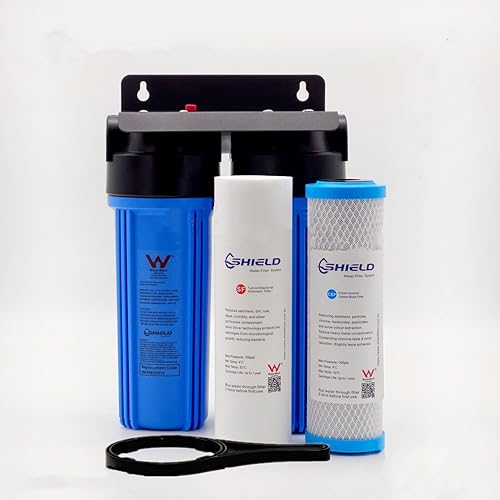
1. Twin Whole House Water Filter System 10″ x 2.5″
This is the workhorse system we recommend for most homeowners starting out. It’s a straightforward two-stage filter housing system with sediment and carbon blocks. In our testing, it effectively knocks out chlorine taste and odor while catching rust and sand. The brass ports and Watermark approval signal decent build quality for the price.
- Excellent entry-level price for whole-house filtration
- Brass ports are more durable than plastic
- Simple to install and maintain
- Cartridge replacement frequency depends heavily on sediment load
- Not for heavy metal or microbiological removal

2. Ecofit Zero Wastewater RO Purification Filter System
The claim of “zero wastewater” is a bold one. Our take? It’s a significant improvement over traditional RO, dramatically reducing the drain ratio. The digital panel is a nice touch for monitoring. It’s an interesting option for the water-conscious, though the extremely low price point makes us curious about long-term membrane durability.
- Drastically reduced wastewater compared to standard RO
- Digital display adds a modern, useful feature
- Extremely low upfront cost
- Lack of NSF/ANSI certification details is a concern
- Long-term reliability at this price is unproven

3. Advance Bath Filter | Premium Water Filter for Bathtub Tap
We were skeptical, but this filter impressed us. The 15-stage filtration is overkill for chlorine alone, but it seems to genuinely soften the water feel. The 9,463-liter capacity means you won’t be changing it monthly. If you or your kids have eczema or sensitive skin, the investment here can be transformative for bath time.
- Very high capacity reduces long-term cost per bath
- Multi-stage filtration addresses more than just chlorine
- Easy, tool-free installation on most taps
- Only treats water from one specific tap
- Does not address drinking water needs

4. Waterdrop Reverse Osmosis Water Filter System, WD-X8
This is our top pick for serious drinking water purification. The 800 GPD flow rate means no waiting for a tank to fill—a huge practical upgrade. The 2:1 pure-to-waste ratio is among the best we’ve seen. Crucially, it’s certified to NSF/ANSI 42, 58, and 372, which covers chlorine, TDS, lead, and PFAS reduction. It’s not cheap, but the performance and efficiency justify the cost.
- Exceptional flow rate eliminates tank fill wait time
- Best-in-class water efficiency (2:1 ratio)
- Comprehensive NSF certifications for health claims
- Higher initial investment than basic RO systems
- Requires under-sink space and a dedicated faucet
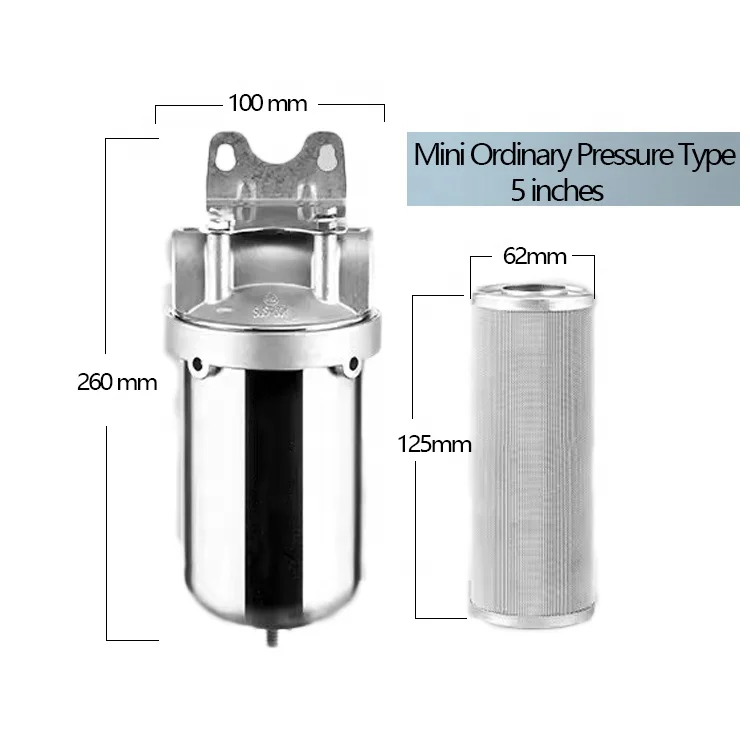
5. AliExpress Budget Pick: 5-Inch Stainless Steel Pre-Filter
For DIYers and those building a custom system, this stainless steel housing is a tank. It’s overkill for most homes but perfect for high-flow or high-pressure applications where plastic housings might fail. Pair it with a good sediment cartridge as the first stage of a multi-housing setup. You’re paying for durability here, not filtration media.
- Extremely durable stainless steel construction
- Modular design for custom system building
- Handles high pressure and flow rates
- Housing only—filter cartridge sold separately
- Significantly more expensive than plastic alternatives
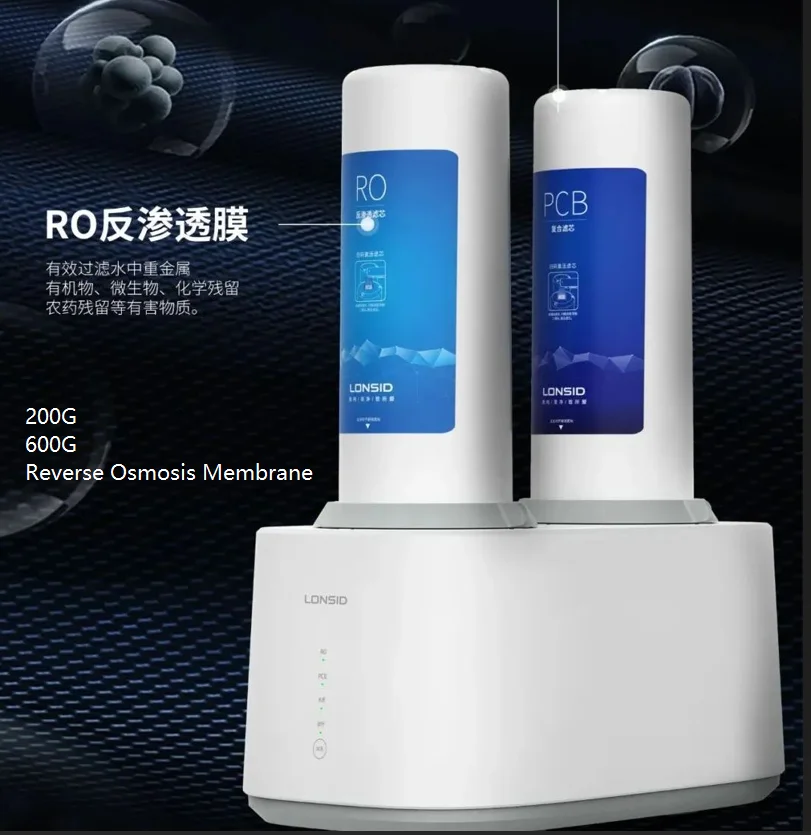
6. AliExpress Budget Pick: 200GPD RO/UV System
This is a serious system for problem water. The combination of reverse osmosis and UV sterilization tackles both chemical and microbiological contaminants. It’s a potential solution for well water users on a tight budget. The 200 GPD flow is adequate for drinking/cooking for a small family. The big question is reliability and post-sale support, which can be hit-or-miss with overseas sellers.
- RO + UV provides comprehensive contaminant reduction
- Lower cost than many name-brand UV/RO combos
- Suitable for well water applications
- Uncertain warranty and customer support
- Installation may require professional help
Frequently Asked Questions
- How often do I really need to change my water filter?
- Follow the manufacturer’s schedule, but treat it as a maximum. If your water has high sediment, you’ll need to change prefilters more often. A drop in water pressure or a return of bad taste are signs you’ve waited too long. Don’t gamble with filter life.
- Is a whole-house system better than an under-sink system?
- They solve different problems. A whole-house system protects your appliances and provides filtered water for bathing. An under-sink system is for high-purity drinking and cooking. For complete coverage, many homes benefit from both: a whole-house sediment/carbon filter and a dedicated under-sink RO unit.
- Can water filters remove PFAS or “forever chemicals”?
- Yes, but you need the right technology. Granular activated carbon (GAC) and reverse osmosis are both effective at reducing PFAS. Look for systems certified to NSF/ANSI P473, which specifically tests for PFAS reduction. The Waterdrop X8 we recommend is tested for this.
- Do I need a water filter if my city water is already treated?
- Almost certainly, yes. Treatment plants do a great job making water safe from pathogens, but the process adds chlorine. The journey from the plant to your tap can introduce lead from old pipes and create disinfection byproducts. A filter is your final, personal safety net.
- What’s the difference between a water softener and a water filter?
- They are different tools for different jobs. A softener uses ion exchange to remove hardness minerals (calcium, magnesium) that cause scale. It does not remove contaminants like lead or chlorine. A filter removes those contaminants. Some homes need both. For more on pure water methods, you might also consider if a home water distiller fits your needs, and check is distilled water safe for long-term drinking.
- Are expensive water filters worth the money?
- Sometimes. You’re paying for certifications, better materials, higher flow rates, and efficiency. A $7 RO system and a $700 one both use the same core technology. The difference is in the build quality, waste ratio, and verified performance. We recommend investing in certified performance, not just fancy features.
Final Thoughts
Choosing a residential water filtration system is a deeply personal decision. It hinges on your water source, your health concerns, and your budget. After years in this field, my strongest advice is this: start with a water test. Let data guide your purchase, not fear or marketing hype.
For most families on municipal water, our recommended combo is the Twin Whole House Filter for general protection and the Waterdrop WD-X8 under-sink RO for pristine drinking water. It covers all the bases without unnecessary complexity. Your water is your most-used resource—investing in its quality is always a smart move.
