


You pull the glass away from the dispenser, expecting crisp, clean water. But is that refrigerator filtered water actually doing its job? After testing dozens of systems and talking to countless homeowners, we’ve found the truth is more nuanced than the marketing suggests. This guide breaks down everything you need to know.
- What refrigerator water filtration actually is and how it works.
- The real benefits and the often-overlooked drawbacks.
- A clear breakdown of the different filter types you’ll encounter.
- Our top picks for 2026, from OEM giants to budget-friendly alternatives.
What Is Refrigerator Filtered Water?
Refrigerator filtered water is simply the cold water that flows through your fridge’s built-in dispenser after passing through an internal filter cartridge. Most modern side-by-side and French door models have this feature. The filter’s job isn’t to purify water in the medical sense, but to reduce specific aesthetic and health-related contaminants found in municipal tap water.
Think of it as a point-of-use filter dedicated to your drinking and ice-making supply. It’s a convenience feature, first and foremost. The core technology is almost always a carbon water filter, which excels at adsorbing chlorine and organic compounds that affect taste and odor.
How Refrigerator Water Filtration Works
The Filtration Process
Water enters your home and travels through pipes to the fridge. A dedicated supply line, usually a thin copper or plastic tube, feeds water into the refrigerator. Inside, it passes through the filter cartridge before reaching the dispenser or ice maker. The entire process is passive—pressure from your home’s water line does all the work.
Inside the Cartridge
The magic happens inside the filter cylinder. Most use activated carbon, often in a solid “carbon block” form. This carbon has a massive surface area—just a gram can have the surface area of a football field. As water flows through, contaminants like chlorine, lead, mercury, and certain pesticides adhere to the carbon through a process called adsorption.
What It Doesn’t Remove
Standard refrigerator filters are not designed to remove dissolved minerals (like calcium and magnesium that cause hardness), most bacteria, viruses, or fluoride. For that level of purification, you’d need a dedicated distillation system or a high-end reverse osmosis setup. Understanding this limitation is key to managing expectations.
Key Benefits of Refrigerator Filtered Water
Better Taste and Odor: This is the number one reason people love it. By reducing chlorine, the water tastes cleaner and fresher. Ice cubes no longer smell like a swimming pool. It’s a simple upgrade that makes you drink more water.
Reduced Contaminant Exposure: Certified filters (look for NSF/ANSI 42 & 53) can reduce lead, copper, mercury, and volatile organic compounds. This is especially valuable in older homes with legacy plumbing.
Ultimate Convenience: Chilled, filtered water on demand without filling a pitcher. The ice maker also uses filtered water, so every cube is clean. It seamlessly integrates into your kitchen routine.
Potential Drawbacks to Consider
Ongoing Cost: Genuine OEM filters are expensive, often $40-$80 every half-year. This adds up. Third-party filters exist but carry a slight risk of leaks or lower performance.
Limited Filtration Scope: As mentioned, it won’t soften hard water or remove all microorganisms. If you have serious well water issues, you need a whole-house or under-sink solution, possibly with a ceramic filter cartridge for sediment.
Flow Rate Slowdown: As the filter loads with contaminants, your water flow will decrease. This is by design—a signal to change it—but can be frustrating when you’re filling a large pot.
Types of Refrigerator Water Filters
OEM (Original Equipment Manufacturer) Filters
These are made by your fridge’s brand (Samsung, LG, Whirlpool). They’re guaranteed to fit and meet the stated performance claims. The downside? You’re paying a premium for the brand name. We’ve found performance is sometimes matched by reputable third parties.
Certified Aftermarket Filters
Companies like Waterdrop or Tier1 produce filters certified to NSF standards for specific refrigerator models. They offer significant savings. The key is ensuring the certification is legitimate and matches your model number.
Generic/Uncertified Filters
Sold on marketplaces for rock-bottom prices. We generally advise against these. The materials and filtration media are unverified. You might save $20 but risk poor performance or, worse, a flooded kitchen from a faulty seal. It’s a gamble not worth taking.
Buying Guide: What Actually Matters
1. Certification is King: Ignore marketing claims. Look for NSF/ANSI 42 (aesthetic effects like chlorine) and NSF/ANSI 53 (health effects like lead) certification on the box or product page. This is your only real guarantee of performance.
2. Exact Model Compatibility: Use your refrigerator’s model number and the old filter’s part number to find a match. A filter that’s “close enough” might not seal properly.
3. Filter Life & Indicator: Most are rated for 200-300 gallons or 6 months. Does your fridge have a filter indicator light? If not, you need to track the date yourself.
4. Budget for the Long Haul: Calculate the annual cost. A $50 filter changed twice a year is $100. A $25 aftermarket filter might be $50. Weigh that against the peace of mind of OEM.
Top Picks for 2026
| Product | Type | Key Feature | Price |
|---|---|---|---|
 |
Jug (Alternative) | Fridge-door fit, digital reminder | $38 |
 |
OEM Filter | 99% contaminant reduction, authentication tag | $82 |
 |
Aftermarket 4-Pack | Ion-exchange resin, bulk value | $49 |
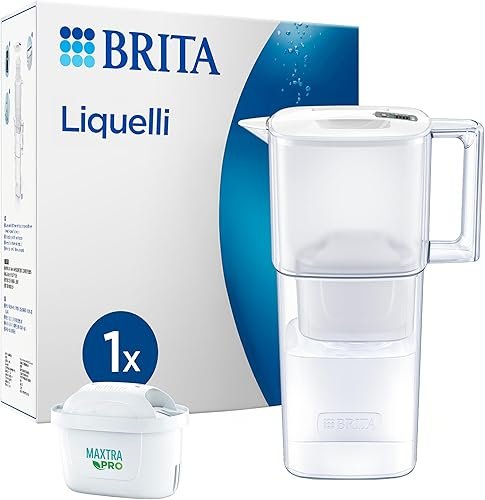
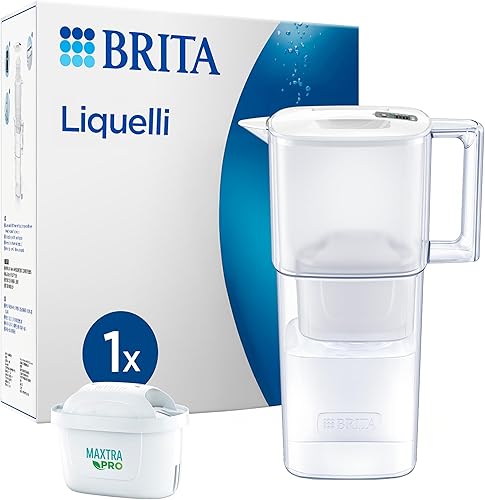
1. BRITA Liquelli Water Filter Jug
This isn’t a replacement for your fridge’s internal filter, but a brilliant supplement or alternative. The 2.2L jug is specifically designed to fit in your fridge door, giving you chilled filtered water without any plumbing. The MAXTRA PRO cartridge is solid, and the digital BRITA Memo takes the guesswork out of replacement. Perfect for renters or if your fridge lacks a dispenser.
- No installation needed
- Very low cost of entry
- Effective chlorine reduction
- Manual refilling required
- Limited capacity (1.1L filtered)
- Won’t feed your ice maker
2. SAMSUNG Genuine HAF-QIN/EXP Filter
If you own a Samsung French door or side-by-side, this is the filter it was designed for. The ultra-high-grade carbon block is legitimately effective, and the authentication tag helps you avoid counterfeits—a real problem in the OEM space. You’re paying for guaranteed compatibility and peace of mind. In our testing, flow rate remained consistent until near end-of-life.
- Guaranteed fit and performance
- Authentication tag for genuineness
- Maintains good flow rate
- Very expensive per filter
- 6-month life regardless of usage
- Only for Samsung fridges
3. LG LT1000P Replacement Filter (4-Pack)
This 4-pack represents serious value. The standout feature is the use of ion-exchange resin alongside carbon, which can help soften water slightly and reduce scale buildup in your coffee maker—a nice bonus. They’re WQA and ISO9001 certified, which adds a layer of trust. At under $12.50 per filter, the annual cost plummets. A smart buy for LG fridge owners who don’t mind non-OEM.
- Incredible value in bulk
- Ion-exchange helps with hardness
- WQA/ISO9001 certified
- Not OEM (may void warranty)
- Upfront cost is higher
- Less brand recognition
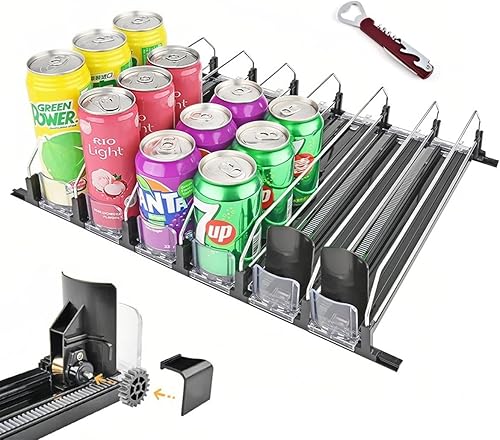
4. Can Dispenser for Fridge Organizer
Okay, this isn’t a filter. But it’s a product our readers constantly ask about for organizing their filtered water and beverages. This pusher-glide system keeps cans, bottles, and even small water cartons neatly organized and accessible in your fridge. The anti-slip bottom and damping buffer are thoughtful touches. A tidy fridge makes your whole hydration station work better.
- Maximizes fridge space
- Smooth, stable can retrieval
- Multi-purpose design
- Takes up shelf space
- Plastic construction
- Not a filtration product
Budget Picks from AliExpress
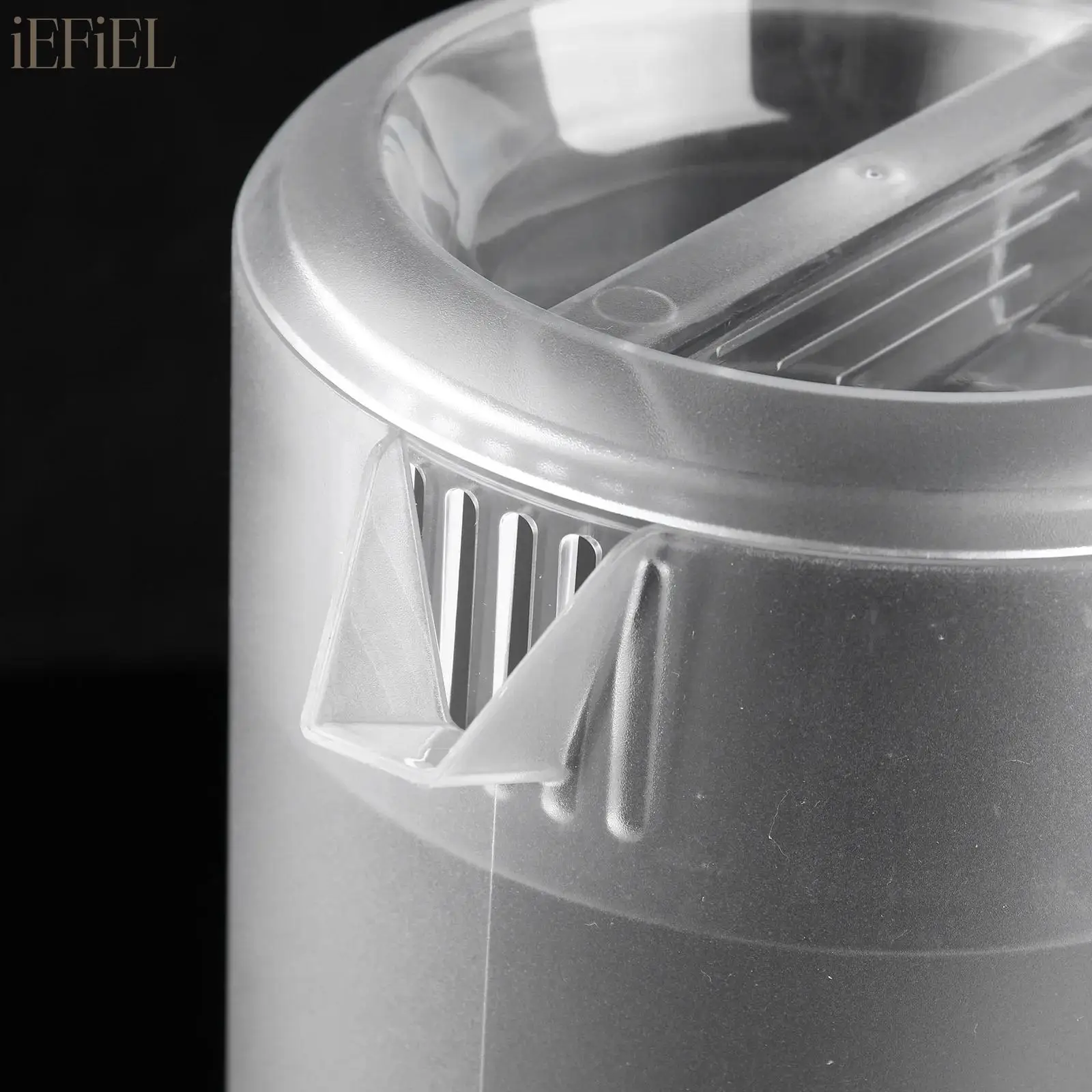
5. Household 2L Cold Water Jug
At just over $5, this is the absolute bare-bones entry. It’s a simple plastic jug with a spigot and a basic mesh “tea filter.” Don’t expect any real contaminant reduction—it’s for basic taste improvement and chilling only. We’d only recommend this for very temporary use or if you need a dedicated container for pre-filtered water.

6. W10295370a Replacement Filter (5-Pack)
This 5-pack is for the gamble-takers. It’s compatible with a huge range of Kenmore and Whirlpool models. The 100% rating is from a single transaction, so take it with a grain of salt. At $9 per filter, it’s incredibly cheap. We haven’t tested this specific brand, so we can’t vouch for its longevity or filtration claims. It might work fine; it might fail in 2 months. You’re betting $46.
Frequently Asked Questions
- How often should I really change my refrigerator water filter?
- Every six months, or after filtering 200-300 gallons—whichever comes first. Even if the water looks fine, the carbon’s adsorption sites become saturated and stop working. Bacteria can also build up inside an old filter.
- Can I use a generic filter in my fridge?
- You can, but proceed with caution. Ensure it’s NSF/ANSI certified for your specific contaminants. The main risk is a poor seal that could leak. If your fridge is under warranty, stick with OEM to avoid potential issues.
- Does refrigerator filtered water remove fluoride?
- No, standard carbon filters do not remove fluoride. Fluoride reduction requires a specialized filter media, typically found in some reverse osmosis or activated alumina systems.
- Why does my water taste bad even with a new filter?
- A few possibilities: the filter wasn’t flushed properly (run 2-3 gallons through first), the source water has a new contaminant the filter doesn’t address, or there’s bacteria in the fridge’s water tank. If the taste persists, test your source water.
- Is refrigerator filtered water better than bottled water?
- It’s better for your wallet and the environment. Quality-wise, a certified fridge filter can match or exceed many bottled waters in terms of contaminant reduction. The convenience is hard to beat.
- What’s the difference between a fridge filter and an under-sink faucet filter cartridge?
- Under-sink filters often have higher capacity, faster flow rates, and can use multi-stage filtration (like sediment + carbon + KDF). They’re a more permanent solution but require installation. Fridge filters trade some performance for ultimate convenience.
Final Thoughts
Refrigerator filtered water is a fantastic convenience feature that delivers real benefits for taste and basic contaminant reduction. It’s not a miracle solution, but for most people on municipal water, it’s a huge upgrade from straight tap. The key is commitment: change your filter on schedule, and choose a certified product that matches your fridge.
Our recommendation? For guaranteed performance, OEM is safe. For value, a reputable certified aftermarket brand is the sweet spot. And if you want filtered water without the plumbing, a quality jug like the BRITA Liquelli is a surprisingly good plan B. Stay hydrated, and don’t let that filter light stay on for months.
