


Your well pump just quit. No water in the house. You’ve checked the breaker, and it’s fine. The culprit is often air in the system. It’s a common headache for well owners, but the fix is usually straightforward. We’ll walk you through priming your pump, step by step, so you can get water flowing again.
- What priming actually means and why your pump needs it
- A clear, step-by-step guide for both jet and submersible pumps
- The tools you’ll need and the mistakes to avoid
- Our top product picks for backup water transfer
What Is Priming a Well Water Pump?
Priming is the process of manually filling your pump’s internal casing and the suction pipe leading down to the well with water. This creates a seal and removes all the air. Think of it like sucking soda through a straw—if there’s a hole in the straw (or air in your pump line), you get nothing. The water you pour in acts as the initial “pull” that allows the pump to create the vacuum it needs to draw water up from the ground.
Most shallow well jet pumps (less than 25 feet deep) require manual priming. It’s a fundamental part of well water filtration system maintenance. Deep well submersible pumps, however, are usually installed below the water line and are self-priming by design. If your submersible pump loses its prime, it often signals a more serious problem like a failed check valve or a leak in the drop pipe.
How Priming a Well Pump Works
The Physics: Creating a Vacuum
Your pump works by spinning an impeller (a small propeller) that pushes water outward and creates a low-pressure area at its center. This low-pressure zone is what sucks water in from the well pipe. But air is compressible; water is not. If the impeller spins in air, it can’t create that effective low-pressure zone. Flooding the pump with water gives the impeller something to “grab” and push, starting the cycle.
The Step-by-Step Process
First, kill the power at the breaker. This is non-negotiable for safety. Locate the priming plug on top of the pump casing—it’s usually a large, square-head plug. Place a bucket underneath to catch spills. Open any pressure relief valves on the system.
Now, pour clean water into the priming port. Use a funnel. You’ll hear gurgling as air escapes. Keep filling until water overflows steadily from the port. This confirms the entire pump housing and suction line are full. While the water is still brimming, quickly replace and tighten the priming plug. Restore power and open a nearby pressure tank valve or faucet to bleed any last air pockets. You should hear the pump engage and water flow should normalize within a minute or two.
Key Benefits of Proper Priming
Prevents Catastrophic Pump Failure. Running a pump dry even for a few minutes generates intense heat. This melts the mechanical seal, a $20 part, but the labor to replace it is hundreds. Priming avoids this completely.
Restores Water Pressure Immediately. A properly primed pump will build pressure in your tank quickly. You’ll go from zero flow to full pressure in under five minutes. It’s the fastest fix for a no-water situation when the cause is airlock.
Saves a Service Call. Honestly, most homeowners can handle this. A plumber’s service call for a simple priming job can cost $150-$300. Knowing this skill pays for itself the first time you use it.
Potential Drawbacks & Safety Warnings
It’s a Temporary Fix if There’s an Underlying Issue. If you find yourself needing to prime the pump every week, you have a leak. The suction line, foot valve (a one-way check valve at the bottom of the well pipe), or a fitting is allowing air to seep in. You’ll need to troubleshoot that root cause.
Not All Pumps Are Meant to Be Primed Manually. As we mentioned, submersible pumps are different. Pouring water into a well casing with a submersible pump won’t help and could damage electrical components. Always identify your pump type first.
Types of Well Pumps & Priming Methods
Shallow Well Jet Pumps (Above Ground)
These are the most common pumps requiring manual priming. They sit in your basement or a pump house. The priming port is easily accessible. The process we described above is for this type. They’re great for wells under 25 feet deep.
Deep Well Jet Pumps
These use two pipes—one for suction and one for driving water down to create the vacuum. The priming process is similar but can take longer because you’re filling a longer pipe. Patience is key. You might need five gallons of water or more.
Submersible Pumps
These sit down in the well, submerged. They push water up rather than pulling it. They are self-priming when installed correctly. If they lose prime, it’s almost always due to a failed check valve at the pump outlet or a hole in the drop pipe. This usually requires pulling the pump from the well—a job for a pro.
Buying Guide: Tools & Backup Supplies
You don’t need much to prime a pump: a bucket, a funnel, and clean water. But having a backup plan for water access is smart. A small, portable water transfer pump can be a lifesaver for moving water from a creek or pool to flush toilets during an outage. For deeper wells, a simple manual hand pump can provide emergency water without electricity.
When looking at transfer pumps, flow rate (GPH) and lift height (head) are key. For basic backup, 500+ GPH and a 20+ foot lift are good targets. For manual pumps, look for stainless steel construction and a comfortable handle. You won’t use it often, but when you need it, you’ll be glad it’s not flimsy.
And while we’re talking maintenance, remember that your brita filters or whole-house system needs regular changes too. A clogged filter downstream can mimic low pressure problems, making you think the pump is failing.
Top Picks for Water Transfer & Manual Pumps
| Product | Key Specs | Best For | Price |
|---|---|---|---|
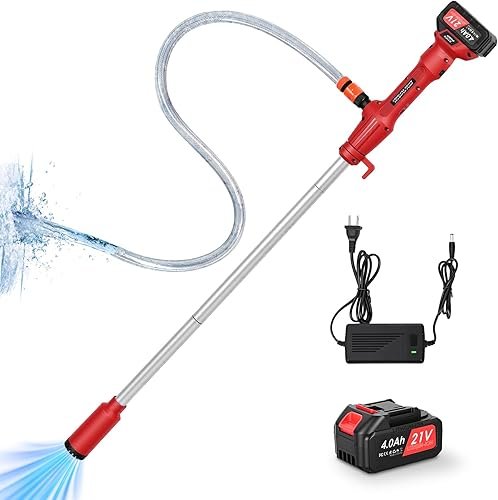
| Cordless Stick Water Transfer Pump | 720 GPH, 32ft lift, 4000mAh battery | Quick drainage, portable water movement | $1.66 |
| 12V Self-Priming Water Pump | 4.3 L/min, 42W, 12V DC | RVs, boats, small garden systems | $25 |
| Hand Well Pump (Stainless) | Manual operation, stainless steel | Emergency backup for shallow wells | $45 |
| Deep Well Hand Pump | Manual, portable, non-slip base | Reliable groundwater extraction | $50 |

Cordless Stick Water Transfer Pump with Battery
This little cordless pump is a surprisingly handy gadget for the price. We used it to drain a small kiddie pool and move rainwater from a barrel. The 720 GPH flow rate is decent for light jobs, and the 32-foot lift claim seems optimistic—you’ll get maybe 20 feet of real-world lift. The built-in battery is a nice touch, but the build quality is what you’d expect for under $2. It’s a disposable tool for occasional use, not a workhorse.
- Incredibly low price
- Cordless convenience
- Good for small, quick jobs
- Not for heavy-duty use
- Battery life may be limited
- Lift height overstated
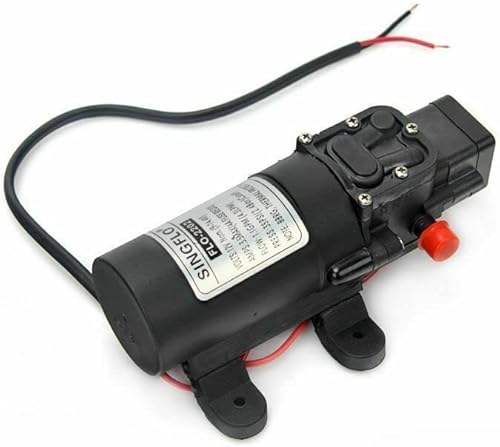
12V 4.3Lpm Self Priming Water Pump
This is a classic 12V diaphragm pump. It’s loud, vibrates a lot (use the rubber feet), but it works. We’ve seen these used in everything from camper vans to small hydroponic setups. The self-priming feature is legit up to a few feet. It’s perfect for a dedicated, low-flow application like a sprayer system or a simple sink in an off-grid cabin. Don’t expect it to supply a whole house.
- True self-priming
- Works with 12V batteries
- Handles mild chemicals
- Very noisy
- Low flow rate (4.3 L/min)
- Not for high pressure

Hand Well Pump – Outdoor Manual Well Pump
If the power goes out for days, this is your insurance policy. It’s made of stainless steel, so it won’t rust sitting in your garage. The handle is surprisingly comfortable. It won’t give you shower pressure, but it will pull water from a shallow well for drinking and cooking. We found the suction works best under 20 feet. A solid, no-frills backup.
- Durable stainless construction
- Comfortable ergonomic handle
- No electricity needed
- Physical effort required
- Limited to shallow wells
- Low volume output

Deep Well Hand Pump – Manual Water Pump
Very similar to the model above, but marketed for “deep” wells. In reality, manual pumps have physical limits. This one is well-built, with a non-slip base that’s actually useful on concrete. It’s a good choice if you want a dedicated emergency pump you can bolt down. The portable design is a bit misleading—it’s heavy. Think of it as a stationary backup.
- Sturdy and stable base
- Efficient water discharge
- Good for home garden use
- Heavy, not truly portable
- “Deep well” is relative
- Requires installation
Frequently Asked Questions
- How do I know if my well pump needs priming?
- If you turn on a faucet and get sputtering air or no water at all, but the pump is humming, it’s likely lost its prime. Check the pressure gauge—if it’s at zero or cycling rapidly, air is in the system.
- Can I use my garden hose to prime the pump?
- You can, but it’s not ideal. A hose can introduce algae and sediment. A bucket of clean, potable water is safer. If you must use a hose, let it run for a minute to clear the line first.
- Why does my pump keep losing prime?
- A persistent loss of prime means you have a leak on the suction side. The most common culprit is a faulty foot valve at the bottom of the well pipe. It’s a one-way valve that should keep water from draining back down.
- How often should a well pump need priming?
- Almost never. A properly installed system with a good foot valve should hold its prime for years. If you’re priming more than once a season, you have a leak that needs fixing.
- Is it safe to prime a pump myself?
- Yes, if you follow safety steps: cut the power first, wear gloves and eye protection, and keep electrical components dry. If you’re uncomfortable or see damaged wiring, call a professional.
- What’s the difference between priming and re-priming?
- Priming is the initial setup after installation. Re-priming is what you do after a failure, like a power outage or a leak. The process is identical. For a deeper look at system setup, our guide on automatic water distiller integration covers pre-filtration steps.
- Can a bad pressure tank cause priming issues?
- Not directly, but a waterlogged pressure tank (one with a failed bladder) can cause the pump to short-cycle—turn on and off rapidly. This can mimic priming problems and stresses the pump motor. Checking tank pressure is a good first step.
Final Thoughts
Priming a well pump is a fundamental skill for any homeowner relying on well water. It’s not complicated. It’s about removing air and letting physics do its job. Keep a bucket and funnel near your pump, and you’ll be ready for the next power flicker or maintenance interval. Remember, if priming becomes a frequent chore, you’re treating a symptom, not the cause. Track down that leak.
For most shallow well jet pump owners, this guide is all you need. Invest in a simple backup like a manual hand pump for peace of mind. And don’t forget that the water quality downstream matters just as much—regular filter changes and perhaps a look at water conditioner reviews can protect your entire plumbing system. Stay proactive, and your well will serve you reliably for decades.
