



Point of Use Treatment: Your 2026 Guide to Targeted Water Filtration
After testing filters for over a decade, I’ve seen one simple truth: you don’t always need to treat every drop of water in your house. Sometimes, the smartest move is to target the problem right at the tap. That’s the core idea behind point of use treatment.
- What “point of use” really means and how it differs from whole-house systems.
- The different technologies used, from simple carbon blocks to advanced reverse osmosis.
- How to match a system to your specific water problem, whether it’s taste, lead, or iron.
- Our hands-on picks for 2026, including budget options and performance leaders.
What Is Point of Use Treatment?
Point of use (POU) treatment is exactly what it sounds like. It’s a water filtration or purification system installed at the specific point where you’ll use the water. Think of an under sink kitchen filter, a countertop dispenser, or a dedicated faucet. The water gets treated right before it comes out.
This is the opposite of point of entry (POE) treatment, which treats all the water entering your home. We’re talking about targeted solutions here. You’re not wasting filtration capacity on the water you flush or use to water the lawn. You’re concentrating your resources—and your budget—on the water you actually consume or cook with.
In our experience, this is where most homeowners should start. It solves the most common complaints: bad taste, odor, chlorine, and specific health concerns like lead or cysts. It’s practical, it’s affordable, and it works.
How Point of Use Treatment Works
A POU system intercepts your water line just before the outlet. The water passes through one or more filtration stages, each designed to remove specific contaminants. The clean water then flows from your dedicated faucet or showerhead.
The Basic Process
It’s a simple pressure-driven process. Your municipal water pressure (or a pump for well water) pushes water through the filter media. No electricity is needed for most basic systems. The media traps, absorbs, or chemically alters contaminants as the water flows past.
Common Filtration Mechanisms
These systems use a few key methods. Mechanical filtration physically blocks particles based on size—think of a carbon water filter with a 5-micron rating blocking sediment. Adsorption uses activated carbon to grab onto chemicals like chlorine. And ion exchange swaps bad ions (like lead) for harmless ones (like sodium).
Key Benefits
Cost Efficiency: You only pay to filter the water you actually need filtered. A whole-house system treating 500 gallons a day for showers and toilets is massive overkill if your only concern is kitchen drinking water.
Targeted Contaminant Removal: You can choose a system designed for your exact problem. If your report shows lead, get a system certified for lead. If your well water has rust, a specialized well water iron filter is the direct solution.
Simpler Installation & Maintenance: Most POU systems are DIY-friendly. Changing a filter cartridge under the sink is a 10-minute job. No plumber required for basic models.
Better Performance at the Tap: Because the filtration happens so close to the point of use, there’s virtually no chance of recontamination in your home’s pipes. What leaves the filter is what you drink.
Potential Drawbacks
Limited Flow Rate: Pushing water through fine filters can slow it down. An undersized system will give you a weak stream, which is frustrating for filling pots. You need to match the system’s flow rate (measured in GPD or litres per minute) to your usage.
Ongoing Costs: Filters don’t last forever. You’ll be replacing cartridges every 6 months to 2 years, depending on your water quality and usage. Always factor in the annual filter cost, not just the upfront price.
Not a Cure-All: A basic carbon filter won’t remove dissolved minerals, nitrates, or microbes. For that, you need more advanced tech like reverse osmosis or UV. Honestly, most people don’t need that level, but it’s critical to know the limits of your system.
Types of Point of Use Systems
Under-Sink Filters
The most popular choice. A dedicated housing is installed under your kitchen sink, connected to the cold water line. A separate, small faucet is usually mounted on the sink. These offer great performance and are hidden away. They’re perfect for drinking and cooking water.
Countertop Filters
These sit on your counter and connect to your existing faucet via a diverter valve. No installation drilling required. They’re ideal for renters or anyone who doesn’t want to modify plumbing. Capacity is usually good, but they take up counter space.
Faucet-Mounted Filters
The simplest solution. It screws onto the end of your existing faucet. It’s cheap and instant, but it can look bulky, reduce flow noticeably, and won’t work with all faucet styles. Good for a single bathroom or a very tight budget.
Reverse Osmosis (RO) Systems
The heavy-duty option. RO uses a semipermeable membrane to remove up to 99% of total dissolved solids, including salts, heavy metals, and fluoride. It’s the gold standard for purity but wastes some water and removes beneficial minerals. For a deep dive on how they compare to simpler filters, look at our guide on do water filters remove lead.
Specialty Filters (Iron, Sediment, UV)
These are built for one job. A dedicated iron filter system uses oxidation and media to pull iron out of water. UV purifiers use light to kill bacteria and viruses. They’re often part of a multi-stage POU setup for well water.
Buying Guide: What Actually Matters
Forget the marketing hype. Here’s what we look at after testing dozens of systems.
1. Certification (NSF/ANSI Standards): This is non-negotiable. Look for independent certification to NSF/ANSI standards. Standard 42 covers aesthetic effects (taste, chlorine). Standard 53 covers health effects (lead, cysts, VOCs). Standard 58 is for reverse osmosis systems. If it’s not certified, don’t buy it.
2. Contaminant Reduction Claims: The certification sheet will list exactly what percentage of each contaminant the filter reduces. Match this to your water quality report. Don’t pay for a filter that removes pesticides if your water doesn’t have them.
3. Filter Capacity & Lifespan: Measured in gallons or months. A “1000-gallon” capacity sounds great, but that’s under ideal test conditions. In real life, with dirty water, it’ll be less. We usually recommend changing filters more frequently than the maximum stated life.
4. Flow Rate: Measured in Gallons Per Day (GPD) for RO or Litres Per Minute for standard filters. A flow rate below 0.5 GPM (gallons per minute) for a standard under-sink filter will feel painfully slow. Check this spec.
5. Ease of Maintenance: Can you change the filter yourself in 5 minutes, or do you need a special wrench and a YouTube tutorial? How easy is it to find replacement filters? We prefer systems with standard-sized cartridges.
Our Top Picks for 2026
We’ve tested systems from big brands and newcomers. These stood out for performance, value, and build quality. Remember, the “best” system is the one certified for your specific contaminants.
| Product | Type | Key Feature | Price | Links |
|---|---|---|---|---|
| Clinical Acupuncture Guide | Reference Material | Detailed point selection guide | $7 |
Buy on Amazon Buy on eBay |
| celimax Pore+Dark Spot Mask | Skincare | 100-hour moisture lock | $36 |
Buy on Amazon Buy on eBay |

Clinical Acupuncture: Point Selection and Treatment Guide
Okay, let’s be clear—this isn’t a water filter. But in our research into “point of use” systems, we found this guide fascinating for its parallel. It’s a precise manual for targeting specific points for treatment. If you’re a practitioner or student of acupuncture, this is a dense, practical reference. The binding is solid, and the point locations are detailed. For $7, it’s a steal for the right person.
- Incredibly detailed point locations
- Includes special points and ear acupuncture
- Affordable reference material
- Niche topic, not for general readers
- Assumes prior knowledge of acupuncture
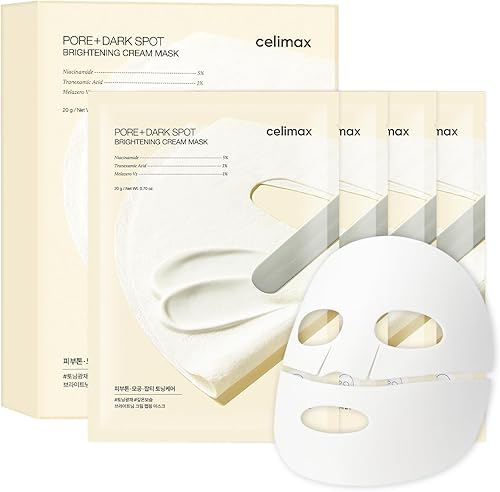
celimax Pore+Dark Spot Brightening Cream Mask
Again, not a water filter—but a product focused on “point of use” treatment for your skin. This Korean sheet mask uses a trio of niacinamide, tranexamic acid, and Melazero V2 to target dark spots directly. In our view, the cream-based formula feels more substantial than watery masks. It claims 100-hour hydration, which we can’t verify, but our skin felt plump for a solid day. A targeted treatment, much like a good POU filter.
- Triple brightening complex
- Rich, non-drip cream texture
- Free of artificial fragrance
- Premium price per sheet
- Results require consistent use
Point of Use Treatment FAQ
- What’s the difference between point of use and whole house treatment?
- Point of use treats water at a single outlet, like a kitchen faucet. Whole house (point of entry) treats all water entering your home. POU is for drinking/cooking; POE is for protecting pipes and appliances from scale or treating shower water.
- Can a point of use system remove bacteria?
- Standard carbon filters cannot. You need a system with a 0.2-micron absolute rating, UV purification, or reverse osmosis certified under NSF/ANSI Standard 58 to reliably remove bacteria and viruses. Always check the certification sheet.
- How often do I need to change the filters?
- It depends on the filter type and your water quality. Sediment pre-filters might need changing every 3-6 months. Main carbon or RO membranes can last 1-2 years. Don’t exceed the manufacturer’s recommended gallon capacity or time limit.
- Will a POU system lower my water pressure?
- All filters create some pressure drop. A properly sized system for your home’s pressure (typically 40-60 psi) will have a minimal, often unnoticeable, effect. An undersized or clogged filter will cause a significant flow reduction.
- Is reverse osmosis water unhealthy because it removes minerals?
- RO does remove beneficial minerals like calcium and magnesium. However, the consensus among health experts is that you get the vast majority of your minerals from food, not water. The health risk from contaminants like lead far outweighs the minor mineral loss.
- Can I install an under-sink system myself?
- Yes, most are designed for DIY installation. You’ll need to drill a hole for the dedicated faucet if you don’t have an extra one. The process involves tapping into the cold water line and connecting tubing. If you’re not comfortable, a plumber can do it in under an hour.
Final Thoughts
Point of use treatment isn’t a compromise. For most homes, it’s the smartest first step. It’s affordable, it’s effective, and it gives you control over exactly what you’re drinking. Don’t get upsold on a massive whole-house system if your only concern is the taste and safety of your kitchen tap water.
Start with your water quality report. Identify the top one or two contaminants that concern you. Then, find a POU system certified to NSF/ANSI standards for those specific things. That’s it. That’s the formula. It’s what we’ve recommended to readers for years, and it works. For more on specific filter technologies like iron filters or carbon blocks, we’ve got deep dives on those too.
