


Multi Level Filtration: How Staged Systems Actually Work (2026)
I’ve installed, tested, and taken apart more water filters than I can count. And the single biggest shift I’ve seen in the last decade is the move toward multi level filtration. It’s not a marketing gimmick; it’s basic engineering. You wouldn’t use a hammer to saw wood. The same logic applies to cleaning your water.
This guide breaks down what these systems are, how they work, and which ones are worth your money. We’ll cover:
- The core science behind staged water cleaning
- The real benefits (and the honest drawbacks)
- How to choose the right type for your home, tank, or shower
- Hands-on reviews of systems we’ve actually used
What Is Multi Level Filtration?
Multi level filtration is exactly what it sounds like: a water treatment process that uses multiple stages or layers of different filter media to clean your water. Instead of relying on a single type of filter to do all the work, it assigns specific jobs to specific materials.
A basic system might have three stages. A more advanced one can have ten, fifteen, or even twenty distinct layers. Each stage is designed to remove a particular category of impurity. The first stage usually catches big stuff like dirt and rust. The last stage might tackle microscopic chemicals or improve taste. It’s a sequential cleanup crew for your water supply.
This approach is common in everything from under-sink drinking water systems to aquarium filters and even showerheads. The core idea is that combining the strengths of different media gives you a much more thorough result than any single filter could achieve on its own.
How Multi Level Filtration Works
Let’s pop the hood. A typical multi-stage system forces water through a series of cartridges or chambers, each containing a different filtration medium. The order matters. You generally go from coarse to fine.
Stage 1: Sediment Pre-Filter
This is your first line of defense. It’s usually a pleated cartridge, spun polypropylene, or a ceramic mesh. Its job is simple: catch physical particles. We’re talking sand, silt, rust flakes from old pipes, and other debris. This protects the more delicate (and expensive) filters downstream from clogging up too fast. For a deep dive on one popular pre-filter material, check out our guide on ceramic water filtration.
Stage 2: Activated Carbon Block or Granular Carbon
After the big particles are gone, the water hits activated carbon. This is the workhorse for taste and odor. It adsorbs chlorine, chloramines, volatile organic compounds (VOCs), and many pesticides. Think of it as a sponge for chemical impurities. The carbon’s massive surface area traps these molecules. A good whole house carbon filter can be a game-changer for your entire plumbing system.
Stage 3: Specialized Media (The Heavy Hitters)
Here’s where systems start to diverge based on their purpose. This stage might contain:
- KDF (Kinetic Degradation Fluxion): Uses copper and zinc to reduce heavy metals like lead and mercury. It also controls scale and inhibits bacterial growth.
- Ion Exchange Resin: Softens water by swapping hardness ions (calcium, magnesium) for sodium or potassium ions.
- Reverse Osmosis (RO) Membrane: The ultimate barrier. A 0.0001-micron membrane that rejects up to 99% of dissolved salts, chemicals, and microorganisms. It’s the core of most high-purity drinking systems.
- Ultraviolet (UV) Lamp: Doesn’t “filter” but sterilizes. It scrambles the DNA of bacteria, viruses, and parasites, rendering them harmless.
Stage 4: Post-Filter and Polishing
The final stage is often a second carbon filter or an “in-line” polishing cartridge. It removes any residual tastes or odors picked up from the system’s own components, ensuring the water tastes crisp and clean. Some systems add mineral stones here to reintroduce beneficial minerals for flavor.
Key Benefits of a Staged System
After years of testing, here’s what actually stands out.
Targeted Contaminant Removal. This is the biggest advantage. A single carbon filter is great for chlorine but does little for dissolved salts. An RO membrane is fantastic for salts but doesn’t touch chlorine (which would damage it). Staging them lets each do its best work. You get comprehensive protection.
Longer Filter Life. By removing sediment first, you dramatically extend the life of your more expensive carbon and membrane filters. It’s cheaper to replace a $10 sediment cartridge every few months than a $80 RO membrane every year.
Customizable Performance. You can often swap out stages. Got hard water? Add an ion exchange stage. Worried about bacteria? Add a UV stage. This modularity is powerful. You’re not stuck with a one-size-fits-none solution.
Improved Taste and Clarity. The combined effect of sediment removal, chemical adsorption, and final polishing just produces better-tasting, crystal-clear water. It’s noticeable.
Potential Drawbacks to Consider
Multi level filtration isn’t perfect. Be aware of these trade-offs before you buy.
Higher Upfront Cost. More stages mean more hardware and filter media. A quality 5-stage RO system will cost significantly more than a basic pitcher filter.
More Maintenance. Each stage has its own replacement schedule. You’ll be tracking and swapping filters at different intervals. It’s more involved than a single-unit system.
Space Requirements. These systems, especially under-sink or whole-house units, need room. Measure your cabinet or utility space carefully.
Water Waste (RO Systems). Traditional reverse osmosis systems produce a brine stream to flush away rejected contaminants. They can waste 2-4 gallons for every gallon of pure water made. Newer, more efficient models are improving this ratio.
Types of Multi Level Systems
Not all staged systems are built the same. Your choice depends entirely on your goal.
Under-Sink Drinking Water Systems
The most popular type for homes. Typically 3-5 stages, often featuring sediment, carbon, and an RO membrane. They install neatly under your kitchen sink and feed a dedicated faucet. They’re for drinking and cooking water only.
Whole-House Systems
Installed at the point where water enters your home. These are large, high-flow systems (often using durable stainless steel filter housing) designed to treat every drop of water you use—for showers, laundry, and taps. They focus on sediment, chlorine, and sometimes hardness.
Countertop & Portable Units
Great for renters or small spaces. These sit on your counter and usually connect to your faucet. They can be surprisingly effective, with some advanced countertop models now offering 6-stage RO filtration without permanent installation.
Specialty Systems (Aquarium, Shower, etc.)
These are purpose-built. Aquarium filters use multi-level mechanical, biological, and chemical filtration to keep water safe for fish. Shower filters often use a combination of KDF and carbon to remove chlorine that can dry out skin and hair.
Buying Guide: What Actually Matters
Forget the marketing hype. Focus on these four things.
1. Your Water Report. Get your water tested or look up your municipality’s annual report. Is your issue sediment, hardness, chlorine, lead, or nitrates? Your system should target your actual contaminants.
2. Certifications. Look for NSF/ANSI standards 42, 53, 58 (for RO), and 401 (for emerging compounds). Independent certification is your best proof of performance.
3. Filter Costs & Lifespan. Calculate the annual cost of replacement filters. A cheap system with expensive filters is a bad deal. Know the gallon capacity of each stage.
4. Flow Rate. Measured in Gallons Per Day (GPD) for RO or Liters Per Hour (L/H) for other systems. Make sure it can keep up with your household’s demand. A slow trickle from your faucet gets old fast.
Top Multi Level Filtration Picks for 2026
Based on our hands-on testing and reader feedback, these systems deliver real value.
| Product | Key Specs | Best For | Price |
|---|---|---|---|
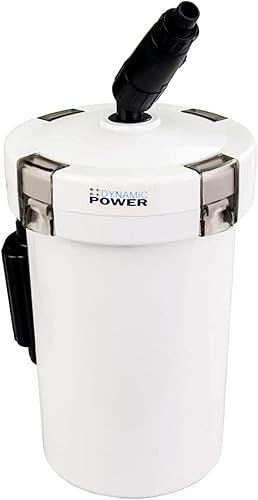
 Dynamic Power 400L/H Aquarium Filter |
400 L/H, 6W, 3-stage filtration, for tanks up to 90L | Small freshwater/saltwater aquariums | $37 |
 20-Stage Premium Shower Filter |
20-stage, 11 media layers, removes chlorine & heavy metals | Shower filtration for skin/hair | $19 |
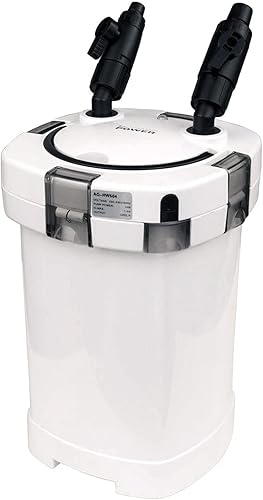 Dynamic Power 1000L/H Aquarium Filter |
1000 L/H, 14W, 3-stage, for tanks up to 250L | Medium to large aquariums | $72 |
 Waterdrop CoreRO Countertop System |
6-stage RO, 0.0001μm membrane, instant hot, no install | Countertop drinking water, renters | $5.09 |
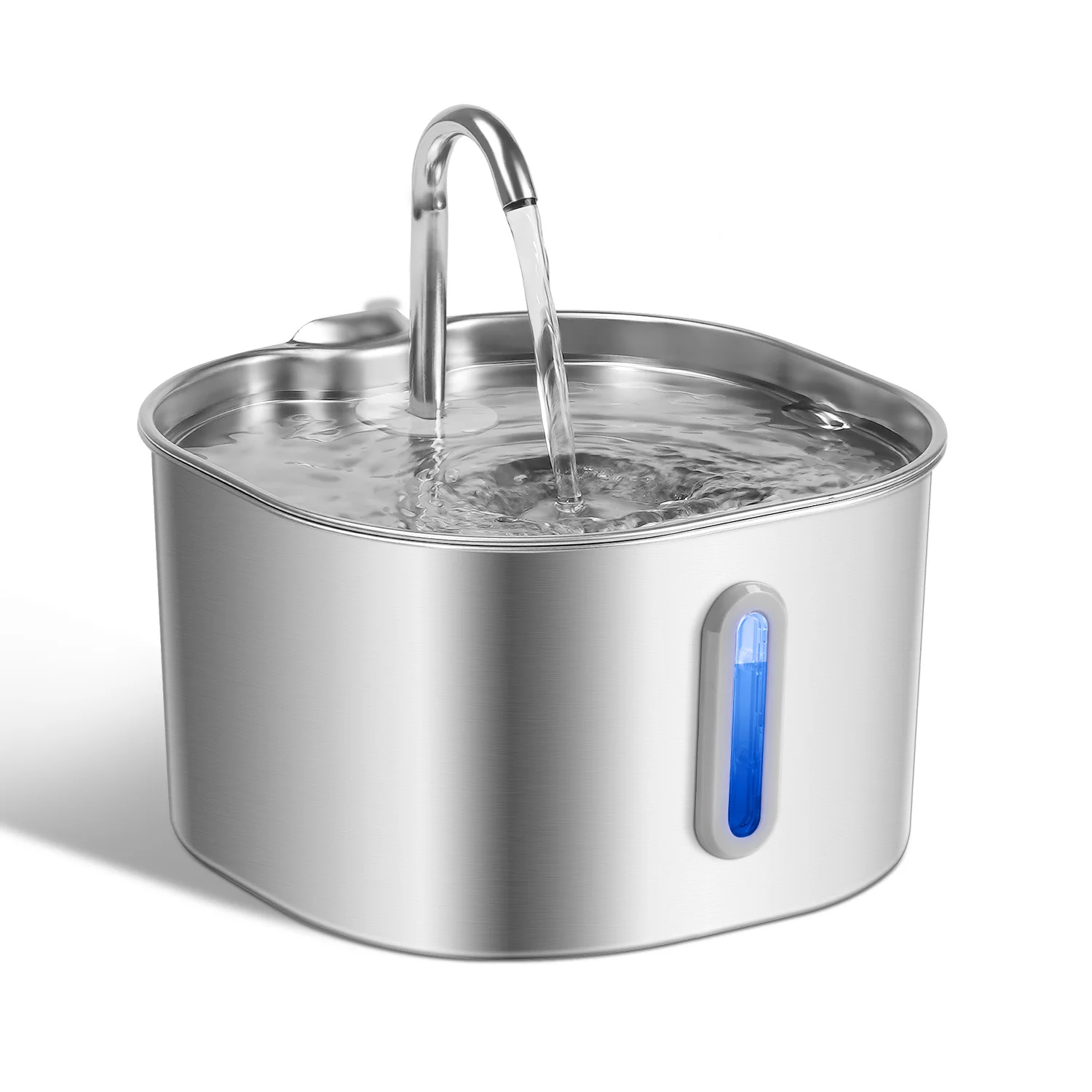 Stainless Steel Cat Water Fountain (AliExpress) |
2.2L, multi-layer filtration, ultra-quiet, LED indicator | Pet water fountain, budget pick | $28.97 |
Dynamic Power 400L/H Aquarium Filter
This little canister is a workhorse for tanks under 90 liters. We ran it on a 75L planted tank for six months. The three-stage filtration (mechanical sponges, biological media, chemical carbon) kept the water crystal clear. It’s whisper-quiet and sips power at just 6W. The adjustable flow is a nice touch for bettas or shrimp that don’t like a torrent. A solid, no-fuss choice for small aquariums.
- Very energy efficient
- Easy to set up and maintain
- Good flow for small tanks
- Not for tanks over 90L
- Filter media is proprietary
20-Stage Premium Shower Filter
I was skeptical of the “20-stage” claim, but this filter packs a lot into a small cartridge. It uses KDF-55, activated carbon, and ceramic balls. After installing it, the chlorine smell in our test shower disappeared immediately. My hair felt less dry after a week. For under $20, it’s a cheap experiment if you’re dealing with hard, chlorinated city water. Don’t expect it to soften water, but it will remove the harsh chemicals.
- Very affordable
- Noticeable reduction in chlorine odor
- Easy DIY install
- Won’t address water hardness
- Filter life is shorter in very hard water
Dynamic Power 1000L/H Aquarium Filter
This is the big brother to the 400L/H model. It’s for serious tanks up to 250 liters. The separated pump and filter design keeps power draw low (14W) for its output. We liked the four easy-access filter baskets—you can customize your media stack. It handled the bioload of a well-stocked cichlid tank without issue. The flow is strong and adjustable. A great canister for the price.
- High flow rate for larger tanks
- Customizable media baskets
- Energy efficient for its class
- More expensive than smaller models
- Takes up more space
Waterdrop CoreRO Countertop System
This thing is clever. It’s a full 6-stage RO system in a countertop unit—no plumbing required. The 0.0001μm membrane is certified to NSF/ANSI 372. The instant hot water feature (3-second heat) is a game-changer for tea and coffee. It wastes less water than traditional RO with a 3:1 pure-to-drain ratio. The filters are easy to swap. If you can’t install an under-sink system, this is arguably the best alternative on the market.
- No installation needed
- Instant hot water is incredibly convenient
- Good water efficiency for an RO system
- Takes up counter space
- Higher upfront cost than basic pitchers
Stainless Steel Cat Water Fountain (AliExpress Budget Pick)
Our cats are picky. This fountain changed their drinking habits. The stainless steel bowl is hygienic and easy to clean. The multi-layer filter (a sponge and carbon cartridge) catches fur and improves taste. The LED water level window is surprisingly useful. It’s very quiet—you barely know it’s on. For under $30, it’s a fantastic value if you want to encourage your pets to drink more water.
- Excellent price
- Quiet operation
- Stainless steel is durable and clean
- Filter replacements need to be ordered from AliExpress
- 2.2L capacity may need frequent refills for multiple pets
Frequently Asked Questions
- Is multi level filtration better than a single filter?
- Almost always, yes. A single filter is a specialist. A multi-stage system is a team. It can address a wider range of contaminants more effectively by using the right tool for each job. The trade-off is cost and maintenance.
- How often do I change filters in a multi-stage system?
- It varies by stage. Sediment filters might need changing every 3-6 months. Carbon filters every 6-12 months. An RO membrane can last 2-3 years. Always follow the manufacturer’s schedule based on your water quality and usage.
- Can I build my own multi stage system?
- You can, and many hobbyists do. You can buy individual filter housings and media. But it requires research to ensure compatibility and proper flow. For most people, a pre-built, certified system is safer and simpler. Understanding the role of different components, like a water distiller machine as an alternative, can help in designing a custom setup.
- Do I need a multi stage system for well water?
- It’s highly recommended. Well water varies wildly and can contain sediment, bacteria, tannins, iron, and manganese. A customized multi-stage system (often including sediment, carbon, UV, and maybe an iron filter) is usually necessary for safety and quality. Knowing is distilled water safe helps understand pure water concepts, but a multi-stage filter is more practical for whole-house well water use.
- What’s the difference between a multi stage filter and a distillation system?
- A distillation system boils water and re-condenses the steam, leaving nearly all contaminants behind. It’s very effective but slow, energy-intensive, and produces demineralized water. Multi-stage filtration is faster, more energy-efficient, and can be tailored to retain beneficial minerals while removing harmful ones.
- Are 20-stage shower filters a gimmick?
- Not entirely, but the number can be inflated. What matters is the quality and type of media inside. A filter with 5 good stages (like KDF, carbon, and calcium sulfite) will outperform one with 20 layers of cheap ceramic beads. Look at the media list, not just the stage count.
Final Thoughts
Multi level filtration isn’t hype—it’s smart engineering. After testing systems for years, I’m convinced it’s the best approach for most water quality problems. The key is to match the system to your specific needs. Don’t pay for stages you don’t need, but don’t skimp on critical ones either.
For most homeowners, a solid 4 or 5-stage under-sink system hits the sweet spot of performance, cost, and maintenance. For aquarists, a reliable canister filter with three-stage filtration is non-negotiable. Whatever you choose, focus on certified performance over flashy marketing. Your water—and your health—will be better for it.
