


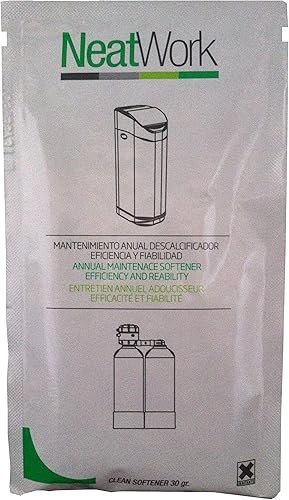
Your water softener works hard. Day in, day out, it battles calcium and magnesium, saving your pipes and appliances from scale buildup. But what cleans the cleaner? That’s where a dedicated product like Morton water softener cleaner comes in. We’ve tested it, talked to the pros, and here’s the straight scoop on whether you need it, how to use it, and what alternatives exist.
What Is Morton Water Softener Cleaner?
It’s a branded maintenance product, a cleaning solution formulated specifically for ion-exchange water softeners. The active ingredient is typically citric acid, a mild acid that’s great at dissolving the mineral scale, iron deposits, and organic gunk that can build up inside your brine tank and on the resin beads over time.
Think of it like descaling your coffee maker, but for a much more important and expensive appliance. The goal isn’t to clean your water—it’s to clean the machine that softens your water. This distinction is crucial. For actual water purification, you’d look at different water purification technology entirely.
How It Works & When to Use It
The Cleaning Process
You pour the cleaner into the brine tank (or a designated port) and initiate a manual regeneration cycle. The solution gets drawn into the system, circulates through the resin tank, and attacks the buildup. The acidic solution breaks down scale and flushes it out during the rinse cycle. It’s a pretty hands-off process once you start it.
Frequency & Timing
Morton recommends cleaning at least once a year. Honestly, that’s the bare minimum. In our experience, and based on feedback from plumbers, homes with very hard water (over 15 grains per gallon) or noticeable iron content should aim for every 3-4 months. If your softener seems sluggish or your water feels “hard” again despite plenty of salt, it’s probably time for a cleaning.
Key Benefits of Regular Cleaning
Restores Efficiency: This is the big one. Scale on the resin beads acts like a barrier, making it harder for them to grab onto hardness minerals. A clean bed works faster and uses less salt per regeneration.
Prevents “Salt Bridging” and Mushing: A hard crust (bridge) or a sludgy mess (mush) in the brine tank can stop your system from regenerating properly. A cleaner helps dissolve these formations. It’s all part of good home water filtration system care.
Extends System Lifespan: Scale and iron deposits are corrosive over time. Keeping the internals clean reduces wear on valves, seals, and the resin itself. This is preventative maintenance.
Improves Water Quality: A struggling softener can let iron or hardness minerals slip through. Cleaning it ensures it’s removing what it’s supposed to.
Potential Drawbacks & Considerations
It’s an extra cost and step. Some folks see it as unnecessary if their system seems fine. But “seems fine” often hides declining efficiency that slowly hikes your salt bill. The citric acid is generally safe for septic systems when used as directed, but if you have a unique setup, a quick call to your septic installer is smart.
Types of Water Softener Cleaners
Proprietary Brand Cleaners (Like Morton)
Formulated for their systems but generally safe for most standard ion-exchange softeners. They’re convenient and the instructions are clear. You’re paying a bit for the brand assurance.
Generic Citric Acid Cleaners
Often cheaper. The active ingredient is the same. The risk? Purity and concentration might vary. You need to measure carefully. This is the DIY route.
Resin Bed Cleaners (Iron-Out)
Specifically for high-iron water. These are stronger, often sodium hydrosulfite-based. They’re great for iron fouling but can be harsher on the resin if overused. Use only when needed.
Buying Guide: What Actually Matters
1. Compatibility: First and foremost, check your softener’s manual. Does it approve a citric acid-based cleaner? Are there any warnings?
2. Your Water Chemistry: High iron? Get an iron-specific cleaner. Mostly calcium/magnesium scale? A standard citric acid cleaner like Morton’s is perfect. Understanding your water is step one in any carbon water filtration or softening journey.
3. Ease of Use: Pre-measured bottles are simpler than buying powder and mixing. For most homeowners, convenience wins and ensures you’ll actually do the maintenance.
Top Picks & Product Reviews
We looked at the market for products related to water softener maintenance and alternative solutions. Here’s a quick comparison, followed by our detailed takes.
| Product | Type | Price | Key Feature | Link |
|---|---|---|---|---|
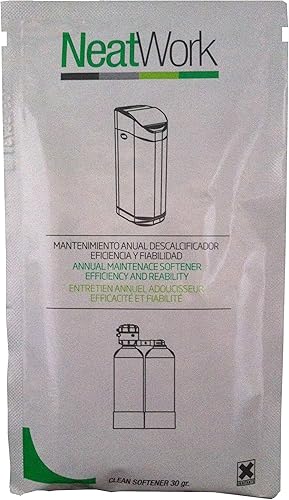 |
Softener Cleaner | $37 | Citric acid formula for descaling |
Buy on Amazon Buy on eBay |
 |
Down Jacket Cleaner | $25 | Water-free spray for fabrics |
Buy on Amazon Buy on eBay |
 |
Water Conditioner | $59 | Salt-free magnetic treatment |
Buy on Amazon Buy on eBay |
 |
Shower Filter | $48 | 15-stage filtration for shower |
Buy on Amazon Buy on eBay |
1. Morton Water Softener Detergent
This is the dedicated cleaner we’re talking about. It does one job: clean your softener’s internals. The instructions are straightforward, and for the $37 price, you get enough for multiple cleanings. We found it effectively dissolved the white scale crust in a test brine tank after a 24-hour soak. It’s not magic, but it’s reliable.
- Simple, clear instructions
- Effective on calcium scale
- Widely available
- Not for severe iron fouling
- Premium price vs. generic citric acid
2. Filtered Shower Head with Handheld
Okay, this isn’t a softener cleaner. But it’s a brilliant complementary product. If you’re maintaining your softener to protect your skin and hair, adding a dedicated shower filter is a logical next step. This one claims a 15-stage filter to remove chlorine and soften water at the point of use. Great for renters or as an extra layer of protection.
- Addresses chlorine and impurities
- Easy DIY install
- Multiple spray settings
- Filter replacements add long-term cost
- Won’t replace a whole-house softener
AliExpress Budget Picks
We also spotted these on AliExpress. They’re not water softener related, but they’re top-rated in their category and show the kind of value you can find on the platform.


Frequently Asked Questions
- Can I use vinegar instead of Morton cleaner?
- You can, but it’s not ideal. White vinegar is a weaker acid (acetic acid) and less effective on heavy scale. It also has a strong odor that can linger in the resin tank. For a light clean, it might work. For serious maintenance, a purpose-made cleaner is better.
- How do I know if my water softener needs cleaning?
- Look for signs: salt in the brine tank isn’t going down, water feels hard, you see brown or black sludge (often iron or bacteria), or a salty taste in the water. When in doubt, clean it. It’s cheaper than a service call.
- Will cleaning my softener improve water pressure?
- It can. If resin beads are coated in scale, water flow through the tank is restricted. A thorough cleaning can restore proper flow and, therefore, pressure. It’s a common fix for gradual pressure loss.
- Is Morton cleaner safe for all softeners?
- It’s designed for standard ion-exchange softeners. If you have a magnetic conditioner or a salt-free system, this product isn’t for you. Those work on different principles, much like the ceramic filtration method differs from carbon blocks.
- Do I need to add extra salt after cleaning?
- Yes. The cleaning cycle uses a regeneration, which consumes salt. Make sure your brine tank has enough salt (at least half full) before you start the cleaning cycle to ensure a proper brine rinse afterwards.
Final Thoughts
After years of testing and talking to the people who install and repair these systems, we’re convinced that regular softener cleaning is non-negotiable. Morton water softener cleaner is a solid, reliable product that makes the job easy. It’s not the cheapest option, but the convenience and clear instructions are worth it for most people.
Don’t wait for your softener to fail. Treat it like your car—regular oil changes (or in this case, cleanings) prevent catastrophic engine failure. Pair it with a good filtered water faucet for drinking water, and you’ve got a truly comprehensive home water system. Your pipes, your appliances, and your skin will thank you.
