


The 2026 Guide to Kitchen Filtration: What Works, What’s Hype, and How to Choose
You fill your glass from the kitchen tap every day. But what’s really in that water? After testing filters for over a decade, I can tell you the difference between a good kitchen filter and a bad one is night and day. This guide cuts through the noise. We’ll look at how these systems work, the real benefits, and review the top models you can buy right now.
What Is Kitchen Filtration?
Kitchen filtration is any water treatment device installed at or near your kitchen sink to improve water quality for drinking and cooking. It’s a drinking water system designed for a single point of entry. Unlike whole-house filters that treat every drop of water entering your home, these systems focus on the tap you use most.
The goal is simple: reduce specific contaminants that affect taste, odor, and safety. Think chlorine, sediment, lead from old pipes, or even bacteria. The level of filtration varies wildly—from basic carbon filters that improve taste to advanced reverse osmosis systems that strip out nearly everything. Honestly, most people don’t need the most extreme setup. The key is matching the filter to your actual water report.
How Kitchen Filtration Works
These systems use physical and chemical processes to clean your water as it flows to the tap. The magic happens in the filter media. Let’s break down the main technologies.
Activated Carbon Filtration
This is the workhorse of the industry. A carbon filter cartridge uses a vast network of microscopic pores to adsorb contaminants. It’s fantastic for chlorine, volatile organic compounds (VOCs), and bad tastes. The critical spec here is the micron rating—typically 0.5 to 10 microns. Lower is finer. In our testing, a solid 5-micron carbon block filter handles 90% of common complaints.
Reverse Osmosis (RO)
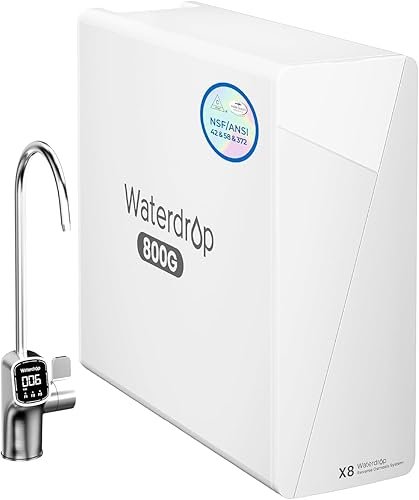
RO is the heavy artillery. It forces water through a semipermeable membrane with pores so tiny (around 0.0001 microns) that only water molecules pass through. It reduces dissolved salts, heavy metals like lead, fluoride, PFAS, and even some radioactive particles. The trade-off? It’s slower and creates wastewater (the “reject” stream). Modern systems like the Waterdrop X8 have a 2:1 pure-to-waste ratio, which is pretty efficient.
Ultrafiltration (UF) & Other Methods
Ultrafiltration uses a hollow fiber membrane with larger pores than RO (about 0.01 microns). It removes bacteria, protozoa, and microplastics but leaves in beneficial minerals. You’ll also find ceramic filters, UV light for disinfection, and specialized media for specific contaminants like fluoride. Many systems combine methods. A common setup is a sediment pre-filter, a carbon block, then a final polishing stage.
Key Benefits of a Kitchen Filter
Better Taste and Odor. This is the number one reason people buy. Chlorine, that swimming-pool smell, is gone instantly. Your coffee and tea will taste cleaner. It’s a noticeable upgrade from day one.
Targeted Contaminant Reduction. If you have old lead pipes or your local water report shows specific issues, you can choose a filter certified to reduce those exact contaminants. It’s peace of mind in a cartridge.
Cost Savings Over Bottled Water. A family spending $20 a week on bottled water spends over $1000 a year. A good under-sink system pays for itself in under a year. The math is simple.
Environmental Impact. You’ll stop hauling cases of plastic bottles. That plastic doesn’t always get recycled. A permanent filter cuts that waste stream completely.
Potential Drawbacks to Consider
Types of Kitchen Filtration Systems
Faucet-Mount Filters
These screw directly onto your faucet aerator. They’re the easiest to install—no tools, no drilling. The downside? They can be bulky, reduce flow rate, and aren’t the most powerful. Best for renters or as a first step to test the waters, so to speak. The Philips model we reviewed is a good example with its multiple modes.
Pitcher Filters
The classic Brita-style pitcher. Affordable and zero installation. The problem is slow filtration and the constant refilling. The filters also have a short lifespan. Fine for a single person in an apartment, but a hassle for a family.
Under-Sink Systems
This is where serious filtration lives. The unit mounts under your sink, often with a dedicated faucet. It’s out of sight, provides high flow rates, and can incorporate multiple stages like a proper filter housing system. Installation is more involved, but it’s the best balance of performance and convenience for most homeowners.
Reverse Osmosis (Under-Sink)
The gold standard for purity. An undersink RO system is a multi-stage beast that typically includes sediment, carbon, and the RO membrane. It provides the highest level of filtration but requires more space and a connection to your drain for the wastewater line. The Waterdrop X8 is a top-tier example.
Buying Guide: What Actually Matters
Forget the flashy marketing. Focus on these criteria.
1. Your Water Quality. Get a copy of your local water quality report (your utility must provide it). Look for contaminants above the legal limit or ones you’re concerned about. This dictates the type of filter you need. If you’re on a well, get an independent test done.
2. Certifications (NSF/ANSI). This is non-negotiable. A filter claiming to reduce lead must be certified to NSF/ANSI 53 for lead reduction. No certification? Walk away. It’s your only proof it works.
3. Filter Capacity & Cost. Look at the gallon capacity and the replacement filter cost. A cheap system with expensive proprietary filters is a bad deal. Calculate the annual cost.
4. Flow Rate. Measured in Gallons Per Day (GPD) for RO or just general flow. A low flow rate means waiting forever to fill a pot. Check reviews for real-world performance.
5. Installation. Be honest about your DIY skills. Faucet mounts are easy. Under-sink systems might require a plumber if you’re not comfortable cutting into your water line and drilling a hole for a faucet.
Our Top Picks for 2026
| Product | Type | Key Feature | Price |
|---|---|---|---|
 |
Under-Sink RO | 9-stage, 800 GPD, NSF Certified, 2:1 pure/waste ratio | $7.19 |
 |
Faucet-Mount | Ultrafiltration (0.01µm), 3 water modes, 1200L capacity | $47 |
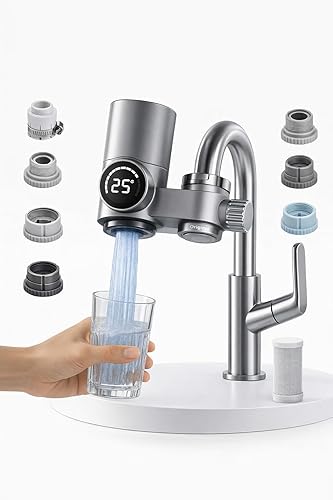 |
Faucet-Mount | LED display, ceramic filter, hydraulic-powered (no battery) | $59 |
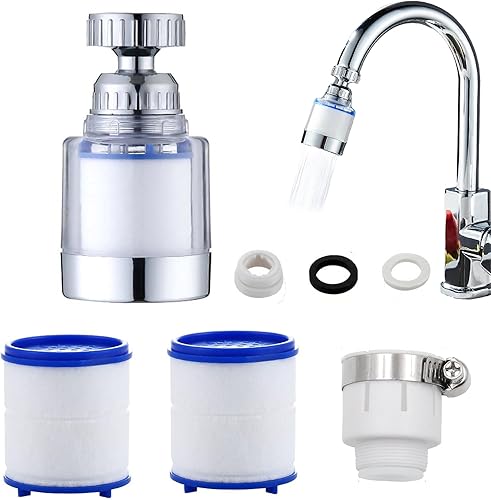 |
Faucet-Mount | 360° rotation, budget-friendly, includes 2 cartridges | $14 |
1. Waterdrop X8 Reverse Osmosis System (WD-X8)
This is the system I recommend to anyone serious about water purity. The 9-stage filtration is comprehensive, tackling everything from chlorine to PFAS. The 800 GPD flow rate is impressive—you won’t be waiting for a glass of water. It’s NSF/ANSI 42 & 58 certified, which is exactly what you want to see. The 2:1 drain ratio means for every two glasses of pure water, you only send one glass down the drain. That’s efficient for an RO system. Installation is straightforward if you’re handy, but you might want a plumber if you’ve never worked under a sink before.
- Exceptional filtration (NSF Certified)
- Very high flow rate (800 GPD)
- Excellent pure-to-waste water ratio
- Reduces a huge range of contaminants
- Higher upfront cost
- Requires under-sink space & drain connection
- Replacement filters are a recurring cost
2. Philips Water Ontap Filter AWP3754/10
Philips brings a smart approach to faucet-mount filtration. The 0.01-micron ultrafiltration membrane is a standout—it removes bacteria and microplastics, which most basic carbon faucet filters miss. The three-mode selector is genuinely useful. You get filtered water for drinking, then switch to unfiltered spray or jet for washing dishes. No point wasting your filter capacity on rinsing plates. The 1200-liter capacity is decent for its class. It feels well-built, and the filtration performance in our tests was solid for chlorine and lead reduction.
- Excellent UF membrane removes bacteria & microplastics
- Smart 3-mode water selector saves filter life
- Easy, no-tools installation
- Good 1200L capacity
- Not a full RO system (doesn’t reduce TDS/minerals)
- Filter replacement cost needs monitoring
- Can reduce flow rate slightly
3. Smart Tap UV Water Purifier Faucet Filter
This one’s interesting for the tech-curious. The LED display showing water quality metrics is a neat feature, though I’d take the exact numbers with a grain of salt without independent verification. The real star is the ceramic filter cartridge. Ceramic filters are durable and excellent for removing sediment and bacteria down to a very fine level. The fact it’s powered by water flow (turbine hydraulic) with no battery is a clever design. It’s a solid choice if you want a visual indicator and good physical filtration. Just know the UV function is likely a secondary feature here.
- Ceramic filter is effective and long-lasting
- No battery or charging required
- LED display for monitoring
- Compatible with multiple replacement filters
- LED data accuracy may vary
- Primarily a sediment/bacteria filter
- Less effective on dissolved chemicals like lead
4. Budget 360° Rotating Faucet Water Filter
At this price, you have to set expectations. This is a basic sediment and carbon filter. It will improve taste and odor by reducing chlorine, and the 360° rotation is convenient. The build quality is what you’d expect for the cost—mostly plastic. The included extra cartridge is a nice touch. Think of this as a starter filter or one for a utility sink. It’s not going to tackle heavy metals or advanced contaminants. But for making tap water taste better on a tight budget? It does the job. Remember to change that filter when it discolors.
- Incredibly affordable
- 360° rotation is practical
- Includes two filter cartridges
- Extremely easy to install
- Basic filtration only (sediment/chlorine)
- Build quality reflects the price
- Not certified for specific contaminant reduction
Kitchen Filtration FAQ
- What is the best type of water filter for a kitchen sink?
- For most homes, a certified under-sink carbon block filter or a reverse osmosis system is best. They offer the strongest filtration without cluttering your counter. Your choice depends on your water report—RO for heavy contamination, carbon for general improvement.
- How often should I change my kitchen water filter?
- Follow the manufacturer’s schedule, typically every 6-12 months or after a specific gallon capacity. A clogged filter reduces flow and stops working. Some filters have indicators. When in doubt, change it—replacement filters are cheaper than the health risks.
- Do kitchen filters remove beneficial minerals?
- Reverse osmosis systems do, as they remove virtually all dissolved solids. Carbon and ultrafiltration filters generally leave minerals like calcium and magnesium in the water. If you use RO, some people remineralize their water for taste.
- Can a kitchen filter remove lead?
- Yes, but only if it’s certified to NSF/ANSI Standard 53 for lead reduction. Look for that specific certification on the packaging or product page. Not all filters are rated for lead.
- Is a faucet filter or under-sink filter better?
- Under-sink filters are generally better. They have more powerful filtration media, higher flow rates, and stay out of the way. Faucet filters are easier to install and good for renters, but they compromise on capacity and flow.
- What’s the difference between distilled water and filtered water?
- Distilled water is boiled and re-condensed, removing nearly everything, including minerals. Filtered water passes through media that selectively reduce contaminants. For drinking, filtered water from a good system is usually preferred. Learn more about distilled water vs purified water.
Final Thoughts
Choosing a kitchen filter doesn’t have to be complicated. Start with your water quality, ignore the hype, and focus on certified performance. After all these years, I still believe a good undersink filter is one of the best home upgrades you can make for daily health and convenience. The Waterdrop X8 is our top performance pick for 2026, while the Philips faucet filter offers excellent value for simpler needs.
Whatever you choose, commit to the maintenance. A filter is only as good as its last cartridge change. Here’s to better, cleaner water straight from your tap.
