


Home Water Treatment: A Practical Guide to Cleaner, Safer Water (2026)
After testing dozens of systems and interviewing countless plumbers, I can tell you this: most people overthink home water treatment. They chase fancy tech when a simple, targeted solution would do. This guide cuts through the noise. We’ll cover what these systems actually do, the different types available, and how to pick one that fits your water and your budget—without wasting money on features you don’t need.
What Is Home Water Treatment?
Home water treatment is any process or device you use to improve the quality of water coming into your house. It’s a broad term. It can mean a $20 pitcher that makes your tap water taste better by removing chlorine, or a $5,000 whole-house system that strips out iron, softens minerals, and kills bacteria.
The goal is simple: make your water safer to drink, better tasting, and less damaging to your pipes and appliances. But here’s the thing we’ve learned after years of testing—there’s no single “best” system. The right choice hinges on your starting water quality. A solution perfect for a city apartment dweller on treated municipal water would be a terrible fit for someone on a rusty well.
How Home Water Treatment Works
These systems use various physical and chemical processes to remove or neutralize unwanted stuff. Think of it like a multi-stage bouncer for your water line.
Filtration (Mechanical & Adsorptive)
This is the most common method. Water is forced through a porous material—like activated carbon or a ceramic block—that physically traps particles. Sediment filters catch dirt and rust. Carbon filters adsorb chemicals like chlorine, volatile organic compounds (VOCs), and some pesticides. The micron rating tells you the smallest particle it can catch; a 5-micron filter is standard, while 0.5-micron catches much finer contaminants.
Reverse Osmosis (RO)
RO is the heavy hitter. It uses pressure to push water through a super-fine semi-permeable membrane. This membrane blocks molecules larger than water, removing up to 99% of dissolved salts, lead, fluoride, and other contaminants. It’s incredibly effective but also wasteful—typically producing 3-4 gallons of reject water for every gallon of pure water. For a deeper dive into the mechanics, our guide on home distillation systems covers another purification method often compared to RO.
Disinfection
This kills or inactivates microorganisms like bacteria, viruses, and protozoa. Common methods are ultraviolet (UV) light, which scrambles their DNA, and chemical disinfection using chlorine or iodine. This is critical for untreated well or surface water.
Softening & Conditioning
These systems deal with “hard water”—water high in calcium and magnesium ions. A traditional softener uses salt to swap those ions for sodium, preventing scale buildup in pipes and water heaters. Newer “conditioners” template the minerals so they don’t stick to surfaces, without adding sodium.
Key Benefits of Treating Your Water
Better Taste and Odor: This is the number one reason people buy a filter. Removing chlorine, sulfur, or earthy compounds makes water more pleasant to drink. You’ll drink more of it.
Reduced Health Risks: A properly chosen system can remove lead from old pipes, disinfection byproducts, nitrates, and microbial pathogens. This isn’t about fear-mongering; it’s about targeted risk reduction based on your water report.
Protect Your Plumbing and Appliances: Hard water scale is a silent killer of water heaters, coffee makers, and kettles. A softener or conditioner can extend their life by years. We’ve seen the insides of water heaters in hard water areas—it’s not pretty.
Environmental & Cost Savings: A good under-sink filter eliminates the need for bottled water. The upfront cost pays for itself surprisingly quickly.
Potential Drawbacks & Considerations
Water Waste: As mentioned, RO systems waste water. If you’re on a meter or in a drought-prone area, this matters. Look for models with a permeate pump or a high efficiency ratio.
Removal of Beneficial Minerals: RO and distillation remove everything, including healthy minerals like calcium and magnesium. Some systems add a “remineralization” stage back in. Honestly, for most people, you get plenty of minerals from food.
Complexity & Space: Whole-house systems require space and often a professional plumber for installation. An under-sink RO unit needs a dedicated faucet and a drain connection. Measure your space first.
Types of Home Water Treatment Systems
Pitcher & Faucet-Mount Filters
The entry point. Pitchers are cheap and require no installation. Faucet mounts are a step up, offering better flow. They’re great for improving taste and reducing chlorine in already-treated municipal water. Don’t expect them to handle heavy metals or microbes.
Under-Sink & Countertop Filters
This is where serious filtration starts. An under counter filter connects to your cold water line and dispenses through a dedicated faucet. They can house carbon blocks, sediment filters, or even RO membranes. Countertop versions are a non-permanent alternative. For a specific, highly-rated option, you might want to look at what a clearly filtered water filter system offers in this category.
Whole-House Systems (Point-of-Entry)
These treat all the water entering your home. They’re essential for well water with iron, sulfur, or bacteria, or for protecting your entire plumbing system from scale. They’re a bigger investment. Systems from brands like kinetico water are often considered for their non-electric, demand-based operation.
Portable & Emergency Treatment
Don’t overlook this category. For camping, travel, or your emergency kit, purification tablets and handheld water filter straws are lifesavers—literally. They’re lightweight, require no power, and can make questionable water safe.
Buying Guide: How to Choose
Forget brand hype. Start with data.
1. Test Your Water. This is non-negotiable. Get a lab test kit or use your municipality’s annual water quality report (called a CCR). You need to know what you’re dealing with: hardness, pH, chlorine, lead, nitrates, bacteria.
2. Match the System to the Contaminant. Chlorine taste? A carbon filter. Lead or fluoride? RO. Bacteria? UV or chemical disinfection. Hard water? A softener. Don’t use a hammer on a screw.
3. Check Certifications. Look for NSF/ANSI standards. Standard 42 is for aesthetic effects (taste, odor). Standard 53 is for health effects (lead, cysts). Standard 58 is for RO performance. This is your proof the thing works.
4. Calculate Total Cost. Add the unit price + installation (if needed) + first year of filters/salt. That’s your real cost. A $200 unit with $100/yr filters is a $300 system in year one.
5. Consider Flow Rate & Capacity. How many people are in your house? How many bathrooms? A system rated for a 1-bedroom apartment will frustrate a family of five. Look at gallons per minute (GPM) for whole-house, and gallons per day (GPD) for RO.
Top Picks for 2026
We’ve tested systems across all price points. For comprehensive home setups, we often recommend looking at established brands. But for targeted, portable, or budget-friendly solutions, these products have proven their worth.
| Product | Key Specs | Best For | Price | Links |
|---|---|---|---|---|
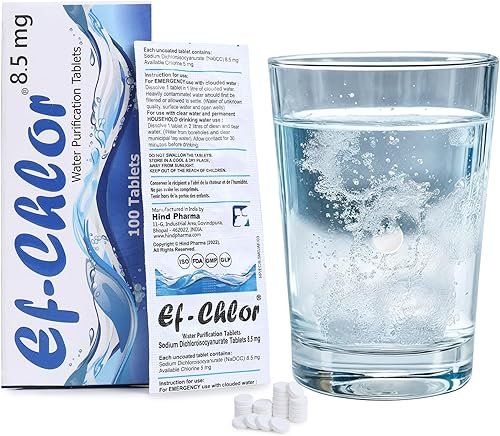
Ef-Chlor 8.5mg Tablets |
100 tablets. Treats 100-200L. NaDCC chlorine formula. | Travel, camping, emergency kits. | $14 |
Buy on Amazon Buy on eBay |
Aquatabs 50 Tablets |
50 tablets. Ready in 30 mins. | Quick disinfection for travel or emergencies. | $25 |
Buy on Amazon Buy on eBay |
Ef-Chlor 1.67gm Tablets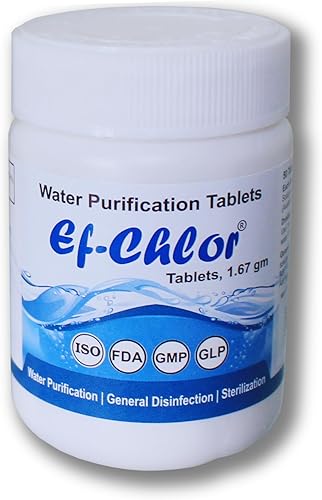 |
50 tablets. 1 tab treats 250-500L. | Bulk water tanks, disaster relief, farms. | $15 |
Buy on Amazon Buy on eBay |
Potable Aqua + PA Plus |
Two 50ct bottles. Neutralizes iodine taste. | Reliable emergency disinfection without aftertaste. | $38 |
Buy on Amazon Buy on eBay |
5-Layer Tap Filter (AliExpress)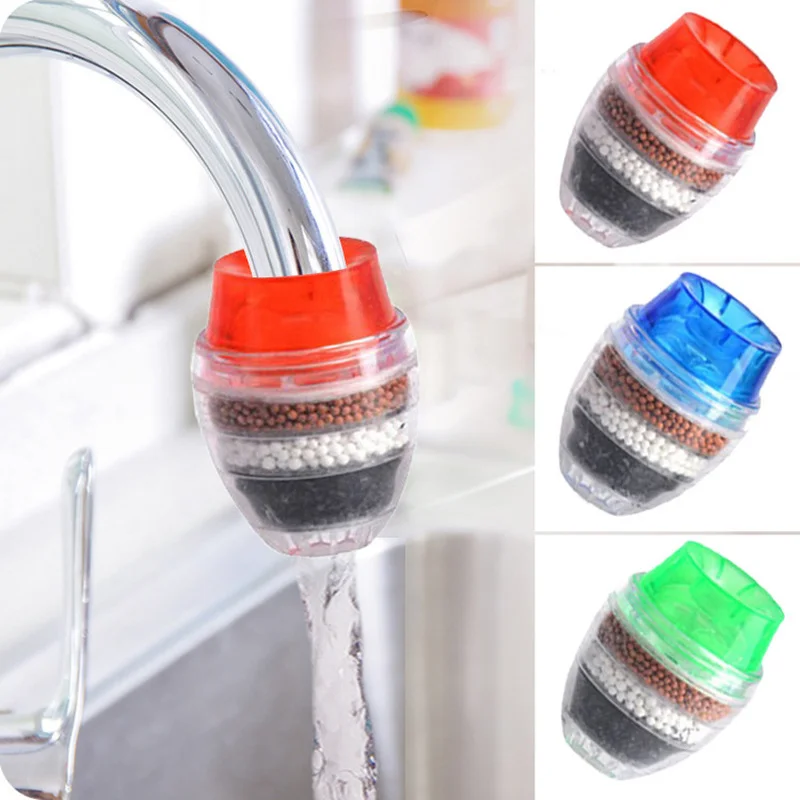 |
5-layer activated carbon. Faucet mount. | Ultra-budget taste & odor improvement. | $5.77 | Buy on AliExpress |
Electric Water Bottle Pump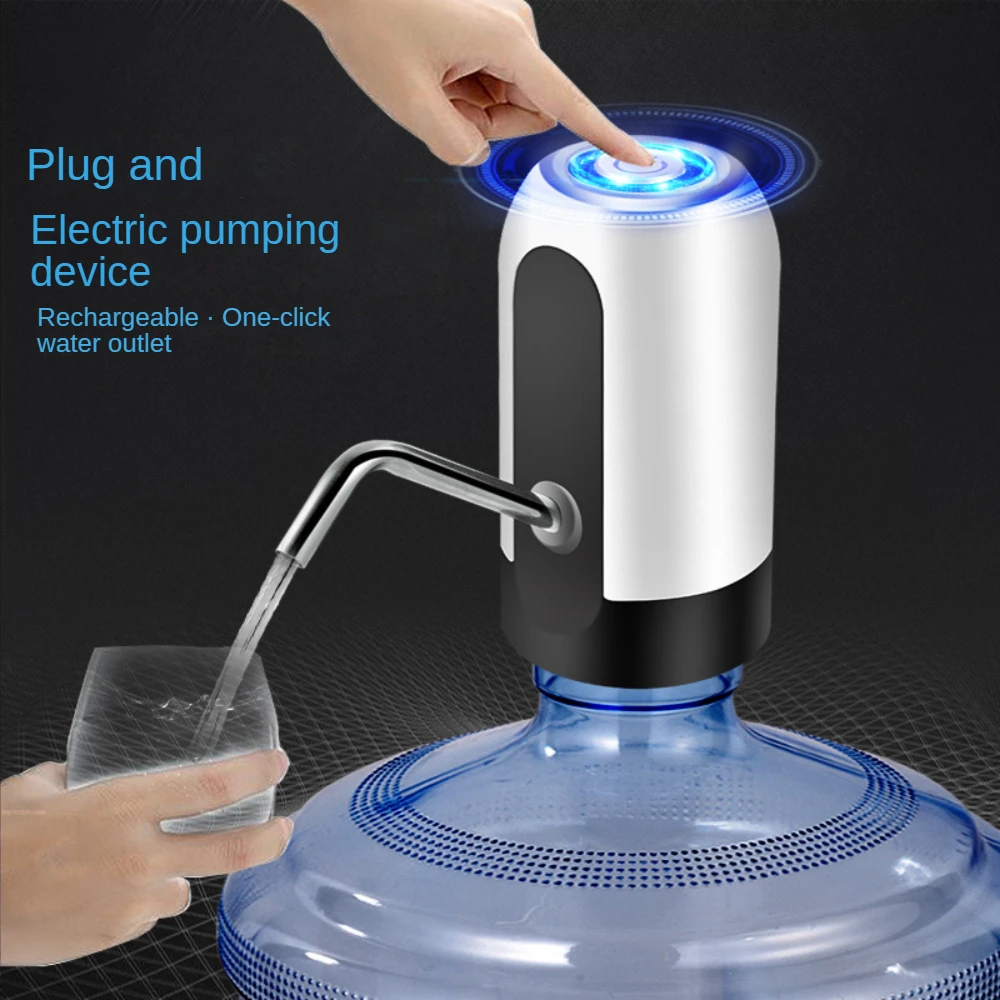 |
Rechargeable, portable dispenser. | Convenient dispensing from large jugs/tanks. | $15.48 | Buy on AliExpress |
Detailed Reviews
Ef-Chlor Water Purification Tablets 8.6mg – 100 Tablets
These are my go-to recommendation for an emergency kit. The NaDCC formula is more stable than plain chlorine bleach and doesn’t leave a strong taste if you follow the directions. Each tablet treats 1-2 litres, so a pack of 100 covers a family for a decent stretch. They’re not for daily use at home, but for camping or a disaster stash, they’re essential, cheap insurance.
- Extremely compact and lightweight
- Proven NaDCC formula used in global relief
- No aftertaste when used correctly
- Only treats bacteria/viruses, not chemicals or heavy metals
- Requires 30-minute wait time
Aquatabs Water Purification 50 Tablets
Aquatabs are a solid alternative to Ef-Chlor. They work fast—water is ready in 30 minutes. We’ve found them widely available and trusted by many outdoor enthusiasts. The 50-tablet pack is a good starter size for a weekend hike or a small emergency kit. They’re a bit more expensive per tablet than some competitors, but the reliability is there.
- Fast-acting (30 minutes)
- Also useful for disinfecting surfaces/tools
- Well-established brand
- Higher cost per treatment than Ef-Chlor
- Still just for microbial contamination
Ef-Chlor 1.67gm Water Purification Tablets – Pack of 50
This is the big brother to the 8.5mg version. One of these hefty tablets treats 250-500 litres of water in a storage tank. If you have a rural property with a rainwater tank, or you’re involved in community disaster preparedness, this is what you want. It’s a “drop-and-forget” solution for bulk water. The cost per litre treated is incredibly low.
- Incredible value for treating large volumes
- Ideal for overhead tanks and cisterns
- Simple, no-equipment-needed method
- Overkill for small, daily needs
- Must wait 30-45 minutes for full effect
Potable Aqua Water Purification Tablets with PA Plus
Potable Aqua has been around forever, and for good reason. The two-step process (purification tablet + PA Plus neutralizer) is a classic. The second tablet removes the iodine taste and color, which is a real game-changer for palatability. It’s a bit more fiddly than a single-tablet solution, but the result is cleaner-tasting water. A trusted name in the military and outdoor community.
- Eliminates iodine aftertaste effectively
- Proven, decades-long track record
- Two bottles provide a good supply
- Two-step process is less convenient
- Most expensive option in this list
5 Layers Activated Carbon Tap Filter (AliExpress Budget Pick)
Let’s be real: this $6 filter won’t perform miracles. But if your main complaint is chlorine taste and you’re on a tight budget, it’s a starting point. The five-layer carbon block should reduce chlorine and some sediment. We’d manage expectations—it’s not NSF certified and won’t touch lead or microbes. For a rental or a very temporary fix, it’s a cheap experiment. Check the 82.6% positive rating and read recent reviews.
- Extremely low upfront cost
- Easy faucet-mount installation
- May improve taste and odor
- No third-party certifications
- Filter life and actual performance unknown
- Unlikely to remove heavy metals
Rechargeable Electric Water Bottle Pump (AliExpress)
This isn’t a treatment device, but a dispensing tool—and a handy one. If you buy large 5-gallon jugs of purified water, this pump saves your back. It’s rechargeable, sits on top of the jug, and gives you a push-button stream of water. We see it as a quality-of-life upgrade for homes that rely on delivered water jugs. No more lifting and flipping heavy bottles.
- Eliminates heavy lifting of water jugs
- Rechargeable via USB
- Very affordable convenience upgrade
- Does not purify water
- Build quality may vary
Frequently Asked Questions
- Do I really need a home water treatment system?
- Maybe not. If you’re on a well-regulated municipal supply and your water tastes fine, you might be okay. But if you have old pipes, a private well, or specific health concerns, a targeted filter is a smart, proactive step. Test first.
- What’s the difference between a water filter and a water purifier?
- Generally, a filter reduces contaminants (like chlorine, lead, sediment) to safe levels. A purifier is designed to eliminate all pathogens (bacteria, viruses) to make water microbiologically safe. Many systems combine both functions.
- How often do I need to change my filter?
- It varies wildly by system and your water quality. A pitcher filter might last 40 gallons or 2 months. An under-sink carbon block might last 6-12 months. An RO membrane can last 2-5 years. Always follow the manufacturer’s schedule—overdue filters can become ineffective or even release trapped contaminants.
- Are cheap water filters from AliExpress safe?
- They can be a gamble. The major risk is the lack of independent certification (like NSF). The materials may not be food-grade, and the performance claims are unverified. For a primary drinking water source, we strongly recommend investing in a certified product. For a secondary faucet or a very tight budget, proceed with caution and read reviews.
- Can a water softener make my water safe to drink?
- No. A softener’s only job is to remove hardness minerals (calcium, magnesium). It does not remove bacteria, lead, chlorine, or other health-related contaminants. You often need a separate filter (like a carbon block) for drinking water after the softener.
- Is reverse osmosis water unhealthy because it removes minerals?
- This is a common debate. The minerals in water are a minor source compared to food. For the vast majority of people, the health benefit of removing contaminants like lead and arsenic far outweighs the loss of a small amount of dietary minerals. If concerned, choose an RO system with a remineralization stage.
Final Thoughts
Choosing a home water treatment system in 2026 doesn’t require a engineering degree. It requires a water test and some honest self-assessment. Start with the problem you’re trying to solve: bad taste, scale buildup, or genuine health concerns from a well. Don’t let a salesperson upsell you on a whole-house RO system if you just need a better-tasting glass of water from the kitchen tap.
For most people reading this, a quality, certified under counter filter with an activated carbon block will be the sweet spot of cost, performance, and convenience. And for peace of mind when you’re away from home or if the unexpected happens, keep a pack of those Ef-Chlor tablets in your go-bag. Clean water is fundamental. Get the right tool for your job.
