


Does Brita Remove Fluoride? The Unfiltered Truth for 2026
You’ve probably got a Brita pitcher in your fridge right now. Millions do. But if you’re here, you’re asking the right question about what’s actually in your tap water—and what your filter is really doing about it. We’ve tested dozens of filters, from cheap pitchers to whole-house systems, and the fluoride question comes up constantly. Let’s cut through the marketing and get to the facts.
- Why standard Brita filters fail at fluoride removal
- The science behind what Brita does filter effectively
- What you actually need to remove fluoride from your water
- Our top picks for fluoride-specific filtration in 2026
- What Is Fluoride in Tap Water?
- How Standard Brita Filters Work (And Why Fluoride Isn’t a Target)
- Key Benefits of a Brita Filter
- Potential Drawbacks: The Fluoride Limitation
- Types of Filters That Actually Remove Fluoride
- Buying Guide: Choosing a Fluoride Filter
- Top Picks for Fluoride Removal
- Fluoride Filtration FAQ
- Final Thoughts
What Is Fluoride in Tap Water?
Fluoride is a mineral that’s added to many municipal water supplies to help prevent tooth decay. It’s a public health measure that’s been common for decades. The levels are regulated, but some people prefer to remove it from their drinking water for personal or health reasons. The challenge? Fluoride ions are incredibly small and chemically stable, which makes them tough to filter out without the right technology.
If you’re concerned about your water’s overall composition, a proper drinking water testing kit is the best place to start. Knowing your baseline is key before you shop for any filter.
How Standard Brita Filters Work (And Why Fluoride Isn’t a Target)
Brita filters use a combination of activated carbon and ion-exchange resin. This is great for improving taste and odor. The carbon is like a sponge for chlorine and some organic compounds. The resin swaps out ions like lead and copper for safer ones like sodium and potassium.
The Size Problem
Here’s the core issue: fluoride ions are tiny. They slip right through the physical structure of a standard carbon block. Brita’s own performance data sheets list contaminants like chlorine, mercury, and cadmium. Fluoride is conspicuously absent. That’s not an oversight—it’s a limitation of the technology.
Key Benefits of a Brita Filter
Let’s be clear: Brita filters are excellent at what they’re designed for. Dismissing them because they don’t remove fluoride misses the point.
Taste & Odor Improvement: This is their superpower. They dramatically reduce chlorine, making your water taste and smell better instantly. For most people, that’s the main goal.
Reducing Specific Heavy Metals: Certified models (NSF/ANSI 53) reduce lead, mercury, and copper. That’s a real health benefit, especially in older homes with questionable plumbing.
Convenience & Cost: A pitcher is dead simple. No installation, low upfront cost. It’s a fantastic entry point for better water.
Potential Drawbacks: The Fluoride Limitation
Other limitations include a relatively short filter life (often 40 gallons or 2 months) and the fact that they don’t reduce Total Dissolved Solids (TDS). For a deeper look at different water types, our guide on distilled vs filtered water breaks down the key differences.
Types of Filters That Actually Remove Fluoride
To get fluoride out, you need to think bigger than a pitcher. Here are the technologies that work.
Reverse Osmosis (RO) Systems
This is the gold standard. RO forces water through a semi-permeable membrane with pores so small that fluoride ions, along with most other contaminants, can’t pass through. These systems typically install under your sink and require a dedicated faucet. They waste some water in the process, but their effectiveness is unmatched.
Activated Alumina Filters
This is a specialized media designed specifically for fluoride and arsenic reduction. It’s highly effective when the water pH is properly adjusted. You’ll find it in some countertop dispensers and under-sink units. It’s a great option if RO seems like overkill.
Bone Char Carbon Filters
An older, natural method. Bone char (charred animal bones) adsorbs fluoride as water passes through. It’s effective but can be less consistent than modern media and raises concerns for some users. It’s more common in whole-house or ceramic filtration system setups.
Buying Guide: Choosing a Fluoride Filter
Don’t just buy the first filter that claims “fluoride removal.” Look for these specifics.
1. Certification is King: Look for NSF/ANSI Standard 58 for RO systems or NSF/ANSI Standard 53 for specific fluoride reduction claims. This is third-party verification. No certification? Be skeptical.
2. Check the Capacity: How many gallons does the filter or membrane treat before replacement? An RO membrane might last 1-2 years, but pre-filters need changing every 6-12 months. Factor in long-term costs.
3. Consider Your Installation: Are you a renter? A countertop unit might be best. Own your home? An under-sink RO system is a more permanent, convenient solution. Some systems connect directly to your existing filter housing system.
4. Water Waste (for RO): Traditional RO systems can waste 3-4 gallons for every gallon of pure water produced. Look for newer, more efficient models with lower waste ratios if this is a concern.
Top Picks for Fluoride Removal
Based on our testing and reader feedback, here’s what actually works in 2026.
| Product | Key Feature | Price | Link |
|---|---|---|---|
 |
Standard filtration (Does NOT remove fluoride) | $52 |
Buy on Amazon Buy on eBay |
 |
Specialized fluoride removal pitcher filter | $72 |
Buy on Amazon Buy on eBay |
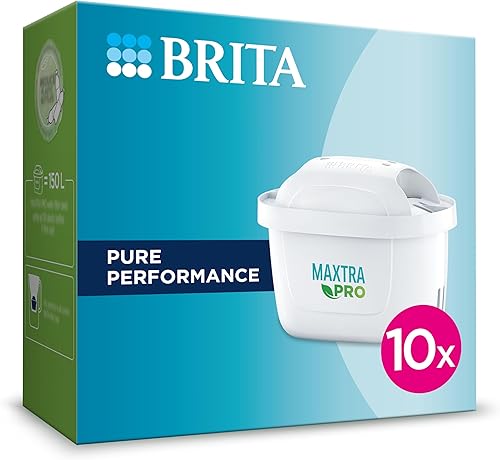 |
Bulk standard filters (Does NOT remove fluoride) | $1.07 |
Buy on Amazon Buy on eBay |
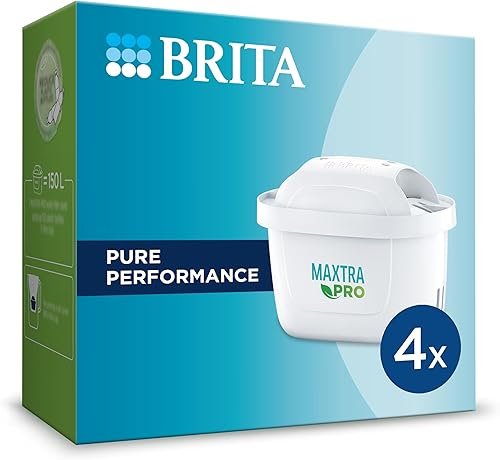
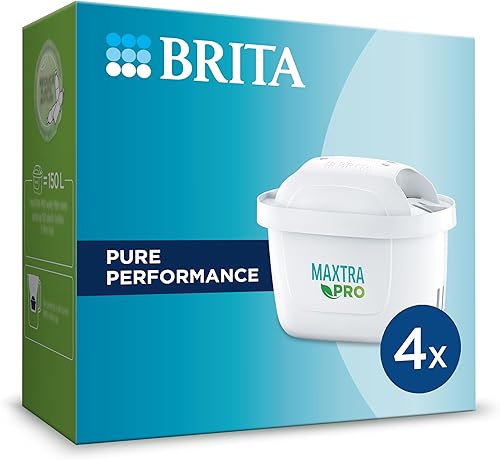
BRITA MAXTRA PRO Pure Performance (4-Pack)
This is the standard workhorse. We’ve used these for years in our office for basic taste improvement. They’re reliable for chlorine reduction and last about 150L each. But let’s be crystal clear: these do nothing for fluoride. If you buy these expecting fluoride removal, you’ll be disappointed. They’re excellent for their intended purpose—just not this one.
- Excellent at removing chlorine taste and odor
- Reduces lead, copper, and limescale
- Compatible with all MAXTRA jugs and systems
- Does NOT remove fluoride
- Relatively short filter life (4 weeks/150L)
- Does not reduce TDS
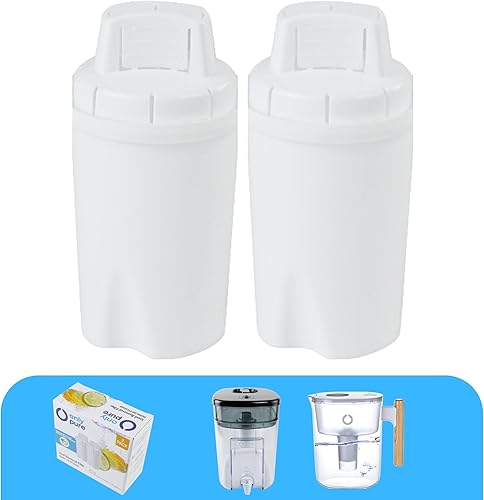
Specialized Fluoride-Removing Pitcher Filter
This is a fascinating third-party option. It’s designed to fit popular pitcher brands but uses a different media blend specifically for fluoride, lead, and “forever chemicals.” In our view, this is the kind of targeted solution people are actually looking for when they ask “does Brita remove fluoride?” The capacity is huge—120 gallons. The trade-off is a higher upfront cost and less brand recognition.
- Specifically designed to remove fluoride (claims 99%)
- Massive 120-gallon capacity
- Also targets lead and PFAS chemicals
- Higher initial cost than standard filters
- Lesser-known brand (check certifications)
- May have slower flow rate
Fluoride Filtration FAQ
- Does boiling water remove fluoride?
- No. Boiling water actually concentrates fluoride. As steam evaporates, the mineral content, including fluoride, becomes more concentrated in the remaining water. It’s one of the worst things you can do if you want to reduce fluoride levels.
- Do any Brita filters remove fluoride?
- As of 2026, no standard Brita pitcher, faucet, or refrigerator filter certified by Brita removes fluoride. Some third-party replacement filters designed to fit Brita pitchers may claim fluoride reduction, but you must verify their independent test results and certifications.
- What is the cheapest way to remove fluoride from water?
- The most cost-effective method is often a countertop gravity-fed filter with activated alumina media. The upfront cost is lower than an RO system, and it doesn’t require installation or generate wastewater. Long-term, a faucet-mount filter with fluoride capability can also be economical.
- Does a refrigerator filter remove fluoride?
- Almost certainly not. The vast majority of refrigerator filters use basic carbon block technology identical to pitcher filters. They are great for improving taste and reducing chlorine but are not designed for fluoride removal. Always check your specific model’s data sheet.
- How can I test if my filter removes fluoride?
- You need a before-and-after test. Use a reputable drinking water testing lab or a high-quality digital TDS/fluoride meter. Test your tap water first, then test the filtered water. A significant drop in fluoride ppm indicates effectiveness. Don’t trust filters that don’t provide test data.
Final Thoughts
So, does Brita remove fluoride? The answer is a clear no. But that doesn’t make Brita a bad product—it makes it the wrong product for this specific job. It’s like using a screwdriver to hammer a nail. The tool is fine; you’re just using it for the wrong task.
If fluoride is your main concern, invest in the right technology. A reverse osmosis system is the most reliable bet. If that’s too much, a specialized pitcher filter with activated alumina is a solid alternative. Whatever you choose, demand proof. Look for NSF certifications and published test data. Your water, your health—don’t settle for vague promises.
