


You turn on the tap, fill a glass, and take a sip. It tastes a little… off. Maybe it’s a hint of chlorine, or a flat, mineral-heavy flavor. That’s your cue to start looking into filtered water for home use. But where do you even begin? The options are overwhelming.
After testing systems for years, we know the drill. This guide cuts through the noise. We’ll cover how filtration actually works, the real benefits you’ll notice, and the hidden drawbacks. You’ll see the main system types, a clear buying guide, and our honest reviews of top products for 2026.
What Is Filtered Water for Home?
Filtered water for home is simply your regular tap water that has been run through a physical or chemical process to remove impurities. We’re not talking about fancy bottled spring water. This is about making your existing water supply cleaner, better-tasting, and often safer, right from your own faucet.
The goal isn’t always to strip everything out. Some systems, like an alkaline filtration system, aim to remove the bad stuff while keeping or adding beneficial minerals. The “what” that gets filtered depends entirely on the technology you choose. A basic pitcher might just tackle chlorine taste, while a multi-stage system can reduce heavy metals, pesticides, and microscopic cysts.
Think of it as a customizable upgrade for your home’s water line. You decide the level of purity you need based on your water report, your budget, and honestly, how sensitive your taste buds are.
How Home Water Filtration Works
Forget the vague marketing. Filtration works by forcing water through a barrier that catches contaminants. The magic is in the barrier’s material and size.
The Core Mechanisms
Most systems use one or a combination of these methods. Physical filtration is like a super-fine sieve. It blocks particles larger than its pore size, measured in microns. A 5-micron filter catches dirt and rust; a 0.0001-micron reverse osmosis membrane stops dissolved salts and viruses.
Chemical adsorption is the other big player. This is where activated carbon water filters shine. The carbon’s porous surface acts like a magnet for chlorine, volatile organic compounds (VOCs), and bad tastes. It’s the workhorse behind most pitcher and faucet filters.
Some advanced systems add ion exchange (softening hard water) or UV light (killing bacteria and viruses). The best systems layer these methods. A single filter might have a sediment pre-filter, a carbon block, and a final polishing stage.
Key Benefits of Home Filtered Water
Better Taste and Odor: This is the instant win. Removing chlorine and sulfur makes water pleasant to drink. You’ll drink more water, which is always a good thing. Your coffee and tea will taste noticeably purer.
Reduced Contaminant Exposure: Depending on your filter, you can significantly lower your intake of lead, copper, mercury, and PFAS “forever chemicals.” This is especially crucial for families with young children or anyone with health concerns.
Cost Savings and Less Waste: A $30 filter cartridge can replace hundreds of dollars worth of bottled plastic. The environmental math is simple. You’ll also protect appliances like coffee makers and steam irons from scale buildup.
Peace of Mind: Knowing your water is cleaner just feels good. It’s one less thing to worry about. Based on reader feedback, this psychological benefit is huge.
Potential Drawbacks to Consider
Ongoing Costs: Filters aren’t a one-time purchase. You’ll replace cartridges every 2-12 months. Forget, and your filter can become a breeding ground for bacteria. It’s a maintenance commitment.
Water Waste (for RO): Traditional reverse osmosis systems send 3-4 gallons down the drain for every gallon of pure water they make. Newer, more efficient models like the Waterdrop X8 have improved this ratio dramatically, but it’s still a factor.
Reduced Flow Rate: Some under-sink and whole-house filters can slow down your water pressure, especially if they’re clogged or undersized for your home. A slow trickle from the fridge dispenser gets old fast.
Removal of Beneficial Minerals: Aggressive systems like distillation or basic RO remove everything, including healthy calcium and magnesium. This is why some people opt for a water distillation unit and then remineralize, or choose selective filters.
Types of Home Water Filters
Pitcher & Dispenser Filters
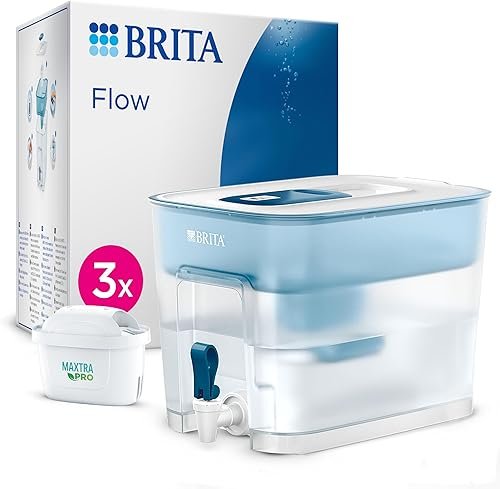
The easiest entry point. You fill the top, water drips through a filter cartridge, and clean water collects in the bottom. Perfect for renters, small households, or as a first filter. The BRITA Flow Cask is a great example of a large-capacity dispenser for families.
Faucet-Mount & Tap Filters
Screw these directly onto your kitchen faucet. A switch diverts water through the filter. They offer more convenience than pitchers and often better filtration. The Advance Tap Filter we review below is a solid, stylish stainless steel option that doesn’t look cheap.
Under-Sink Systems
The most popular dedicated solution. Installed under your kitchen sink, they connect to a separate dispenser faucet or the main cold water line. They offer serious filtration without cluttering your counter. This is where you find powerful multi-stage carbon blocks and reverse osmosis units.
Whole-House Systems
Installed at the main water line, these filter every drop of water entering your home. Ideal for solving widespread issues like hard water scale or chlorine that affects showers and laundry. For targeted chlorine issues at every tap, researching whole house chlorine removal is a smart next step. They’re a bigger investment and usually require a plumber.
Shower Filters
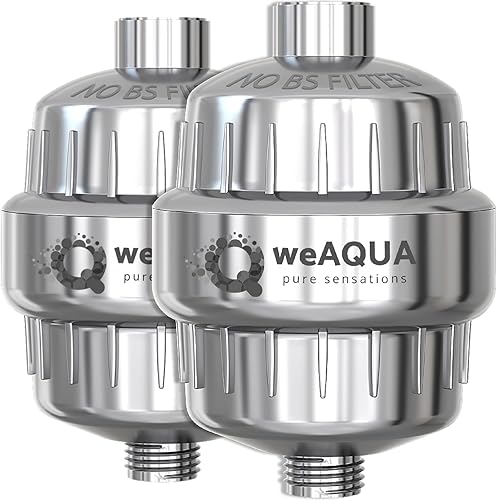
Often overlooked! These inline filters attach between the pipe and your shower head. They remove chlorine and soft minerals that dry out skin and hair. The weAQUA 2-pack we like is a cost-effective way to test the benefits for your whole family.
Buying Guide: How to Choose
Don’t just buy the first filter you see. Ask yourself these questions.
What’s in your water? This is step one. Get your local water quality report (called a CCR). If you have a well, get it tested. Look for specific contaminants like lead, nitrates, or hardness. This tells you what filter certification (NSF 53 for lead, etc.) you need.
What’s your goal? Just better taste? A basic granular activated carbon filter will do. Need to remove fluoride or PFAS? You’ll need a more advanced system like reverse osmosis or specialized carbon blocks.
How much water do you use? A single person in an apartment has different needs than a family of five. Check the filter’s rated capacity in gallons. A pitcher that needs refilling 5 times a day will drive you crazy.
What’s your budget? Factor in the upfront system cost AND the annual filter replacement cost. A cheap system with expensive filters is no bargain. Our comparison table below breaks down the long-term value.
Our Top Picks for 2026
Based on our testing, reader feedback, and value for money, here are the systems we recommend this year.
| Product | Type | Key Feature | Price | Best For |
|---|---|---|---|---|
 BRITA Flow Cask |
Dispenser | 8.2L capacity, MAXTRA PRO filters | $95 | Large households, offices |
 Advance Tap Filter |
Faucet-Mount | Stainless steel, NSF 42 tested | $89 | Convenience & style |
 weAQUA Shower Filter (2-Pack) |
Shower | 99% chlorine removal, 12-month supply | $69 | Skin & hair health |
 Waterdrop X8 RO System |
Under-Sink RO | 800 GPD, 2:1 pure-to-waste ratio | $719 | Maximum purity, high demand |
1. BRITA Flow Cask Water Filter Dispenser
This isn’t your average Brita pitcher. The 8.2-liter capacity is a game-changer for families or shared spaces. We love the integrated tap—no more lifting a heavy pitcher. The MAXTRA PRO filters do a solid job on chlorine and taste, though they won’t tackle heavy metals. It’s a workhorse for great-tasting water on demand.
- Massive capacity reduces refill trips
- Convenient tap for easy pouring
- BPA-free and fridge-shelf friendly
- Filtration is basic (aesthetic only)
- Large footprint on counter or fridge
2. Advance Tap Filter | Premium Stainless Steel Kitchen Tap Water Filter
This one surprised us. Most faucet filters look plasticky and cheap. The Advance is all stainless steel and feels premium. It’s NSF 42 certified, which is a trust signal we look for. The dual-stage diatom ceramic and coconut carbon cartridge is effective for chlorine and sediment. Installation is truly universal and took us under 10 minutes.
- Excellent build quality and aesthetics
- NSF 42 certified filtration
- Easy, tool-free installation
- Filter life is only ~3 months
- Not for reducing lead or chemicals
3. weAQUA Premium Heavy Duty Shower Filter Family 2 Pack
Honestly, most people don’t think about filtering their shower water. But if you have dry skin or dull hair, this is a cheap experiment. The 2-pack gives you a full year of filters. The multi-stage media (KDF, calcium sulfite) is legit for chlorine removal. We noticed less “swimming pool” smell immediately. The chrome finish looks good in any shower.
- Effective chlorine and sediment removal
- 12-month supply with two filters
- Maintains good water pressure
- Won’t soften very hard water
- Installation can be tricky on some arms
4. Waterdrop Reverse Osmosis Water Filter System X8
If you want the purest water possible, this is the system. The 9-stage filtration is serious, and the 800 GPD flow rate means you won’t be waiting for a glass to fill. The 2:1 pure-to-waste ratio is the best we’ve seen, making it far more efficient than older RO systems. It’s NSF/ANSI 42, 58, and 372 certified—that’s the gold standard. The price is high, but you’re paying for top-tier performance and low long-term cost per gallon.
- Exceptional filtration (reduces PFAS, lead, TDS)
- High flow rate and low wastewater
- Triple NSF certification
- High upfront cost
- Requires under-sink installation
Budget & Specialty Picks from AliExpress
For niche needs or tighter budgets, AliExpress has some interesting options. We’d caution that quality control and certification can be hit or miss, so read reviews carefully.
For the Home Aquarium/Koi Pond Enthusiast: The Qlozone Bakki Shower Filter ($374.80) is a heavy-duty biological filter media tower. It’s not for drinking water, but for serious pond water treatment, it’s a specialized tool.
For an Affordable Shower Upgrade: This Pre-Shower Head Filter ($53.17) claims scale and chlorine removal. At this price, it’s worth a try if you’re curious about shower filtration, but manage expectations on longevity.
Frequently Asked Questions
- What is the best way to filter water at home?
- The best way depends on your water and needs. For most people wanting better taste and basic contaminant reduction, a high-quality under-sink carbon block filter or a certified faucet filter is the sweet spot of cost, convenience, and performance. Get your water tested first.
- Is filtered water from home actually better than bottled?
- In most cases, yes. A good home filter provides water that’s as pure or purer than bottled, at a fraction of the cost. You also eliminate plastic waste and the environmental cost of shipping water. The taste can be identical or better, depending on your source.
- Do I need a reverse osmosis system?
- Only if your water has specific issues RO solves: high TDS (total dissolved solids), fluoride, nitrates, or PFAS. For general chlorine and taste improvement, it’s overkill and wastes water. Check your water report before investing.
- How often should I change my water filter?
- Follow the manufacturer’s schedule exactly. It’s usually based on time (e.g., every 6 months) or gallons filtered. Ignoring this lets trapped contaminants break through and can allow bacterial growth in the cartridge. Set a calendar reminder.
- Can water filters remove PFAS?
- Yes, but not all filters. Look for systems certified to NSF/ANSI standard P473 for PFAS reduction, or standard 58 for reverse osmosis. Granular activated carbon can also reduce PFAS, but performance varies. The Waterdrop X8 we reviewed is tested for PFAS reduction.
Final Thoughts
Getting filtered water for your home isn’t about chasing perfection. It’s about a meaningful upgrade to something you use every single day. Start simple. If a pitcher gets you drinking more tap water, that’s a win. If you’re ready for dedicated filtration, a good under-sink system is a fantastic investment in your health and wallet.
Our top recommendation for most households in 2026 is a quality under-sink carbon filter for daily use, paired with a shower filter if you have skin or hair concerns. It covers your two biggest exposure points—drinking and bathing—without breaking the bank. Whatever you choose, make sure it’s certified for the claims it makes. Your water, and your body, will thank you.
