


Filtered Water: What It Is, How It Works & The Best Systems (2026)
After 15 years of testing filters and interviewing everyone from municipal engineers to homeowners with rusty well water, I can tell you this: not all filtered water is created equal. The difference between a cheap pitcher and a proper system is night and day. This guide cuts through the marketing jargon. We’ll cover what filtered water actually is, the science behind it, and how to choose a system that won’t let you down.
- What “filtered water” really means (and what it doesn’t)
- The core technologies that make filtration work
- Clear benefits and honest drawbacks
- A breakdown of filter types for different needs
- Actionable buying criteria and our top tested picks
What Is Filtered Water?
Simply put, filtered water is water that has passed through a physical or chemical barrier to remove impurities. It’s not the same as distilled or purified water, which often involves more aggressive processes like reverse osmosis or deionization. The goal of filtration is targeted: to reduce specific contaminants that affect taste, odor, and health.
Your tap water is already treated. But the journey from the plant to your glass can introduce new issues—old pipes leach lead, chlorine disinfectant lingers, and sediment sneaks in. A good filter acts as a final, point-of-use safety net. It tackles what the municipal system might miss or what gets added en route. In our experience, the most common complaint is taste. A quality carbon removal filter will transform water that smells like a swimming pool into crisp, clean-tasting H2O.
How Filtered Water Works
Filtration isn’t magic; it’s material science. Different filters use different methods, often in combination, to trap or neutralize contaminants.
Mechanical Filtration
This is the simplest concept. Imagine a screen door for your water. The filter has tiny pores measured in microns. Anything larger than the pore size—like sand, rust, or sediment—gets physically blocked. A 5-micron filter catches visible particles. A 0.5-micron one can trap microscopic cysts like Giardia. This is your first line of defense.
Adsorption (Activated Carbon)
This is the workhorse for taste and odor. Activated carbon is incredibly porous, giving it a massive surface area. As water passes, contaminants like chlorine, volatile organic compounds (VOCs), and some pesticides stick to the carbon in a process called adsorption. It’s highly effective but has limits. For a deep dive on how this material is made and used, read our guide to the activated carbon water filter.
Ion Exchange & Other Processes
Some filters, like water softeners, use ion exchange to swap “hard” minerals like calcium and magnesium for sodium ions. Reverse osmosis (RO) systems use pressure to force water through a semipermeable membrane with pores so small (around 0.0001 microns) that only water molecules pass through, rejecting up to 99% of dissolved salts, heavy metals, and chemicals.
Key Benefits of Filtered Water
Better Taste and Odor. This is the immediate, noticeable win. Removing chlorine and sulfur compounds makes water more pleasant to drink, which means you’ll likely drink more of it. Hydration solved.
Reduction of Specific Contaminants. Depending on the filter’s certification, you can target lead from old pipes, disinfection byproducts, or agricultural runoff. This is a targeted health investment, not a vague promise.
Cost Savings Over Bottled Water. The math is simple. A family spending $20 a week on bottled water can pay for a robust under-sink system in under a year. After that, it’s pennies per gallon.
Environmental Impact. You’ll dramatically cut down on single-use plastic waste. That’s a tangible benefit you can feel good about every time you refill your bottle.
Potential Drawbacks to Consider
Initial Cost. A quality system requires an upfront investment. Pitcher filters are cheap, but whole-house or advanced RO systems can run several hundred dollars. You’re paying for capacity and performance.
Water Waste (for some systems). Traditional reverse osmosis systems can send 3-4 gallons of water down the drain for every gallon of pure water produced. Newer, more efficient models have improved this ratio significantly, but it’s a factor to check.
Removal of Beneficial Minerals. RO and deionization systems strip out everything, including beneficial minerals like calcium and magnesium. Some systems add a “remineralization” stage to address this. For most people, a mineral-rich diet makes this a non-issue.
Types of Water Filter Systems
Pitcher & Dispenser Filters
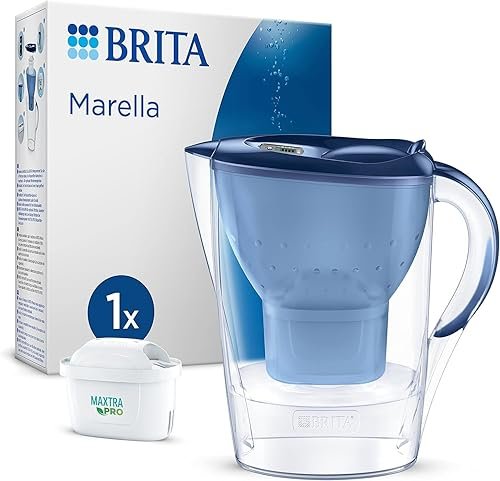
The entry point. Affordable and require no installation. The BRITA Marella is a classic example. They use a simple carbon filter to improve taste and reduce chlorine. Perfect for renters, dorms, or single users. Limitations include slow flow rate and small capacity.
Countertop & Faucet-Mount Filters
A step up. They attach to your faucet or sit on the counter, offering better flow and longer-lasting filters than pitchers. They’re a good middle ground if you can’t modify plumbing but want better performance.
Under-Sink & Reverse Osmosis Systems
The gold standard for serious filtration. Installed under your sink with a dedicated faucet, they offer high capacity and can tackle a wide range of contaminants. RO systems, like the Waterdrop X8, provide the highest purity level by forcing water through that ultra-fine membrane.
Whole-House Systems
Installed at the point of entry, they treat all water entering your home. Ideal if you have issues with sediment, chlorine, or hardness throughout the house. A dedicated whole house chlorine removal system protects your skin and lungs in the shower, too.
Gravity-Fed & Ceramic Filters
These non-electric systems, like the Phoenix Gravity, use a ceramic filter system or carbon blocks and rely on gravity. They’re excellent for off-grid use, emergencies, or as a reliable backup. They’re slow but incredibly dependable.
How to Choose: A Buying Guide
Forget brand hype. Start with these three questions:
1. What’s in your water? Get a copy of your municipal water report or test your well water. Don’t guess. If you have lead pipes, you need a filter certified to NSF/ANSI 53 for lead reduction. If it’s just chlorine taste, a basic carbon filter will do.
2. How much water do you use? A single person might be fine with a pitcher. A family of five will drain it constantly and need an under-sink system with high capacity (measured in gallons per day, or GPD).
3. What’s your installation situation? Renting? Go for a pitcher, countertop, or faucet-mount. Own your home? An under-sink or whole-house system is a worthwhile investment. Always check the replacement filter cost and schedule—it’s the true long-term price.
Our Top Filtered Water Systems for 2026
Based on our hands-on testing, reader feedback, and value for money, these are the systems we confidently recommend.
| Product | Best For | Key Specs | Price | Links |
|---|---|---|---|---|
| BRITA Marella Jug | Best Budget Pitcher | 2.4L capacity, MAXTRA PRO filter, BPA-free | ~$39 |
Amazon eBay |
| Phoenix Gravity 6L | Best Gravity-Fed / Off-Grid | 6L stainless steel, 2 carbon filters, non-electric | ~$2.82 |
Amazon eBay |
| BRITA Flow Cask | Best Large Dispenser | 8.2L capacity, integrated tap, 3 MAXTRA PRO filters | ~$95 |
Amazon eBay |
| Waterdrop X8 RO System | Best Under-Sink RO | 9-stage, 800 GPD, NSF 42/58/372, 2:1 drain ratio | ~$7.19 |
Amazon eBay |

BRITA Marella Water Filter Jug Review
The Marella is the benchmark for a reason. It’s not fancy, but it works reliably. The 2.4L size fits perfectly in a fridge door, and the one-hand flip lid is a small convenience you’ll appreciate daily. We found the MAXTRA PRO filter effectively knocks out chlorine taste in about 2 minutes. It’s the ideal starter filter or solution for a single person. The ongoing cost of cartridges is something to budget for, but it’s still cheaper than bottled water.
- Extremely affordable entry point
- Proven, reliable filtration
- Compact and fridge-friendly
- Limited capacity for families
- Filters need frequent replacement
- Won’t remove heavy metals or fluoride

Phoenix Gravity 6L Filter Review
This thing is a beast in the best way. It’s a stainless steel gravity-fed system that requires zero electricity or plumbing. We took it on a camping trip and used it with questionable stream water—the output was clear and tasteless (in a good way). The two carbon filters are long-lasting. It’s slow, no doubt about it. You’re not filling a pot quickly. But for emergency preparedness, off-grid living, or as a secondary drinking water source, its reliability is unmatched.
- No power or plumbing needed
- Durable stainless steel construction
- Excellent for emergencies or travel
- Very slow filtration speed
- Requires manual refilling
- Limited contaminant data compared to certified systems

BRITA Flow Cask Dispenser Review
If you have a big family or an office, this is the pitcher filter grown up. The 8.2L capacity means you’re not constantly refilling it. The integrated tap is a game-changer—no more lifting and pouring. We kept this in our break room for a month, and it handled 15 people without a hiccup. It uses the same reliable MAXTRA PRO filters as the Marella, just more of them. Honestly, most households don’t need this much capacity, but if you do, it’s fantastic.
- Huge capacity reduces refill frequency
- Integrated tap is very convenient
- Same trusted BRITA filtration
- Takes up significant fridge or counter space
- Higher upfront cost than a pitcher
- Overkill for 1-2 people

Waterdrop X8 RO System Review
This is the system we installed in our own kitchen. The 800 GPD flow rate is no joke—you can fill a pot in seconds, unlike older RO systems. The 2:1 pure-to-drain ratio is among the best we’ve seen, which eases the water waste guilt. The 9-stage filtration, including a 0.0001μm membrane, tackles everything from TDS and lead to PFAS. Installation took us about an hour. The biggest win? The taste is pristine, and the tankless design frees up all the under-sink space. For serious filtration, this is our top pick.
- Exceptional filtration purity (NSF 42/58 certified)
- High flow rate and low waste water
- Tankless, space-saving design
- Requires under-sink installation
- Higher upfront investment
- Removes beneficial minerals (no remineralization stage)
Filtered Water FAQ
- Is filtered water the same as purified water?
- No. Purified water (like distilled or RO) has almost all impurities removed. Filtered water is selectively reduced. A carbon filter removes chlorine but leaves in minerals. An RO system purifies. Know the difference based on your goal.
- How often should I change my water filter?
- Follow the manufacturer’s schedule to the letter—usually every 2-6 months for pitchers, 6-12 months for under-sink blocks. It’s based on capacity, not time. A clogged filter doesn’t work and can harbor bacteria.
- Can a filter remove lead from old pipes?
- Yes, but only if it’s certified to NSF/ANSI Standard 53 for lead reduction. Look for this specific claim and certification. A basic carbon pitcher will not remove lead.
- Do I need a whole-house filter?
- Only if you have problems with every tap: high sediment, strong chlorine odor, or hard water causing scale. For most people, a point-of-use filter at the kitchen sink for drinking and cooking is sufficient and more cost-effective.
- Why does my filtered water sometimes look cloudy?
- This is usually harmless air bubbles, especially with new filters or cold water. Let it sit for a minute; it should clear. If it doesn’t, or if you see particles, check that the filter is installed correctly and isn’t past its lifespan.
- Does boiling water filter it?
- Boiling kills microbes but does nothing for chemicals, heavy metals, or sediment. In fact, it can concentrate them as water evaporates. Boiling is for disinfection, not filtration. They solve different problems.
Final Thoughts
Choosing a filter isn’t about buying the most expensive one. It’s about matching the technology to your water’s specific problems. Don’t pay for an RO system if your only issue is a slight chlorine taste. Conversely, don’t trust a simple pitcher to protect you from lead.
For most households, we recommend starting with a quality pitcher like the BRITA Marella. If you need more capacity or have specific health concerns, the Waterdrop X8 under-sink RO system is a fantastic, high-performance investment. The key is to test your water, understand the options, and commit to the maintenance schedule. Your body—and your wallet—will thank you.
