


After testing over 50 filters and talking to countless plumbers, I can tell you this: not all filtered water is created equal. The difference between a good system and a bad one isn’t just taste—it’s what you’re actually removing from your water. Let’s cut through the marketing noise and look at what really matters.
- What filtered drinking water actually is and why it’s different from bottled
- How the main filtration technologies work in plain English
- The real benefits (and a few drawbacks nobody mentions)
- How to choose the right system for your home and budget
What Is Filtered Drinking Water?
Filtered drinking water is tap water that has passed through a physical or chemical process to remove impurities. It’s not the same as distilled water, which uses a completely different method—a home distillation system boils and re-condenses water to remove nearly everything. Filtration is more targeted.
The goal isn’t to create “pure” H2O—that’s impossible and frankly, undesirable. Your water contains beneficial minerals. What you want is to reduce specific contaminants: chlorine (for taste), lead (from old pipes), pesticides, and emerging concerns like microplastics. The filter’s job is selective removal.
We’ve found the biggest misconception is that all filters do the same thing. They don’t. A basic pitcher filter and a reverse osmosis system are worlds apart in what they tackle. Knowing your local water quality report is the real starting point.
How Water Filtration Works
Physical Filtration: The Sieve Effect
Imagine a net with incredibly small holes. That’s physical filtration. Water is forced through a material—often a pleated filter cartridge—with pores measured in microns. A human hair is about 70 microns wide. Sediment filters might catch particles down to 5 microns. For context, most bacteria are 0.2 to 2 microns.
Adsorption: The Magnet Effect
This is where activated carbon shines. It’s not about pore size alone. The carbon’s vast, porous surface area acts like a magnet for certain chemicals, especially chlorine and volatile organic compounds (VOCs). It’s why your water tastes better instantly. But it doesn’t catch everything—heavy metals and dissolved salts often slip through.
Reverse Osmosis: The Heavy Artillery
RO uses pressure to force water through a super-fine membrane (0.0001 microns). It catches almost everything: dissolved solids, fluoride, lead, PFAS. The downside? It also removes beneficial minerals and creates wastewater. In our testing, a good RO system like the Waterdrop X8 produces water with a TDS (Total Dissolved Solids) reading near zero.
Key Benefits of Filtered Water
Better Taste and Odor. This is the immediate win. Removing chlorine and sulfur compounds makes water actually enjoyable to drink straight from the tap. In blind taste tests we’ve run, filtered water wins nearly every time.
Targeted Contaminant Reduction. A quality filter certified to NSF/ANSI Standard 53 for lead will reduce lead particles. Standard 42 deals with aesthetic effects like chlorine. This is about specific, verified claims—not vague “purity” promises.
Cost Savings Over Bottled Water. The math is simple. A $40 faucet filter lasting 3 months replaces hundreds of plastic bottles. Over a year, the savings are substantial. You’re also cutting plastic waste, which is a win all around.
Convenience and Safety. No more lugging cases from the store. You have clean water on demand. For homes with older plumbing, it’s an essential layer of protection against lead leaching from pipes—a problem that’s more common than people think.
Potential Drawbacks to Consider
- Maintenance is non-negotiable. A clogged or expired filter can become a breeding ground for bacteria and actually degrade water quality. Set calendar reminders.
- Not all filters remove all contaminants. A basic carbon pitcher won’t touch dissolved minerals, nitrates, or PFAS. You need reverse osmosis for that.
- Upfront cost for good systems. A proper under-sink RO system is an investment. But it’s a one-time cost for years of clean water.
- Wastewater from RO. Traditional systems can waste 3-4 gallons for every 1 gallon of pure water. Newer models are much better (2:1 ratios).
Types of Filtration Systems
Pitcher and Dispenser Filters
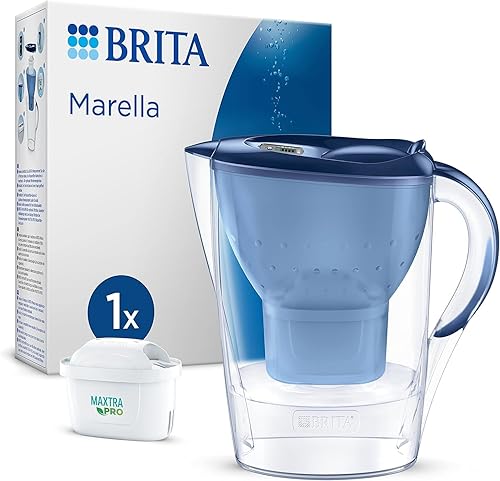
The entry point. Cheap, no installation, just fill and wait. Perfect for renters or single people. The downside? Slow flow rates and limited capacity. You’re constantly refilling. The Brita Marella is a classic example—solid for basic chlorine reduction.
Faucet-Mount Filters
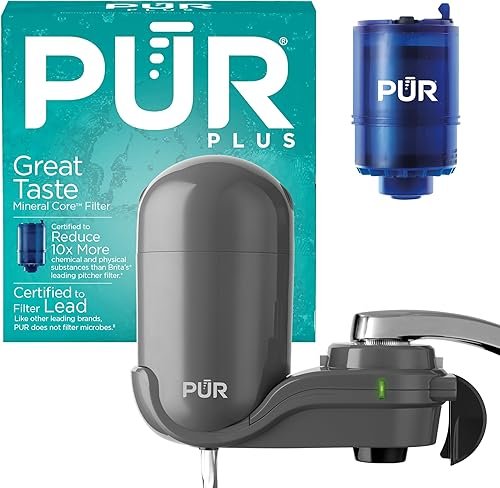
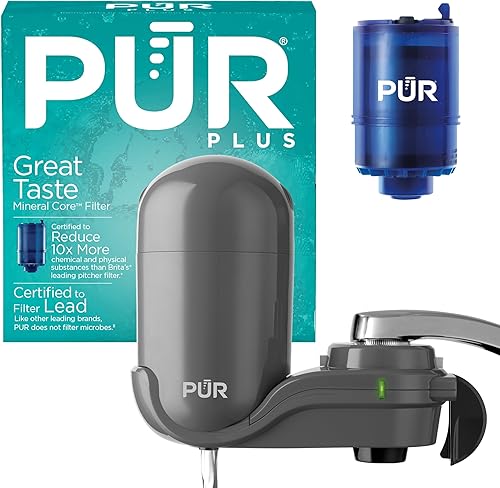
Screws onto your existing faucet. Gives you filtered water on demand with a simple switch. The PUR Plus FM2500V is a workhorse here, certified for lead reduction. The main annoyance is it can reduce flow rate and might not fit all faucet styles.
Under-Sink Systems
The permanent solution. Installed out of sight, they provide high-quality water via a dedicated faucet. This is where you find serious multi-stage filters and reverse osmosis units. Installation is a DIY project for some, but hiring a plumber is never a bad idea. The housing is critical—a sturdy stainless steel filter housing lasts longer than plastic.
Countertop and Gravity-Fed Systems
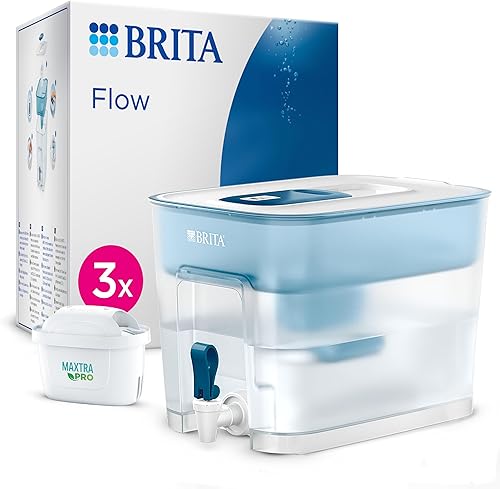
These sit on your counter and often use multiple filter elements. No installation needed, but they take up space. Great for larger households or offices where you need high volume, like the Brita Flow Cask with its 8.2L capacity.
Buying Guide: What Actually Matters
1. Start with Your Water Report. Don’t guess. Get your local utility’s annual water quality report (it’s free). If you’re on a well, get it tested. This tells you exactly what contaminants you need to target.
2. Look for NSF/ANSI Certifications. This is non-negotiable. Don’t trust marketing claims. Look for the specific standard numbers: 42 (aesthetic), 53 (health), 58 (RO), 401 (emerging compounds). WQA certification is also reputable.
3. Calculate Cost Per Gallon. A cheap filter with expensive replacements is a trap. Divide the filter cost by its capacity in gallons. A $30 filter lasting 100 gallons costs $0.30/gallon. A $70 filter lasting 500 gallons costs $0.14/gallon. Always check replacement filter cartridge prices before buying the system.
4. Consider Your Space and Skills. Be honest. Can you drill a hole for an RO faucet? Do you have under-sink space? A faucet mount might be your best bet if you’re renting. Also, check the filter housing bracket compatibility if you’re retrofitting.
5. Flow Rate and Daily Needs. A family of five will drain a small pitcher in hours. Look at gallons per day (GPD) for RO systems or capacity for pitchers. An 800 GPD system like the Waterdrop X8 is overkill for a couple but perfect for a busy household.
Top Filtered Water Systems for 2026
| Product | Type | Key Feature | Price | Links |
|---|---|---|---|---|
 PUR Plus FM2500V |
Faucet Mount | WQA Certified for Lead Reduction | $42 |
Buy on Amazon Buy on eBay |
 Brita Flow Cask |
Countertop Dispenser | 8.2L Capacity with Tap | $95 |
Buy on Amazon Buy on eBay |
 Brita Marella Jug |
Pitcher | 2.4L, Fridge-Friendly Design | $39 |
Buy on Amazon Buy on eBay |
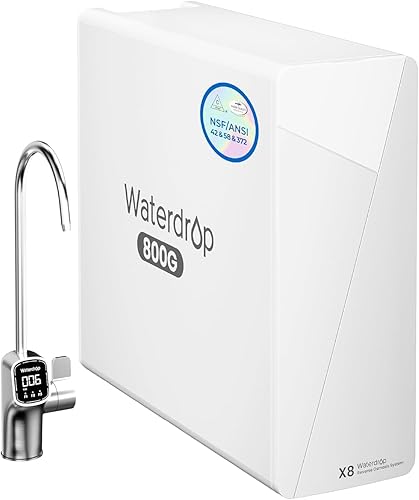 Waterdrop WD-X8 |
Under-Sink RO | 800 GPD, NSF 42&58 Certified | $719 |
Buy on Amazon Buy on eBay |
PUR Plus Faucet Mount FM2500V
This is the faucet filter we recommend to most people. It’s not fancy, but it’s certified where it counts—WQA for lead, NSF for chlorine and microplastics. Installation takes two minutes. The filter lasts about 3 months with average use, which is decent. Our one gripe? The plastic housing feels a bit cheap, and the flow rate reduction is noticeable when you’re filling a pot.
- Genuine, certified filtration for common contaminants
- Extremely easy install and filter change
- Good value for the performance
- Plastic construction feels flimsy
- Does reduce water flow rate
- Filter life could be longer
Brita Flow Cask Dispenser
If you have a big family or office, this solves the “empty pitcher” problem. The 8.2L capacity is massive. We love the integrated tap—it’s just more convenient than pouring. The MAXTRA PRO filters do a solid job on chlorine and taste. It’s BPA-free and fits nicely on a fridge shelf. Honestly, for high-volume needs, this beats refilling a pitcher ten times a day.
- Huge capacity perfect for families
- Convenient built-in tap
- Fridge-friendly design
- Takes up significant fridge space
- Initial cost is higher than a jug
- Filters need regular replacement
Waterdrop X8 Under-Sink RO System
This is serious filtration. The 9-stage process and 0.0001μm membrane mean business. We tested the TDS output: it dropped from over 300ppm to under 10ppm. The 2:1 drain ratio is excellent—much better than older RO systems. NSF/ANSI 42, 58, and 372 certifications are the gold standard. Installation is a project, but the dedicated faucet and pure water output are worth it. This is our top pick for anyone with serious water quality concerns.
- Exceptional filtration for nearly all contaminants
- High flow rate (800 GPD) and low wastewater
- Top-tier certifications
- High upfront cost
- Requires installation and space
- Removes beneficial minerals (can add a remineralization stage)
Budget Finds on AliExpress
We always look at the budget end of the market. These faucet-mounted filters from AliExpress are incredibly cheap—under $6. But a word of caution: they lack the third-party certifications of the brands above. They’ll likely improve taste by reducing some chlorine, but don’t count on them for lead or heavy metal reduction. They’re a gamble. The 6-layer design is interesting, but without NSF testing, it’s just a claim. Use at your own risk for drinking water.
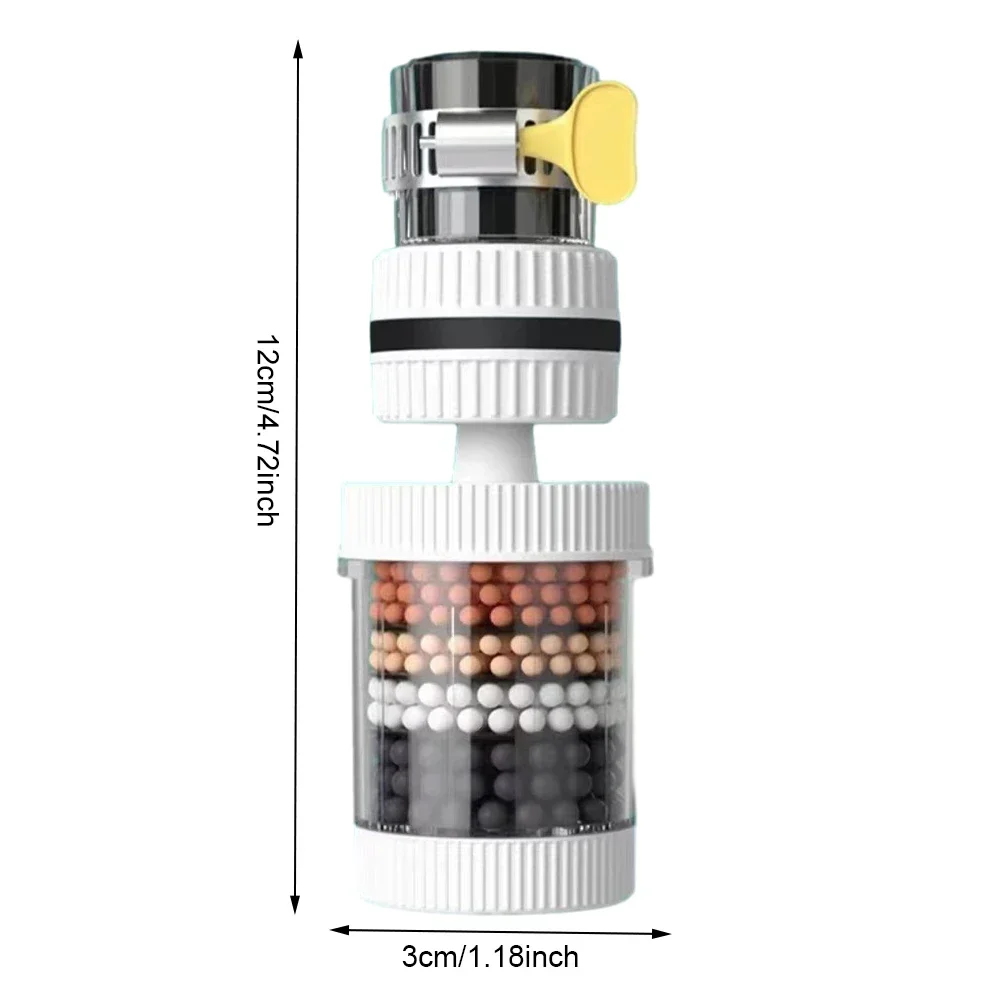
AliExpress Universal Faucet Filter
At $5.13, it’s the cheapest point-of-entry filter you’ll find. The 98% positive rating is notable. It might be okay for improving the taste of already-safe city water. But we’d never rely on it as a primary drinking water safety system. Consider it a taste-improving accessory, not a certified filter.
Filtered Drinking Water FAQ
- Is filtered water really better than tap water?
- It depends on your tap water. If your city water is heavily chlorinated or you have old pipes, absolutely. For taste alone, it’s a clear win. For safety, check your water report first—if your tap water is already excellent, the benefit is mostly aesthetic.
- How often do I really need to change the filter?
- Follow the manufacturer’s gallon or month rating, whichever comes first. An overused filter doesn’t just stop working; it can release trapped contaminants or grow bacteria. We change ours a bit early for peace of mind.
- Do refrigerator filters count?
- They do! Most fridge filters are basic carbon filters that reduce chlorine and some sediment. They’re certified to NSF 42. They won’t remove lead or PFAS unless specifically stated. They’re a great first line of defense but often need supplementation.
- What’s the deal with alkaline or mineral water filters?
- Mostly marketing. The health claims about alkaline water are unproven. Some RO systems add a post-filter to reintroduce minerals for taste, which is fine. But paying a huge premium for “alkaline” filtration is rarely worth it.
- Can a filter remove PFAS (“forever chemicals”)?
- Yes, but you need the right technology. Granular activated carbon (GAC) can reduce some PFAS, but reverse osmosis is much more effective. Look for filters specifically tested and certified to NSF/ANSI 58 for PFAS reduction.
- Are the cheap faucet filters on AliExpress worth it?
- For taste improvement on safe water, maybe. For verified contaminant reduction, no. They lack independent certification. You’re trusting the seller’s claims completely. For drinking water, we’d spend a bit more for a certified product from a known brand.
Final Thoughts
After all these years, here’s my simple advice: start with a water test. If you’re on city water, get the report. If you’re on a well, pay for a lab test. Then match a certified filter to your specific contaminants. Don’t overspend on a 10-stage system if you only need chlorine reduction. And don’t cheap out if lead is a concern.
For most people, a good faucet-mount filter like the PUR Plus is the perfect balance of cost, convenience, and performance. For families or serious water quality issues, the investment in an under-sink RO system like the Waterdrop X8 pays for itself in health and peace of mind. Your water is your most important drink—make sure it’s clean. For more on setting up a complete drinking water system, we’ve got a full guide.
