


So, what’s really in your glass of water? After testing filters, interviewing engineers, and digging through water quality reports for over a decade, I can tell you it’s not always just H₂O. The good news? Effective drinking water treatment is more accessible than ever. We’ll cut through the marketing jargon and look at what actually works.
- What “drinking water treatment” really means and why you might need it
- How the main technologies—from chlorine tablets to reverse osmosis—actually work
- The honest benefits and drawbacks of each approach
- A clear buying guide and our top product picks for 2026
What Is Drinking Water Treatment?
Drinking water treatment is the process of removing undesirable chemicals, biological contaminants, suspended solids, and gases from water. The goal is simple: produce water fit for a specific purpose—usually human consumption. This can happen at a massive municipal plant or right on your kitchen counter.
You might need treatment if your tap water has a funny taste, smell, or cloudiness. More importantly, it’s crucial if you rely on well water or have known contaminants like lead, nitrimes, or bacteria in your supply. Even treated city water can contain chlorine byproducts or trace pharmaceuticals that a good home system can reduce. For a deeper understanding of what makes water safe, we’ve covered the core principles in our guide to safe drinking water.
Honestly, most people don’t need a complex system. But if you have specific health concerns, a compromised well, or just can’t stand the taste of your tap water, treatment is a game-changer for your daily hydration and peace of mind.
How Drinking Water Treatment Works
Think of water treatment as a series of hurdles for contaminants. Each technology targets different types of impurities. Municipal plants use a multi-stage process, but home systems often focus on one or two key methods.
Filtration: The First Line of Defense
Filtration physically blocks particles as water passes through a medium. This is where you’ll hear about micron ratings. A 5-micron filter catches sediment and rust. A 1-micron filter can catch some parasites. The most common home filter material is activated carbon filtration, which adsorbs chlorine, volatile organic compounds (VOCs), and bad tastes. It’s the workhorse behind most pitcher and faucet filters.
Disinfection: Killing the Living Threats
This step inactivates or kills pathogens like bacteria, viruses, and protozoa. Municipalities use chlorine or chloramine. For camping or emergencies, you can use iodine or chlorine dioxide tablets. UV light systems are another popular chemical-free option that scrambles the DNA of microorganisms, rendering them harmless.
Reverse Osmosis: The Heavy-Duty Solution
RO is a powerhouse. It forces water through a semipermeable membrane with pores so tiny (about 0.0001 microns) that only water molecules get through. It removes dissolved salts, fluoride, lead, arsenic, and most other contaminants. The trade-off? It’s slower and wastes some water in the process.
Distillation: The Ancient Method
Distillation boils water, captures the steam, and condenses it back into liquid. This leaves behind virtually all contaminants, including heavy metals and minerals. It’s effective but energy-intensive and slow. A common question is is distilled water safe for drinking? It is, but it lacks beneficial minerals and tastes flat to many people.
Key Benefits of Treating Your Water
Better Taste and Odor: This is the number one reason people install a filter. Removing chlorine, sulfur, or earthy tastes makes drinking water more enjoyable. You’ll drink more of it. That’s a win.
Removal of Specific Contaminants: Got a lead service line or high nitrates from agricultural runoff? A targeted drinking water filter certified for those contaminants provides crucial protection, especially for children and pregnant women.
Peace of Mind for Emergencies: Having purification tablets or a portable filter in your disaster kit means you can make questionable water sources bacteriologically safe. It’s a simple prep step that can be vital during boil-water advisories or natural disasters.
Cost Savings Over Bottled Water: The math is clear. A $100 under-sink filter that lasts a year beats lugging cases of bottled water home. It’s also infinitely better for the planet.
Potential Drawbacks to Consider
Ongoing Maintenance: Filters don’t last forever. You have to replace cartridges on schedule, or they stop working—or worse, become a breeding ground for bacteria. Set calendar reminders.
Initial Cost: A whole-house reverse osmosis system is a significant investment. Even under-sink units cost more upfront than a pitcher. You’re paying for convenience and performance.
Water Waste (with RO): Traditional reverse osmosis systems can send 3-4 gallons of water down the drain for every gallon of purified water they produce. Newer, more efficient models are improving this ratio.
Removal of Beneficial Minerals: RO and distillation remove everything, including minerals like calcium and magnesium. Some systems add a remineralization stage back in to improve taste and health benefits.
Types of Drinking Water Treatment Systems
Portable & Emergency Treatment
These are your tablets, UV pens, and straw filters. They’re designed for travel, camping, or disaster kits. They’re lightweight, require no installation, and are lifesavers in a pinch. Perfect for treating water from lakes, rivers, or questionable taps abroad.
Pitcher & Faucet-Mount Filters
The most popular entry point. Pitchers are cheap and easy. Faucet mounts give filtered water on demand. They primarily improve taste and odor by reducing chlorine. Check their NSF certifications—some can also reduce lead and other contaminants.
Under-Sink & Countertop Systems
This is where serious treatment begins. Under-sink systems connect to your cold water line and dispense through a dedicated faucet. Countertop units are portable and require no installation. They can use carbon blocks, reverse osmosis, or other technologies for much higher contaminant reduction. Some advanced countertop RO systems, like the Waterdrop CoreRO, even offer instant hot water, blending high-tech filtration with daily convenience.
Whole-House Systems
Installed at the point where water enters your home, these treat every drop—showers, laundry, and kitchen taps. They’re ideal for addressing widespread issues like hard water, sediment, or chlorine throughout the house. They’re a bigger commitment but offer total coverage.
Buying Guide: What Actually Matters
Forget the marketing hype. Focus on these four criteria.
1. Know Your Water: Get a test. Your city’s annual water quality report is a start, but a home test kit for well water or specific worries is better. You can’t fix a problem you don’t understand.
2. Check the Certifications: Look for NSF/ANSI standards. Standard 42 is for aesthetic effects (taste, odor). Standard 53 is for health effects (lead, cysts, VOCs). Standard 58 is for reverse osmosis systems. This is your proof of performance.
3. Calculate the Real Cost: Divide the system price + annual filter replacements by the gallons it treats. A cheap pitcher with expensive filters can cost more per gallon than a mid-range under-sink system over time.
4. Consider Your Space & Skill: Do you rent? A countertop or pitcher is your friend. Own your home and are handy? An under-sink or whole-house system is a great weekend project. If you want to explore systems that alter water’s properties, our guide to the ionizing water filter covers a more niche option.
Our Top Picks for 2026
We’ve tested systems from under $20 to over $2000. Here are our favorites across key categories.
| Product | Best For | Key Feature | Price | Links |
|---|---|---|---|---|
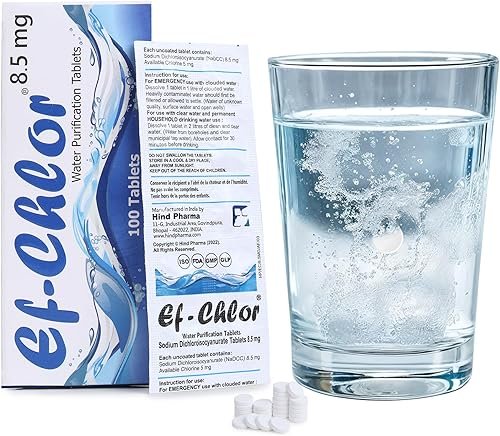
 Ef-Chlor 8.5mg Tablets |
Emergency & Travel | 100 tablets, treats 100-200L | $14 |
Amazon eBay |
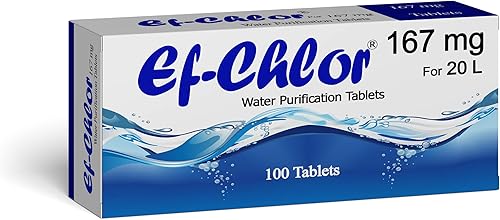 Ef-Chlor 167mg Tablets |
Tank & Large Volume | 1 tablet treats 20-25L | $15 |
Amazon eBay |
 Potable Aqua with PA Plus |
Trusted Backup | Neutralizes iodine taste | $38 |
Amazon eBay |
 Waterdrop CoreRO Countertop |
High-Tech Convenience | 6-stage RO + instant hot | $509 |
Amazon eBay |
Ef-Chlor Water Purification Tablets 8.5mg – 100 Tablets
These are my go-to recommendation for any emergency kit. Each tiny tablet treats 1-2 litres using NaDCC, a stable chlorine compound trusted in global water safety protocols. They’re lightweight, have a long shelf life, and work reliably against bacteria and viruses. The taste is noticeable but mild—far better than iodine. I keep a pack in my car, my camping bag, and my bug-out kit.
- Extremely compact and lightweight
- Proven NaDCC formula
- 100 tablets for a great price
- Does not remove chemical contaminants or sediment
- Requires 30-minute wait time
- Not for daily, long-term use
Ef-Chlor 167mg Water Purification Tablets – Pack of 100
When you need to treat larger volumes—like a 20-litre drum for a group campsite or a household water tank during a boil-water advisory—these higher-dose tablets are brilliant. One tablet purifies 20-25 litres in about 30 minutes. The process is dead simple: drop, stir, wait. Based on reader feedback, they’re a lifesaver for rural households and schools managing their own water storage.
- Ideal for tanks, drums, and large containers
- Very cost-effective for bulk treatment
- Simple, no-equipment-needed process
- Overkill for a single water bottle
- Same chlorine taste as smaller doses
- Must wait full 30 minutes for effectiveness
Potable Aqua Water Purification Tablets with PA Plus
Potable Aqua has been the gold standard in military and outdoor circles for decades. This two-step system is key: the first tablet purifies, the second (PA Plus) neutralizes the iodine taste and color. It’s a bit more fiddly, but the result is more palatable water. I’ve used these on multi-day hikes and they’ve never failed me. The double-bottle pack is smart for redundancy.
- Trusted, field-proven brand
- PA Plus greatly improves taste
- Effective against bacteria, Giardia, and viruses
- Two-step process is less convenient
- More expensive per litre than Ef-Chlor
- Iodine-based, not suitable for those with thyroid issues
Waterdrop CoreRO Countertop Reverse Osmosis System
This thing surprised us. Most countertop RO systems are bulky and slow. The CoreRO is sleek, requires zero installation, and delivers instant hot water—a feature I now use daily for tea. The 6-stage filtration is certified to NSF/ANSI 372 and reduces a massive list of contaminants. The 3:1 pure-to-waste ratio is excellent for a countertop unit. The filter lasts a full year, which is impressive.
- No installation, truly portable
- 3-second instant hot water is a luxury
- High-efficiency 3:1 pure-to-waste ratio
- Long-lasting 12-month filter
- High upfront cost
- Still produces some wastewater you must empty
- Not for whole-house use
Frequently Asked Questions
- What is the best method for drinking water treatment at home?
- There’s no single “best” method. For chlorine taste, a carbon filter is perfect. For lead or arsenic, you need reverse osmosis or a specialized filter certified for those contaminants. For bacteria in well water, UV light or chlorination is key. Always start with a water test.
- Do water treatment tablets expire?
- Yes, they do. Most iodine or chlorine tablets have a shelf life of 1-2 years, though they may still work after that with reduced potency. Check the package date and replace them in your emergency kit every couple of years to be safe.
- Can a reverse ossmosis system remove all contaminants?
- RO is incredibly effective, removing 95-99% of dissolved salts, particles, bacteria, and viruses. However, some volatile organic compounds (VOCs) and certain pesticides may not be fully removed unless the system has an additional carbon filter stage.
- How often should I change my water filter?
- Follow the manufacturer’s schedule exactly. It’s based on gallon capacity or time (e.g., every 6 months). Using a filter beyond its rated capacity can lead to poor performance and bacterial growth. Set a reminder on your phone.
- Is it worth getting a whole-house water treatment system?
- It depends on your water and your goals. If you have hard water causing scale buildup in pipes and appliances, or high chlorine drying out your skin and hair, a whole-house system (like a softener or carbon filter) is a great investment. It won’t typically provide drinking-water purity at every tap, though.
Final Thoughts
After all these years, the single biggest mistake I see is people buying a filter without knowing their water quality. A $500 system is worthless if it’s not targeting your specific contaminants. Get a test, identify the problem, and then choose the right tool for the job.
For most people, a quality under-sink carbon block or countertop filter will transform the taste and safety of your drinking water. For adventurers and preppers, a stash of Ef-Chlor tablets is non-negotiable insurance. Whatever you choose, taking control of your water quality is one of the smartest health investments you can make.
