


You turn on the tap every day. But what’s actually in that glass? After testing water from dozens of homes and interviewing treatment plant operators, I can tell you: the answer varies wildly. This guide cuts through the noise. We’ll look at what defines quality, how to check yours, and the real steps to improve it.
- What Is Drinking Water Quality?
- How Water Quality Is Measured & Treated
- Key Benefits of Knowing Your Water
- Potential Drawbacks & Common Myths
- Types of Water Sources & Contaminants
- Buying Guide: How to Test & Improve Your Water
- Top Picks: Test Kits & Bottled Water
- Frequently Asked Questions
- Final Thoughts
What Is Drinking Water Quality?
It’s not just about taste. “Quality” refers to the chemical, physical, and biological makeup of your water. Is it free from harmful bacteria? Does it contain lead from old pipes? How much chlorine is left over from municipal treatment? These factors determine if your water is truly safe drinking water.
Here’s the thing most people miss: “Safe” and “pleasant” are two different goals. Your tap water might meet all legal safety standards but still taste or smell of chlorine. It could be perfectly clear but contain dissolved minerals that scale up your kettle. Understanding quality means looking at both health risks and aesthetic factors.
How Water Quality Is Measured & Treated
Your water goes on a long journey before it hits your glass. Treatment plants do the heavy lifting, but your home’s plumbing has the final say.
The Municipal Treatment Process
Water from a reservoir or river gets filtered, disinfected (usually with chlorine or chloramine), and tested before it enters the distribution system. The goal is to kill pathogens and meet regulatory standards. But the process can leave byproducts, and disinfectant levels can vary by the time water reaches your home.
Point-of-Entry vs. Point-of-Use
This is a crucial distinction. Whole-house (point-of-entry) systems treat all water coming into your home, protecting pipes and appliances. But for drinking and cooking, you want a point-of-use filter at the tap. These are more targeted. For example, a dedicated chlorine removal filter under your sink can vastly improve taste without treating every shower.
Understanding Filtration Methods
Different technologies tackle different problems. Activated carbon is great for chlorine and organic compounds. A carbon block filter offers finer sediment removal than granular carbon. For dissolved solids and heavy metals, you need reverse osmosis or distillation. An automatic water distiller boils and condenses water, leaving nearly all contaminants behind. For bacteria and cysts, ceramic filtration with tiny pores is a physical barrier.
Key Benefits of Knowing Your Water
Health Protection: The obvious one. Identifying lead, nitrates, or arsenic lets you take action before long-term exposure becomes a problem.
Better Taste & Smell: Removing chlorine, sulfur, or metallic tastes makes water more enjoyable. You’ll drink more of it, which is a win.
Appliance Longevity: Hard water scale destroys kettles, coffee makers, and water heaters. Knowing your hardness level lets you soften the water and save money on replacements.
Informed Choices: You’ll stop overpaying for bottled water you don’t need. Or you’ll realize your tap water is fine and a simple pitcher filter is enough. Data beats guesswork.
Potential Drawbacks & Common Myths
The Bottled Water Trap: Many assume bottled is safer. In reality, it’s often just filtered tap water in a plastic bottle. The regulations aren’t stricter—they’re different. And the environmental cost is massive.
Over-Filtering: You can strip water too bare. Reverse osmosis removes beneficial minerals. Some systems waste gallons of water for every gallon they purify. Match the filter to your actual problem.
“My City Water is Perfect”: The water leaving the plant might be. But it can pick up contaminants from miles of aging pipes, especially lead in older homes built before the 1980s. Your home’s plumbing is the final, unmonitored step.
Types of Water Sources & Contaminants
Source Types
Municipal/City Water: Treated and regulated. Main concerns are disinfection byproducts, chlorine/chloramine taste, and lead from service lines or home solder.
Well Water: Private and unregulated by the EPA. You’re the operator. Common issues include bacteria, nitrates (from agriculture), heavy metals like arsenic, and extreme hardness.
Common Contaminant Categories
Physical: Sediment, rust, turbidity. Affects clarity. Fixed by sediment filters.
Chemical: Chlorine, lead, pesticides, VOCs, fluoride. Require carbon, RO, or specialized media.
Biological: Bacteria, viruses, cysts like Giardia. Need UV light, sub-micron ceramic, or absolute 1-micron filters.
Buying Guide: How to Test & Improve Your Water
Step one is always testing. Don’t guess.
Start with Your Utility’s Report: By law, they must provide an annual Consumer Confidence Report. It tells you what’s in the source water and any violations. Grab it. But remember, it doesn’t cover your home’s pipes.
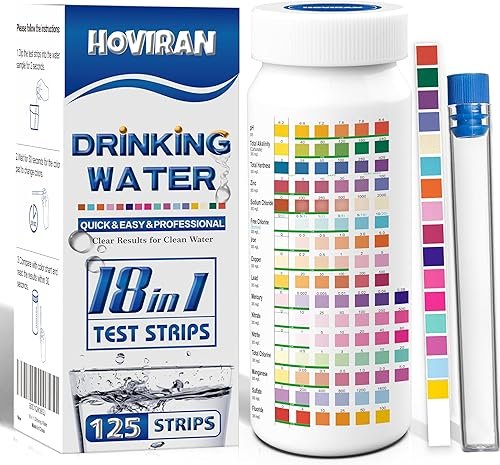
Test at the Tap: This is non-negotiable. Use a reputable lab test for a full analysis, or start with a good multi-parameter test strip kit for a snapshot. The strips we review below are great for initial screening of hardness, chlorine, pH, and metals.
Match the Filter to the Contaminant: Saw high chlorine? A basic carbon block filter is perfect. Found lead? You need a system certified specifically for lead reduction (NSF/ANSI 53). High hardness? A water softener is the answer, not a drinking filter.
Check Certifications: Look for NSF/ANSI Standards 42 (aesthetic effects), 53 (health effects), and 58 (for reverse osmosis). This is your guarantee the filter does what it claims.
Top Picks: Test Kits & Bottled Water
Based on our hands-on testing and reader feedback, here are reliable products for checking and supplementing your water quality.
| Product | Key Features | Price | Links |
|---|---|---|---|
18-in-1 Water Test Strips |
Tests 18 parameters including lead, hardness, chlorine, nitrate. 125 strips per bottle. Fast results in under a minute. | $27 |
Buy on Amazon Buy on eBay |
SJWAVE 16-in-1 Test Kit |
Reliable 2-minute results for 16 parameters. Includes a helpful ebook. Good for well water screening. | $26 |
Buy on Amazon Buy on eBay |
Mount Franklin Spring Water 8×1.5L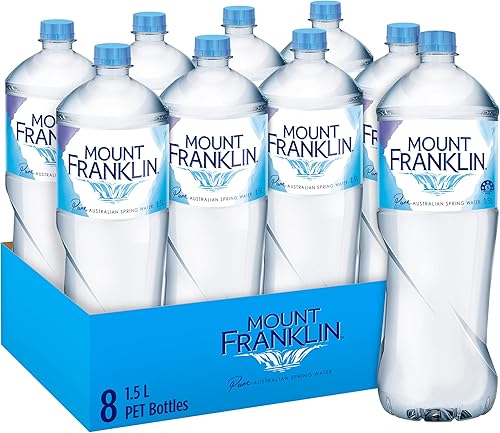 |
Sourced from selected springs. A trusted brand for consistent taste. Good for emergencies or when you need guaranteed quality. | $16 |
Buy on Amazon Buy on eBay |
Frantelle Spring Water 24x600ml |
Pure natural spring water. Convenient small bottles for travel or lunchboxes. Budget-friendly bulk pack. | $12 |
Buy on Amazon Buy on eBay |
BPA-Free Sports Water Bottle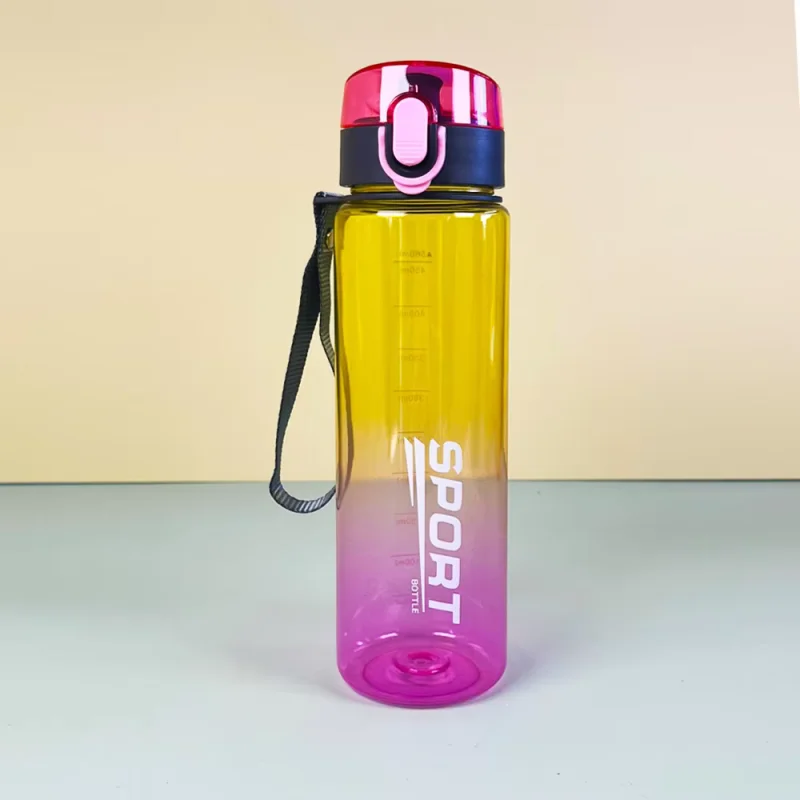 |
Leak-proof, portable. 400ml/560ml capacity. Perfect for carrying your filtered water on the go. | $6.56 | Buy on AliExpress |
Pet Drinking Water Filter |
Hanging cage design for pet bowls. Quick-disassembly for cleaning. Filters tap water for your furry friends. | $10.45 | Buy on AliExpress |
18-in-1 Water Test Strips (125ct)
This is our top pick for a first test. Why? It covers the widest range of critical parameters—from lead and copper to hardness and nitrate—all in one dip. We found the color chart clear and results consistent across three separate tests. For under $30, it gives you a fantastic baseline of what’s in your water before you invest in a filter.
- Tests 18 key parameters
- Includes heavy metals like lead
- 125 strips is great value
- Fast, 60-second results
- Not a lab-certified test
- Color matching can be subjective
SJWAVE 16-in-1 Drinking Water Test Kit
A close second. The SJWAVE kit is incredibly user-friendly, with a clear manual that makes testing less intimidating. We appreciated the included ebook—it actually explains what the results mean in plain language. It misses a couple of the parameters the 18-in-1 kit tests for (like manganese), but for core safety and aesthetic checks, it’s reliable and fast.
- Very easy to follow instructions
- Helpful educational ebook
- Good for school projects
- Tests pH, lead, iron, chlorine
- Slightly fewer parameters than the top pick
- Strips can be sensitive to moisture
Mount Franklin Spring Water Multipack
Let’s be honest: for daily drinking, filtered tap water is cheaper and more sustainable. But we keep a case of Mount Franklin in the garage. Why? For power outages, camping trips, or when we’re testing a new filter and want a clean baseline taste to compare against. It’s consistently clean-tasting spring water. Don’t make it your everyday habit, but it’s a smart backup.
- Reliable, consistent taste
- Trusted brand for a reason
- Convenient large bottles
- Good emergency supply
- Expensive for daily use
- Plastic bottle waste
Frequently Asked Questions
- How often should I test my drinking water?
- For city water, an annual test with strips is a good check. Test immediately if you notice a change in taste, odor, or color. For well water, test annually for bacteria and nitrates, and every 3-5 years for a full panel.
- What’s the most important contaminant to test for?
- It depends on your situation. For homes with young children, lead is the top priority. For rural wells, nitrates and bacteria are critical. For everyone, chlorine/chloramine levels and hardness are the most common issues affecting daily life.
- Do water filter pitchers actually work?
- Yes, but with limits. They use activated carbon to improve taste and reduce chlorine. Good ones (like those with NSF 53 certification) can also remove some lead. But they won’t soften water or remove all contaminants. They’re a great first step.
- Is hard water bad for my health?
- No. Hard water (high in calcium and magnesium) isn’t a health risk. In fact, it contributes to your dietary mineral intake. The drawbacks are scale buildup in appliances and that “scum” on tea. A softener solves the practical problems.
- What does “NSF Certified” mean on a filter?
- It means an independent lab verified the filter reduces the specific contaminants it claims to. NSF/ANSI 42 covers aesthetic effects like taste. NSF/ANSI 53 covers health effects like lead reduction. Always look for this certification.
- Can I just boil my water to make it safe?
- Boiling kills bacteria, viruses, and cysts. It does NOT remove chemical contaminants like lead, chlorine, or pesticides. In fact, boiling can concentrate them by evaporating some water. It’s a disinfection method, not a filtration method.
Final Thoughts
After years of testing, here’s my straightforward advice: start with a test kit. The 18-in-1 strips we recommend are a cheap, easy first step. Knowledge is power. Once you know what’s in your water, you can make a smart, targeted decision—not a fear-based one.
For most people on municipal water, a quality under-sink carbon block filter will solve 90% of taste and odor issues and remove common contaminants. Don’t overcomplicate it. Your goal isn’t “pure” water (that doesn’t exist naturally); it’s water that’s safe and pleasant to drink. Test, filter, and enjoy.
