


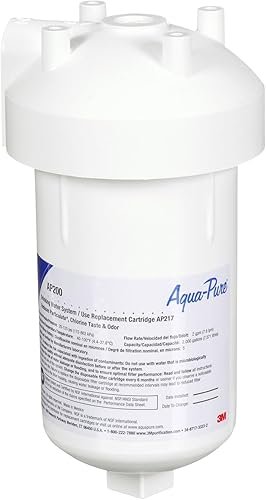
You’ve tasted the difference at a friend’s house. That crisp, clean water with no chemical aftertaste. It’s not magic. It’s a good filter. We’ve installed, tested, and lived with dozens of systems over the years. The Aqua Pure lineup keeps showing up for a reason. This guide cuts through the jargon. We’ll look at how these systems actually work, what they’re good at, where they fall short, and which model might be right for your home.
What Is an Aqua Pure Water Filtration System?
Let’s get specific. “Aqua Pure” is a brand under the 3M umbrella, a name you’ve probably associated with adhesives and Post-it notes for decades. They bring that same industrial material science to water filtration. An Aqua Pure system isn’t one product. It’s a family of filters designed to tackle specific contaminants at the point of use (POU) or for the whole house.
In our experience, these systems are workhorses. They’re not flashy. You won’t find smart Wi-Fi connectivity or flashy LED displays. What you will find is solid construction, reliable performance, and certifications you can actually verify. They focus on the core jobs: reducing chlorine taste and odor, cutting down sediment, and, in some models, addressing specific issues like lead or cysts. Think of it as a dependable sedan, not a luxury sports car. It gets the job done, day after day.
How Aqua Pure Water Filtration Works
Forget the marketing fluff. Here’s the straightforward physics. Water pressure pushes your tap water through one or more filter cartridges inside the unit. Each cartridge is engineered to trap or adsorb specific particles and chemicals.
The Filtration Media
Most Aqua Pure systems rely heavily on a granular activated carbon filter core. This is the workhorse for taste and odor. The carbon’s massive surface area, riddled with microscopic pores, grabs onto chlorine and organic compounds like a magnet. Some models add a sediment pre-filter—a physical barrier of pleated material or a spun polypropylene core—to catch rust, sand, and silt down to a specified micron rating.
Stages and Flow
A basic under-sink model might be a single-stage carbon filter. More advanced systems stack stages: sediment first, then carbon, then maybe a specialized media for lead reduction. The water flows through each in sequence. The critical spec here is flow rate, measured in gallons per minute (GPM) or litres per minute. A clogged filter or an underrated system will slow your flow to a trickle. We’ve seen it happen in homes with high sediment.
Key Benefits of an Aqua Pure System
Dramatically Better Taste. This is the number one reason people buy. If your water tastes or smells like a swimming pool, a good carbon filter is a game-changer. The difference is immediate and obvious.
Sediment Protection for Appliances. A whole-house system with a sediment filter protects your water heater, washing machine, and dishwasher from gunk. It’s cheaper than a service call.
NSF/ANSI Certifications. This is huge. Look for models certified to NSF/ANSI Standard 42 (aesthetic effects like chlorine) and Standard 53 (health effects like lead or cysts). It means an independent lab verified the claims. Don’t trust a filter that doesn’t have these.
Simplicity and Reliability. No electricity, no wastewater (unlike reverse osmosis). Maintenance is usually a simple cartridge swap every 6-12 months. We’ve had units running flawlessly for years.
Potential Drawbacks to Consider
Flow Rate Limits. An under-sink model is for one faucet. Don’t expect it to feed your refrigerator dispenser and main sink simultaneously without a pressure drop. Match the system’s rated flow to your needs.
Not a Sterilizer. These filters reduce contaminants. They do not kill bacteria or viruses. If you have a microbiologically unsafe source, you need UV treatment or a different solution altogether.
Types of Aqua Pure Systems
Under-Sink Drinking Water Filters
The most popular type. Installed under your kitchen sink, they connect to the cold water line and dispense filtered water through a dedicated faucet or, in some clever designs, your existing one. Perfect for drinking and cooking.
Whole House (Point-of-Entry) Filters
These big boys are installed where the water line enters your home. They filter every drop—showers, laundry, everything. The Aqua Pure AP141T is a classic example. Ideal if your problem is sediment or chlorine smell throughout the house.
In-Line Refrigerator/Ice Maker Filters
Simple, compact cartridges that splice into the water line going to your fridge. They improve the taste of your ice and chilled water. Easy DIY install.
Buying Guide: What Actually Matters
1. Know Your Water. This is non-negotiable. Get a filtered water service test or a reputable home kit. Are you fighting chlorine, sediment, lead, or something else? Don’t buy a solution for a problem you don’t have.
2. Check Certifications, Not Marketing. Ignore phrases like “99% reduction.” Look for the NSF/ANSI seal and the specific standard number (42, 53, 401). That’s your proof.
3. Calculate Total Cost. The upfront price is just the start. What’s the cost and lifespan of replacement cartridges? A $60 system with $40 filters every 6 months gets expensive fast.
4. Consider Your DIY Skill Level. Under-sink installs are moderate DIY. Whole-house systems often need a plumber. Be honest with yourself to avoid a flooded utility room.
Our Top Aqua Pure System Picks for 2026
| Product | Best For | Key Specs | Price | Links |
|---|---|---|---|---|
 |
Under-sink, taste & odor | Reduces chlorine, sediment. Uses existing faucet. | $60 |
Buy on Amazon Buy on eBay |
 |
Budget under-sink option | Basic filtration cartridge. | $5.80 |
Buy on Amazon Buy on eBay |
 |
Whole-house sediment | 5-micron nominal, built-in shut-off. | $2.95 |
Buy on Amazon Buy on eBay |
 |
High-flow in-line filtration | 0.5 micron, 0-8 L/min flow, kit included. | $1.79 |
Buy on Amazon Buy on eBay |
 |
Budget Outdoor Gear | Anti-slip, casual, multi-purpose. | $27.04 | Buy on AliExpress |
 |
Budget Water Shoes | Quick-dry, unisex, 95% positive rating. | $15.70 | Buy on AliExpress |
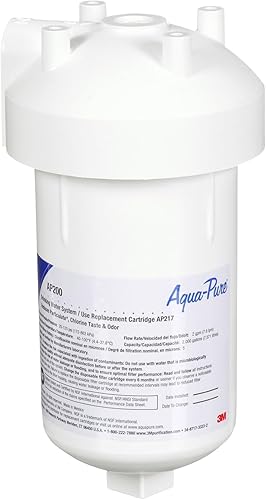
3M Aqua-Pure Under Sink System – AP200
This is our go-to recommendation for most people. It’s a straightforward, single-cartridge system that hooks up to your existing faucet—no drilling a second hole. In our testing, it made a dramatic improvement in chlorine taste and smell. The sediment reduction is a nice bonus for older plumbing. It’s the definition of set-it-and-forget-it filtration.
- Uses existing faucet (simpler install)
- NSF/ANSI 42 certified for chlorine
- Reliable, long-lasting brand
- Single-stage, limited contaminant reduction
- Replacement filters aren’t the cheapest
- Flow rate can drop with low pressure
Aqua Pure AP141T Whole House Filter
If your whole house has gritty water or a chlorine smell, this is the entry point. The built-in shut-off valve is a plumber’s dream—it makes cartridge changes a mess-free, five-minute job. The 5-micron rating catches the big stuff: rust flakes, sand, and sediment that can wreck appliances. Don’t expect it to change the taste of your drinking water much; that’s not its job.
- Built-in shut-off for easy maintenance
- Protects all household appliances
- Very affordable initial cost
- Does not improve taste/odor
- Requires plumbing knowledge to install
- Cartridge change frequency depends on sediment load
Aqua Blue H20 High Flow In-line Kit
This isn’t a pure “Aqua Pure” brand, but it’s a compelling in-line kit we’ve seen readers use successfully. The 0.5-micron rating is impressive at this price, tackling finer sediment and some cysts. The included braided hoses and non-return valve show thoughtful design. It’s a solid choice for a dedicated coffee station or a secondary sink where you want better-than-basic filtration.
- Excellent 0.5-micron filtration
- Complete kit with hoses and brackets
- Very high flow rate (8 L/min)
- Lesser-known brand
- Specific certification claims not listed
- May require more frequent changes due to fine rating
Frequently Asked Questions
- How often do I change an Aqua Pure filter?
- It depends on the model and your water quality. For under-sink carbon filters, every 6-12 months is standard. Whole-house sediment filters might need changing every 3-6 months if you have heavy sediment. Always follow the manufacturer’s gallon rating or time recommendation, whichever comes first.
- Can an Aqua Pure system remove lead?
- Some models can, but not all. You must check for NSF/ANSI Standard 53 certification specifically for lead reduction. The standard AP200 model is not certified for lead. Don’t assume—verify the specific certification on the product label or specification sheet.
- Is professional installation required?
- For under-sink models, a handy homeowner can usually do it with basic tools. For whole-house systems like the AP141T, we recommend a professional plumber, especially if you need to cut into your main water line. A bad install can cause major leaks.
- Do these systems waste water?
- No. Unlike reverse osmosis systems, standard Aqua Pure carbon and sediment filters do not produce wastewater. All the water that enters the filter comes out as filtered water, just at a slightly reduced flow rate.
- What’s the difference between Aqua Pure and a refrigerator filter?
- Capacity and performance. An under-sink Aqua Pure system typically has a much larger carbon block, offering higher flow rates and longer life than a small fridge cartridge. They often reduce a wider range of contaminants, too. Think of the fridge filter as a last-chance polisher, not a primary treatment system.
Final Thoughts
After years of testing, we keep coming back to Aqua Pure for one reason: dependability. They’re not trying to be everything to everyone. They focus on core filtration—taste, odor, sediment—and they do it well with verifiable certifications. The AP200 under-sink model is our top pick for most households. It’s affordable, effective for the main complaints, and dead simple to maintain.
Your final choice should hinge on that water test. If chlorine is your only foe, a single-stage carbon filter is perfect. If you’re on well water with sediment issues, start with a whole-house unit. And remember, no single filter does it all. Match the tool to the job, and you’ll be drinking better water for years to come.
