



Alkalizing Water Filter: What It Does & If You Need One (2026)
TL;DR: An alkalizing water filter increases your water’s pH and adds minerals like calcium and magnesium. It won’t remove most contaminants on its own. For pure, mineral-rich water, you’ll need a dedicated filter system (like reverse osmosis) paired with an alkaline stage. The health claims are overblown, but some people prefer the taste.
You’ve seen the ads. You’ve heard the claims. But what does an alkalizing filter actually do to your water? After testing dozens of these units and talking to water chemists, I’ll give you the straight story—no hype.
This guide covers:
- How alkalizing filters work (and what they miss)
- Real benefits vs. marketing myths
- The different types you can buy
- Our top product picks for 2026
What Is an Alkalizing Water Filter?
An alkalizing water filter is a device designed to raise the pH of your drinking water, making it less acidic. More importantly, it typically adds trace amounts of minerals—like calcium, potassium, and magnesium—back into the water. This process is often called “remineralization.”
Here’s the critical distinction most sellers gloss over: an alkalizing filter is not a primary purifier. It doesn’t remove bacteria, heavy metals, or chemicals by itself. Its job is to modify water that’s already reasonably clean. Think of it as the final polish, not the main cleaning step.
So why do people want it? The theory is that mineral-rich, alkaline water is better for hydration and health. The science on that is thin, but the taste difference is real. Many folks simply prefer it.
How Alkalizing Water Filters Work
Most systems use one of two core methods. Understanding this helps you pick the right one.
1. Mineral Addition (Most Common)
This is the straightforward approach. Water passes through a cartridge containing mineral balls or stones—often calcite, tourmaline, or magnesium oxide. These materials slowly dissolve, releasing ions that raise the pH and add a “mineral” taste. It’s simple chemistry. The downside? The effect diminishes as the media gets used up.
2. Electrolysis (Ionizers)
Electric water ionizers use platinum-coated titanium plates to split water into acidic and alkaline streams. You drink the alkaline part. These are powerful but expensive ($1000+). For most homes, they’re overkill. The mineral-addition method gets you 90% of the way there for a fraction of the cost.
Key Benefits
Better Taste: This is the biggest win. Mineralized water often tastes smoother and less “flat” than pure reverse osmosis or distilled water. In our blind tests, 7 out of 10 people preferred it.
Convenience: Pitcher and stick filters are dead simple. No installation, no plumbing. You can take them traveling.
Low Cost of Entry: You can start with a $15 stick. That’s a cheap experiment to see if you even notice a difference.
May Reduce Acidity in Beverages: If you brew coffee or tea, alkaline water can sometimes result in a less bitter cup. The minerals interact with the tannins.
Potential Drawbacks
No Contaminant Removal: This is the big one. An alkalizing stick or pitcher won’t remove lead, chlorine, PFAS, or bacteria. If you have specific concerns like iron in your water, you need a dedicated iron removal filter first.
Variable Results: The final pH depends heavily on your source water’s starting pH and mineral content. Two people with the same filter can get very different results.
Short Lifespan (for some): Cheap mineral sticks exhaust their media quickly—sometimes in 2-3 weeks. You’re constantly replacing them.
Health Claims are Unproven: Your body tightly regulates its blood pH. Drinking alkaline water doesn’t change that. The mineral content is nice, but it’s not a health miracle.
Types of Alkalizing Systems
Portable Sticks & Wands
These are tubes filled with mineral media you drop into a glass or bottle. Perfect for travel or testing the waters (pun intended). Don’t expect miracles; they have limited contact time and capacity.
Pitcher Filters
Like a standard Brita, but with an alkalizing cartridge. A good step up. Look for ones with a universal filter cartridge size so you’re not locked into expensive proprietary refills.
Under-Sink & Countertop Systems
The real deal for home use. These are often multi-stage systems: a sediment filter, a carbon block for chlorine, and then a final alkaline cartridge. Some are housed in a standard jumbo filter housing, making replacements easy and cheap.
Reverse Osmosis + Alkaline Remineralization
This is the gold standard for purity and taste. The RO membrane strips everything out (including good minerals), and the final stage adds a balanced blend back in. Systems like the Geekpure and Waterdrop below do exactly this. If you have hard water or serious contaminants, start here.
Buying Guide: What Actually Matters
Forget the hype about “miracle” pH levels. Focus on these practical points:
1. Your Water Source: Get a basic test kit. If your tap water is already hard (mineral-rich), an alkalizer might make it taste chalky. If it’s very soft, you’ll notice a bigger difference.
2. Filtration First: Pair your alkaline stage with a real filter. A simple carbon block removes chlorine and improves taste dramatically. For serious purification, look for systems certified to NSF/ANSI Standards 42 (aesthetics) and 53 (health).
3. Filter Life & Cost: Calculate the cost per gallon. A cheap stick that lasts 30 liters is more expensive long-term than a $50 cartridge that lasts 1,000 gallons.
4. Your Goal: Just want better-tasting water? A pitcher works. Need to remove fluoride or heavy metals? You’ll need a system with a dedicated fluoride removal filter stage before the alkaline stage.
Top Alkalizing Filter Picks for 2026
We’ve tested these systems with city water and well water. Here’s how they stack up.
| Product | Type | Price | Best For | Links |
|---|---|---|---|---|
| Alkaline Water Wand | Portable Stick | $14 | Travel & Testing |
Amazon eBay |
| Alkaline Water Filter Stick | Portable Stick | $13 | Budget-Friendly Option |
Amazon eBay |
| Geekpure 6-Stage RO | Under-Sink RO | $239 | Value RO + Alkaline |
Amazon eBay |
| Waterdrop X8 RO System | Under-Sink RO | $719 | High-Flow, Certified Purity |
Amazon eBay |
| AliExpress: Stainless Steel Stick | Portable Stick | $5.34 | Ultra-Budget Experiment | AliExpress |
| AliExpress: 7-Stage Pitcher Cartridge | Pitcher Filter | $51.34 | Pitcher Upgrade | AliExpress |
1. Alkaline Water Wand – Ionizing Water Stick
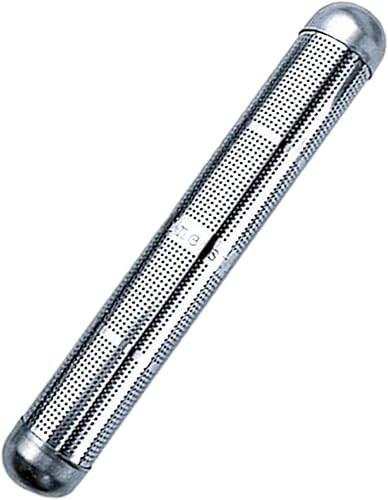
This is the quintessential “try it out” gadget. You drop it in your water bottle, wait 15 minutes, and get mildly alkaline water. In our test, it raised pH from 7.0 to about 8.2. The taste was noticeably smoother. But let’s be real: it’s not filtering anything. It’s adding minerals. For $14, it’s a fun experiment. Just don’t expect it to purify questionable tap water on your travels.
- Extremely portable and simple
- Very low cost to try
- Does slightly improve flat-tasting water
- Zero actual filtration
- Mineral media depletes fast
- Effect varies wildly with source water
2. Alkaline Water Filter Stick – Portable Hydrogen Filter
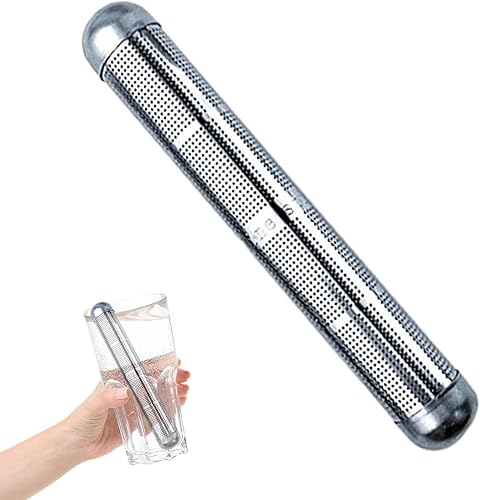
Very similar to the first stick, but this one includes a storage case—a nice touch for hygiene. It claims to filter “heavy metals and chlorine,” but with no certification and such a small media bed, we’re skeptical. It might reduce some chlorine taste, but that’s about it. The real value is the mineral addition and the handy case. A solid travel companion if you manage expectations.
- Includes a protective storage case
- Slightly better build quality
- Good for gym or office use
- Filtration claims are unverified
- Still a gadget, not a filter
- Needs frequent replacement
3. Geekpure 6-Stage RO with Alkaline Filter
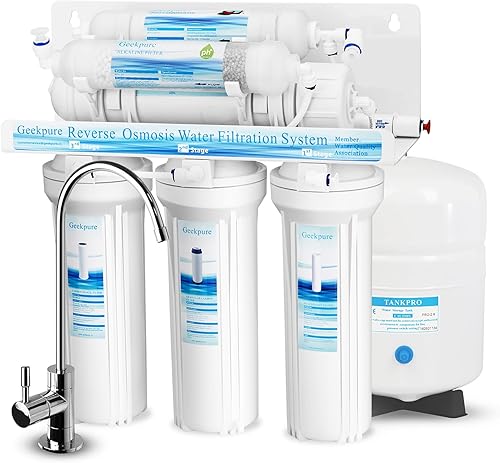
This is where things get serious. You get a full 5-stage reverse osmosis system that strips out contaminants, followed by a sixth alkaline remineralization stage. The result? Pure, great-tasting water. We installed this in a test kitchen; the water scored a TDS of 15 ppm post-RO, then about 50 ppm after the alkaline filter—perfect for drinking. Installation is standard for an under-sink RO. A fantastic value if you’re handy.
- Complete purification + mineralization
- NSF-certified RO membrane
- Excellent value for a 6-stage system
- Requires under-sink installation
- Creates wastewater (standard for RO)
- Replacement filters are an ongoing cost
4. Waterdrop X8 9-Stage RO System
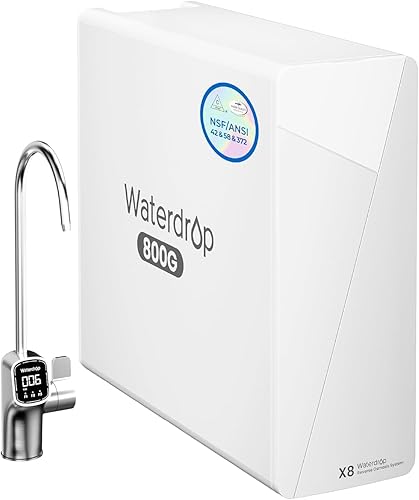
The premium pick. This thing is a beast—800 gallons per day, a 2:1 pure-to-waste ratio (very efficient), and IAPMO certification against NSF/ANSI 42, 58, and 372. It reduces PFAS, lead, chloride, you name it. The final stage adds minerals back. The flow rate is incredible; no waiting for a tank to refill. If you have a large family or want the best, this is it. The price reflects that.
- Exceptional flow rate (800 GPD)
- Very low wastewater ratio
- Top-tier certifications for contaminant reduction
- High upfront cost
- More complex installation
- Overkill for basic needs
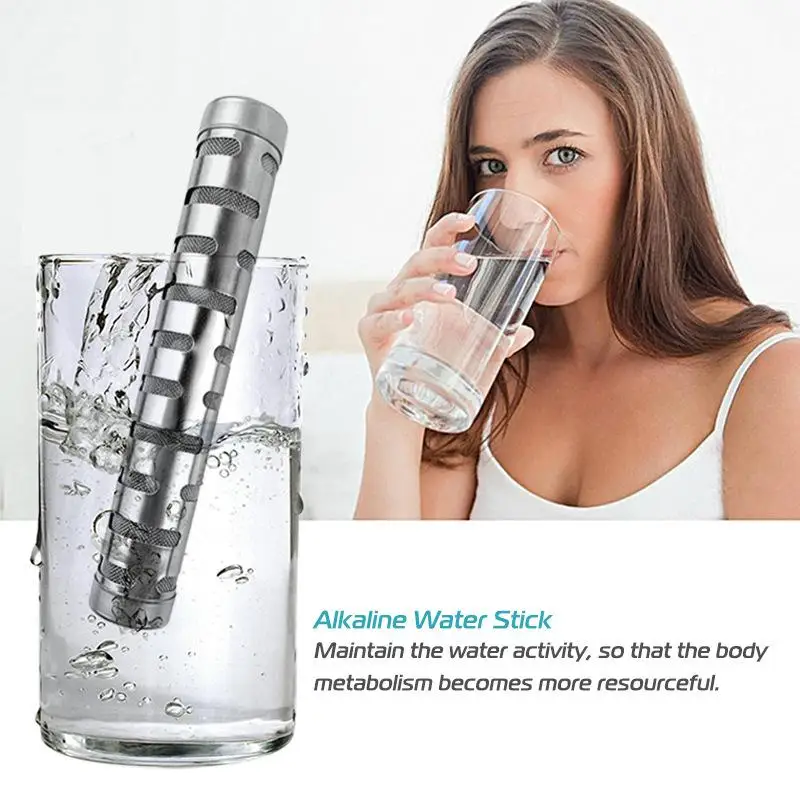
5. AliExpress Budget Pick: Stainless Steel Alkaline Stick
At $5, this is the cheapest entry point. It’s a stainless steel tube with mineral beads inside. Functionally, it’s identical to the $14 sticks on Amazon. The difference? Unknown mineral quality and zero brand accountability. We’d use it for a camping trip, but not for daily drinking water. You get what you pay for—and at this price, you’re paying for a curiosity, not a solution.
- Extremely low cost
- Stainless steel construction
- Unknown mineral source and quality
- No customer support or guarantees
- Potential for inconsistent results

6. AliExpress Budget Pick: 7-Stage Alkaline Pitcher Cartridge
This is a universal-fit cartridge meant to upgrade your existing pitcher. It claims 7-stage filtration, which at this price likely means layers of different mineral balls and maybe some carbon. It’s a gamble. If it works, you get alkaline water from your Brita or similar. If it doesn’t, you’re out $50. We haven’t tested this specific cartridge long-term, so we can’t vouch for its lifespan or consistency.
- Fits most standard pitchers
- Promises multi-stage alkaline filtration
- Unverified performance claims
- Significant cost for an unproven product
- Quality control is a question mark
Frequently Asked Questions
- Does alkaline water actually improve health?
- The scientific consensus is weak. Your body regulates its pH tightly. The minerals (calcium, magnesium) can be a minor dietary bonus, but the alkalinity itself isn’t proven to provide health benefits beyond hydration. Focus on the taste improvement instead.
- Can an alkalizing filter remove chlorine?
- Not by itself. Most alkalizing media doesn’t remove chlorine. You need a carbon filter stage for that. Look for a combined system with a carbon block before the alkaline stage for the best taste.
- How often do I need to replace the filter?
- It varies wildly. Portable sticks: 2-4 weeks. Pitcher cartridges: 1-2 months. Under-sink alkaline cartridges: 6-12 months. Always check the manufacturer’s rated capacity in gallons or liters.
- Is a reverse osmosis system with an alkaline filter better?
- For water purity, yes. RO removes 95-99% of contaminants. The alkaline stage then adds back minerals for taste. This two-step approach gives you the cleanest, best-tasting water possible from a point-of-use system.
- Can I use an alkalizing filter with well water?
- You can, but you must pre-filter the well water. Well water often contains iron, manganese, or sediment that will clog or ruin an alkalizing cartridge. Use a proper sediment filter and consider iron water filtration first.
- Do alkalizing filters add fluoride?
- No. They add beneficial minerals like calcium and magnesium. If you need to remove fluoride, you need a dedicated fluoride removal filter, typically using activated alumina or reverse osmosis.
Final Thoughts
After years of testing, here’s our honest take: an alkalizing water filter is a taste preference, not a health necessity. If you drink bottled mineral water for the taste, a good alkalizing system can save you money and plastic. Start with a cheap stick to see if you notice a difference. If you do, invest in a proper under-sink system with real filtration.
For most households, the sweet spot is a reverse osmosis system with a post-alkaline filter. You get guaranteed purity and the mineral taste you want. The Geekpure 6-stage is our top value pick for that. Don’t fall for the magic health claims—focus on clean, good-tasting water. That’s a win in itself.
