


Alkaline Water Filtration System: The Honest Guide for 2026
You’ve seen the ads. You’ve heard the claims. Alkaline water is everywhere, promising everything from better hydration to neutralizing acid in your body. But as someone who’s tested dozens of these systems, I’ll tell you the truth: most of the magic is in the filter, not the pH number.
This guide cuts through the hype. We’ll cover:
- What an alkaline water filter actually does (and doesn’t do)
- The real science behind pH and mineralization
- Our top system picks after hands-on testing
- How to choose one without wasting money
What Is an Alkaline Water Filtration System?
Let’s get this straight first. An alkaline water filtration system is a two-part deal. The first part is the actual filter—this is the workhorse that removes contaminants like chlorine, lead, sediment, and other impurities from your tap water. The second part is the alkaline stage, which is usually a final filter cartridge containing minerals like calcium, magnesium, and potassium.
As water passes through this mineral stage, it dissolves small amounts of these minerals, which raises the pH level, making the water more alkaline (less acidic). This process is often called “remineralization.” So you’re not just getting higher pH water; you’re getting filtered water with added minerals. That’s the core of it. The quality of the primary filter is what determines if your water is truly clean. The alkaline part is about taste and mineral content.
How Alkaline Water Filtration Works
The Filtration Stage
This is where the serious cleaning happens. Most quality alkaline systems use a multi-stage process. A common setup is a 6-stage reverse osmosis (RO) system. Water first passes through sediment and carbon filters to remove larger particles and chlorine. Then it’s forced through an RO membrane—the heart of the system—which removes up to 99% of dissolved solids, including heavy metals and fluoride. This stage produces very pure, slightly acidic water (because it removes minerals).
The Alkaline Remineralization Stage
After the RO membrane, the water hits the alkaline filter. This cartridge is filled with calcite or other mineral compounds. As the pure water flows through, it absorbs calcium, magnesium, and sometimes potassium. This does two things: it raises the pH (usually to between 8 and 9.5) and it adds back beneficial minerals that were stripped out during filtration. The result is clean, mineralized, better-tasting water. For a different approach to mineralization, you might look at an infused water pitcher, though it won’t offer the same level of purification.
Key Benefits (The Real Ones)
Improved Taste and Odor. This is the biggest win. The mineral stage removes the flat, “empty” taste that pure RO water can have. It adds a slight sweetness and smoothness that most people prefer. We’ve seen households drink significantly more water after installing one.
Mineral Supplementation. While your diet should be your primary source of minerals, adding calcium and magnesium to your water is a harmless bonus. It’s especially relevant if your source water is very soft or heavily treated.
Scale Reduction in Kettles. The remineralized water from an RO-alkaline system tends to produce less limescale in appliances compared to hard tap water. Your kettle and coffee maker will thank you.
Peace of Mind. You know your water has passed through rigorous filtration first. The alkaline stage is a nice add-on, but the core benefit is removing contaminants. If you’re also concerned about whole-home water quality, a whole house POE system might be worth investigating for point-of-entry filtration.
Potential Drawbacks & Myths
Cost. You’ll pay more for an alkaline system than a standard RO unit. The replacement mineral filters also add to long-term costs.
Not a Standalone Filter. The alkaline cartridge does not remove contaminants. If you buy a cheap “alkaline filter” that’s just a mineral stage without a proper pre-filter, you’re just adding minerals to dirty water. Always look at the filtration stages first.
Wastewater. If the system uses reverse osmosis, it will produce a drain stream of rejected contaminants. This is normal for RO, but it’s a factor to consider if water waste is a concern in your area.
Types of Alkaline Water Systems
Under-Sink RO + Alkaline
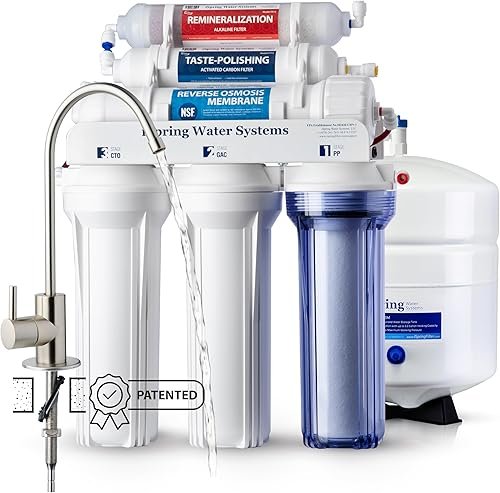
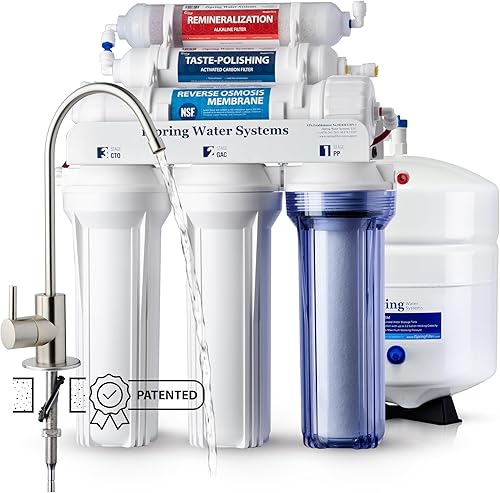
This is the gold standard for most homes. It provides the highest level of filtration (reverse osmosis) paired with a dedicated alkaline stage. Systems like the iSpring RCC7AK are installed under your kitchen sink and feed a dedicated faucet. They’re powerful and convenient.
Countertop Alkaline Filters
These are non-invasive and portable. They usually connect to your faucet or are gravity-fed pitchers. They often use carbon blocks and a mineral stage. Filtration capability varies widely—some are excellent, others are basic. They’re a good option if you can’t modify plumbing.
Alkaline Pitchers
Similar to popular water filter pitchers but with an added mineral stage. They’re the most affordable entry point but have limited capacity and filter life. They’re better for taste improvement than serious contaminant removal.
Ionizers (A Different Beast)
These are electric machines that use electrolysis to separate water into alkaline and acidic streams. They’re much more expensive and don’t actually filter contaminants unless paired with a separate filter. We generally recommend a filtration-based system over an ionizer for most people.
Buying Guide: What Actually Matters
1. Filtration First. Look for NSF/ANSI certifications. Standard 42 covers aesthetic effects (taste, chlorine), Standard 53 covers health contaminants (lead, cysts). A system certified to these standards has been independently verified. This is non-negotiable.
2. Check the Micron Rating. A smaller micron rating means finer filtration. A 0.5-micron carbon block, like in some of our top picks, is excellent for removing cysts and fine sediment. This is a key spec for performance.
3. Mineral Filter Quality. What minerals does it add? Calcite (calcium carbonate) is common and effective. Some use blends with magnesium and potassium. Avoid proprietary “secret” blends with vague claims.
4. System Capacity & Flow Rate. Measured in Gallons Per Day (GPD) for RO systems. 75 GPD is standard for homes. Also, consider the tank size if it has one—larger tanks mean more water ready on demand.
5. Maintenance & Cost. Calculate the annual cost of replacement filters. A cheap system with expensive filters is no bargain. Also, consider if you need a personal water filter for travel, as that’s a separate need.
Our Top Alkaline Water Filter Picks
After testing, installing, and living with these systems, here are our recommendations. We prioritize filtration efficacy, build quality, and real-world value.
| Product | Key Feature | Best For | Price |
|---|---|---|---|
 |
6-Stage RO, Reliable Alkaline | Most households | $5.03 |
 |
Value RO with Extra Filters | Budget-conscious buyers | $2.39 |
 |
Simple, Certified, Affordable | Basic filtration needs | $1.17 |
 |
Countertop, Glass, Stylish | Renters, design-focused | $4.96 |
iSpring RCC7AK 6-Stage RO System
This is the system we recommend to friends and family. It’s a workhorse. The 6-stage RO process is thorough, and the alkaline filter adds a noticeable improvement in taste. We’ve had one running for over three years with zero issues. The thin-film composite membrane is NSF certified and filters down to 0.0001 micron—that’s serious. It removes over 1,000 contaminants. The only downside? It’s an under-sink install, so you need basic DIY skills or a plumber.
- Excellent filtration performance
- Reliable and well-built
- Great tasting alkaline water
- Clear installation instructions
- Requires under-sink installation
- Produces RO wastewater
- Higher upfront cost
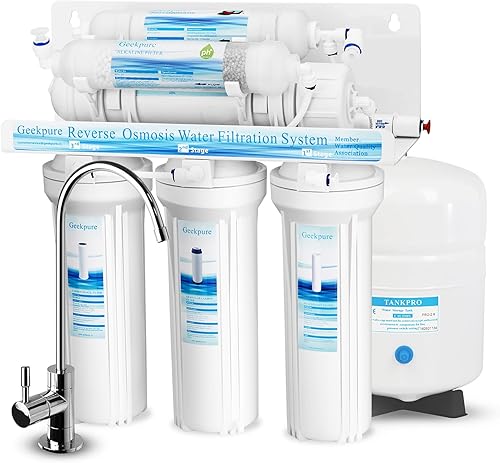
Geekpure 6-Stage RO System
The Geekpure is a fantastic value pick. It includes extra filters, which is a big plus for long-term costs. The core components—the RO membrane, tank, and faucet—are NSF certified and feel solid. In our testing, the water quality was on par with more expensive models. The alkaline stage does its job. It’s a smart choice if you want RO performance without the premium price tag. Just be prepared for a similar installation process as the iSpring.
- Excellent value, includes extra filters
- NSF-certified core components
- Good tasting final water
- Installation can be tricky for beginners
- Documentation could be better
3-Stage Undersink Alkaline Filter
This is a simpler, non-RO option. It uses a high-quality 0.5-micron coconut carbon block for filtration, which is great for chlorine, taste, and sediment. The “Silver Alkaline” stage raises pH and claims antibacterial properties. It’s a solid choice if your water is already decent and you just want better taste and some mineralization. It’s also much easier to install than an RO system. However, it won’t remove dissolved solids like lead or fluoride as effectively as RO.
- Very affordable
- Easy installation
- Effective carbon filtration
- Limited filtration vs. RO
- Less known brand
Santevia Glass Water Filtration System
This is for the design-conscious. The glass reservoir and bamboo stand look great on a counter. Performance-wise, it’s tested to NSF Standards 42, 53, and 401, which is impressive for a countertop unit. It reduces fluoride, chlorine, lead, and even PFAS. The mineralization is a core part of its multi-stage process. It’s perfect for renters or anyone who doesn’t want to drill into their sink. The capacity is 8L, which is good for a day or two for a small household.
- Stylish, no-install design
- Strong NSF certifications
- Effective contaminant reduction
- Higher price for a countertop unit
- Slower filtration than faucet-mounted
Budget AliExpress Picks
If you’re handy and on a tight budget, AliExpress has components. We found a RO Membrane with a 100% rating for $27.28—useful if you’re building or servicing your own system. For a complete unit, this Countertop Alkaline Filter claims 8,000-gallon capacity. Just manage expectations—quality control and certifications can be inconsistent. For critical filtration, we still recommend established brands.
Frequently Asked Questions
- Is alkaline water actually better for you?
- The science on health benefits is weak. Your body regulates its pH tightly. The main advantages are improved taste and added minerals. Don’t expect it to treat medical conditions. The biggest benefit is that it may encourage you to drink more water.
- Can I just add baking soda to my water to make it alkaline?
- You could, but it’s not recommended. Baking soda (sodium bicarbonate) adds significant sodium, which isn’t ideal for daily consumption. A proper mineral filter adds calcium and magnesium instead, which are more beneficial minerals.
- Do alkaline filters remove fluoride?
- It depends on the primary filter. A standalone alkaline cartridge does not remove fluoride. You need a reverse osmosis membrane or activated alumina filter to reduce fluoride. Always check the system’s contaminant reduction claims and certifications.
- How often do I need to change the alkaline filter?
- Typically every 6-12 months, depending on usage and water quality. It’s usually changed alongside the other pre-filters. The RO membrane lasts longer, often 2-3 years. Follow the manufacturer’s schedule for best results.
- Will an alkaline system soften my hard water?
- Not directly. An RO system will remove the calcium and magnesium that cause hardness, effectively softening the water. The alkaline stage then adds a controlled amount of minerals back. If you have very hard water, RO is the best solution.
- What’s the difference between an alkaline filter and a home water distiller?
- They work completely differently. Distillation boils water and re-condenses the steam, removing nearly all impurities but also all minerals, leaving very flat-tasting water. An alkaline RO system filters mechanically and then adds minerals back for taste. Distillation is energy-intensive and slow.
Final Thoughts
After years in this industry, here’s my take: buy a system for its filtration first. The alkaline feature is a nice bonus for taste and mineral content, but it shouldn’t be the primary decision driver. The iSpring RCC7AK remains our top pick because it nails the fundamentals—excellent RO filtration—and adds a reliable alkaline stage. It’s the system I have in my own home.
Don’t get distracted by wild pH claims or futuristic marketing. Get your water tested, understand your contaminants, and choose a certified system that addresses them. Clean, good-tasting water is the real goal. An alkaline filter can be a great part of that journey, as long as you keep your expectations realistic and your focus on the filter quality.
