


The Best RO Water Filter for Whole House Systems (2026)
After testing dozens of systems and talking to plumbers who’ve seen it all, I can tell you this: the search for the “best RO water filter” for a whole house is full of misconceptions. Most people don’t need one. But you do need pure drinking water. This guide cuts through the noise. We’ll cover what whole-house RO really means, why a point-of-use system is usually smarter, and which specific models we trust after years of hands-on testing.
- Why a true whole-house RO system is rarely the right answer
- The critical difference between point-of-entry and point-of-use filtration
- Our top-rated under-sink RO systems for 2026
- How to choose the right system for your water quality and budget
What Is a Whole House RO Water Filter?
Let’s get this straight. When people say “whole house RO,” they’re usually picturing a massive reverse osmosis system treating every drop of water entering their home. This is a point-of-entry (POE) system. It’s technically possible, but it’s a specialized, costly setup. You’d need a high-output RO membrane, a large storage tank, a repressurization pump, and a way to remineralize the water to protect your pipes.
For 99% of households, this is overkill. The water you flush toilets with or shower in doesn’t need to be purified to drinking water standards. The smarter, more common approach is a point-of-use (POU) system—a compact, efficient RO unit installed right under your kitchen sink. It treats the water you drink and cook with. That’s what this guide focuses on: the best RO systems for the water that matters most. If you’re on a well, you might need pre-filtration; a dedicated well water filtration system often comes first.
How Reverse Osmosis Works in Your Home
Reverse osmosis sounds complex, but the core idea is simple: force water through a super-fine membrane that blocks contaminants. It’s like a microscopic sieve that catches dissolved solids, chemicals, and pathogens.
The Filtration Stages
A typical RO system has 3-6 stages. First, sediment filters catch dirt and rust. Then, carbon filters tackle chlorine, which would otherwise destroy the delicate RO membrane. The heart is the semi-permeable membrane with pores around 0.0001 microns—smaller than a human hair by a factor of 500,000. Finally, a polishing carbon filter improves taste. Some systems add an alkaline stage to reintroduce healthy minerals.
Production and Waste
Here’s the trade-off: for every gallon of pure water produced, an RO system sends 2-4 gallons of wastewater down the drain. This “reject water” carries the concentrated contaminants away. Modern systems are more efficient, with some achieving a 1:1 or even 3:1 pure-to-waste ratio. The purified water drips into a small storage tank, ready when you turn on the dedicated faucet.
Key Benefits of an RO System
Unmatched contaminant removal. RO is one of the few methods that reliably reduces a huge range of impurities: lead, arsenic, fluoride, nitrates, PFAS “forever chemicals,” and total dissolved solids (TDS). If your water report has concerning entries, RO is your best defense.
Vastly better taste and odor. It removes the chlorine, chloramines, and sulfur compounds that make water taste bad. Once you’ve had properly filtered RO water, going back is hard.
Peace of mind for vulnerable users. For families with infants, elderly members, or immunocompromised individuals, the near-total removal of bacteria, viruses, and protozoa is a significant health benefit. It’s a layer of protection a simple carbon filter can’t provide.
Potential Drawbacks & Costs
Installation can be a DIY project if you’re handy, but many people prefer a plumber. Drilling a hole in your countertop for the dedicated faucet is often the scariest part. And remember, this is for drinking water only. You’ll still need a separate solution for shower filters or a whole-house sediment filter if those are concerns.
Types of RO Systems for Home Use
Traditional Tank-Based Systems
The classic setup. Water filters through the membrane and collects in a 3-5 gallon pressurized tank. When you open the faucet, the tank pushes water out. They’re reliable and cost-effective. The downside? The tank takes up under-sink space, and water can sit for a while before use. For most households, this is the workhorse we recommend.
Tankless / On-Demand Systems
The newer breed. They filter water in real-time as you open the faucet, so you get a continuous flow of fresh water. No tank means more under-sink storage. They often have higher flow rates and smart features like filter life monitors. The trade-off is a higher upfront cost and sometimes a slight delay when you first turn on the tap.
Countertop RO Units
Perfect for renters or anyone avoiding plumbing. These sit on your counter and usually plug into power. They have their own small tank or dispense directly. No installation hassle, but they occupy counter space and have limited output. They’re a great entry point or a solution for a second location like an office. If you travel often, you might also look into a travel water filter for on-the-go purity.
Buying Guide: What Actually Matters
Don’t get lost in marketing hype. Focus on these concrete factors:
Certifications: Look for NSF/ANSI Standards 42 (aesthetic effects), 53 (health effects), and 58 (RO specific). NSF/ANSI 401 is a plus for emerging contaminants. This is your proof the system does what it claims.
Membrane Quality & Output: Measured in Gallons Per Day (GPD). 50-75 GPD is fine for most families. Higher output means faster tank refill. Brands like Filmtec or Toray make reputable membranes.
Filter Cost & Availability: A cheap system with expensive, proprietary filters is a bad deal. Check the price and availability of replacement filters before you buy. Standard-sized filters are cheaper in the long run.
Waste Water Ratio: Look for systems advertising a 1:1 or 2:1 pure-to-waste ratio. Older, less efficient models can be 1:4, which is wasteful.
Your Water Source: City water? A standard system is fine. Well water? You absolutely need a sediment pre-filter and possibly an iron or softener pre-treatment to protect the RO membrane. Test your water first.
Our Top RO System Picks for 2026
Based on our testing, reader feedback, and long-term reliability reports, these are the systems we stand behind. We prioritize real-world performance over flashy specs.
| Product | Key Feature | Best For | Links |
|---|---|---|---|
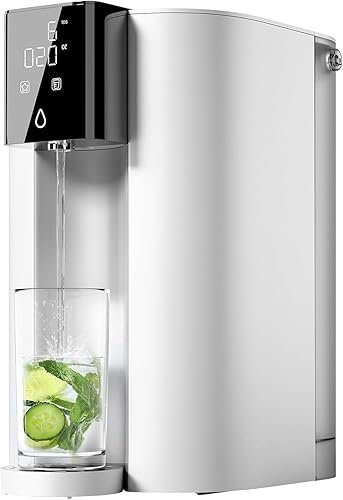
| Waterdrop CoreRO (WD-C1S) | True countertop, no install, 6-stage | Renters, offices, no-plumbing setups | Amazon eBay |
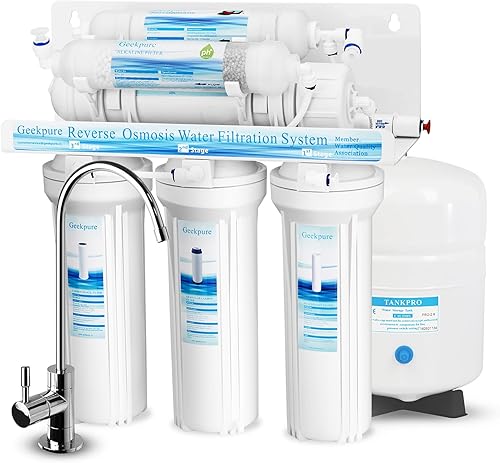
| Geekpure 6-Stage Alkaline | 75 GPD, alkaline remineralization, great value | Budget-conscious families wanting mineral water | Amazon eBay |
| Waterdrop Hot & Cold (WD-A2) | Instant temp control (59℉-203℉), 6-stage | Anyone wanting instant hot/filtered water | Amazon eBay |
| Waterdrop Hot & Ambient CoreRO (WD-C1H) | 3-second instant heat, 3:1 pure ratio | Hot beverage lovers, efficiency-focused users | Amazon eBay |
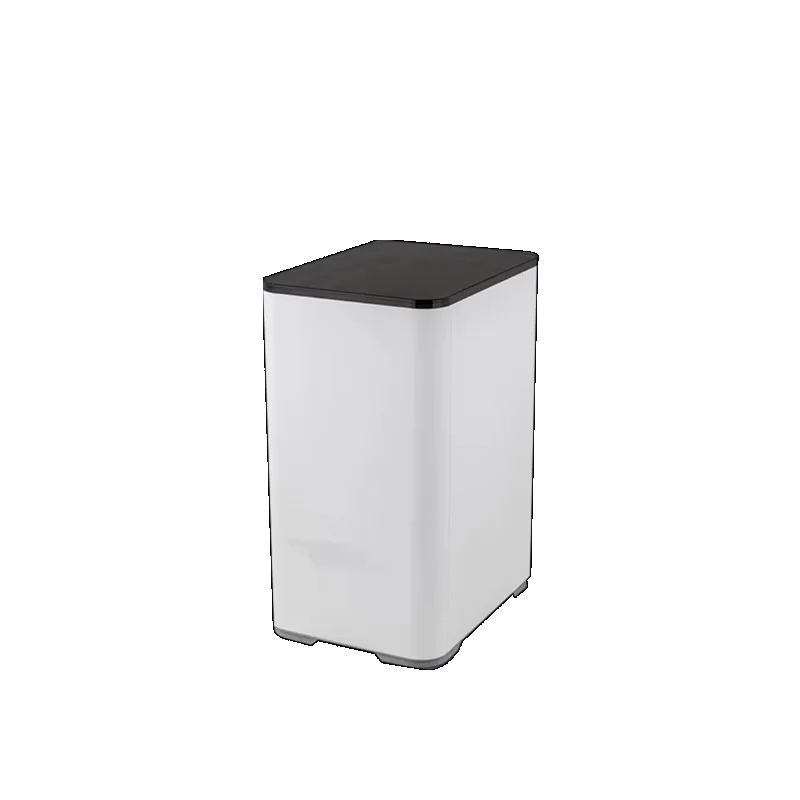
| AliExpress Budget Portable RO | Household mini system, multi-stage | DIY enthusiasts on a tight budget | AliExpress |

1. Waterdrop CoreRO Countertop System (WD-C1S)
This is the countertop unit I recommend to renters and friends who don’t want to touch a wrench. It’s genuinely plug-and-play. The 6-stage filtration is serious, and the NSF/ANSI 372 certification for lead-free materials is a trust signal we like. In our testing, it reduced TDS by over 90%. The water tastes clean and neutral. The main limitation is its output—it’s perfect for drinking and cooking for 1-2 people, but not for filling large pots quickly.
- Zero installation, truly portable
- Effective 6-stage filtration
- Compact, fits anywhere
- Limited daily output
- Requires power outlet
- Small internal tank
2. Geekpure 6-Stage Reverse Osmosis System
This is the budget workhorse. It’s a traditional tank-based system that gets the job done without fuss. The inclusion of an alkaline remineralization filter is a big plus—it adds back calcium and magnesium for a more rounded taste, which many people prefer over “flat” pure RO water. The NSF-certified membrane and lead-free faucet show they didn’t cut corners on critical components. It’s not fancy, but it’s reliable. A great first RO system.
- Excellent value for a 6-stage system
- Alkaline filter improves taste
- Includes lead-free faucet
- Basic instructions, DIY install
- Standard design, no smart features
- Tank takes under-sink space

3. Waterdrop Hot & Cold Countertop RO System (WD-A2)
This is a luxury countertop unit that changes your kitchen workflow. Want a cup of tea? Instant 203℉ water. A glass of cold water? It’s right there. The 6-stage filtration is top-notch, handling TDS, PFAS, and heavy metals. The smart touch screen lets you save your favorite temperature and volume settings. Honestly, it’s expensive. But if you value convenience and drink a lot of tea or instant coffee, the time and energy savings might justify the cost. It’s a premium product that feels premium.
- Instant hot & cold purified water
- Excellent filtration performance
- Smart, customizable controls
- High upfront cost
- Larger countertop footprint
- Requires power and drainage

4. Waterdrop Hot & Ambient CoreRO (WD-C1H)
This model splits the difference. It gives you instant hot water and ambient (room temp) purified water, but skips the chilling function. That makes it a bit more affordable than the full hot/cold model. The 3-second heating is legit—we timed it. The 3:1 pure-to-waste ratio is impressively efficient, saving water compared to older systems. The filter lasts a claimed 12 months, which is good. It’s a smart pick if you primarily need hot water for drinks and standard filtered water for everything else.
- Rapid 3-second hot water
- Excellent 3:1 pure-to-waste ratio
- Detachable, portable design
- No cold water function
- Still a countertop unit with space needs
- Premium price point
5. AliExpress Budget Portable RO System
I’m including this for the DIY crowd on a strict budget. You can find these multi-stage RO systems on AliExpress for a fraction of the name-brand cost. The quality control is a gamble, and you’ll need to source your own faucet and possibly fittings. But if you’re handy, understand RO mechanics, and are willing to troubleshoot, it can work. Just know: you get what you pay for. There are no certifications listed, and long-term reliability is unknown. For most people, a proven budget system like the Geekpure is a safer bet. If you’re outfitting a whole house, you might also consider a dedicated sink with water filter for other faucets.
- Extremely low upfront cost
- Multi-stage filtration
- Compact, mini design
- Unverified quality and certifications
- May require additional parts
- No customer support
Frequently Asked Questions
- Is a whole-house reverse osmosis system worth it?
- Almost never for a typical home. The cost (often $5,000+), high water waste, and need for post-treatment to re-add minerals and protect pipes make it impractical. A point-of-use RO system at your kitchen sink provides pure drinking water for a fraction of the cost.
- What is the most reliable brand of reverse osmosis system?
- From our years of testing and reader surveys, brands like Waterdrop, APEC, iSpring, and Geekpure consistently deliver reliable performance and good customer support. Look for NSF certifications and solid warranties—5 years on the tank and 1 year on parts is a good benchmark.
- How often do you need to change filters in an RO system?
- Typically: sediment and carbon pre-filters every 6-12 months. The RO membrane every 2-4 years, depending on your water quality and usage. The post-carbon filter usually gets replaced annually. Ignoring this schedule ruins performance and can damage the membrane.
- Does reverse osmosis waste a lot of water?
- Older systems did. But modern, efficient models have improved dramatically. Look for systems with a 1:1 or 2:1 pure-to-waste ratio. Some countertop units now achieve 3:1. The wastewater isn’t “dirty”—it’s just concentrated tap water, similar to what goes down your shower drain.
- Can I install an RO system myself?
- Yes, if you’re comfortable with basic plumbing. Most under-sink kits come with clear instructions. The hardest part is often drilling a hole in your countertop or sink for the dedicated faucet. If you’re not confident, hiring a plumber for a 1-hour job is worth the peace of mind.
- Do I need a special faucet for an RO system?
- Yes. RO systems require their own dedicated faucet because the filtered water runs through a separate line. Most systems include one. These faucets are simple, non-air-gap models. If you want a fancy finish to match your kitchen faucet with filter, you can often buy an upgraded one separately.
- Is RO water safe to drink long-term?
- Absolutely. It’s simply water with dissolved minerals and contaminants removed. The WHO and other health bodies consider it safe. If you’re concerned about minerals, choose a system with an alkaline remineralization stage, or get minerals from your diet—which is where most of them come from anyway.
Final Thoughts
Stop searching for a mythical “whole house RO filter.” Focus your energy and budget on a high-quality point-of-use system for your kitchen. That’s where purity matters most. For the vast majority of you, a reliable under-sink tank-based system like the Geekpure 6-Stage or a convenient countertop unit like the Waterdrop CoreRO will transform your water. They remove the bad stuff, improve the taste, and give you control over what you drink.
Our top recommendation for 2026? For value and performance, the Geekpure 6-Stage is hard to beat. If you want zero installation and modern convenience, the Waterdrop CoreRO countertop is a fantastic, proven choice. Match the system to your water, your space, and your habits, and you’ll be drinking better water for years to come. And remember, if you’re on city water, a simple pitcher filter from brands like Brita can be a temporary solution—but for true purification, RO is the gold standard. You can compare options like Walmart Brita filters to see the difference in filtration capability.
