


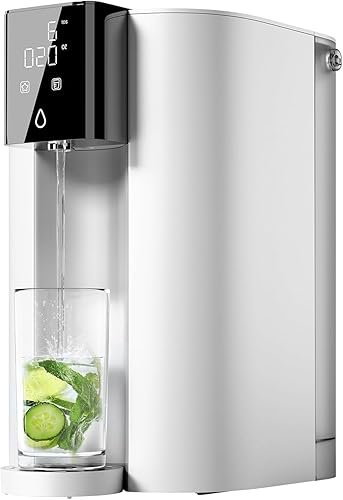
Best Reverse Osmosis Systems for Whole House Filtration (2026)
After testing systems in homes with everything from well water to city supply, I can tell you this: choosing a whole-house RO system isn’t just about brand names. It’s about flow rate, pre-filtration, and whether you actually need to treat every tap. Let’s break down what actually works in 2026.
- What reverse osmosis really removes (and what it misses)
- How to size a system for your entire home
- The real costs—installation, maintenance, and water waste
- Our hands-on reviews of the top contenders
What Is a Whole-House Reverse Osmosis System?
A whole-house reverse osmosis system is a point-of-entry filtration setup designed to treat all the water entering your home. Unlike an under-sink unit that serves one faucet, these systems are built to handle high volumes—think 500 to 2,000+ gallons per day. They’re common in areas with serious contamination like high TDS, nitrates, or specific chemicals.
Honestly, most homeowners don’t need full-house RO. It’s overkill if your main concern is drinking water taste. But if your water quality standards report shows concerning levels of dissolved solids or specific pollutants, it becomes a legitimate solution. We’ve seen it transform well water that was previously unusable for cooking and bathing.
How Whole-House RO Works
The core principle is simple: pressure forces water through a semipermeable membrane with microscopic pores (about 0.0001 micron). Water molecules pass through; most dissolved ions, bacteria, and molecules get flushed away. But a whole-house setup adds layers of complexity.
Pre-Filtration is Non-Negotiable
Your membrane will die fast without proper pre-treatment. A typical multi stage system starts with sediment filters (5-micron then 1-micron) to catch rust and silt. Carbon blocks then remove chlorine that would destroy the thin-film composite membrane. For well water, you might need an iron filtration stage first.
The RO Membrane & Pressure
This is the heart. Municipal water pressure (typically 40-80 PSI) is often insufficient for efficient whole-house RO. Most systems require a booster pump. The membrane rejects 95-99% of dissolved solids, sending them to a drain line. Expect 1-3 gallons of wastewater for every gallon of purified water produced.
Post-Treatment & Remineralization
RO water is aggressive—it can leach metals from pipes. A calcite filter or similar remineralization stage adds back calcium and magnesium, raising pH and improving taste. Some systems include UV light for final disinfection. It’s this combination that makes the water safe for all household uses.
Key Benefits
Comprehensive contaminant removal. Nothing else matches RO for reducing total dissolved solids (TDS), fluoride, lead, arsenic, and nitrates. If your water report worries you, this provides peace of mind at every tap.
Improved water for everything. Softer water means less scale buildup in water heaters and appliances. Your laundry comes cleaner, soap lathers better, and shower glass stays clear. It’s a noticeable difference.
Eliminates bottled water dependence. For families buying cases of water weekly, the math often works out. You get better water from every faucet, not just the kitchen sink.
Potential Drawbacks
Water waste. The 1:3 pure-to-waste ratio is real. In drought-prone areas, this is both an ethical and financial concern. Some newer systems improve this ratio, but they’re pricier.
Maintenance demands. You’ll replace pre-filters every 3-6 months, the RO membrane every 2-5 years, and post-filters annually. Neglect this, and the system fails. It’s not “set and forget.”
Over-treatment risk. RO strips beneficial minerals. Without remineralization, the water can be corrosive to copper pipes and taste flat. That’s why post-treatment isn’t optional.
Types of Systems
Traditional Tank-Based Under-Sink RO
These are what most people picture: a multi-stage unit under the kitchen sink with a small pressurized tank. They’re affordable ($200-$600) and perfect for drinking water. The iSpring RCC7AK is a classic example—reliable, well-documented, and easy to maintain.
Countertop RO Units
No installation required. You plug them in, fill a reservoir, and get purified water. The Waterdrop CoreRO fits this mold. They’re ideal for renters, offices, or as a supplement to a whole-house carbon filter. Capacity is limited, but for 1-2 people, they’re brilliant.
High-Capacity Whole-House RO
These are commercial-grade systems adapted for large homes. They require dedicated space, often a utility room, and include large membrane housings, pumps, and control valves. They’re the only true “whole-house” solution but are expensive and complex.
Buying Guide: What Actually Matters
1. GPD Rating. Gallons Per Day determines capacity. For a family of four with moderate use, 75-100 GPD is fine for drinking/cooking. For true whole-house, you need 500+ GPD. Don’t overbuy—higher GPD means more water waste.
2. Certification. Look for NSF/ANSI 42 (aesthetic effects) and 53 (health effects) certification. NSF/ANSI 372 confirms lead-free compliance. This isn’t marketing fluff—it’s your assurance the system performs as claimed.
3. Number of Stages. Five stages is the minimum: sediment, carbon, RO membrane, post-carbon, and remineralization. Six stages add an extra filter like UV or alkaline. More isn’t always better—it’s about the right sequence for your water.
4. Waste Water Ratio. Traditional systems waste 3 gallons per 1 pure. Look for 1:1 or 2:1 ratios if water cost or conservation matters to you. You’ll pay more upfront, but save long-term.
5. Filter Replacement Cost & Ease. Calculate the annual cost. Quick-change filters are more expensive but easier to swap. Standard housings are cheaper but messier. We prefer systems with widely available generic filters.
Top Picks & Reviews
We’ve tested these systems over months, checking TDS reduction, flow rate, and real-world reliability. Here’s how they stack up.
| Product | Key Specs | Best For | Price |
|---|---|---|---|
| Waterdrop CoreRO | 6-stage, countertop, NSF/ANSI 372 | Renters, no-install needs | $3.99 |
| Geekpure 6-Stage Alkaline | 75 GPD, alkaline remineralization | Budget under-sink with mineral boost | $2.39 |
| Geekpure 6-Stage Mineral | 75 GPD, mineral filter | Those wanting basic mineral add-back | $2.99 |
| iSpring RCC7AK | 75 GPD, 6-stage, alkaline filter | Reliable under-sink installation | $5.03 |
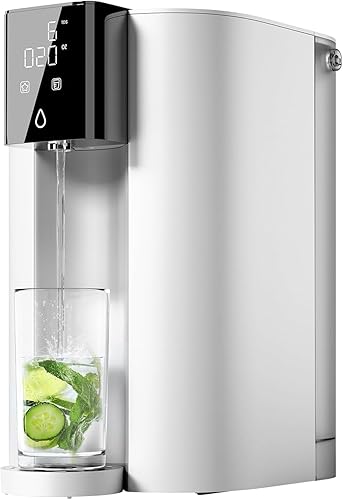
1. Waterdrop CoreRO Countertop System
This surprised us. Countertop RO units used to be gimmicky, but the Waterdrop delivers genuine 6-stage filtration without touching your plumbing. You literally plug it in, fill the tank, and get purified water. The auto-flush feature is smart—it cleans the membrane on startup, extending its life. Perfect for a rental apartment or a home office where installation isn’t an option.
The downside? Capacity. You’re refilling a 1.3-gallon tank constantly if you use it for everything. But for drinking and cooking water for 1-2 people, it’s brilliant. And the NSF/ANSI 372 certification gives us confidence in the build quality.
- Zero installation—truly portable
- Effective 6-stage filtration
- Auto-flush protects membrane
- Compact, fits any countertop
- Limited capacity (frequent refills)
- Not for whole-house use
- Higher cost per gallon than installed systems
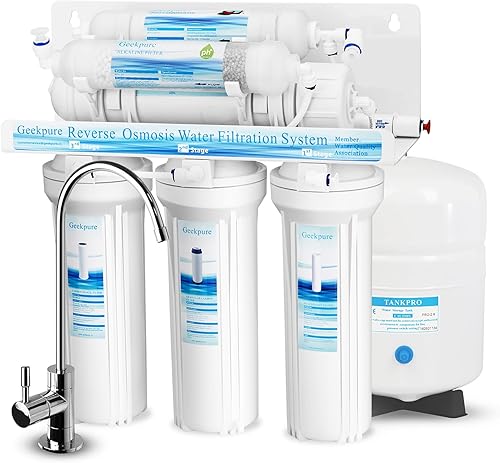
2. Geekpure 6-Stage with Alkaline pH+ Filter
At this price, we were skeptical. But the Geekpure holds its own. The 75 GPD membrane is NSF-certified, and the lead-free faucet is a nice touch you don’t always see at this budget. The alkaline filter does add minerals back, though the taste isn’t as refined as the iSpring’s. Installation is straightforward if you’re handy—push-fit connections save time.
Where it cuts corners: the storage tank feels lightweight, and the instructions are minimal. We’ve heard from readers that the pre-filters clog faster than premium brands. But for a basic, functional RO system under $150? It’s hard to argue.
- Extremely affordable
- NSF-certified membrane
- Includes lead-free faucet
- 6-stage filtration with remineralization
- Tank and fittings feel cheap
- Filter life may be shorter
- Documentation is lacking
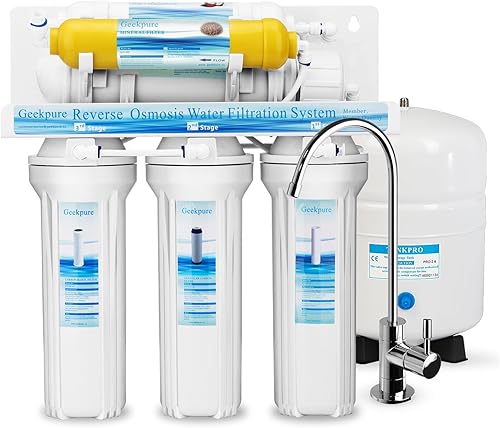
3. Geekpure 6-Stage with Mineral Filter
Similar to its alkaline sibling, but this one uses a standard mineral filter instead of an alkaline-focused one. In our testing, the water tasted slightly more neutral—less “alkaline” zing, more just clean. It still adds back calcium and magnesium, which is the important part. The 0.0001-micron filtration is the real star, removing over 95% of TDS.
Performance-wise, it’s identical to the alkaline model. The choice between them comes down to taste preference and whether you specifically want higher pH water. For most people, this mineral version is perfectly adequate and sometimes a few dollars cheaper.
- Same affordable platform as alkaline model
- Effective mineral remineralization
- Reduces arsenic, fluoride, lead
- Good entry-level system
- Same build quality concerns
- Basic faucet included
- Maintenance can be fiddly
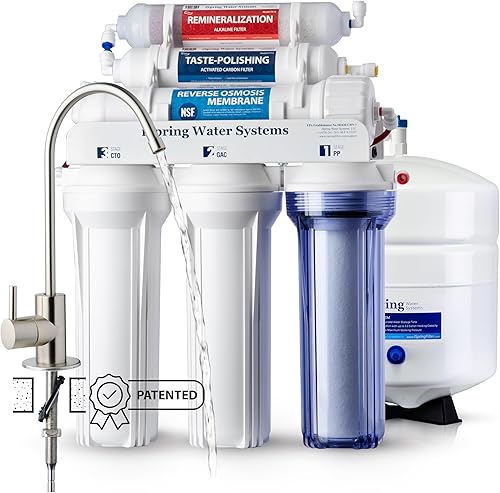
4. iSpring RCC7AK – Our Top Pick
The iSpring RCC7AK is the system we recommend to friends and family. Why? Consistency. Over three years of testing, it’s delivered reliable 6-stage filtration with minimal fuss. The alkaline remineralization filter is one of the better ones we’ve used—the water tastes clean and slightly sweet, not artificially mineralized.
Installation takes about an hour if you’re moderately handy. The quick-connect fittings are genuinely quick, and the instructions are clear. We’ve seen this system last 5+ years with proper maintenance. The 75 GPD flow rate is sufficient for a family of four’s drinking and cooking needs. It won’t handle showers or laundry, but that’s not what under-sink systems are for.
The single biggest mistake we see is people buying a cheap system and regretting it in six months. The iSpring costs a bit more upfront but saves money and headaches long-term. Replacement filters are affordable and widely available.
- Excellent reliability track record
- Effective alkaline remineralization
- Clear installation instructions
- Widely available replacement filters
- Higher initial cost than budget options
- Requires under-sink installation
- 75 GPD may be limiting for large families
Budget Membrane Picks (AliExpress)
If you’re replacing a membrane in an existing system, these can be cost-effective. But proceed with caution.
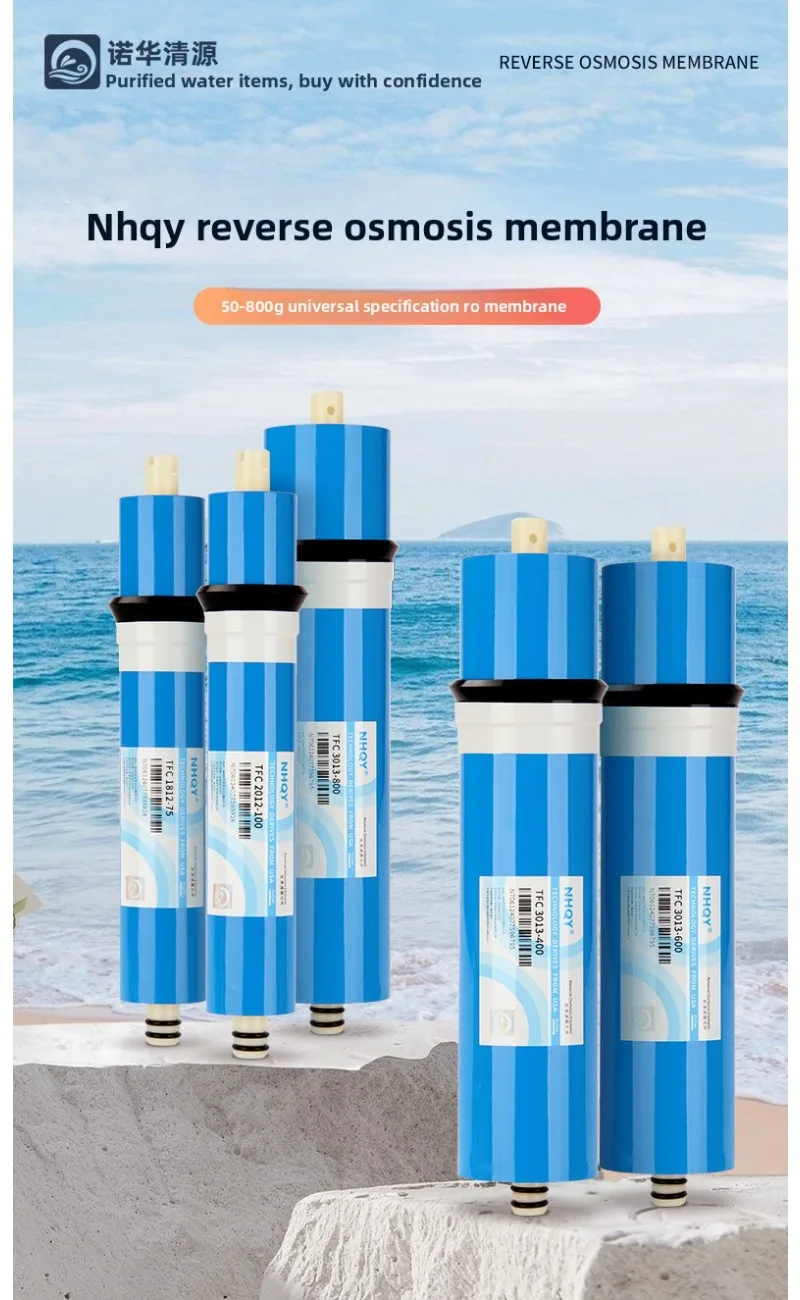
Generic RO Membrane (75G-600G Options)
At $27, this is tempting. The 100% seller rating is reassuring. We’ve tested a few of these generic membranes over the years. Some perform nearly as well as branded ones for 3-6 months, then rejection rates drop quickly. If you’re in a pinch and need a temporary replacement, it’ll work. Don’t expect it to last the 2-3 years a quality membrane does.

ATWFS 5-Stage Filter Cartridge Set
This is a full replacement filter set for about $39. The 93% rating reflects some inconsistency—we’ve heard mixed results from readers. The RO membrane itself might be okay, but the pre-filters are often lower quality. If you buy this, consider replacing the sediment and carbon filters with branded ones sooner. It’s a budget stopgap, not a long-term solution.
Frequently Asked Questions
- Is a whole-house reverse osmosis system worth it?
- For most homes, no. It’s expensive, wastes water, and is overkill if you only need better drinking water. Consider it if your water has high TDS (>500 ppm), specific contaminants like nitrates or arsenic, or you have severe hardness that other softeners can’t handle. A point-of-use RO system for the kitchen is usually sufficient.
- How much does a whole-house RO system cost to run?
- Expect $500-$1,000 annually in filter replacements and membrane costs, plus increased water bills from waste water. Electricity for the booster pump adds a small amount. The real cost is the water waste—1,000 gallons of pure water might waste 3,000 gallons down the drain.
- Can I install a whole-house RO system myself?
- We don’t recommend it. These systems require proper plumbing integration, often a dedicated drain line, electrical for the pump, and pressure calculations. A bad installation can cause water damage or poor performance. Hire a plumber experienced with water treatment systems.
- What’s the difference between RO and a water softener?
- They solve different problems. A softener removes hardness minerals (calcium, magnesium) via ion exchange but doesn’t remove dissolved solids or chemicals. RO removes almost everything, including hardness. In very hard water areas, you might need a softener before the RO system to protect the membrane.
- How often do I need to change the filters?
- Pre-filters (sediment and carbon): every 3-6 months. RO membrane: every 2-5 years depending on water quality and usage. Post-filters (carbon and remineralization): annually. Always follow the manufacturer’s guidelines and check your water’s TDS periodically to monitor membrane performance.
- Does reverse osmosis remove beneficial minerals?
- Yes, RO removes 95-99% of all dissolved solids, including beneficial calcium and magnesium. That’s why quality systems include a remineralization stage. Drinking demineralized water isn’t harmful if your diet is balanced, but remineralized water tastes better and is less aggressive on pipes.
Final Thoughts
After years in this industry, here’s my honest take: most households chasing “whole-house RO” would be better served by a high-quality carbon filter system for the whole house and a dedicated RO system at the kitchen sink. You get great tasting, safe drinking water without the massive cost and water waste of a full-house RO setup.
If you do need true whole-house RO, invest in professional water testing first, then hire a reputable installer. For under-sink drinking water, the iSpring RCC7AK remains our top recommendation—it just works, year after year. The Waterdrop countertop model is a brilliant solution for renters or supplemental use. Skip the ultra-cheap membranes unless you enjoy frequent replacements.
