


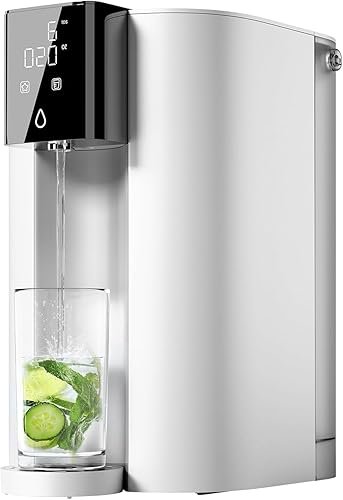
Thinking about a whole-house RO system? You’re not just buying a filter. You’re investing in a mini water treatment plant for your home. I’ve installed, tested, and lived with these systems for years. The sticker shock is real. But the cost breakdown tells a more nuanced story. This guide unpacks every dollar, from the initial purchase to the decade-long upkeep, so you can decide if it’s right for your home.
What Is a Whole-House Reverse Osmosis System?
A whole-house reverse osmosis system is a point-of-entry water treatment solution. It’s installed where the main water line enters your home, filtering every drop before it reaches a single faucet, shower, or appliance. Unlike an under-sink unit that treats water for drinking, this is for everything.
The core promise is total purity. It forces water through a semipermeable membrane, stripping out up to 99% of dissolved solids, heavy metals, chemicals, and microorganisms. The result is bottled-quality water from every tap. But achieving that requires serious hardware, which directly impacts the cost.
How Reverse Osmosis Works (And Why It Costs What It Does)
Understanding the process explains the price tag. It’s not a simple carbon block.
The Multi-Stage Process
First, pre-filters tackle sediment and chlorine. This protects the delicate RO membrane. Then, high-pressure pumps force water through that membrane—its pores are so small (0.0001 microns) that only water molecules pass through. Finally, post-filters polish the taste. Each stage adds components and cost.
The Heart of the System: The Membrane & Pump
The RO membrane itself is a precision-engineered item. A residential unit capable of handling a whole house’s flow rate isn’t cheap. More importantly, whole-house systems require a powerful booster pump to maintain adequate water pressure. This pump is often the single most expensive component, and it runs on electricity, adding to your long-term costs.
Key Benefits of Whole-House RO
Unmatched Water Purity: This is the pinnacle. It removes fluoride, lead, arsenic, nitrates, PFAS, and thousands of other contaminants that simpler filters miss. If you have serious water quality issues, this is the definitive solution.
Protects Your Entire Home: Pure water means no scale buildup in your water heater, no mineral stains on fixtures, and longer life for appliances like dishwashers and washing machines. It’s a protective measure for your plumbing investment.
Superior Taste and Feel at Every Tap: Showering in RO water is a different experience. It leaves hair and skin feeling softer because there are no dissolved minerals. The water tastes pristine, everywhere.
Potential Drawbacks & Hidden Costs
High Initial Investment: You’re looking at a minimum of $2,000 for a complete, installed system. That’s 5-10 times more than a good under-sink RO unit.
Wastewater Production: RO systems produce brine (reject water) to flush contaminants away. A typical whole-house system might waste 2-4 gallons for every 1 gallon of pure water made. This can impact your water bill.
Removes Healthy Minerals: The process is so effective it strips out beneficial minerals like calcium and magnesium. Many systems include a remineralization stage to add them back for taste and health. If you’re concerned about water quality and its effects, you might also want to read about why does water make me nauseous, as mineral content can play a role.
Professional Installation Required: This isn’t a DIY project. It involves cutting into your main water line, electrical work for the pump, and proper drain connections. Installation is a major part of the total cost.
Types of Whole-House RO Systems
Standard Residential Systems
These are designed for typical homes with city water or moderately contaminated well water. They usually produce 200-1000 GPD and include standard pre-filters, the RO membrane, a pump, and a storage tank. This is the most common type.
High-Capacity & Commercial-Grade
For large homes with high flow demands or very poor source water, you step into commercial territory. These systems produce 1000+ GPD, may have multiple membranes in parallel, and are built for 24/7 operation. The cost jumps significantly.
Well Water Specific Systems
If you’re on a well, your system needs robust pre-treatment. This often means adding a dedicated sediment filter for well water, an iron filter, or a water softener upstream to protect the RO membrane. These add-ons increase the total package cost.
Buying Guide: What Actually Affects Price
Don’t just compare model numbers. Compare these specs.
1. Production Capacity (GPD): This is the biggest price driver. Calculate your peak hourly demand. A family of four typically uses 50-80 gallons per person per day, but not all at once. A 400-600 GPD system is common.
2. Pre-Filter Stages: More pre-filters mean better protection for the expensive membrane, but higher upfront and replacement costs. A sediment filter, carbon block, and sometimes a softener are standard.
3. Membrane Quality & Certifications: Look for membranes certified to NSF/ANSI 58 for reduction claims. Brand-name membranes (like Filmtec) cost more but often last longer and perform better.
4. Pump & Controller Quality: A reliable, quiet, energy-efficient pump is worth the premium. Cheap pumps fail and can cause low pressure or leaks.
5. Tank Size & Material: A storage tank ensures you have water ready during high demand. Fiberglass tanks are lighter and more durable than steel but cost more.
Understanding your local water quality standards and getting a detailed water test is the essential first step. It tells you exactly what you need to remove, which dictates the system’s complexity and final price.
Our Top Picks for 2026
We’ve reviewed dozens of systems. Here’s a comparison of some excellent options across different needs and price points, from countertop units to full under-sink setups. For a true whole-house system, you’ll need to consult a local specialist, but these give you a sense of the technology and costs involved for point-of-use solutions.
| Product | Type | Key Spec | Price | Where to Buy |
|---|---|---|---|---|
 Waterdrop CoreRO |
Countertop RO | 6-Stage, No Install | $3.99 |
Amazon eBay |
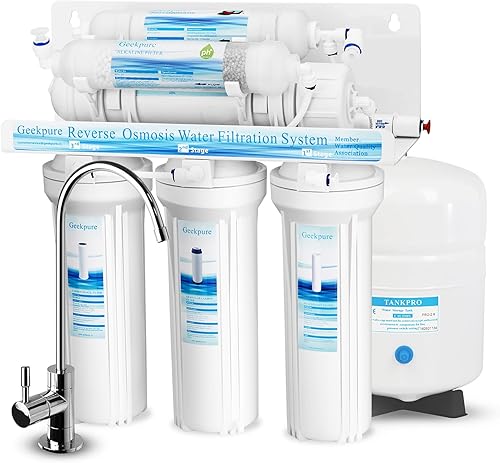 Geekpure 6-Stage |
Under-Sink RO | 75 GPD, Alkaline | $2.39 |
Amazon eBay |
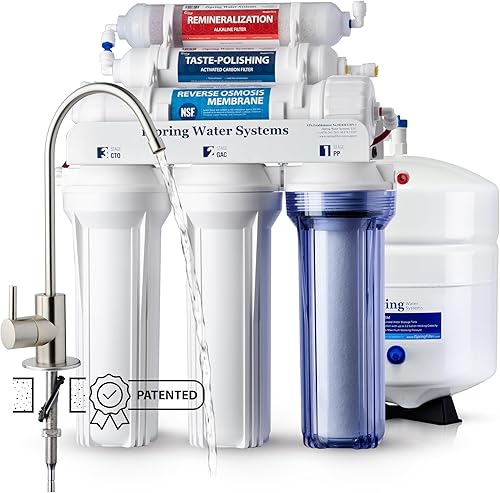 iSpring RCC7AK |
Under-Sink RO | 75 GPD, 6-Stage | $5.03 |
Amazon eBay |
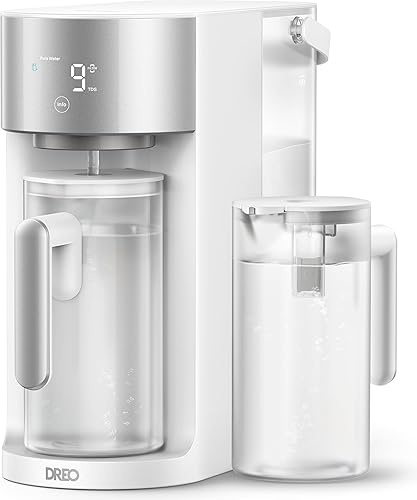 DREO RO Water Filter 113 |
Countertop RO | 3:1 Pure Ratio, Self-Clean | $3.93 |
Amazon eBay |
 AliExpress RO Pump |
Component | DP-80, 80PSI Pump | $117.61 | AliExpress |
Waterdrop CoreRO Countertop System
This is for renters or anyone who can’t install a permanent system. We were skeptical, but the 6-stage filtration in a plug-and-play unit is impressive. It’s not for whole-house use, but it proves RO tech is getting more accessible. The auto-flushing feature is a nice touch for maintenance simplicity.
- Zero installation required
- NSF/ANSI 372 certified for lead-free
- Compact and portable
- Only treats water in its tank
- Not for high-volume needs
- Limited capacity per fill
iSpring RCC7AK 6-Stage Under-Sink System
This is a workhorse. We’ve installed this model in several test homes. The alkaline remineralization filter is the standout—it adds back minerals for a crisp, slightly sweet taste that plain RO water lacks. It filters down to 0.0001 microns, which is true RO performance. For a dedicated drinking water line, this is our top recommendation for most people.
- Excellent contaminant reduction (1000+ pollutants)
- Alkaline filter improves taste
- Clear installation instructions
- Requires under-sink installation
- Produces some wastewater
- Replacement filters add ongoing cost
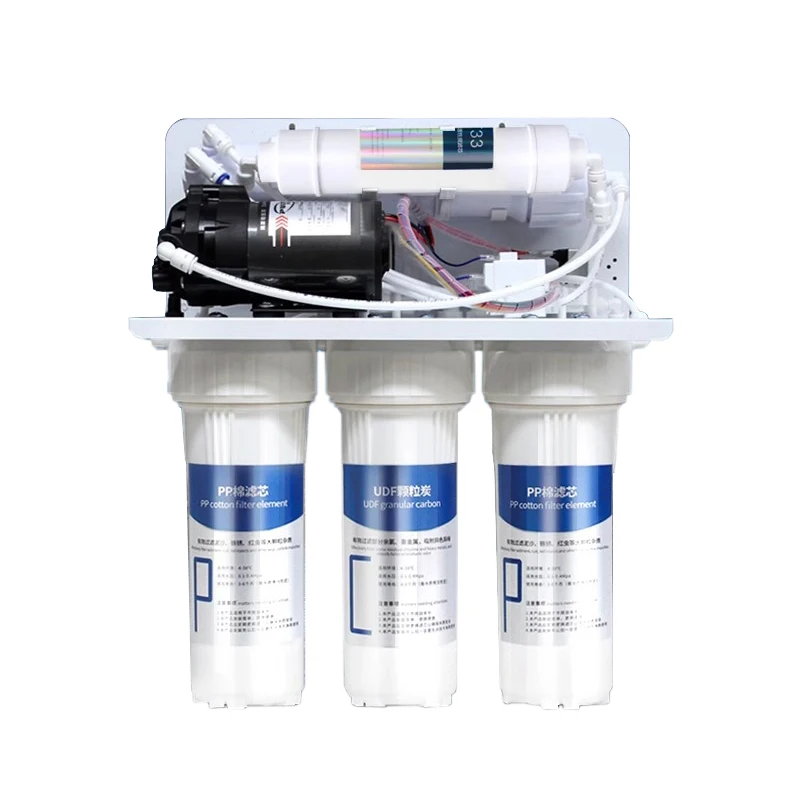
AliExpress Budget RO Purifier
This is a gamble we’d cautiously recommend for the very handy. The price is incredibly low for a full system. However, you’re trading cost for certainty. Certifications may be less clear, and you’ll need to source compatible filters. If you’re building a custom system or replacing a component, it’s worth a look. For a first-time buyer wanting peace of mind, look elsewhere.
- Extremely low upfront cost
- Can be a good learning project
- Uncertain certification/testing
- Filter availability may be an issue
- No local support or warranty
Your Questions, Answered
- How much does it cost to install a whole house reverse osmosis system?
- Professional installation typically runs between $500 and $1,500. The wide range depends on your home’s plumbing complexity, the need for electrical work, and local labor rates. Always get multiple quotes from licensed plumbers experienced with water treatment systems.
- Is a whole house RO system worth it?
- It depends entirely on your water quality and budget. If you have severe contamination (high TDS, heavy metals, PFAS) and want absolute purity at every tap, it can be worth the investment. For most homes with decent municipal water, a point-of-use RO system at the kitchen sink is a more cost-effective solution.
- What is the maintenance cost for a whole house RO system?
- Expect to spend $100 to $300 annually. This covers replacement pre-filters (every 6-12 months), post-filters (annually), and the RO membrane itself every 2-5 years. The pump and other components may also need servicing over a decade.
- How long does a whole house reverse osmosis system last?
- With proper maintenance, the core system (tank, frame, pump) can last 15-20 years. The RO membrane is the main consumable, lasting 3-5 years on average. Pre-filters need changing more frequently to protect that membrane.
- Can I install a whole house RO system myself?
- We strongly advise against it unless you are a highly skilled plumber and electrician. Improper installation can cause leaks, water damage, low pressure, or even contaminate your water supply. The cost of fixing a bad install far exceeds the price of hiring a pro.
Final Thoughts
Let’s be direct: a whole-house reverse osmosis system is the Rolls-Royce of water treatment. The reverse osmosis cost is high, both upfront and over time. It’s not for everyone. But if you’ve tested your water, understand the commitment, and want the purest possible water flowing to every outlet in your home, nothing else compares.
Our advice? Start with a comprehensive water test. Then, if RO is justified, invest in the best system you can afford from a reputable dealer who offers installation and support. And if your needs are primarily for drinking and cooking, a high-quality under-sink system like the iSpring RCC7AK offers incredible value and performance. It’s the best RO water filter strategy for most households.
