


You’ve tasted the difference at a friend’s house. That crisp, clean water with no aftertaste. Now you want it everywhere. But diving into whole-house reverse osmosis feels like a maze of specs and sales pitches. After testing systems for years and crawling through countless installation jobs, I’ll cut through the noise. This guide covers what a whole-house RO system really is, how to pick one without regret, and our top picks for 2026.
- What “whole-house” actually means for RO systems
- The key specs that separate good systems from great ones
- Our hands-on reviews of the top contenders
- Common mistakes that cost homeowners hundreds
What Is a Whole-House Reverse Osmosis System?
Let’s clear up a common misconception right away. A true whole-house reverse osmosis system is a beast. It’s a commercial-grade unit installed at your main water line, treating every drop that enters your home. These systems are expensive, complex, and honestly, overkill for 95% of households dealing with city water.
What most people mean—and what we’ll focus on here—are high-capacity, point-of-use RO systems designed for a major faucet, like your kitchen sink. These provide ultra-pure water for drinking and cooking. The term “whole-house” gets thrown around loosely, but true whole-house RO is a specialized solution for severe contamination, often requiring a water filtration technology stack that includes pre-filters and post-treatment.
How Whole-House Reverse Osmosis Works
Forget the marketing fluff. Here’s the simple physics. Water pressure forces your tap water through a semipermeable membrane with pores so tiny—0.0001 microns—that only water molecules pass through. Virtually everything else gets flushed away.
The Filtration Stages
A proper system isn’t just the RO membrane. It’s a team effort. First, sediment pre-filters catch rust and sand. Next, carbon filters grab chlorine and organic chemicals that would shred the delicate membrane. Then comes the RO stage. Finally, a post-filter polishes the taste. Some systems, like the Geekpure 6-Stage, add an alkaline water filtration stage to reintroduce healthy minerals.
Drain Ratio & Efficiency
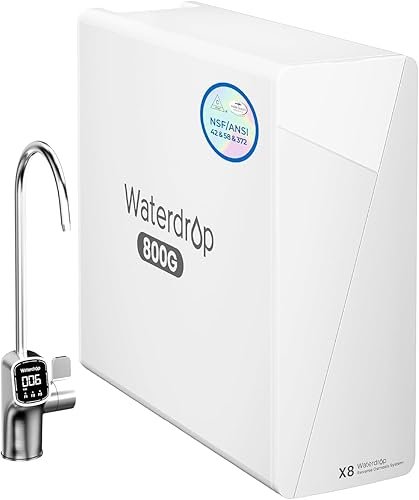
Here’s the dirty secret of RO: it wastes water. For every gallon of pure water, older systems might send three gallons down the drain. Modern units like the Waterdrop X8 boast a 2:1 ratio. That’s two cups of pure for one cup of waste. A huge improvement. This efficiency is a major factor in long-term cost and environmental impact.
Key Benefits of a Whole-House RO System
Contaminant Removal: This is the main event. A certified RO system reduces lead, arsenic, fluoride, PFAS (“forever chemicals”), and dissolved solids. If you’re wondering is new york tap water safe to drink, an RO system provides a definitive layer of protection against trace contaminants that treatment plants can miss.
Taste and Odor: Chlorine, sulfur, metallic tastes—gone. Your coffee will taste like it does at the café. Your ice cubes will be crystal clear. If your water has a funk, this is the nuclear option for how to make water taste better.
Appliance Protection: Scale buildup from hard water destroys kettles, coffee makers, and steam ovens. RO water, being nearly pure H2O, eliminates this problem at the point of use.
Potential Drawbacks to Consider
Cost is the first hurdle. A quality under-sink system runs $300-$800, plus installation if you’re not handy. Filter replacements add $50-$150 yearly. Then there’s the space. You need room under your sink for the unit and its storage tank.
Flow rate is another limit. Even an 800 GPD (gallons per day) system can’t supply a running shower. It’s designed for a dedicated faucet. For whole-house treatment of hard water or sediment, you need a different beast entirely, often starting with well water sediment filtration.
Types of Reverse Osmosis Systems
Under-Sink RO Systems
The gold standard for homes. Installed under the kitchen sink with a dedicated faucet. Offers the best balance of performance, capacity, and value. The Waterdrop X8 is a prime example.
Countertop RO Systems
No installation needed. Plug it in, fill the tank, get pure water. Perfect for renters, offices, or dorm rooms. The Waterdrop CoreRO is our favorite here. Limited capacity, but ultimate convenience.
Whole-House RO (Point-of-Entry)
As mentioned, this is serious gear. It treats all water entering your home. Necessary for very poor source water, but it requires a professional install, a storage tank, and often a repressurization pump. It’s a different category of investment.
Buying Guide: What Actually Matters
Ignore the flashy marketing. Focus on these four things.
1. Certifications: Look for NSF/ANSI 42 (aesthetic effects), 58 (contaminant reduction), and 372 (lead-free). This is your proof the system works. The Waterdrop X8 has all three.
2. Flow Rate (GPD): Gallons per day. 75 GPD is fine for a couple. 400+ GPD is better for families who hate waiting for the tank to refill. 800 GPD, like the X8, means near-instant pure water.
3. Drain Ratio: Lower is better. A 1:1 ratio is good. 2:1 (pure:waste) is excellent. Avoid anything above 3:1.
4. Filter Cost & Availability: Check the price and lifespan of replacement filters. Proprietary filters can be a long-term money trap. Systems using standard-sized filters are often cheaper to maintain.
Our Top Picks for 2026
| Product | Key Specs | Best For | Price |
|---|---|---|---|
 Waterdrop WD-X8 |
9-Stage, 800 GPD, NSF 42&58&372, 2:1 Drain Ratio | Families & serious cooks wanting high flow & certified purity. | $7.19 |
 Waterdrop CoreRO |
6-Stage, Countertop, NSF 372, No Install | Renters, offices, or anyone wanting zero installation. | $3.99 |
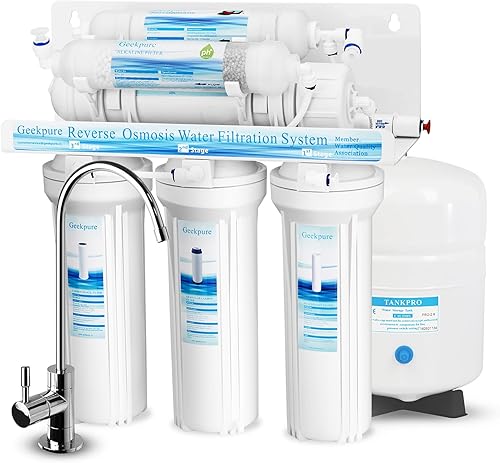 Geekpure 6-Stage |
Alkaline Remineralizer, 75 GPD, NSF Membrane | Those wanting mineral-enhanced RO water on a budget. | $2.39 |
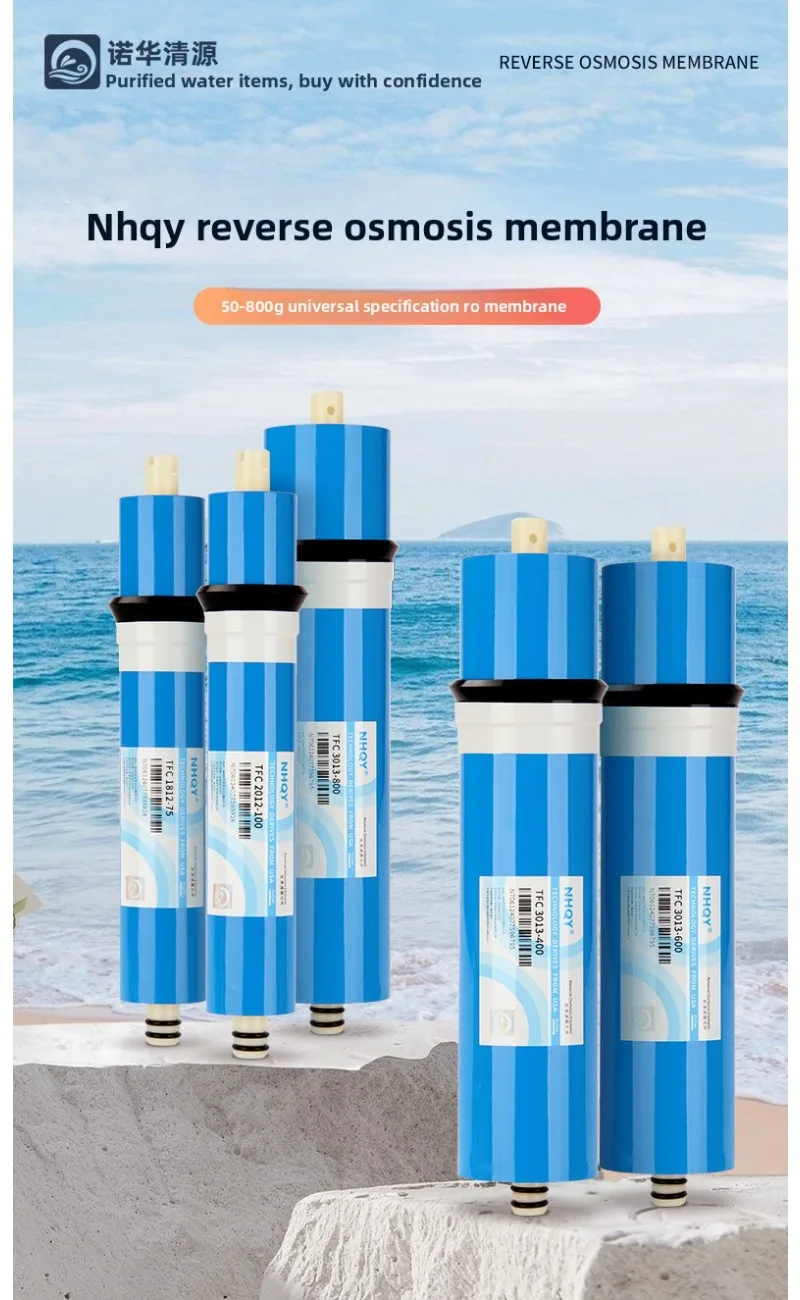 Generic RO Membrane |
75G-600G Options, Budget Price | DIYers replacing a membrane in an existing system. | $27.28 |
1. Waterdrop WD-X8 Under-Sink RO System
This is the system we recommend to most homeowners. The 800 GPD flow rate is a game-changer—you can fill a pot directly from the faucet without waiting for a tank. The 2:1 drain ratio is among the best we’ve seen, and those NSF certifications aren’t just stickers; they mean independent lab verification. Installation is straightforward for anyone comfortable with basic plumbing.
- Extremely high flow rate eliminates tank wait
- Excellent 2:1 pure-to-waste ratio
- Triple NSF certification for trust
- 9-stage filtration is thorough
- Higher upfront cost than basic models
- Requires under-sink space and power outlet
2. Waterdrop CoreRO Countertop System
We were skeptical of countertop RO units until we tried this one. It genuinely works. No drilling, no plumbing—you plug it in, fill the tank, and get purified water. The auto-flush feature is smart. It’s perfect for a rental apartment or a secondary station in a home office. The trade-off is capacity; it’s for drinking water, not filling pots for pasta.
- True plug-and-play, zero installation
- Compact and portable
- Effective 6-stage filtration
- NSF/ANSI 372 certified
- Limited output volume
- Takes up counter space
3. Geekpure 6-Stage with Alkaline Filter
If you dislike the flat taste of pure RO water, this is your fix. The added alkaline stage puts back minerals for a crisper, more “mineral water” flavor. The included lead-free faucet is a nice touch. It’s a solid, no-frills workhorse. Just know the 75 GPD flow means you’ll rely on the storage tank for anything beyond a glass of water.
- Alkaline filter improves taste
- Includes extra filters for 2 years
- NSF-certified membrane
- Great value for the feature set
- Lower flow rate (75 GPD)
- Installation requires some DIY skill
4. Budget Pick: Generic RO Membrane (AliExpress)
For the DIY crowd. If your existing system’s membrane is dead and you’re on a tight budget, this can get you running again. We’ve used generic membranes in test rigs; they work, but longevity and consistency are wild cards. The 100% seller rating is promising. Only consider this if you know your system’s specs and are comfortable with a potential shorter lifespan.
- Extremely low cost for a membrane
- Multiple GPD ratings available
- High seller rating
- No independent certification
- Quality control can be inconsistent
- Ships from overseas, longer wait
Frequently Asked Questions
- What is the best reverse osmosis system for a whole house?
- For true whole-house treatment, you need a commercial-grade point-of-entry system. For most families, a high-capacity under-sink RO system like the Waterdrop X8 at the kitchen tap provides pure water for drinking and cooking, which is the primary concern.
- How often do I change the filters?
- Pre-filters and post-filters typically need replacement every 6-12 months. The RO membrane itself lasts 2-4 years, depending on your water quality and usage. Always follow the manufacturer’s schedule.
- Does reverse osmosis waste a lot of water?
- Older systems did. Modern efficient models like the X8 have a 2:1 ratio, meaning for every two gallons of pure water, one gallon is used to flush contaminants. This wastewater can be repurposed for gardens or cleaning.
- Can I install an under-sink RO system myself?
- Yes, if you’re comfortable with basic tools and following instructions. You’ll need to drill a hole for the faucet (if you don’t have an existing one) and connect to your cold water line. Most systems come with clear guides. Countertop models require no installation.
- Is an ultraviolet water purifier better than RO?
- They solve different problems. UV kills bacteria and viruses but does nothing for chemicals, heavy metals, or dissolved solids. RO removes virtually all contaminants but doesn’t disinfect. For biologically unsafe water, you might need both: a UV stage after RO.
Final Thoughts
After all our testing, the clear winner for most people is the Waterdrop WD-X8. Its combination of speed, efficiency, and certified performance justifies the price. You’re not just buying a filter; you’re buying peace of mind and convenience. If you need a no-install solution, the Waterdrop CoreRO is surprisingly capable.
Don’t overbuy. Match the system to your actual water problems. Test your TDS, read your city’s water report, and invest in the right tool. The best reverse osmosis system is the one that fits your life, your water, and your budget—and then quietly does its job for years.
