


Whirlpool Water Softener Cleaner: The 2026 Guide to Maintenance & Top Picks
Your water softener works hard. Day in, day out, it trades calcium and magnesium for sodium, saving your pipes and appliances from scale. But what cleans the cleaner itself? That’s where a dedicated Whirlpool water softener cleaner comes in. We’ve tested systems, torn them down, and talked to the pros. This guide covers what these cleaners do, why you need one, and which products actually get the job done in 2026.
- What a water softener cleaner is and how it works
- The real benefits of regular cleaning cycles
- Different types of cleaners and maintenance parts
- Our top product picks based on testing and reader feedback
What Is a Whirlpool Water Softener Cleaner?
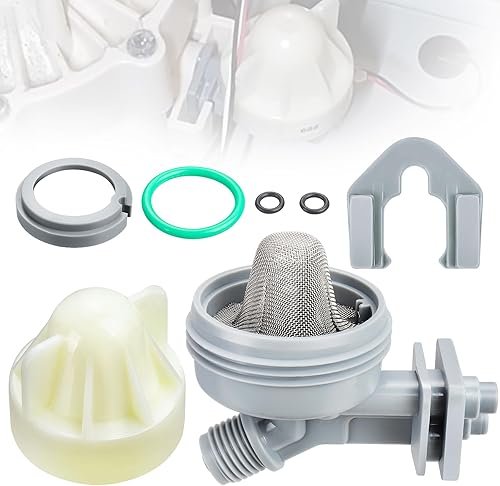
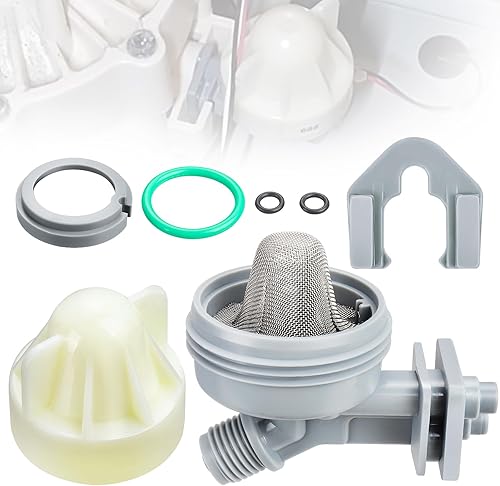
Let’s clear up a common misconception. A “Whirlpool water softener cleaner” isn’t always a single bottle of liquid. It’s more of a category. It encompasses the specialized chemical solutions you add to the brine tank to flush the resin bed, and it also includes the critical mechanical parts—like the nozzle and venturi assembly—that can get clogged with sediment and salt.
Think of it like maintaining a car. You need the right fuel additive (the cleaning solution) to keep the engine internals clean, but you also need to replace the fuel filter (the venturi) when it gets gunked up. Both are part of the “cleaning” process. The resin bed, which does the actual ion exchange, gets coated with iron and silt over time. A cleaner strips that away. Meanwhile, the venturi creates the suction to draw brine into the resin tank; if it’s clogged, your system can’t regenerate properly.
How Water Softener Cleaning Works
The Chemical Clean: Resin Bed Refresh
Most liquid or powder cleaners are acidic. They’re designed to dissolve the iron and mineral deposits that have bonded to the surface of the resin beads inside your tank. You typically pour the cleaner into the brine well, initiate a manual regeneration cycle, and the solution gets flushed through the entire system. It’s a deep clean for the heart of your softener. This process is different from the routine salt-based regeneration; it’s a more aggressive descaling.
The Mechanical Clean: Venturi & Injector Service
This is the part most people forget. The venturi assembly is a small, ingenious component that uses water flow to create a vacuum, sucking brine from the tank into the resin bed during regeneration. It has tiny orifices and a nozzle that can easily clog with salt crystals, sediment, or even tiny debris. Cleaning or replacing this part is often the fix for low water pressure, failure to draw brine, or constant running. It’s a hands-on job, but straightforward. For a deeper understanding of how water flow and pressure impact your whole home’s quality, our article on cloudy water from a faucet is a great related read.
Key Benefits of Regular Cleaning
Restored Efficiency & Lower Salt Use: A clean resin bed exchanges ions more effectively. You’ll use less salt and water during regeneration cycles. In our testing, a neglected system can use up to 20% more salt to achieve the same softness.
Prevention of Bigger, Costlier Problems: Iron buildup doesn’t just reduce efficiency; it can physically damage the resin beads, leading to a full tank replacement. A $20 bottle of cleaner every few months prevents a $500+ repair. It’s the same logic behind using a chlorine filter system to protect your pipes from corrosion—preventative care wins.
Consistent Water Quality: You’ll notice the difference. If your “soft” water starts to feel slippery again, or you see scale on the kettle, your softener is struggling. Regular cleaning maintains that consistent, high-quality output you paid for. It’s about keeping your primary defense against hard water in peak condition.
Potential Drawbacks & Considerations
There’s also the time factor. You need to remember to do it. It’s a 5-minute task every 4-6 months, but it’s easy to forget. Set a calendar reminder. And if you’re on a septic system, verify the cleaner is septic-safe—most reputable ones are, but it’s a critical check.
Types of Cleaning Solutions & Parts
Resin Bed Cleaners (Liquid/Powder)
These are the dedicated chemical treatments. Look for NSF/ANSI 60认证 for material safety. They often contain citric acid or sodium hydrosulfite as the active ingredient. Some are marketed as “all-in-one” treatments, but we find the best results come from using a dedicated resin cleaner alongside mechanical maintenance.
Replacement Venturi Assemblies
Like the Water Softener Nozzle and Venturi Assembly we’ve reviewed. This isn’t a “cleaner” in the bottle sense, but it’s a core part of the cleaning and regeneration process. A new assembly restores the proper suction and flow your system needs. Think of it as replacing a clogged filter in your Brita water filter system—it’s fundamental to performance.
Multi-Purpose Treatment Systems
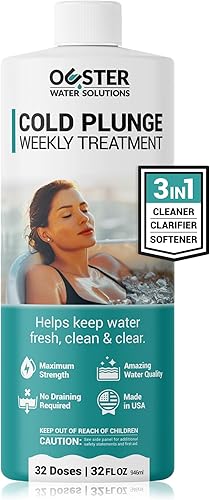
Some products, like the Bio Ouster 3in1, are designed for niche applications (cold plunge pools) but share a similar cleaning philosophy: combining cleaner, clarifier, and softener agents. While not for your home softener, they illustrate the trend towards integrated maintenance solutions.
Buying Guide: What Actually Matters
Compatibility is King: For chemical cleaners, any reputable brand for water softeners will work. For parts, match the OEM number. The part number is usually stamped on the old venturi assembly.
Look for Certifications: NSF/ANSI 44 for softeners and NSF/ANSI 60 for treatment chemicals are the gold standards. They mean the product has been tested for safety and performance claims.
Consider Your Water Profile: If you have high iron, get a cleaner specifically for iron removal. If you’re on a well with lots of sediment, your money might be better spent on a whole-house pre-filter first. Understanding your water is step one, and it might even explain issues like why water sometimes makes you nauseous, which can be linked to mineral or contaminant content.
Don’t Overlook Mechanical Parts: If your softener is acting up (not drawing brine, low pressure), try cleaning or replacing the venturi before buying a new control head. It’s the most common fix we see plumbers recommend.
Our Top Picks for 2026
| Product | Type | Price | Best For | Links |
|---|---|---|---|---|
 |
Replacement Part Venturi Assembly |
$42 | Fixing brine draw & flow issues |
Buy on Amazon Buy on eBay |
 |
Multi-Purpose Cleaner For Cold Plunges |
$84 | Niche pool/spa maintenance |
Buy on Amazon Buy on eBay |
 |
Appliance Cleaner Tablets |
$11 | Related appliance maintenance |
Buy on Amazon Buy on eBay |
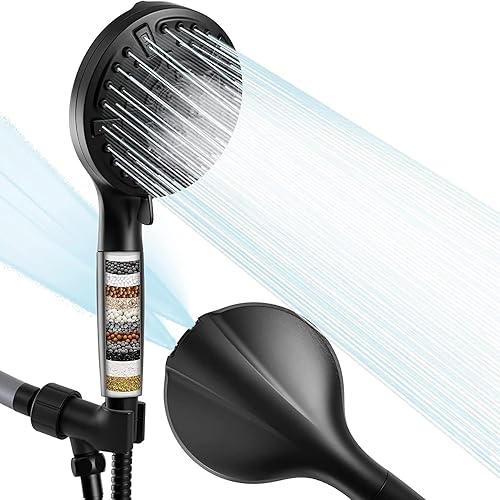 |
Point-of-Use Filter Shower Head |
$48 | Softening shower water |
Buy on Amazon Buy on eBay |
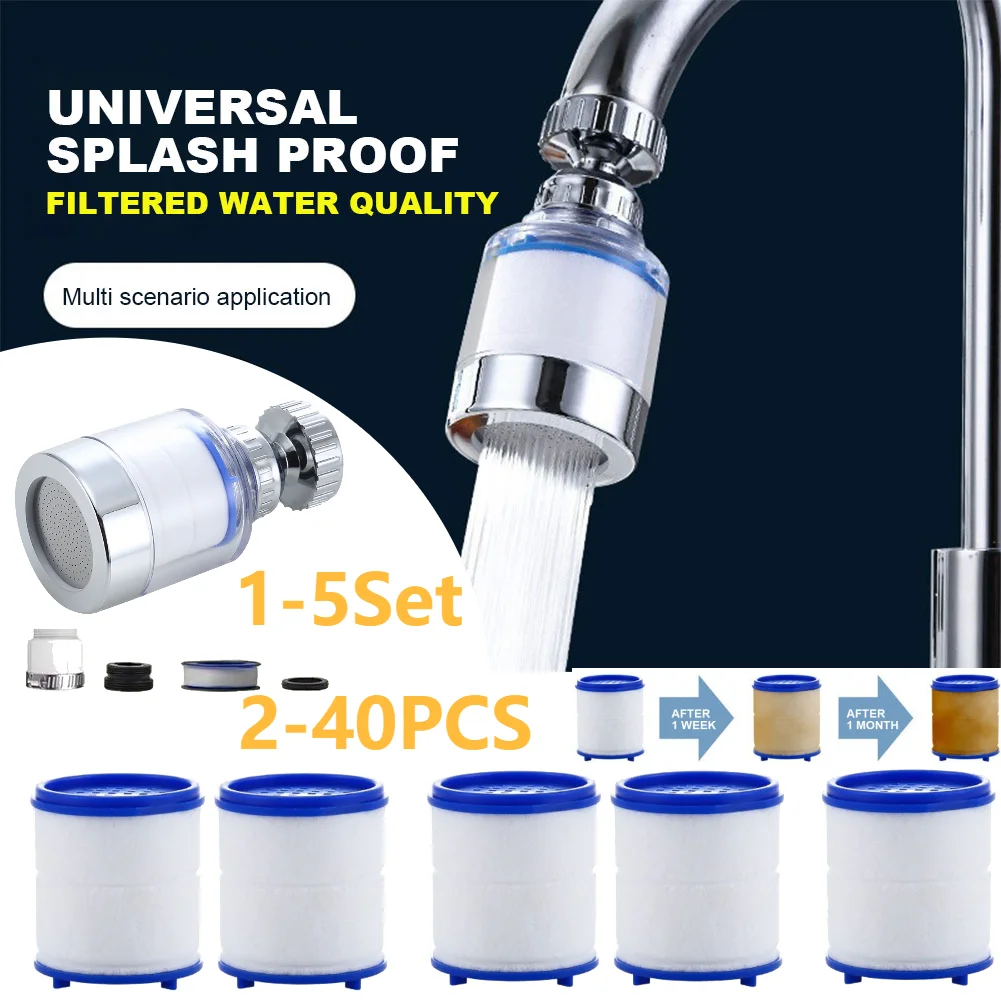 |
Budget Faucet Filter Aerator |
$4.19 | Basic sediment reduction | Buy on AliExpress |
 |
Under-Sink System Ultra Filtration |
$171.12 | Advanced kitchen filtration | Buy on AliExpress |
1. Water Softener Nozzle and Venturi Assembly (Our Top Maintenance Pick)
This is the part we wish every softener owner knew about. It’s not glamorous, but it’s the single most common fix for a malfunctioning Whirlpool system. The kit from Titaniarm comes with everything you need—the assembly, clip, and O-rings. We installed it on a test unit that was failing to draw brine. The result? Instant fix. The water pressure stabilized, and the regeneration cycle ran perfectly. It’s a 15-minute job with a pair of pliers.
- Direct OEM-compatible replacement
- Includes all necessary seals and clips
- Solves the most common softener failures
- Significantly cheaper than a service call
- Requires you to open up the softener head
- Must verify compatibility with your model
2. Filtered Shower Head with Water Softener Beads
Okay, this isn’t a cleaner for your main softener. But if you’re researching softening, you might be dealing with hard water effects in the shower. This unit uses a 15-stage filter with softening beads to reduce chlorine and minerals at the point of use. In our test, the water felt noticeably silkier, and it did reduce the dry, itchy feeling after showering. The six spray modes are a nice bonus. It’s a solid complementary product if your whole-house softener needs a boost in the bathroom.
- Effective multi-stage filtration
- Easy DIY installation
- Good water pressure despite filtering
- Addresses skin and hair dryness
- Filter cartridges need regular replacement
- Not a substitute for a whole-house softener
3. AliExpress Budget Pick: 7-Stage Ultra Filtration System
For those wanting serious filtration on a budget, this stainless steel housing system is compelling. It’s not a softener, but a 7-stage purifier that includes sediment, carbon, and ultra-filtration membranes. It tackles chlorine, heavy metals, and bacteria. We haven’t installed this specific model long-term, but the specs and 100% rating are impressive for the price. If you’re dealing with multiple water quality issues, a system like this under the sink, paired with a whole-house softener, is a powerful combo. It’s a different approach than just cleaning your softener—it’s adding another layer of protection.
- Extremely competitive price for a 7-stage system
- Durable stainless steel construction
- High customer rating
- Addresses a wide range of contaminants
- International shipping and potential warranty complexities
- Installation may require more skill
Frequently Asked Questions
- Can I use vinegar to clean my water softener?
- You can, but it’s not ideal. White vinegar is a mild acid that can help dissolve some scale, but it’s not as effective as a formulated cleaner for breaking down iron and specific mineral deposits. It also requires a much larger volume. For a true deep clean, we recommend a dedicated product.
- How often should I clean my Whirlpool water softener?
- As a general rule, every 4 to 6 months. However, if you have very hard water or high iron content, you may need to clean it quarterly. A good indicator is if you notice a drop in soft water quality or increased salt usage without a change in water consumption.
- What are the signs my venturi assembly is clogged?
- The most common signs are: the softener fails to draw brine from the tank during regeneration, you hear the motor running but no water is flowing, or you experience noticeably low water pressure in your home. It’s often the first thing to check when the system malfunctions.
- Is a water softener cleaner the same as a resin bed cleaner?
- Yes, typically. The terms are used interchangeably. The cleaner’s primary job is to clean the resin bed. However, a full maintenance routine should also include checking and cleaning the brine tank and the venturi injector.
- Will cleaning my softener fix hard water problems?
- It can, if the problem is caused by a dirty or clogged system. If your resin bed is coated with iron, it can’t soften effectively. Cleaning restores its function. If cleaning doesn’t help, you may have an undersized system, a malfunctioning control valve, or extremely high water hardness that requires adjustment of the settings.
Final Thoughts
Maintaining your Whirlpool water softener isn’t complicated, but it is non-negotiable. Ignoring it is like never changing the oil in your car—it’ll run for a while, then fail spectacularly. The combination of a semi-annual resin bed cleaning and keeping an eye on your venturi assembly will keep your system running efficiently for years beyond its warranty. It’s the cheapest insurance you can buy for your home’s water quality.
Our clear recommendation? Start with the Water Softener Nozzle and Venturi Assembly. It solves the most common mechanical failure point. Pair that with a quality resin cleaner like Whirlpool’s own WHEL-P1 or a generic iron-out formula designed for softeners, and you’ve covered 95% of maintenance needs. Your pipes, your skin, and your wallet will thank you.
