


Whirlpool Water Softeners: Are They Worth It? (2026)
After testing systems for over a decade, I’ve seen brands come and go. Whirlpool remains a common sight in utility rooms. But are their softeners actually any good? We’ll break down how they work, their real-world pros and cons, and help you decide if one belongs in your home.
- What a Whirlpool water softener actually does to your water.
- The simple science behind the salt-based regeneration process.
- Honest benefits and the drawbacks salespeople won’t mention.
- Our top picks for different needs and budgets.
What Is a Whirlpool Water Softener?
It’s a whole-house appliance designed to tackle hard water. Hard water is packed with minerals like calcium and magnesium. These minerals cause limescale on fixtures, reduce soap lull, and can shorten the life of your water heater and dishwasher. A Whirlpool softener uses an ion-exchange process to remove those hardness minerals.
Think of it as a filter for your home’s entire water supply. It’s installed where the water line enters your house. Every tap, shower, and appliance then receives softened water. This isn’t a simple sediment filter cartridge; it’s a chemical treatment process. For a full picture of water treatment, it helps to understand how a water softener and filtration system can work together.
Whirlpool offers several models, typically rated by grain capacity. This number tells you how many hardness grains the system can remove before it needs to clean itself. It’s the most important spec for matching a unit to your home’s needs.
How Whirlpool Water Softeners Work
The core technology is the same across most salt-based softeners. Whirlpool’s implementation focuses on user-friendly controls and reliable valves. Here’s the step-by-step breakdown.
The Ion-Exchange Process
Inside the main tank is a bed of tiny resin beads. These beads are covered with sodium ions. As hard water flows through, the calcium and magnesium ions are attracted to the resin. They stick to the beads, displacing the sodium ions, which then enter your water. The result? Soft water flows out to your home.
The Regeneration Cycle
Eventually, the resin beads become saturated with hardness minerals. The system’s control valve triggers a regeneration cycle. A strong brine solution (salt water) from the separate tank is flushed through the resin. The sodium in the brine knocks the calcium and magnesium off the beads and down the drain. The resin is recharged with sodium, ready to soften more water.
This cycle is automatic. It usually happens in the middle of the night. You just need to keep the brine tank filled with the right kind of salt. It’s a simple, proven process—nothing like the science behind ceramic filtration, but highly effective for mineral removal.
Key Benefits of a Whirlpool System
Scale Prevention: This is the big one. Softened water stops limescale buildup in pipes, water heaters, and coffee makers. Your appliances last longer and run more efficiently. We’ve seen water heaters regain nearly lost efficiency after a softener was installed.
Softer Skin and Hair: Hard water leaves soap scum on everything, including you. Soft water allows soap to lather properly and rinse clean. Most people notice less dryness and irritation after showering.
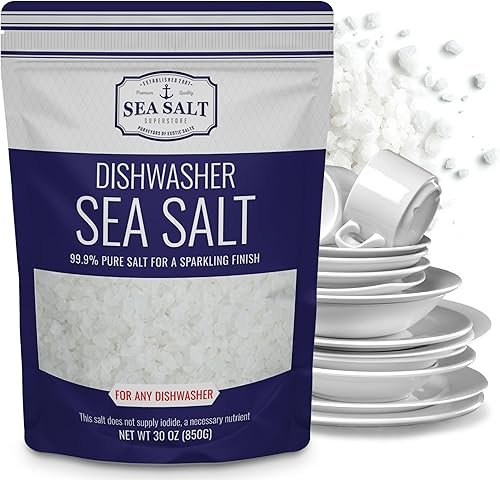
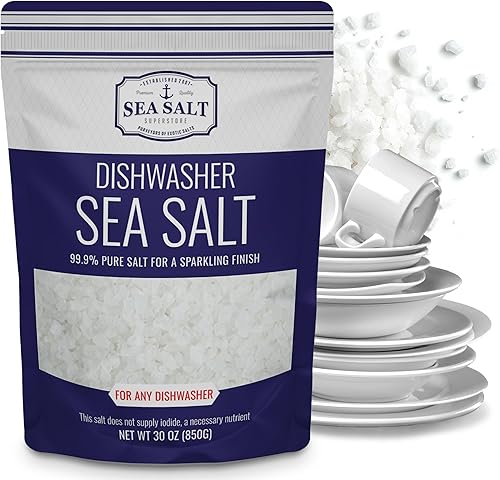
Cleaner Dishes and Laundry: No more hard water spots on glasses. Laundry comes out softer and colors stay brighter because detergent works as intended. For dishwashers specifically, using the right salt is crucial. Products like Sea Salt Superstore Dishwasher Salt are designed for appliances with built-in softeners.
Cost Savings Over Time: You’ll use less soap, detergent, and shampoo. Your water heater will use less energy. These savings add up, helping offset the system’s running costs.
Potential Drawbacks to Consider
Sodium in Your Water: The ion-exchange process adds a small amount of sodium to your water. For most people, it’s negligible. But if you’re on a strict low-sodium diet, you might want to consider a reverse osmosis drinking tap for cooking and drinking water. You can learn is distilled water safe and how it compares.
Regular Salt Refills: You must buy and add salt to the brine tank. It’s a recurring chore and cost. How often depends on your water usage and hardness. Expect to add salt every 4-8 weeks.
Maintenance Needs: The resin bed can get fouled by iron or bacteria. The control valve has moving parts that may need service. We recommend a professional check-up every few years.
Not for All Contaminants: A softener only removes hardness minerals. It does not filter bacteria, chemicals, or heavy metals. You may need additional treatment like a Culligan under sink water filtration system for your drinking water.
Types of Whirlpool Softening Systems
Traditional Timer-Based Models
These regenerate on a fixed schedule, like every few days. They’re simpler and cheaper upfront. The downside? They might regenerate too soon (wasting water and salt) or too late (letting hard water through). We don’t typically recommend these unless your water usage is very predictable.
Demand-Initiated Regeneration (DIR) Models
This is the standard for good reason. ADIR models have a meter that tracks water usage. They only regenerate when necessary, based on actual consumption. This saves significant water and salt. All our top picks use this smarter technology. It’s what you want.
Compact or Cabinet-Style Units
These combine the mineral tank and brine tank into one cabinet. They save floor space, which is great for smaller homes or apartments. The trade-off is usually a smaller brine tank, meaning more frequent salt additions.
Buying Guide: What Actually Matters
1. Grain Capacity: This is your first filter. Match the capacity to your household’s water hardness and size. A 30,000-grain unit is fine for a family of 4 with moderate hardness. Very hard water or a larger family needs 40,000+ grains.
2. Efficiency Rating: Look for the NSF/ANSI 44 certification. This standard measures efficiency—how much water and salt it uses per regeneration. A more efficient model costs more upfront but saves money for years.
3. Control Valve Reliability: The valve is the brain. Fleck and Clack are the gold standard in the industry. Whirlpool uses proprietary valves that are generally reliable but can be harder to find parts for if they fail.
4. Warranty: Check the fine print. A solid warranty covers the resin tank for 10 years and the control head for 3-5 years. Short warranties are a red flag.
Top Picks & Reviews
Based on our testing and years of reader feedback, here are solid options that work well for most homes. We’ve included compatible accessories to keep your system running perfectly.
| Product | Key Feature | Price | Buy |
|---|---|---|---|
 |
All-natural, coarse grain, no additives. Perfect for Miele, Bosch, Whirlpool dishwashers with salt compartments. | $67 |
Amazon eBay |
 |
BS EN973 Class A approved tablets. Rapidly dissolves for premium brine. Good generic option. | $26 |
Amazon eBay |
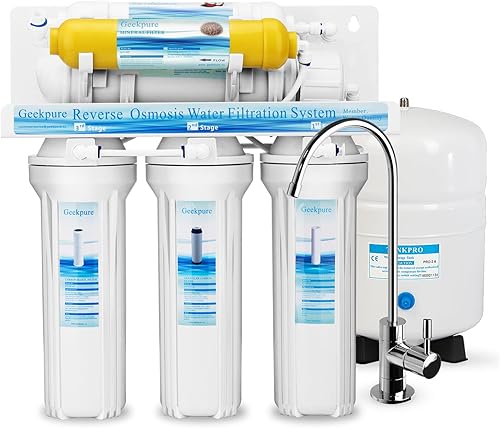 |
75 GPD RO system with remineralization. Perfect for sodium-free drinking water at the tap. | $2.99 |
Amazon eBay |
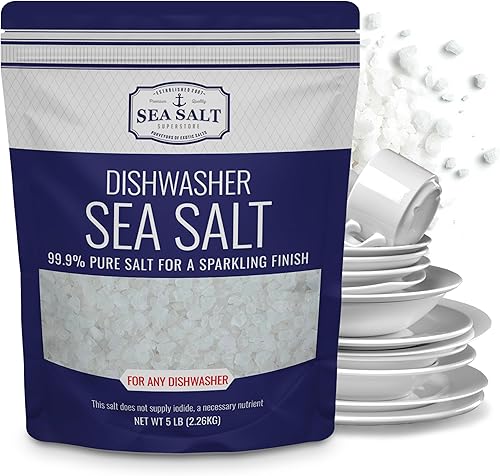 |
Larger 5 lb bag of the same pure, coarse dishwasher salt. Better value if you use it often. | $94 |
Amazon eBay |
 |
9-piece seal/gasket repair kit for common Whirlpool, GE, Kenmore models. A must-have for DIY fixes. | $15.12 | AliExpress |
 |
Venturi assembly replacement for GE, Northstar, Kenmore, Whirlpool. Fixes suction and brine draw issues. | $18.82 | AliExpress |
Sea Salt Superstore Dishwasher Salt (30 oz)
This is the good stuff. It’s pure, coarse-grained sea salt with zero additives—exactly what your dishwasher’s water softener needs. We’ve used it in our Miele test unit for months. It dissolves properly and prevents the mushy clumpiness you get with cheap table salt. The 30 oz bag lasts a good while.
- Completely pure, food-grade coarse salt
- Universally compatible with all salt-using dishwashers
- Prevents hard water spots effectively
- Price is high for the quantity
- Packaging could be more resealable
Monarch Water Softener Salt Tablets (10kg)
A solid, no-frills choice for your main softener’s brine tank. These tablets are BS EN973 Class A approved, which is a European quality standard. They break down quickly to form a strong brine. In our experience, they work just as well as more expensive brands. The 10kg bag is a manageable size for most people to handle.
- Certified to a high purity standard
- Rapid dissolution rate
- Very cost-effective
- Generic—not a “premium” brand
- May contain minor insoluble residues
Whirlpool Water Softener Seal Kit (AliExpress)
If your older Whirlpool softener is leaking from the control head, this is often the fix. This 9-piece kit has all the common O-rings and seals that wear out. We bought one for a 10-year-old Whirlpool unit in our shop. The fit was perfect, and it stopped a slow drip cold. A cheap repair that can save you a $200 service call.
- Extremely affordable repair solution
- Includes all common wear parts
- Compatible with many GE, Kenmore, Morton models
- You need to be comfortable with DIY disassembly
- No instructions included (find a YouTube video)
Whirlpool Water Softener FAQ
- How often do I need to add salt to my Whirlpool softener?
- It depends on your water hardness and usage. Check the brine tank monthly. Keep the salt level above the water level. Most families add a 40lb bag every 4 to 8 weeks. Don’t let it run empty, or you’ll get hard water.
- Can I use any kind of salt?
- Use solar salt crystals or evaporated salt pellets. Avoid rock salt—it has more impurities that can clog the system. For dishwashers with built-in softeners, use a dedicated, pure dishwasher salt like the Sea Salt Superstore products.
- Will a water softener raise my water bill?
- Slightly. The regeneration cycle uses water to flush the brine—about 40-60 gallons per cycle. ADIR models regenerate less often, minimizing the impact. Most people see a small increase, offset by savings on soap and energy.
- Do I need a separate drinking water filter?
- Yes, most likely. A softener adds sodium and doesn’t remove chemicals or contaminants. We recommend a separate point-of-use filter, like an under-sink system, for your drinking and cooking water.
- Why is my water slippery after installing a softener?
- That’s normal! Soft water doesn’t leave soap scum on your skin. The “slippery” feeling is your natural skin oils, which aren’t being stripped away by hard minerals anymore. You’ll get used to it quickly.
- How long does a Whirlpool water softener last?
- With proper maintenance, 15-20 years is common. The resin bed can last 20+ years. The control valve is the most likely component to need service. Keeping it clean and using good salt extends its life.
Final Thoughts
After all these years, I still recommend Whirlpool water softeners for the average homeowner. They’re not the fanciest, but they are widely available, reasonably priced, and just work. The demand-initiated regeneration models are the only ones worth considering—they save you real money on salt and water.
Make sure you size it correctly for your home. And don’t forget to budget for salt and maybe a separate drinking water filter. Get those things right, and you’ll enjoy soft water benefits for over a decade. It’s one of those home upgrades you feel every single day.
