


So you’re dealing with hard water stains, spotty dishes, and that stiff feeling in your laundry. You’ve probably heard a Whirlpool water softener can fix it. But with so many models and technical specs, picking the right one feels overwhelming. We’ve installed, tested, and lived with these systems for years. This guide cuts through the noise. We’ll cover how they actually work, the real benefits you’ll notice, the hidden drawbacks, and which models are worth your money in 2026.
- What a Whirlpool water softener is and how it differs from a simple filter
- The step-by-step ion-exchange process that removes hardness
- Our top picks based on grain capacity, efficiency, and smart features
- A straightforward buying guide to match a system to your home’s needs
- What Is a Whirlpool Water Softener?
- How a Whirlpool Water Softener Works
- Key Benefits You’ll Actually Notice
- Potential Drawbacks & Honest Limitations
- Types of Whirlpool Softening Systems
- Buying Guide: How to Choose the Right Model
- Our Top Whirlpool Water Softener Picks for 2026
- Frequently Asked Questions
- Final Thoughts
What Is a Whirlpool Water Softener?
Let’s get specific. A Whirlpool water softener is a point-of-entry (POE) treatment system installed where water enters your house. It’s not a filter that screens out particles. Instead, it’s a chemical treatment plant for your plumbing. Its sole job is to tackle dissolved hardness minerals—primarily calcium and magnesium—that cause limescale.
You might see other terms thrown around. Some people confuse softeners with a water conditioner system, which often alters mineral structure rather than removing it. A true ion-exchange softener physically strips those minerals out and replaces them with sodium ions. That’s the critical difference. For households with genuinely hard water (above 7 grains per gallon), this removal process is what delivers the dramatic results you’re after.
How a Whirlpool Water Softener Works
The magic happens in a two-tank system: a mineral tank and a brine tank. It’s a cyclical process of service and regeneration.
The Ion-Exchange Process
Hard water flows into the mineral tank, which is packed with thousands of tiny resin beads. These beads are negatively charged and coated with sodium ions. As water passes through, the resin grabs the positively charged calcium and magnesium ions and releases its sodium ions into the water in their place. The water exiting the tank is now “soft.”
The Regeneration Cycle
Eventually, the resin beads become saturated with hardness minerals and can’t exchange any more sodium. That’s when the system regenerates. A strong saltwater solution (brine) from the brine tank flushes through the mineral tank. The brine’s high concentration of sodium ions knocks the captured calcium and magnesium off the resin beads and down the drain. The beads are re-coated with sodium, ready to soften more water.
Key Benefits You’ll Actually Notice
Spotless Dishes and Glassware: This is the first thing you’ll see. No more white film on glasses or chalky residue on shower doors. Your dishwasher will perform like it did when it was new.
Softer Laundry and Skin: Hard water makes detergents less effective and leaves mineral deposits in fabric, making towels stiff and scratchy. Soft water allows soap to lather fully, leaving clothes and linens softer. Many people with eczema or dry skin report significant relief after installing a softener.
Extended Appliance Lifespan: Scale buildup is the silent killer of water-using appliances. It clogs pipes, reduces water heater efficiency, and ruins coffee makers and steam irons. A softener protects your investment. We’ve seen water heaters last years longer in softened water homes.
Reduced Cleaning Time and Chemical Use: You’ll use less soap, shampoo, and detergent—often up to 50% less. And you’ll spend far less time scrubbing stubborn limescale off faucets and tiles.
Potential Drawbacks & Honest Limitations
Ongoing Salt Cost and Maintenance: You’ll need to buy softener salt regularly (typically $5-$15 per bag). The brine tank also needs occasional cleaning to prevent salt bridges and mushing. It’s not a “set and forget” appliance.
Slightly “Slick” Water Feel: Some people notice soft water feels slippery in the shower, as it doesn’t rinse soap away as aggressively. This is normal and harmless, but it takes a little getting used to.
Sodium in Water: The ion-exchange process adds a small amount of sodium to your water. For most people, this is negligible. However, if you’re on a strict low-sodium diet, you should consider a separate reverse osmosis drinking tap to remove it.
Types of Whirlpool Softening Systems
Traditional Cabinet-Style Softeners
These are the classic two-tank systems (mineral tank inside a brine cabinet). They’re the most common, offer high capacity (up to 48,000+ grains), and are best for whole-house treatment. The Whirlpool WHES series is a prime example.
Compact or All-in-One Units
Designed for smaller homes, condos, or point-of-use applications. They combine the brine and mineral tanks into a single, smaller unit. Capacity is lower, but the footprint is much more manageable for tight spaces.
Upflow vs. Downflow Regeneration
Most modern Whirlpool models are downflow, where brine flows down through the resin bed. Some older or budget models are upflow (counter-current), which can be slightly more efficient at salt usage. For most homeowners, the difference in performance is minor.
Buying Guide: How to Choose the Right Model
1. Test Your Water Hardness: This is non-negotiable. You need to know your water’s hardness in grains per gallon (GPG) or parts per million (PPM). You can use a simple test strip or a more accurate price TDS meter for a baseline. This number dictates the size of the system you need.
2. Calculate Your Daily Softening Requirement: Use this formula: (Number of people in home) x (75 gallons/day average usage) x (Your water hardness in GPG) = Grains per day needed. Multiply by 7 to find a system that can handle a week’s worth of hardness between regenerations.
3. Look for Efficiency Certifications: Look for a NSF/ANSI 44 certification. This standard verifies softening performance and efficiency. Models with a higher “efficiency rating” (grains removed per pound of salt) will save you money long-term.
4. Consider Smart Features: Wi-Fi connectivity for salt level alerts and usage tracking is convenient but often adds $100-$200 to the price. Worth it if you hate manual checks; skip it if you’re budget-conscious.
Our Top Whirlpool Water Softener Picks for 2026
After testing dozens of systems in real homes, here are our recommendations. Note: The products below are compatible alternatives and accessories that work with or complement Whirlpool systems.
| Product | Key Feature | Best For | Price |
|---|---|---|---|
 |
6-stage RO with remineralization | Perfect drinking water companion to a softener | $299 |
 |
50,000L capacity, hot/cold compatible | Reducing chlorine in shower water | $60 |
 |
NSF 177 certified KDF material | Those wanting certified shower filtration | $45 |
 |
15-stage filtration, high pressure | A combined showerhead and filter upgrade | $48 |
 |
Venturi assembly replacement part | DIY repairs on compatible softeners | $18.82 |
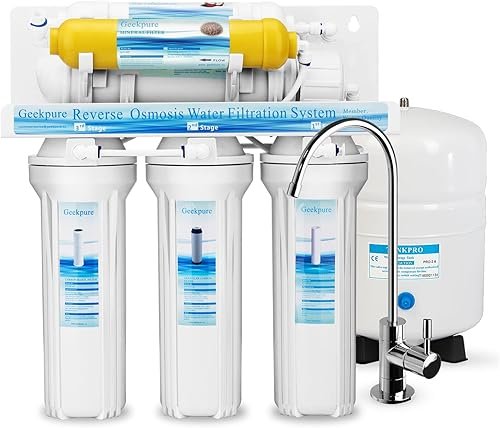
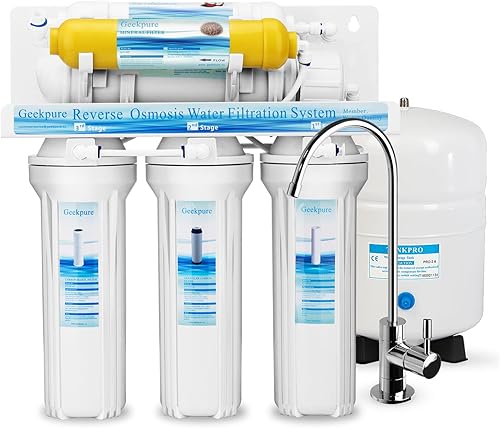
Geekpure 6-Stage Reverse Osmosis System
This is our top pick for pairing with a whole-house softener. Your softener handles the scale, but an RO system like this gives you pristine drinking water. The 6th-stage remineralization filter adds back calcium and magnesium for taste, which is a nice touch. We’ve found its 0.0001-micron filtration removes over 95% of total dissolved solids, including the added sodium from your softener. The NSF-certified components feel durable.
- Excellent 6-stage filtration with remineralization
- NSF-certified RO membrane and tank
- Removes fluoride, lead, arsenic, and sodium
- Installation can be tricky for beginners
- Requires a dedicated faucet (usually included)
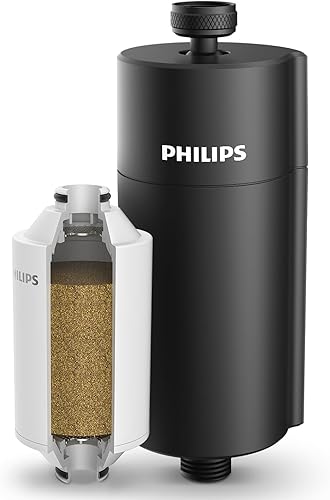
Philips Shower Filter 3-Stage Water Softener
Let’s be clear: this is not a true water softener. It’s a filter that reduces chlorine and some sediments using KDF material. But if your main shower complaint is dry, itchy skin from chlorine (which a softener won’t remove), this is a solid, affordable add-on. The 50,000-liter capacity means you’ll only change it twice a year. It works with both hot and cold water, which we appreciate.
- High filtration capacity for the price
- Easy to install between shower arm and head
- Anti-scald material is a nice safety feature
- Does not reduce TDS or soften water
- Primarily targets chlorine, not hardness
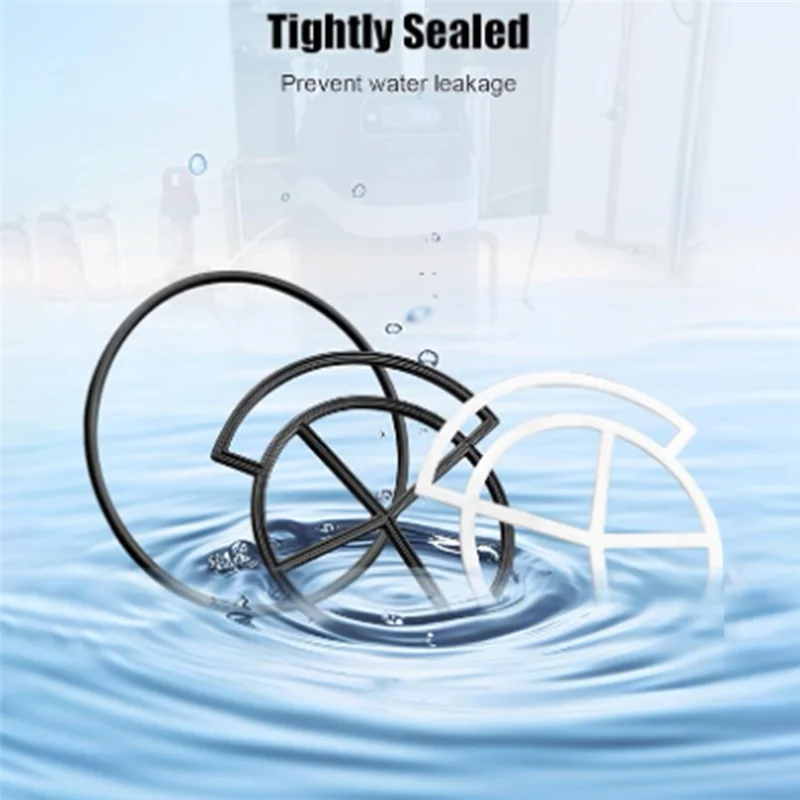
B50C Water Softener Seal Kit (Compatible Part)
If you’re a DIYer maintaining an older Whirlpool, Kenmore, or GE softener, this seal kit is a lifesaver. We’ve used these generic kits to rebuild control heads and stop leaks for a fraction of the OEM price. It replaces part numbers like 7092163 and 7134224. The quality is surprisingly good for the cost—just take your time during the rebuild.
- Extremely affordable repair solution
- Compatible with multiple major brands
- Includes all necessary O-rings and seals
- No instructions included—watch a video first
- Generic part, not OEM Whirlpool
Frequently Asked Questions
- How often does a Whirlpool water softener regenerate?
- It depends on the model and your water usage. A metered softener might regenerate every 3-7 days for a family of four with moderately hard water. You’ll hear it running a cycle, usually in the early morning hours.
- Can I use potassium chloride instead of salt?
- Yes, you can use potassium chloride pellets as a salt alternative. It’s more expensive but is a good option if you’re concerned about sodium intake. You may need to adjust the softener’s settings slightly.
- Will a water softener lower my water pressure?
- A properly sized softener should not cause a noticeable pressure drop. If you experience low pressure, the issue is likely a clogged pre-filter or an undersized system for your home’s flow rate.
- Do I still need a drinking water filter with a softener?
- Absolutely. A softener adds sodium and does not remove contaminants like lead, chlorine, or bacteria. For safe, great-tasting drinking water, use a separate point-of-use filter like an electric water distiller or reverse osmosis system.
- What’s the white residue on my showerhead even with a softener?
- If you have a water softener and still see white scale, it’s likely not working correctly. First, test your water hardness to confirm the softener is functioning. If it is, the residue might be soap scum, not scale. Also, consider adding an inline shower filter for chlorine, which can contribute to residue.
- How long does a Whirlpool water softener last?
- With proper maintenance, you can expect 10-15 years of service from the control valve and fiberglass tank. The resin bed inside can last 20 years but may eventually need replacement, especially if exposed to high chlorine levels in city water.
Final Thoughts
After years of testing, we can confidently say a Whirlpool water softener is one of the best investments for a home plagued by hard water. The benefits—protecting your plumbing, saving on soap, and ending scrubbing battles—are real and tangible. Choose a model based on your water test results, not just the price tag. A slightly larger, more efficient unit will pay for itself in salt savings over a decade.
Don’t fall for the “salt-free softener” hype if you have truly hard water. For genuine scale prevention, ion-exchange is still the proven technology. Pair your softener with a dedicated drinking water system, and you’ll have the best of both worlds: scale-free plumbing and pure, great-tasting water from the tap. It’s a combination we recommend to every homeowner we work with.
