



So, you’re looking at a property with a well, or maybe you’ve just moved in. The freedom is great. No water bill. But there’s a nagging question: how does this actually work, and is the water safe? I’ve spent years testing filters, talking to well drillers, and helping homeowners troubleshoot. Let’s cut through the confusion.
This guide covers the entire system, from the underground aquifer to your shower head. We’ll look at the core components, the real benefits, the hidden headaches, and what you absolutely must do to protect your family’s water.
What Is a Well Water System?
A well water system is your personal, private water supply. Instead of paying a utility for treated water from a reservoir, you’re pulling it straight from the ground beneath your feet. It’s a self-contained setup that gives you control—and total responsibility.
At its heart, it’s a hole drilled into an aquifer (an underground layer of water-bearing rock), capped with a sanitary seal, and equipped with a pump. That’s the simple version. The reality involves a bit more engineering to get consistent, safe water pressure into your home. In our experience, the single biggest misunderstanding is that “natural” groundwater is always pure. It’s not. It picks up minerals, and can be contaminated by surface runoff, agricultural chemicals, or naturally occurring elements like arsenic or radon.
That’s why understanding the full picture of water filtration technology isn’t just helpful—it’s essential for any well owner.
How Well Water Works: The Journey to Your Tap
Let’s trace the path. It’s a closed-loop system that runs automatically once set up correctly.
1. The Aquifer and Well Casing
It starts deep underground. A driller bores a hole until they hit a productive aquifer. They then insert a well casing—a sturdy pipe, usually PVC or steel—to keep the hole from collapsing and to prevent surface contaminants from seeping in. At the bottom, a screen filters out sand and large debris. The well’s depth varies wildly; it could be 30 feet or 300 feet deep, depending on your local geology.
2. The Pump: Submersible vs. Jet
This is the engine. Most modern wells use a submersible pump, a cylinder sitting down in the well below the water line. It’s efficient and quiet. Older or shallow wells might use a jet pump, located above ground, which uses suction to pull water up. We’ve found submersibles to be more reliable for most homeowners.
3. The Pressure Tank: Your Home’s Buffer
When the pump pushes water up, it goes first to a pressure tank inside your home (often in the basement or a utility closet). This tank contains a rubber bladder. As water fills it, air in the bladder is compressed. This stored pressure is what allows water to flow forcefully from your faucets without the pump cycling on and off every second. The pump kicks on when pressure drops to a set low point (like 30 PSI) and shuts off at a high point (like 50 PSI).
4. Treatment: Where You Come In
From the pressure tank, water is ready for treatment before it hits your drinking glass. This is the critical, non-optional step. A typical setup might include a sediment filter (5-micron) to catch rust particles, followed by a carbon filter for taste and odor. Depending on your water test results, you might need a UV light for bacteria, an iron filter, or a water softener. Speaking of which, if your test shows hardness, you’ll need to figure out what size water softener you need based on your family’s usage and water hardness level.
Key Benefits of Well Water
No Monthly Water Bill: This is the big one. After the initial setup cost, your water is essentially free, minus electricity for the pump and treatment costs.
Independence and Control: You’re not subject to municipal water restrictions, boil notices, or rate hikes. You manage your own supply.
Often Better Mineral Content: Natural groundwater can be rich in beneficial minerals like calcium and magnesium. Some people prefer the taste. If you want to enhance this further, you could look into an alkaline water filtration system to adjust pH and mineral balance.
Self-Sufficiency: For homesteaders or those in rural areas, a well is a cornerstone of off-grid living. It pairs perfectly with other independent systems.
Potential Drawbacks & Headaches
Upfront Cost: Drilling a new well is expensive, often thousands of dollars. Then you add the pump, pressure tank, and treatment system.
Maintenance Responsibility: You must test your water annually (or if taste/odor changes) and maintain all equipment. Filters need changing, softeners need salt, UV bulbs need replacing.
Water Quality Variables: Your water can change. Nearby construction, agricultural runoff, or natural geological shifts can introduce new contaminants. What tested safe last year might not be this year.
Power Dependency: As mentioned, no power usually means no water. It’s a single point of failure.
Types of Well Systems
Dug Wells
These are shallow (10-30 feet), wide holes, often lined with stone or brick. They’re old-school and highly vulnerable to surface contamination. Honestly, we rarely recommend them for new installations unless there’s no alternative.
Driven Wells
Created by hammering a narrow pipe into the ground. They’re quicker and cheaper than drilling but only work in soft, sandy soil. They’re also relatively shallow (up to 50 feet) and can be contaminated.
Drilled Wells
The modern standard. A drilling rig creates a deep (often 100+ feet), narrow hole cased in steel or PVC. They access deeper, better-protected aquifers and are the most reliable and safe option. This is what you want.
Buying Guide: What You Actually Need
Forget the fancy gadgets at first. Start with the non-negotiables.
1. Get a Comprehensive Water Test: This is step one, two, and three. Don’t buy a single filter until you know what’s in your water. Test for bacteria, nitrates, pH, hardness, iron, manganese, and any local contaminants of concern.
2. Size Your System Correctly: Your pump and pressure tank must match your home’s peak demand (how many showers, appliances running at once). An undersized system leads to terrible pressure. Your treatment system, like a whole house water purification setup, must be sized for your flow rate and specific contaminants.
3. Prioritize Based on Test Results: Don’t buy a $2,000 reverse osmosis system if your only problem is sediment. A simple spin-down filter might do. If hardness is your main issue, focus on that. Knowing your water softener hardness level is key to choosing the right unit.
4. Plan for Maintenance: Choose systems with widely available filters and parts. Set calendar reminders for filter changes and annual tests.
5. Consider a Backup: A small generator or even a large water storage tank can save you during a power outage.
Top Picks & Resources for Well Owners
While we focus on filtration, owning a well often goes hand-in-hand with a broader self-sufficient lifestyle. These resources have been recommended by our readers who are serious about independence.
| Product | Key Focus | Price | Links |
|---|---|---|---|
 |
Offgrid Retirement: The Complete Guide A deep dive into the practicalities of off-grid living, homesteading, and financial freedom. Covers water, power, and land. |
$27 |
Buy on Amazon Buy on eBay |
 |
Offgrid Retirement (Updated Edition) The same trusted guide at a more accessible price point. Perfect if you’re just starting to explore the idea. |
$11 |
Buy on Amazon Buy on eBay |
 |
The Power Foundation Focuses on energy independence and battery systems—a must-read if your well pump needs reliable backup power. |
$20 |
Buy on Amazon Buy on eBay |
 |
The Power Foundation (Book 1) The first book in the Energy Island series. A strategic framework for understanding your energy needs from the ground up. |
$11 |
Buy on Amazon Buy on eBay |
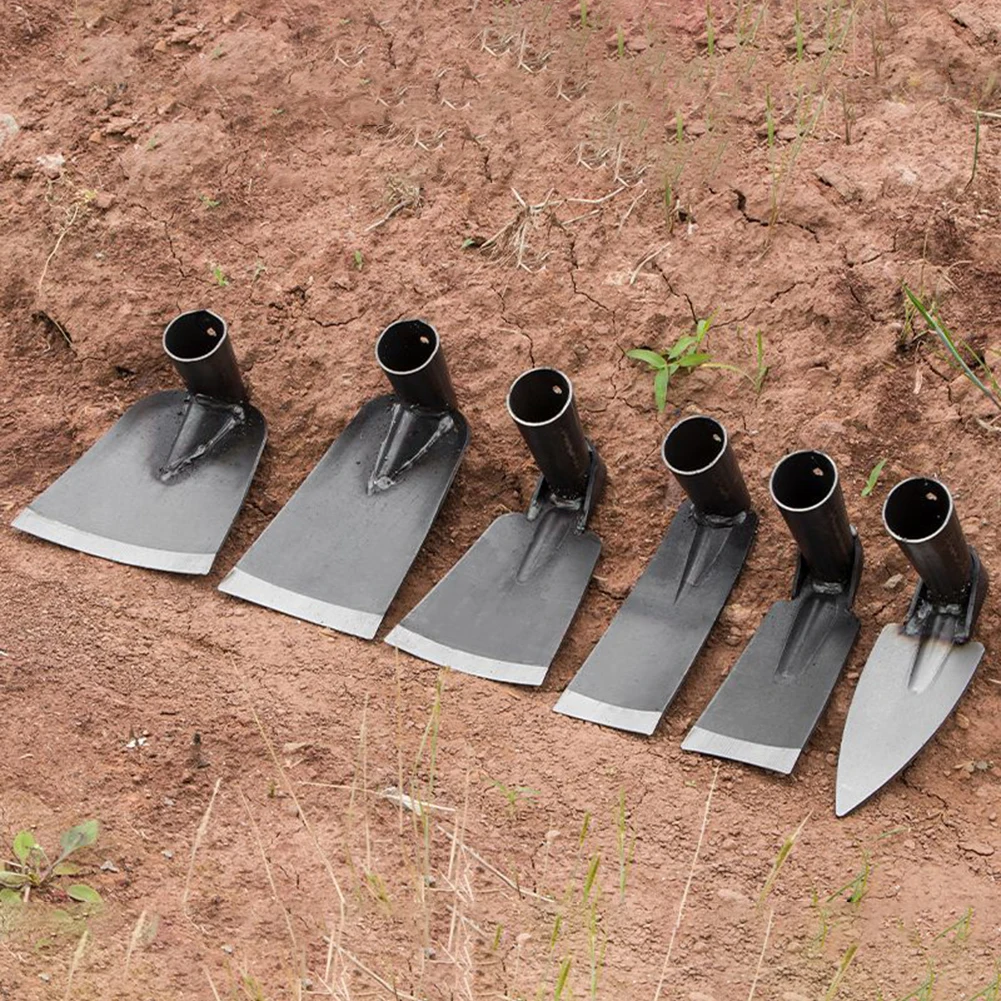
AliExpress Budget Pick: Small Garden Hoe
If your well head or septic field has a garden area you maintain, a simple, sturdy hand tool is worth its weight in gold. This one is surprisingly durable for the price. It’s perfect for quick weeding around your well casing to keep the area clear and sanitary—something many new well owners overlook. The rating is solid, and it’s a fraction of the cost of hardware store brands.
- Extremely affordable
- Good for precise weeding
- 90% positive rating
- Not for heavy-duty digging
- Shipping can be slow

AliExpress Budget Pick: Premium All-Steel Hardened Hollow Hoe
For tougher jobs—like breaking up compacted soil around a new well installation or clearing a path for equipment—this hardened steel hoe is a step up. It feels solid in the hand and the hollow design reduces weight without sacrificing strength. We’ve used similar tools for site prep. It’s a practical, no-frills tool for the well owner who does their own yard work.
- All-steel construction is durable
- Hollow design reduces fatigue
- Rust-resistant coating
- Heavier than basic models
- Price is higher (but still good value)
Frequently Asked Questions
- How does well water work in a house?
- A pump sends water from the underground well to a pressure tank in your home. This tank stores water under pressure, so it flows to your faucets on demand. Before use, it typically passes through treatment filters to remove contaminants specific to your groundwater.
- Is well water safe to drink?
- It can be, but only if properly tested and treated. Unlike city water, no one monitors it for you. You must test it annually for bacteria, nitrates, and local contaminants. A treatment system based on those results is mandatory for safety.
- What are the disadvantages of well water?
- The main drawbacks are upfront cost, ongoing maintenance responsibility, and vulnerability to power outages. You also bear all water quality testing and treatment costs. Contamination from surface runoff or changing groundwater conditions is a constant risk you must manage.
- How often should you test well water?
- Test it at least once a year. Also test if you notice a change in taste, odor, or color, or if there’s a nearby chemical spill, flood, or new construction. Pregnant households should test for nitrates more frequently.
- Does well water need a water softener?
- Only if a water test shows high hardness (calcium and magnesium). Well water is often hard, but not always. A softener prevents scale buildup in pipes and appliances. Check your water softener hardness level to know for sure.
- Can well water run out?
- Yes, during droughts or if the aquifer is over-pumped. The well’s recovery rate (how fast water flows back in) can be slower than your usage. Conserving water and having a storage tank can help during dry spells.
- What filter do I need for well water?
- It depends entirely on your water test results. Common needs are a sediment pre-filter (5 micron), a carbon filter for taste/odor, and specific filters for iron, manganese, or bacteria (like UV). A generic “whole house” filter may not address your specific issues.
Final Thoughts
Owning a well is a commitment to independence. It’s incredibly rewarding, but it’s not passive. The system itself is elegantly simple—pump, pressure, treat. The complexity comes from being your own water quality manager. Start with a solid water test, build your treatment system from that data, and maintain it diligently.
Don’t let the responsibility scare you off. With the right setup and a bit of knowledge, you’ll have reliable, high-quality water that you control completely. And that’s a level of self-sufficiency that’s hard to beat. For more on treating your specific water issues, explore our guides on fridge air filters (yes, they affect water taste!) and all aspects of home water quality.
