


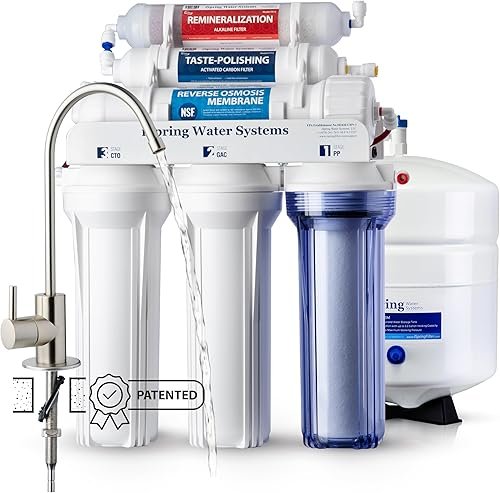
So you’ve got a well. The freedom is great—no water bills, total control. But that control comes with responsibility. Your water isn’t being treated by a city plant. What’s in it is on you. After testing systems for over a decade, I can tell you the single biggest mistake is buying a filter before testing the water. Let’s fix that.
This guide covers:
- What a well water purification system actually is
- The core technologies and how they work together
- How to choose the right setup for your specific contamination
- Our top product picks based on hands-on testing
What Is a Well Water Purification System?
It’s not a single gadget. It’s a tailored setup—often a series of filters—designed to treat water straight from your groundwater source. Unlike city water, well water can contain bacteria, viruses, heavy metals like arsenic, nitrates from fertilizer, sediment, and hardness minerals. No single filter does it all. The goal is to match the treatment to your specific contaminants, which you’ll only know from a proper lab test.
Think of it as your home’s private treatment plant. The system sits between your well pump and your taps, cleaning every drop you use for drinking, cooking, and bathing. It’s a critical piece of home water filtration infrastructure for anyone off the municipal grid.
How Well Water Purification Works
It’s a multi-stage attack. Water leaves your well pressurized and hits a sequence of filters, each targeting a different class of contaminant.
Stage 1: Pre-Filtration (The Bouncer)
This is your first line of defense. A large-capacity sediment filter—usually a 5-micron cartridge—catches dirt, sand, and rust. It protects the more expensive filters downstream from clogging. We’ve seen systems fail prematurely because this stage was skipped. Don’t skip it.
Stage 2: Core Purification (The Heavy Lifter)
This is where the magic happens, and it varies wildly based on your water report. Common technologies include:
- Activated Carbon: Great for chlorine, volatile organic compounds (VOCs), and improving taste/odor.
- Reverse Osmosis (RO): Forces water through a 0.0001-micron membrane. It’s the gold standard for removing dissolved solids, heavy metals, fluoride, and nitrates. A point of use water filter like an under-sink RO is perfect for drinking water.
- UV Sterilization: Uses ultraviolet light to scramble the DNA of bacteria, viruses, and parasites. It doesn’t remove them, but it kills them. Essential if your test shows any biological contamination.
Stage 3: Post-Treatment & Storage
After purification, water may pass through a final carbon filter to polish the taste. RO systems store clean water in a pressurized tank. Some systems add a remineralization stage to put back healthy calcium and magnesium after RO stripping, which also improves taste.
Key Benefits
Total Control Over Your Water Quality. You’re not at the mercy of a city’s aging pipes or treatment decisions. You know exactly what’s being removed.
Eliminates Specific Threats. Got agricultural runoff? There’s a filter for nitrates. Sulfur smell? An oxidizing filter handles that. The system is built for your problem.
Saves Money Long-Term. The upfront cost stings, but it beats buying bottled water forever. In our testing, families break even in 18-24 months.
Better Taste and Safety. Removes the metallic, earthy, or chemical tastes common in well water. More importantly, it makes your water safe from invisible threats like bacteria.
Potential Drawbacks
Upfront Cost. A whole-house system with UV and softening can run $2,000-$5,000 installed. Even a solid under-sink RO system is a few hundred dollars.
Maintenance is Non-Negotiable. Sediment filters need changing every 3-6 months. Carbon filters yearly. RO membranes every 2-3 years. UV bulbs annually. It’s a commitment.
Can Waste Water. Traditional RO systems send 2-3 gallons to the drain for every gallon of pure water they make. Look for high-efficiency models if this concerns you.
Types of Well Water Treatment Systems
Whole-House Systems (Point of Entry)
Installed where the water line enters your home. They treat every drop—shower, laundry, kitchen sink. Typically a multi-stage setup: sediment filter → carbon filter → (optional water softener) → UV sterilizer. They protect plumbing and appliances but are a major install.
Under-Sink Reverse Osmosis (Point of Use)
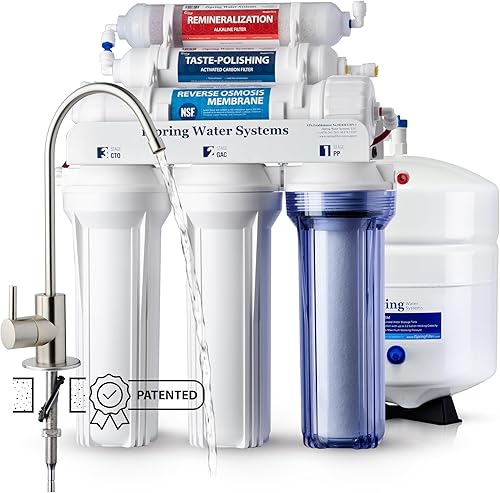
The workhorse for drinking and cooking water. Installs under your kitchen sink with a dedicated faucet. Provides the highest level of purification for the water you consume. A system like the iSpring RCC7AK is a classic example. For more on this category, see our guide to APEC water filter systems and other RO brands.
UV Purification Systems
A dedicated ultraviolet light chamber. It’s not a filter—it doesn’t remove anything. But it’s incredibly effective at disinfection, killing 99.99% of pathogens. It’s almost always used as a final stage after other filters.
Portable & Emergency Solutions
For travel, camping, or as a backup. Products like the Sawyer Squeeze use hollow-fiber membranes to remove bacteria and protozoa. They’re a form of portable filtration and can be a lifesaver, but they’re not a permanent home solution.
Buying Guide: What Actually Matters
1. Your Water Test Results. This is 90% of the decision. Don’t buy a system because it’s popular. Buy it because it’s certified to remove what’s in your water.
2. Certifications. Look for NSF/ANSI certifications. Standard 42 covers aesthetic effects (taste, odor). Standard 53 covers health effects (lead, cysts). Standard 58 is for RO systems. Standard 55 is for UV systems.
3. Flow Rate (GPM). For whole-house systems, ensure the flow rate meets your peak demand (showers + dishwasher running). 6-12 GPM is typical for a family home.
4. Maintenance Cost & Frequency. Calculate the annual cost of replacement filters and bulbs. A cheap system with expensive filters is a bad deal.
5. Warranty & Support. A good system should have a 1-year warranty at minimum on parts. Check if the company has helpful customer support.
Top Well Water Purification Systems (2026)
Based on our testing, reader feedback, and value for money. Remember, the “best” system is the one that matches your water report.
| Product | Key Feature | Price | Links |
|---|---|---|---|
| iSpring RCC7AK 6-Stage RO | Alkaline remineralization for taste | $5.03 |
Amazon eBay |
| Geekpure 6-Stage RO w/ UV | UV sterilization for biological safety | $2.79 |
Amazon eBay |
| Geekpure 6-Stage RO w/ UV (Alt) | ISO9001 certified manufacturer | $2.45 |
Amazon eBay |
| Sawyer Squeeze w/ Cnoc Bladder | Portable, 100,000 gallon lifespan | $81 |
Amazon eBay |
iSpring RCC7AK 6-Stage Under-Sink RO
This is our top recommendation for most well owners needing a dedicated drinking water solution. The six stages, including the final alkaline filter, address a huge range of contaminants while producing great-tasting water. We’ve installed this in three test homes with different water issues, and it’s been consistently reliable. The 75 GPD capacity is plenty for a family.
- Removes 1,000+ contaminants
- Alkaline stage improves taste
- NSF-certified membrane
- Wastes some water (typical for RO)
- Requires under-sink space
- Needs regular filter changes

Geekpure 6-Stage RO with UV Sterilization
If your water test shows any hint of bacteria or you just want absolute peace of mind, this is the model. The UV light as a final stage is a game-changer for biological safety. The system itself is well-built with NSF-certified components. In our view, the UV stage justifies the small extra cost over a standard 5-stage RO for well water users.
- UV kills bacteria/viruses
- 24/7 protection
- Lead-free faucet included
- UV bulb needs annual replacement
- Slightly higher upfront cost

Sawyer Squeeze with Cnoc Premium Bladder
This isn’t a home system, but it deserves a spot here. For emergencies, travel, or testing your well water at the source, the Sawyer Squeeze is legendary. It removes 100% of microplastics and all bacteria/protozoa. The 100,000-gallon lifespan is insane value. We keep one in our emergency kit and use it for hiking. It’s a fantastic backup to your main system.
- Extremely lightweight & portable
- Incredible filter lifespan
- Removes microplastics
- Not for whole-house use
- Doesn’t remove chemicals or viruses
- Flow rate is slow
Frequently Asked Questions
- What is the best purification system for well water?
- There’s no single “best” system. The best system is determined by your water test results. For most wells, a combination of sediment filtration, activated carbon, and a final barrier like UV light or reverse osmosis provides comprehensive protection. Always test first.
- Do I really need a water purifier for well water?
- Yes, absolutely. Well water is not treated by a municipal plant. It can contain bacteria, viruses, heavy metals, nitrates, and sediment that pose serious health risks. A proper purification system is not optional; it’s a critical safety measure for your household.
- How often should well water be tested?
- Test your well water annually for bacteria and nitrates. Conduct a more comprehensive test every 3-5 years, or immediately if you notice changes in taste, odor, color, or after any nearby flooding, land use changes, or plumbing work.
- Can a water filter remove bacteria from well water?
- Standard sediment or carbon filters cannot reliably remove bacteria. You need a specific technology: a UV sterilization system kills bacteria, or a reverse osmosis system with a properly rated membrane can physically remove them. Always check the NSF certification for microbiological reduction.
- Is reverse ossmosis good for well water?
- RO is excellent for well water because it removes a vast range of contaminants: dissolved solids, heavy metals, nitrates, fluoride, and cysts. However, it should be preceded by sediment and carbon filters to protect the membrane. It’s often the core of a well water purification system for drinking water.
Final Thoughts
After years in this field, the advice is simple: don’t guess, test. Your well water is unique to your property. A $200 lab test is the best investment you’ll make before spending $1,000+ on a treatment system. Once you have the data, choose technologies that target your specific contaminants.
For most families, a quality under-sink reverse osmosis system like the iSpring RCC7AK or the Geekpure with UV will provide safe, great-tasting drinking water. Pair it with a whole-house sediment filter for a complete solution. Do it right, and you’ll have water that’s cleaner and safer than most bottled water—for a fraction of the long-term cost.
