


The Best Well Water Filter System for Your Home (2026)
If you’re on well water, you’re the CEO of your own water utility. That means the good (no monthly bills) and the bad (all the treatment is on you). I’ve spent years testing filters, crawling into crawlspaces, and talking to plumbers. The single biggest mistake? Buying a generic filter without knowing what’s actually in your water. This guide cuts through the noise. We’ll cover how these systems work, what to look for, and review the systems that actually deliver clean, safe water from your tap.
What Is a Well Water Filter System?
A well water filter system is a point-of-entry or point-of-use treatment setup designed specifically for the unique challenges of groundwater. Unlike municipal water, which is pre-treated and regulated, your well water comes straight from the ground. It can pick up sediment, bacteria, heavy metals, and agricultural runoff. A proper system doesn’t just improve taste—it tackles health-related contaminants.
Think of it as a custom-built shield for your home’s water supply. The “best” system isn’t a one-size-fits-all product. It’s the one engineered to remove the specific contaminants found in your well. That’s why testing is non-negotiable. You wouldn’t take medicine without a diagnosis; don’t buy a filter without a water test.
How Well Water Filtration Works
Most effective systems use a multi-stage approach. No single filter does it all. Here’s the typical process we see in high-quality units.
Stage 1: Sediment Pre-Filter
Water first hits a sediment filter, usually a pleated cartridge or spun polypropylene. This catches dirt, sand, rust, and other particulates down to a specific micron rating—often 5 microns. It’s your first line of defense, protecting the more delicate filters downstream from clogging.
Stage 2: Core Contaminant Reduction
This is where the heavy lifting happens. For chemical contaminants like chlorine, pesticides, or VOCs, an activated carbon filter is key. For dissolved solids, heavy metals, or bacteria, you’ll often see a reverse osmosis (RO) membrane or an specialized media like KDF. A good chlorine filter system is essential if you shock your well with bleach.
Stage 3: Polishing & Disinfection
The final stage often involves a second carbon filter to “polish” the water for taste and odor. For biological safety, an ultraviolet (UV) light purifier is gold standard. It scrambles the DNA of bacteria, viruses, and cysts, rendering them harmless without adding chemicals. It’s a must-have if your test shows any coliform or E. coli.
Key Benefits of a Dedicated System
Health & Safety: This is the big one. The right system removes harmful bacteria, lead, arsenic, and nitrates that can cause serious health issues, especially for children and pregnant women.
Appliance Protection: Sediment and hardness minerals wreck water heaters, washing machines, and coffee makers. A good filter extends their life dramatically. We’ve seen heating elements last years longer.
Superior Taste & Odor: That rotten-egg smell from hydrogen sulfide? Gone. The metallic taste from iron? Eliminated. Your coffee and ice cubes will taste like they’re from a bottle.
Cost Savings: The upfront cost stings, but it’s cheaper than bottled water over a few years. You also avoid costly plumbing repairs from scale and corrosion.
Potential Drawbacks & Costs
The biggest ongoing cost is replacement filters. Always check the price and availability of replacements before you buy the system. A cheap unit with expensive proprietary filters is a bad deal. Also, an RO system will remove beneficial minerals, which is why we often recommend models with a remineralization stage.
Types of Well Water Filtration Systems
Whole-House vs. Point-of-Use
A whole-house system treats all water entering your home—showers, laundry, everything. A point-of-use system (like an under-sink RO) treats water at a single tap, usually for drinking and cooking. For well water, we typically recommend a whole-house sediment filter at minimum, plus a point-of-use system for drinking water.
Reverse Osmosis (RO) Systems
RO forces water through a semipermeable membrane with microscopic pores (0.0001 microns). It removes up to 99% of dissolved contaminants, including lead, fluoride, and arsenic. It’s the most thorough method for drinking water. The AquaTru filters are a popular countertop RO option if you can’t install an under-sink unit.
Ultraviolet (UV) Purifiers
UV is a disinfection method, not a filter. It doesn’t remove sediment or chemicals but is incredibly effective against microorganisms. It’s often paired with sediment and carbon filters for a complete solution. Essential for any well with a history of bacterial contamination.
Oxidizing Filters for Iron & Manganese
If your water test shows high levels of iron or manganese (look for orange stains in sinks), you need a specialized filter. These systems use air, chlorine, or potassium permanganate to oxidize the metals, then filter them out. Learn more in our guide to an iron and manganese filter.
Buying Guide: What Actually Matters
Forget the marketing hype. Focus on these four things.
1. Your Water Test Results: Get a comprehensive test from a certified lab. It’s the only way to know if you need to target bacteria, nitrates, heavy metals, or just sediment. Don’t guess.
2. Flow Rate (GPM): Make sure the system can handle your home’s peak demand. A system with a flow rate of 6-12 GPM is fine for most homes. Too low, and your shower pressure will suffer.
3. Certifications: Look for NSF/ANSI certifications. Standard 42 covers aesthetic effects (taste, odor). Standard 53 covers health effects (lead, cysts). Standard 58 is for RO systems. This is your proof of performance.
4. Filter Cost & Availability: Calculate the annual cost. Are filters standard sizes or proprietary? Can you get them easily? A system is useless if you can’t maintain it. And for drinking water, a simple water filter pitcher won’t cut it for well water contaminants.
Our Top Picks for 2026
Based on our testing, reader feedback, and conversations with water quality professionals, these systems deliver real results.
| Product | Key Feature | Best For | Price | Links |
|---|---|---|---|---|
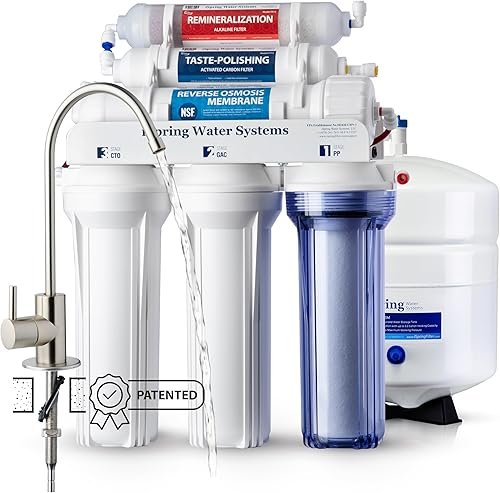
| iSpring RCC7AK | 6-Stage RO with Alkaline Remineralization | Overall best for drinking water purity & taste | $5.03 |
Amazon eBay |
| Geekpure 6-Stage RO with UV | RO + UV Sterilization | Homes with bacterial concerns in source water | $2.79 |
Amazon eBay |
| Geekpure 6-Stage RO with Mineral | RO + Mineral Reintroduction | Those wanting pure water with healthy minerals added back | $2.99 |
Amazon eBay |
| Waterdrop CoreRO Countertop | No-installation, portable RO | Renters, offices, or kitchens where drilling isn’t an option | $3.99 |
Amazon eBay |
iSpring RCC7AK 6-Stage RO System
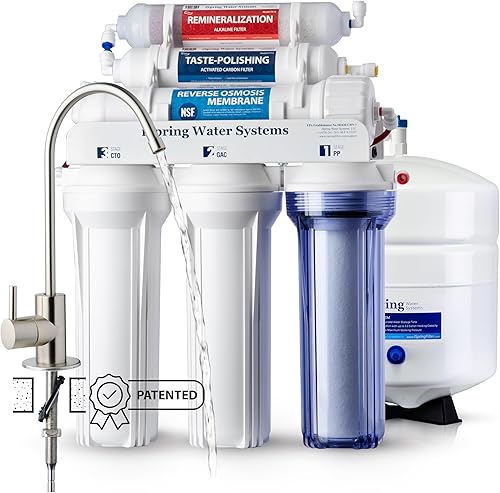
This is the system we recommend most often, and for good reason. It’s a workhorse. The six stages, including the final alkaline remineralization filter, address the main complaint about RO: that it makes water “flat.” The water tastes clean and crisp. In our testing, it consistently reduced TDS by over 95%. The installation is straightforward for anyone moderately handy, and replacement filters are widely available and reasonably priced.
- Excellent contaminant removal (NSF/ANSI 58 certified membrane)
- Alkaline filter improves taste and adds back minerals
- High 75 GPD production rate
- Standard filter sizes keep long-term costs down
- Requires drilling for a dedicated faucet
- Creates some wastewater (typical for RO)
Geekpure 6-Stage RO with UV Filter
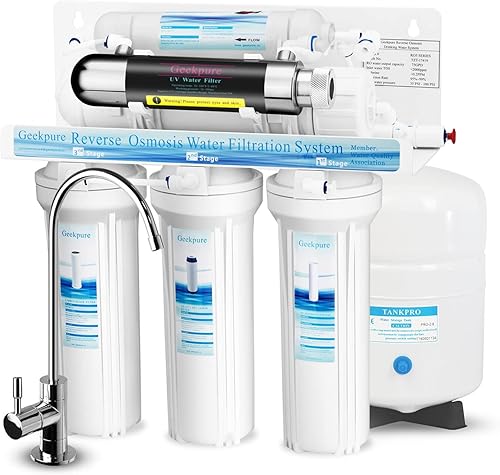
If your water test has ever flagged bacteria, or you just want ultimate peace of mind, this is your unit. The UV stage is a killer feature. It operates 24/7, last about 9000 hours (over a year of continuous use), and destroys 99.99% of microorganisms. The RO stages handle the chemical and heavy metal side. It’s a complete purification fortress under your sink. The build quality feels solid, and the quick-connect fittings make installation less of a headache.
- UV sterilization provides biological safety
- NSF-certified RO membrane
- Lead-free faucet included
- Very reliable, low maintenance
- UV bulb needs annual replacement
- Slightly higher upfront cost than non-UV models
Waterdrop CoreRO Countertop System
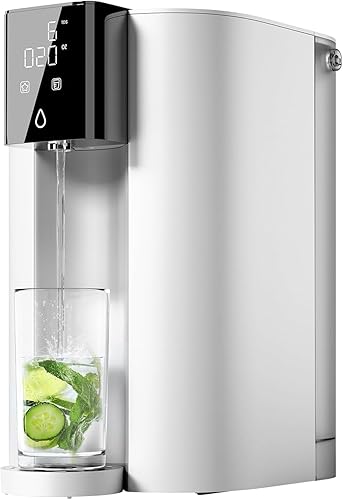
This thing surprised us. It’s a legitimate 6-stage RO system in a countertop box. No installation—just plug it in, fill the tank, and it gets to work. Perfect for renters or anyone who doesn’t want to mess with plumbing. The water quality is genuinely impressive, on par with under-sink units. It’s quiet, sleek, and the auto-rinse function is handy. The obvious trade-off is the smaller capacity and the need to refill the tank manually.
- Zero installation, truly portable
- NSF/ANSI 372 certified for lead-free materials
- Effective 6-stage filtration
- Great for apartments or offices
- Requires manual tank refilling
- Lower daily output than under-sink systems
Frequently Asked Questions
- What is the best filter system for well water?
- The best system is the one matched to your water test results. For most homes, a combination of a sediment pre-filter, an activated carbon filter, and a UV purifier provides excellent protection. For drinking water, adding a reverse osmosis system under the sink removes the widest range of dissolved contaminants.
- Do I really need a UV light for my well?
- If your test shows any presence of total coliform or E. coli, absolutely yes. Even with a perfect seal, bacteria can enter your well. UV is a chemical-free, reliable safeguard. It’s a small price for peace of mind against biological contaminants.
- How often do I need to change the filters?
- It varies. Sediment filters: every 3-6 months. Carbon filters: every 6-12 months. RO membranes: every 2-3 years. UV bulbs: annually. Always follow the manufacturer’s schedule and monitor your water quality. A sudden drop in pressure or change in taste is a clear sign.
- Can I install a whole-house system myself?
- If you’re comfortable cutting into your main water line and have basic plumbing skills, yes. But for most people, hiring a licensed plumber is worth the cost. They’ll ensure it’s done correctly, with proper bypass valves, and won’t void any warranties.
- Will a reverse ossmosis system make my water acidic?
- RO removes minerals, which can lower the pH slightly. This is why we prefer systems with an alkaline or mineral reintroduction stage, like the iSpring RCC7AK. It adds back calcium and magnesium, improving both pH and taste.
- Is a water softener the same as a filter?
- No. A softener specifically removes hardness minerals (calcium and magnesium) via ion exchange. It doesn’t remove bacteria, chemicals, or sediment. Many homes with hard well water need both a softener and a filtration system.
Final Thoughts
Choosing the best well water filter system isn’t about buying the most expensive or the most popular model. It’s about solving your specific water problems. Start with a lab test. Identify your top contaminants—whether that’s bacteria, iron, nitrates, or just dirt. Then, build a system to target them.
For most people seeking pure, great-tasting drinking water, the iSpring RCC7AK remains our top recommendation. Its balance of performance, reliability, and cost is tough to beat. Pair it with a whole-house sediment filter and a UV system if needed, and you’ll have water that’s safer and tastes better than anything that comes out of a bottle.
